 Español

Viajar por Asia
China en septiembre y octubre de 2026: la Semana Dorada, el tiempo y los mejores lugares
⚠ Alerta de viajes a China en otoño: de septiembre a octubre de 2026. Se avecinan dos importantes periodos de festivos en China.
 Español
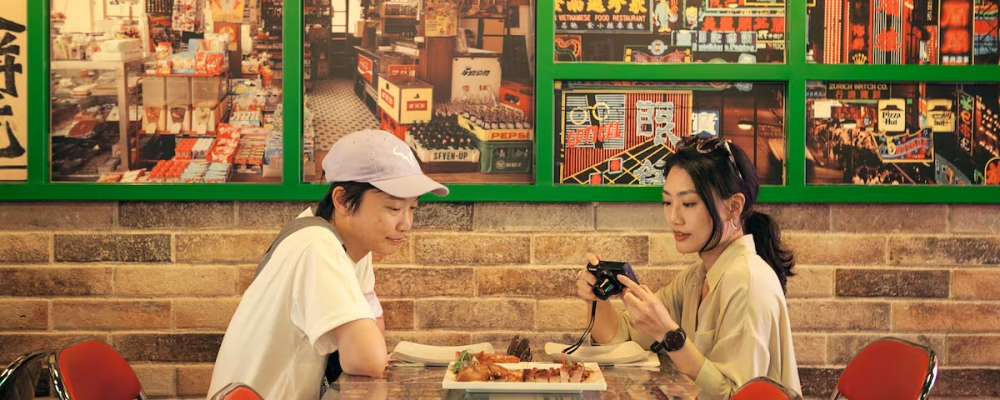

Here’s the truth: You’re going to be scared of Chinese food when you arrive. You’ll see things you don’t recognize. You’ll smell unfamiliar smells. You’ll watch locals eat stuff that makes you uncomfortable. And then, somewhere between day three and day five, you’re going to realize you’ve been eating the best food of your life.
Let me walk you through how to go from “What is that?” to “Give me more of that,” without any actual food poisoning or crying in a restaurant.

Antes de hablar de la comida en sí, tenemos que abordar el tema del miedo.
Es normal tener miedo. Chinese food isn’t like what you eat at home. Different textures. Different preparations. Weird (to you) ingredients. But here’s what I want you to know:
China has been perfecting food for 5,000 years. They’ve figured it out. Every region has developed cuisines that work, taste incredible, and won’t poison you if eaten at a normal restaurant.
The secret isn’t to eliminate all risk, it’s to take calculated risks. Eat at busy places (high turnover means fresh food). Ask your guide (they know the safe spots). Start with mild dishes (spice tolerance builds over days). And accept that your stomach might adjust over 2-3 days. That’s not sickness, that’s adaptation.
Tú puedes hacerlo.
Traveler’s stomach is real. It happens to people in every country. Here’s what actually happens:
Your stomach bacteria are used to your home country’s microbiome. China has different bacteria. Your gut is like “Wait, what is this?” and takes 2-3 days to adapt. You might get loose stools for a day. You might feel bloated. This is normal. It’s not an emergency.
Más vale prevenir que curar:
Probióticos: Trae los sobres de casa. Tómatelos todos los días. En serio. Es lo que se conoce como «#1» y lo que evita que surjan problemas.
Hidratación: Bebe más agua de la que crees que necesitas. El agua embotellada cuesta entre 2 y 5 RMB ($0,30-0,75) en cualquier sitio. Cómprala a menudo.
Prioridad de los alimentos cocinados: ¿Verduras crudas? Es arriesgado. ¿Verduras cocinadas? Son seguras. Limítate a las cocinadas durante los primeros días.
Tómate tu tiempo: Don’t hit the street food hard on day one. Build tolerance gradually.
Medicamentos antidiarreicos: Bring it. You might not need it, but you’ll be glad it exists if you do.
Si llegara a ocurrir algo: Most tourist stomach issues resolve in 24-48 hours. Take electrolyte packets, rest, eat mild food (rice, broth, steamed vegetables). It’s uncomfortable, not dangerous.
Let’s start with dishes you can eat without overthinking it.
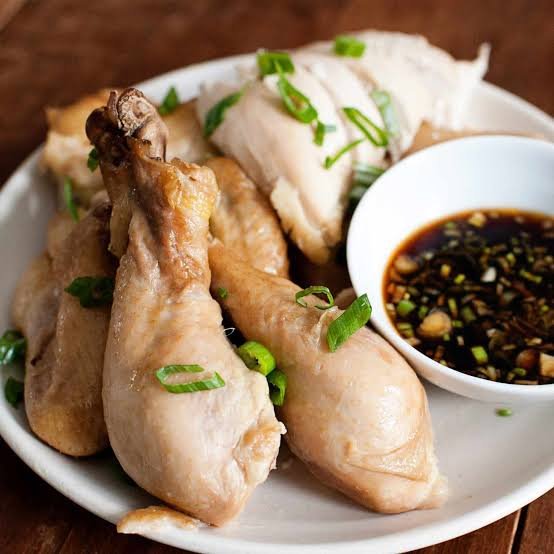
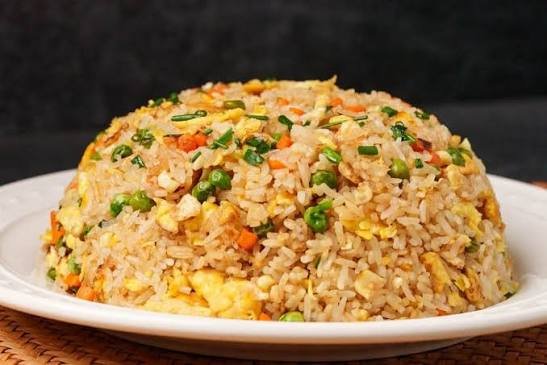
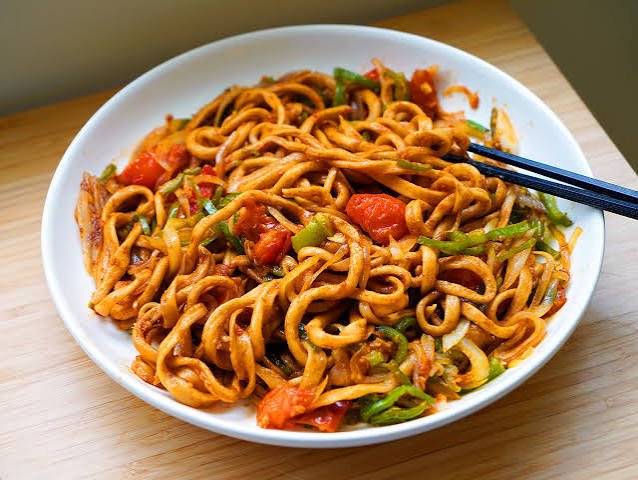
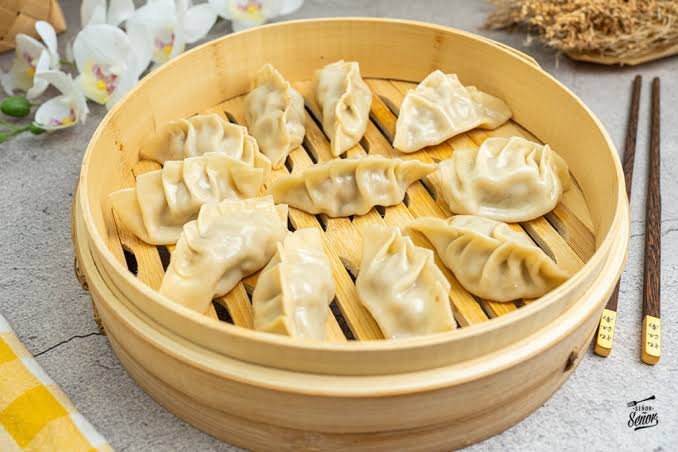
Dumplings (饺子 – Jiàozi):
Noodles (面条 – Miàn Tiáo):

Fried Rice (炒饭 – Chǎo Fàn):
Steamed Chicken (清蒸鸡 – Qīng Zhēng Jī):
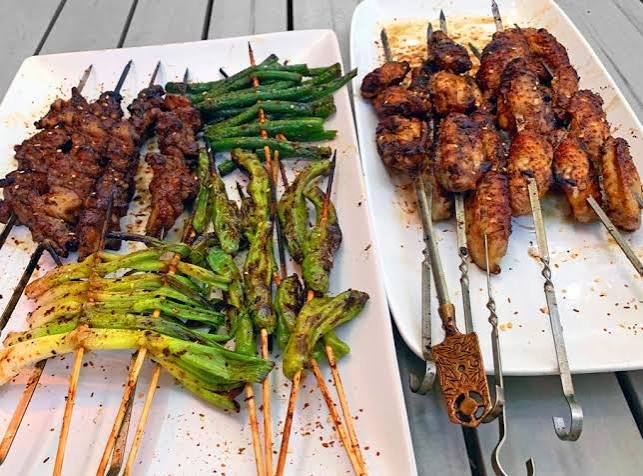
Roasted/Grilled Meats (烤肉 – Kǎo Ròu):
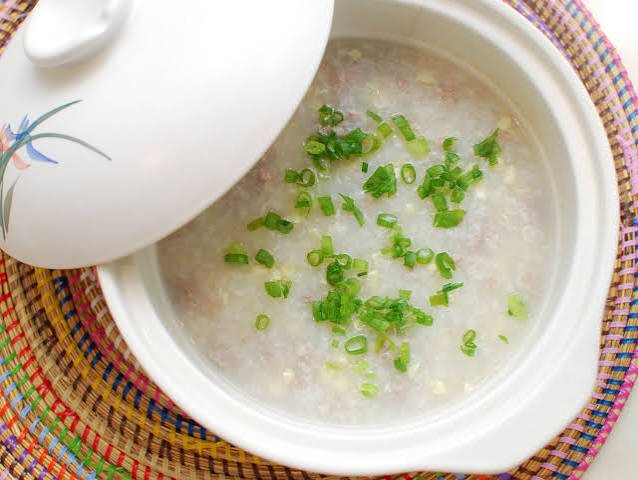
Congee/Rice Porridge (粥 – Zhōu):
Tofu Dishes (豆腐 – Dòu Fu):
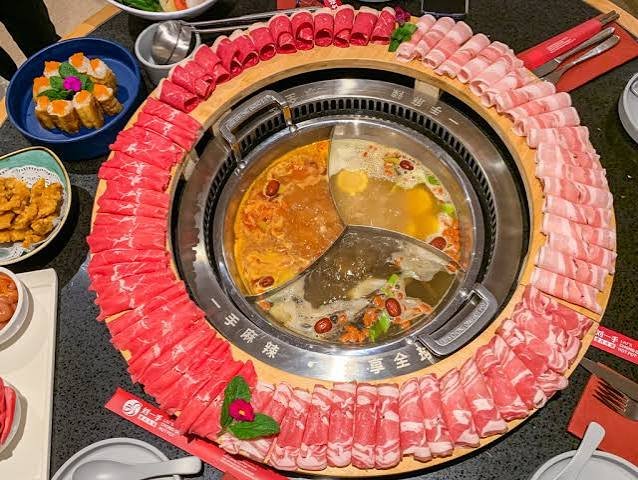
Una vez que el estómago se haya acostumbrado, están para chuparse los dedos:
Hotpot (火锅 – Huǒ Guō):
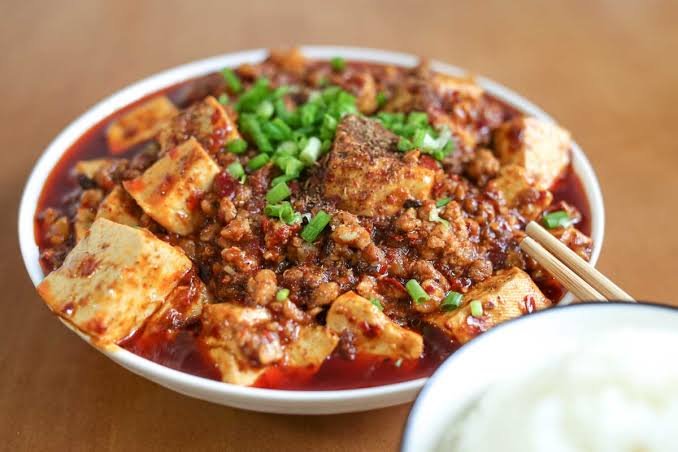
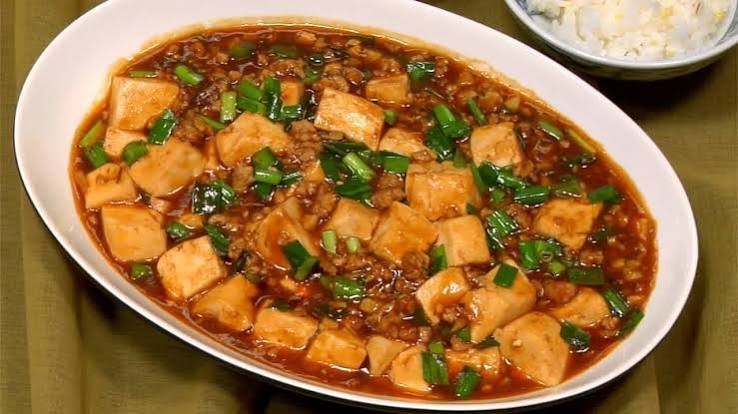
Mapo Tofu (麻婆豆腐 – Má Po Dòu Fu):
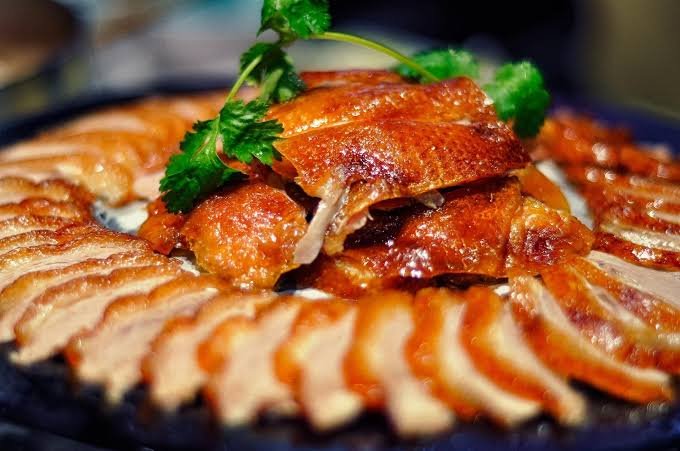
Peking Duck (北京烤鸭 – Běi Jīng Kǎo Yā):
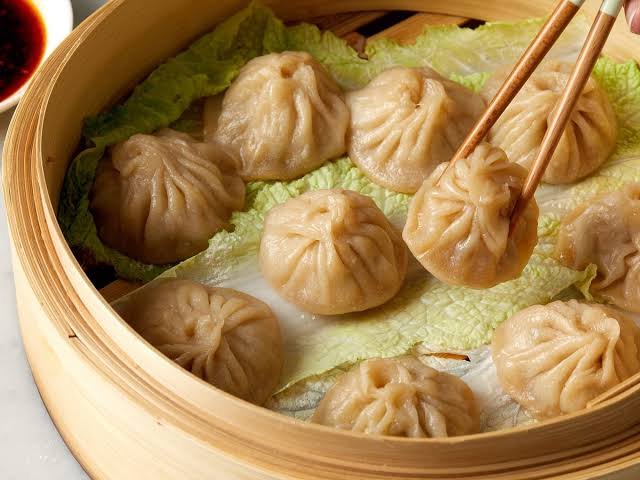
Dumplings with Pork Soup Inside (小笼包 – Xiǎo Lóng Bāo):
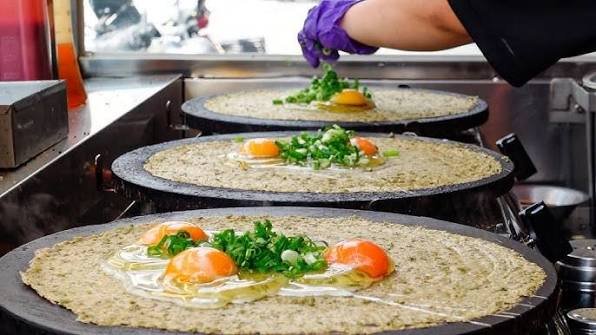
Street Crepes/Pancakes (鸡蛋饼 – Jī Dàn Bǐng):
Pescado (de cualquier tipo):
Vísceras (órganos internos):
Chicken Feet (鸡爪 – Jī Zhǎo):
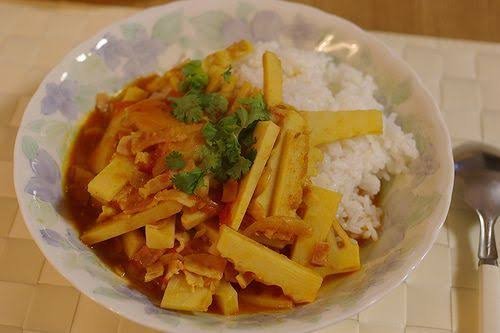
Bamboo (竹笋 – Zhú Yá):
China isn’t one food culture, it’s like 10 different countries’ foods.

“Bu la” (不辣): No pica. Te salvará la vida.
“Qing dian” (清淡): Sabor ligero/suave.
“Yi ge” (一个): Uno (de ese artículo).
“Hao chi” (好吃): «Delicioso». A los lugareños les encanta que digas eso.
“Xie xie” (谢谢): Gracias.
Anótalos. Señálalos si te cuesta hablar.

El mayor obstáculo para comer bien en China es el miedo psicológico, no la seguridad real.
Here’s how to overcome it:
En lugar de: “That looks gross”
Piensa en lo siguiente: “That’s been perfected for 2,000 years”
En lugar de: “I can’t eat that”
Piensa en lo siguiente: “Let me try a small piece”
En lugar de: “This is too spicy”
Piensa en lo siguiente: “My tolerance will build”
Marisco de la calle en verano: Calor + marisco + almacenamiento al aire libre = riesgo
Verduras crudas en los puestos callejeros: Podría haberse lavado con agua de dudosa calidad
Cualquier cosa que se haya dejado a temperatura ambiente durante horas: Busca productos que se estén cocinando en ese momento
Platos que llevan desde esta mañana en una vitrina calefactada: Sobre todo los platos de carne
Eating alone at 2 a.m. when you’re drunk: Esto se aplica en todas partes
En resumen: Use common sense. If it looks fresh and is being prepared actively, eat it. If it’s been sitting around for unclear amounts of time, skip it.
Trae esto de casa:
Comprar en China:
Primer día: You’re nervous, eating safe foods, taking your probiotics
Día 2: Te sientes un poco mal del estómago (es normal), pero comes de todos modos
Día 3: You’ve tried 10 new dishes, stomach is adjusting, you’re starting to relax
Día 4: You’re actively craving local food
Día 5: You’re eating street food confidently, stomach is fine, you’re genuinely enjoying it
Día 7+: You’re advising other travelers what to eat, you’re sad the trip is ending
P: ¿Me pondré enfermo?
Maybe, maybe not. Most travelers don’t. Your risk is reduced to near-zero if you take probiotics, eat at busy places, and avoid obviously risky situations.
P: ¿De verdad sabe tan bien como dice la gente?
Sí. Una vez que se te pasa el miedo, te das cuenta de que las cocinas regionales chinas son increíblemente sofisticadas. La comida de calidad de restaurante cuesta entre $2 y 5 por comida.
Q: What if I’m vegetarian/vegan/have allergies?
You can eat in China. Learn the key phrases for your restrictions. Many dishes can be made without meat. It’s doable but requires communication.
P: ¿Debería usar palillos?
No es obligatorio. Pide un tenedor si lo necesitas. Pero aprender a usar los palillos enriquece la experiencia y los lugareños valoran el esfuerzo.
P: ¿Cuánto debería gastarme en comida?
Presupuesto Entre 10 y 15 por persona y día en concepto de comidas si se come en restaurantes normales. Se puede comer más barato (comida callejera, entre 10 y 15 por persona y día en concepto de comidas si se come en restaurantes normales. Se puede comer más barato (comida callejera, (entre 2 y 5 por comida), o gastar más (restaurantes de lujo, entre $30 y 50 por comida).
⚠ Alerta de viajes a China en otoño: de septiembre a octubre de 2026. Se avecinan dos importantes periodos de festivos en China.

Explora la Ruta de la Seda y el lago Qinghai. Descubre la historia antigua, las vibrantes culturas y los paisajes impresionantes. ¡Empieza ya tu viaje inolvidable!

¿Se pueden visitar el Templo de Shaolin y las Grutas de Longmen en el mismo viaje? Por supuesto. Ambos son

Qinghai Lake or Chaka Salt Lake? If you’re planning a trip through northwest China, you’ve
La cuestión del coste de un viaje a China es lo que todo el mundo busca en Google antes de reservar, y casi nadie

Introducción: Noticias importantes para los viajeros internacionales. ¡Excelentes noticias para los trotamundos! China acaba de anunciar una