

How to Eat in China Without Fear: A Real Food Guide for First-Timers

How To Eat In China Without Fear: A Real Food Guide For First-timers

Here’s the truth: You’re going to be scared of Chinese food when you arrive. You’ll see things you don’t recognize. You’ll smell unfamiliar smells. You’ll watch locals eat stuff that makes you uncomfortable. And then, somewhere between day three and day five, you’re going to realize you’ve been eating the best food of your life.

Let me walk you through how to go from “What is that?” to “Give me more of that,” without any actual food poisoning or crying in a restaurant.

 

The Mindset Shift (Do This First)

Before we talk about actual food, we need to address the fear part.

The fear is normal. Chinese food isn’t like what you eat at home. Different textures. Different preparations. Weird (to you) ingredients. But here’s what I want you to know:

China has been perfecting food for 5,000 years. They’ve figured it out. Every region has developed cuisines that work, taste incredible, and won’t poison you if eaten at a normal restaurant.

The secret isn’t to eliminate all risk, it’s to take calculated risks. Eat at busy places (high turnover means fresh food). Ask your guide (they know the safe spots). Start with mild dishes (spice tolerance builds over days). And accept that your stomach might adjust over 2-3 days. That’s not sickness, that’s adaptation.

You can do this.


The Real Stomach Reality (Nobody Talks About This)


Traveler’s stomach is real. It happens to people in every country. Here’s what actually happens:

Your stomach bacteria are used to your home country’s microbiome. China has different bacteria. Your gut is like “Wait, what is this?” and takes 2-3 days to adapt. You might get loose stools for a day. You might feel bloated. This is normal. It’s not an emergency.

Prevention beats treatment:

  1. Probiotics: Bring packets from home. Take them daily. Seriously. This is the #1 thing that prevents issues.

  2. Hydration: Drink more water than you think you need. Bottled water everywhere costs 2-5 RMB ($0.30-0.75). Buy it constantly.

  3. Cooked food priority: Raw vegetables? Risky. Cooked vegetables? Safe. Stick to cooked for the first few days.

  4. Pace yourself: Don’t hit the street food hard on day one. Build tolerance gradually.

  5. Anti-diarrheal medication: Bring it. You might not need it, but you’ll be glad it exists if you do.

If something does happen: Most tourist stomach issues resolve in 24-48 hours. Take electrolyte packets, rest, eat mild food (rice, broth, steamed vegetables). It’s uncomfortable, not dangerous.


Food That’s Actually Safe for Beginners

Let’s start with dishes you can eat without overthinking it.
The Totally Safe Zone


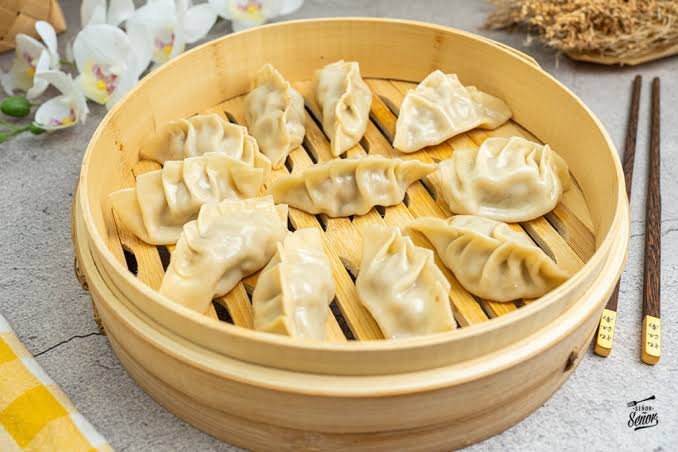
Dumplings (饺子 – Jiàozi):

  • Steamed or boiled: completely safe
  • Filled with pork, chicken, or vegetables
  • Instant comfort when you’re nervous
  • Found everywhere, costs 2-8 RMB per portion
  • Pro tip: Watch them being made if possible. Locals do this for quality assurance.

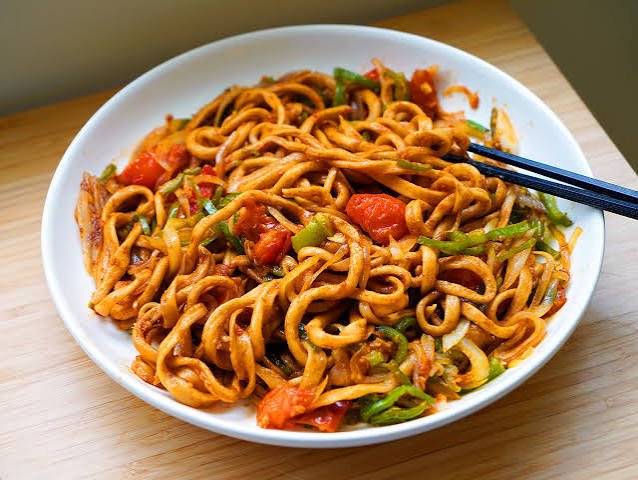
Noodles (面条 – Miàn Tiáo):

  • Noodle soups are your friend
  • Hot broth kills any bacteria concerns
  • Mild flavor if you ask (say “bu la” – not spicy)
  • Costs 5-15 RMB
  • Fill you up, taste good, hard to mess up

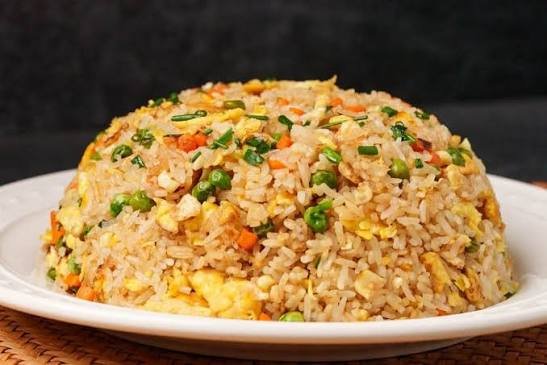
Fried Rice (炒饭 – Chǎo Fàn):

  • Everything is cooked hot, so very safe
  • Eggs, rice, vegetables mixed together
  • Tastes how it smells
  • 8-20 RMB
  • Order it plain if you’re unsure

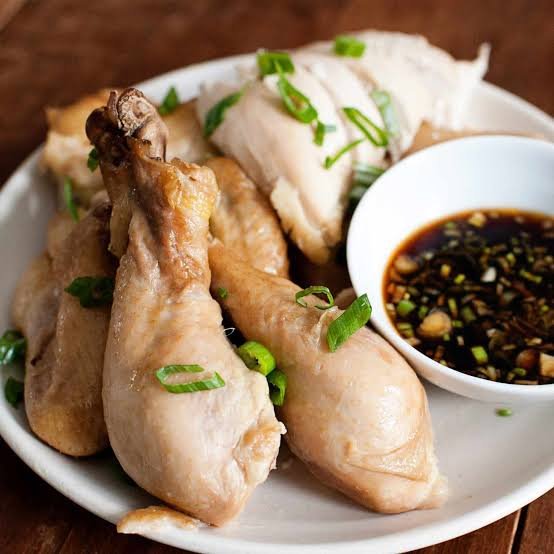
Steamed Chicken (清蒸鸡 – Qīng Zhēng Jī):

  • Simple: chicken, soy sauce, ginger
  • Cooked through and through
  • Tender, tasty, straightforward
  • 20-40 RMB for a meal portion
  • Show your guide a picture if you don’t know the name

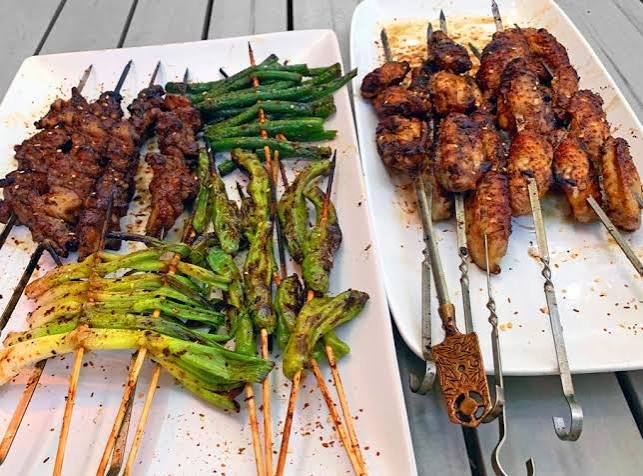
Roasted/Grilled Meats (烤肉 – Kǎo Ròu):

  • Everything is charred/cooked dark
  • Hard to mess up when it’s cooked this way
  • Tastes like BBQ you know
  • 15-30 RMB per skewer
  • Sold at night markets, very visible

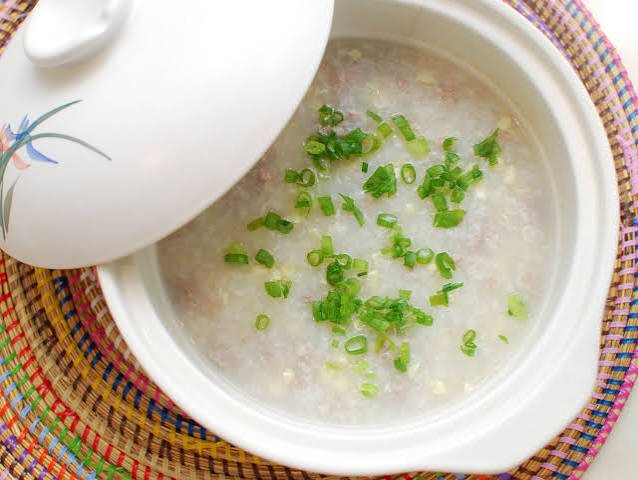
Congee/Rice Porridge (粥 – Zhōu):

  • Boiled rice soup, soft, plain
  • Comes with toppings on the side (pick what you want)
  • Feels like comfort food
  • 5-10 RMB
  • Eat this when your stomach feels off

Tofu Dishes (豆腐 – Dòu Fu):

  • Soft tofu (silken tofu) is safest
  • Usually served in mild broth or sauce
  • Bouncy texture, neutral taste
  • 8-15 RMB
  • Not weird once you try it


The “Maybe Later” Zone (After 3-4 Days)


Dishes to Approach Cautiously

Once your stomach has adapted, these are incredible:

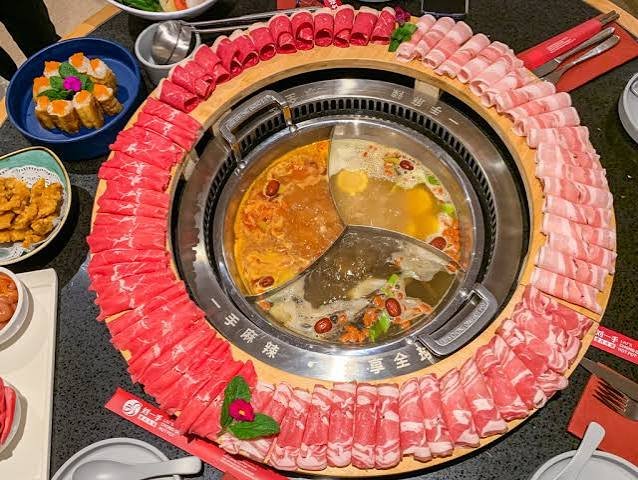
Hotpot (火锅 – Huǒ Guō):

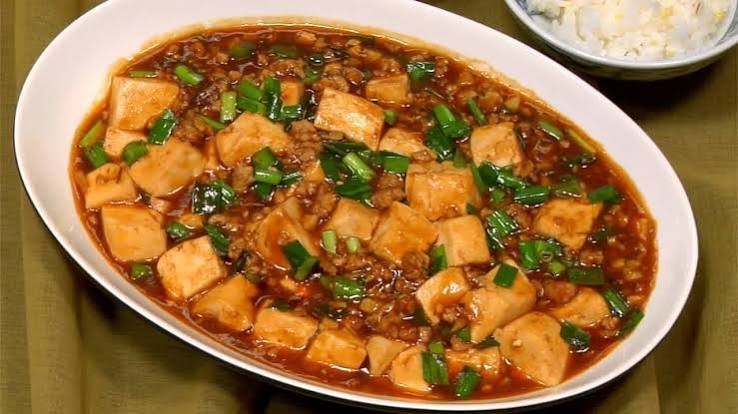
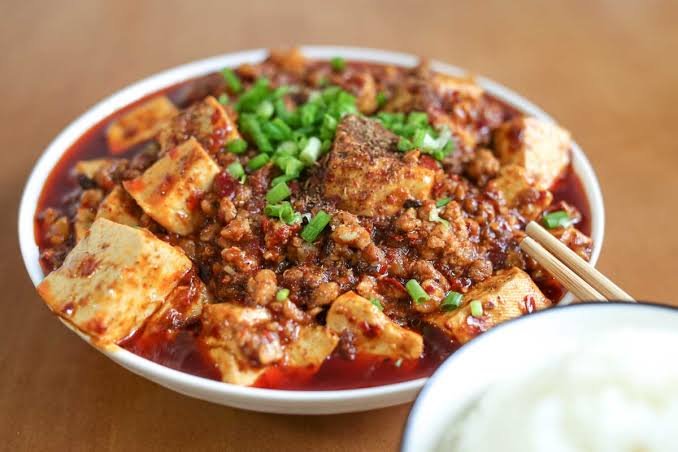
Mapo Tofu (麻婆豆腐 – Má Po Dòu Fu):

  • Silken tofu in spicy meat sauce
  • “Ma” means numbing (the pepper is numbing, not just hot)
  • Start with half a bowl, see how you feel
  • 15-25 RMB
  • Iconic Sichuan dish

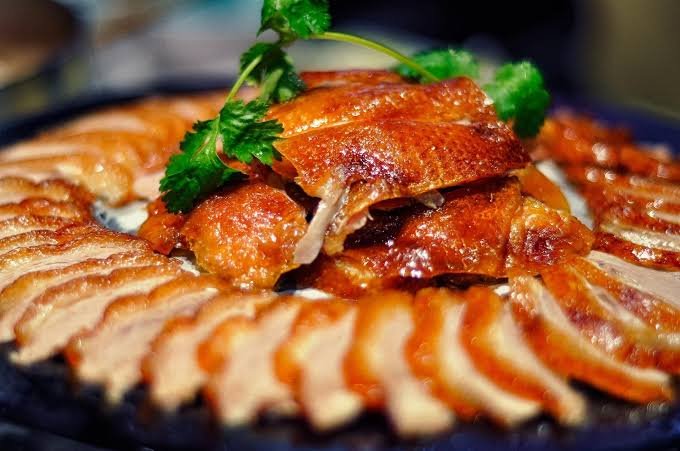
Peking Duck (北京烤鸭 – Běi Jīng Kǎo Yā):

  • Roasted duck, thinly sliced
  • You eat it with thin pancakes, sauce, cucumbers
  • Totally safe, incredibly delicious
  • 50-150 RMB depending on restaurant
  • Do this in Beijing specifically

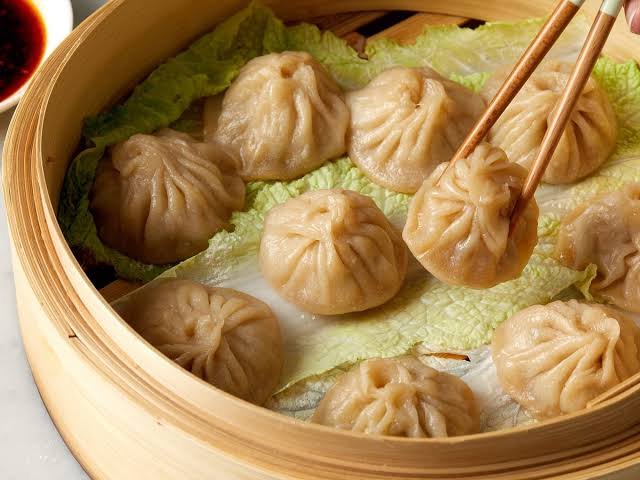
Dumplings with Pork Soup Inside (小笼包 – Xiǎo Lóng Bāo):

  • Steamed dumplings with pork soup in the middle
  • Sounds weird, tastes amazing
  • Very safe (cooked through)
  • 10-15 RMB for a basket of 4-6
  • Shanghai specialty

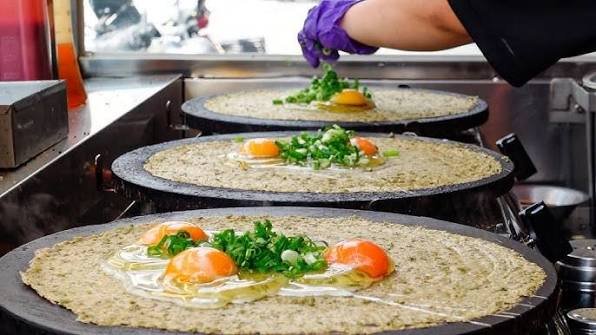
Street Crepes/Pancakes (鸡蛋饼 – Jī Dàn Bǐng):
  • Egg pancakes filled with scallions, crispy stuff
  • Cooked fresh on a griddle in front of you
  • See the process, stay comfortable
  • 3-8 RMB
  • Breakfast/street food


The “Adventure Zone” (For When You’re Feeling Bold)


How To Eat In China Without Fear: A Real Food Guide For First-timers
Bambu Food China

Things That Seem Weird But Are Actually Fine

Fish (any kind):

  • Fresh whole fish is a sign of good quality
  • Cooked through completely
  • If it’s on the menu, it’s safe
  • Totally worth trying

Organ Meats (Internal organs):

  • Kidney, liver, intestines, tongue
  • Thoroughly cooked, specific flavors
  • Safe, just different texture
  • Skip if squeamish, try if curious

Chicken Feet (鸡爪 – Jī Zhǎo):

  • Sounds gross, tastes like chicken
  • Chewy texture, savory
  • Very popular, must be safe or locals wouldn’t eat it
  • 10-20 RMB per order
  • Try it, you’ll be surprised

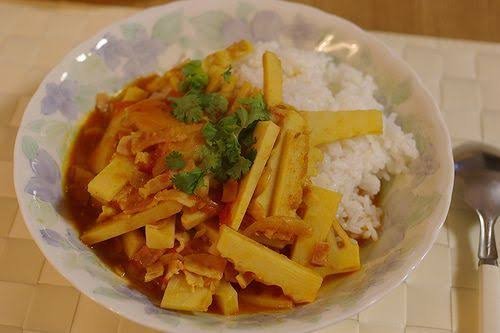
Bamboo (竹笋 – Zhú Yá):

  • Sliced bamboo shoots
  • Crunchy, mild, vegetable-like
  • 15-20 RMB
  • Honestly boring but safe


Regional Food Differences (What You Actually Need to Know)

China isn’t one food culture, it’s like 10 different countries’ foods.

Beijing Food:

  • Flavor profile: Salty, wheat-heavy (noodles, dumplings, steamed buns)
  • Famous dishes: Peking duck, pork dumplings, noodles
  • Heat level: Mild
  • Beginner-friendly: Very yes
  • Read more: Main food guide on YellowBirdTour

Shanghai Food:

  • Flavor profile: Sweet, seafood-heavy, rice-based
  • Famous dishes: Soup dumplings (xiaolongbao), sweet and sour fish
  • Heat level: Mild to moderate
  • Beginner-friendly: Very yes
  • Special thing: Soup dumplings are a must-try

Chengdu Food:

  • Flavor profile: SPICY. Numbing pepper, chili oil, heat
  • Famous dishes: Mapo tofu, hotpot, chongqing chicken
  • Heat level: Can be brutal, but restaurants offer mild options
  • Beginner-friendly: Not on day one. Build tolerance first.
  • Pro tip: Chengdu has its own detailed food guide because it’s so specific

Kunming Food:

  • Flavor profile: Mild, diverse influences, unique local ingredients
  • Famous dishes: Rice noodles with broth, fresh herbs in everything
  • Heat level: Mild
  • Beginner-friendly: Yes, very approachable
  • Read more: Kunming food and tour package details


How to Actually Order Food (The Practical Part)


How To Eat In China Without Fear: A Real Food Guide For First-timers

Scenario 1: At a Restaurant with a Menu

  1. Point: This is valid. Point at pictures or other people’s dishes.
  2. Say “bu la” (不辣): Means “not spicy.” Say this for every dish if unsure.
  3. Ask your guide: Best solution. They know exactly what’s safe and good.
  4. Use Google Translate: Take a picture of the menu, let the app translate it.
  5. Ask for mild broth/sauce: Most places will accommodate.

Scenario 2: Street Food Stalls

  1. Watch the process: You can see everything being made.
  2. Pick busy stalls: High turnover = fresh ingredients.
  3. Use hand signals: Hold up fingers for how many you want.
  4. Pay 2-10 RMB: It’s cheap, try multiple things.
  5. Eat immediately: Freshest version.

Scenario 3: Night Markets

  1. Look for crowds: Where locals are eating is safe.
  2. Visual identification: Pick dishes you can identify by sight.
  3. Ask for small portions: “Yi ge” (一个) = one.
  4. Wander and graze: Try 5-6 different stalls instead of one big meal.
  5. Budget 30-50 RMB: Can eat like a king for $5-7.

Magic Phrases:

“Bu la” (不辣): Not spicy. Your lifesaver.

“Qing dian” (清淡): Light/mild flavor.

“Yi ge” (一个): One (of that item).

“Hao chi” (好吃): Delicious. Locals love when you say this.

“Xie xie” (谢谢): Thank you.

Write these down. Point to them if speaking is hard.


The Psychological Game (Seriously, This Matters)


How To Eat In China Without Fear: A Real Food Guide For First-timers

The biggest barrier to eating well in China is psychological fear, not actual safety.

Here’s how to overcome it:

Day 1: Play It Safe

  • Eat dumplings, noodles, fried rice
  • Stay in your comfort zone
  • Get acclimated, not adventurous

Day 2-3: Gentle Expansion

  • Try one new thing per meal
  • Ask your guide what it is first
  • Watch it being prepared if possible
  • Taste, acknowledge it’s safe, feel braver

Day 4-5: Confidence Building

  • You’ve eaten dozens of things
  • Your stomach has adapted
  • Cravings for local food have started
  • Now you’re ready for bolder choices

Mindset Shifts:

  • Instead of: “That looks gross”

  • Think: “That’s been perfected for 2,000 years”

  • Instead of: “I can’t eat that”

  • Think: “Let me try a small piece”

  • Instead of: “This is too spicy”

  • Think: “My tolerance will build”


What to Actually Avoid (The Real Safety Lines)

Street seafood in summer: Heat + seafood + outdoor storage = risk

Raw vegetables at street stalls: Might be washed in questionable water

Anything left sitting at room temperature for hours: Look for actively cooked items

Dishes that have been sitting in a heated display case since morning: Especially meat dishes

Eating alone at 2 a.m. when you’re drunk: This applies everywhere

Basically: Use common sense. If it looks fresh and is being prepared actively, eat it. If it’s been sitting around for unclear amounts of time, skip it.


The Stomach Survival Kit (What to Pack)

Bring these from home:

  1. Probiotics: Daily packets, inoculate your gut pre-emptively
  2. Electrolyte powder: 3-4 packets (salt + sugar + water = stomach reset)
  3. Anti-diarrheal medication: Immodium or equivalent
  4. Antacid: For acid reflux (new cuisines can trigger this)
  5. Digestive enzymes: Helps break down unfamiliar foods
  6. Wet wipes: Bathroom convenience isn’t guaranteed

Buy in China:

  1. Bottled water: Everywhere, 2-5 RMB, buy lots
  2. Green tea: Aids digestion, tasty
  3. Ginger candy: Settles stomachs, tasty snack
  4. Plain rice: Safe, filling, found in every restaurant


The Success Metrics (How You Know You’re Winning)


Day 1: You’re nervous, eating safe foods, taking your probiotics

Day 2: Stomach feels slightly off (normal), you eat anyway

Day 3: You’ve tried 10 new dishes, stomach is adjusting, you’re starting to relax

Day 4: You’re actively craving local food

Day 5: You’re eating street food confidently, stomach is fine, you’re genuinely enjoying it

Day 7+: You’re advising other travelers what to eat, you’re sad the trip is ending


The FAQ Nobody Asks But Should


Q: Will I get sick?

Maybe, maybe not. Most travelers don’t. Your risk is reduced to near-zero if you take probiotics, eat at busy places, and avoid obviously risky situations.

Q: Does it really taste as good as people say?

Yes. Once your fear melts, you realize Chinese regional cuisines are incredibly sophisticated. Restaurant-quality food costs $2-5 per meal.

Q: What if I’m vegetarian/vegan/have allergies?

You can eat in China. Learn the key phrases for your restrictions. Many dishes can be made without meat. It’s doable but requires communication.

Q: Should I use chopsticks?

Not required. Ask for a fork if you need one. But learning chopsticks adds to the experience and locals appreciate the effort.

Q: How much should I spend on food?

Budget 10−15perpersonperdayformealsifeatingatnormalrestaurants.Youcaneatcheaper(streetfood,10-15 per person per day for meals if eating at normal restaurants. You can eat cheaper (street food, 2-5 per meal), or spend more (fine dining, $30-50 per meal).


Leave a Reply

Your email address will not be published. We only use it to notify you about replies and new comments. Required fields *


Explore the World with YellowbirdTour! Share this page with friends and fellow adventurers eager to discover new and exciting tours across Asia and beyond

WhatsApp
Facebook
Telegram
Reddit
Email
X
LinkedIn
Pinterest
Tumblr

Other blogs

//
Need help? Our expert support is available for all your tour and booking needs. Message us on WhatsApp for instant travel support.
Hi there! 👋 How can we assist you with your Asia travel plans today?
Cropped-noun-parrot-739612.png

Play Yellowbird Travel Match and let destiny choose your trip

Sometimes the best journey is the one you didn’t plan.
Just 3 quick questions to reveal your surprise Asia tour.

We’ll use your answers to suggest a real Asia tour that fits you. We never share your email or track your behavior.

Enquiry & Booking

Join a Small Group How to Eat in China Without Fear: A Real Food Guide for First-Timers

Number of travelers