Travel through Asia
Travel from the USA to Mt. Kailash: Routes, Permits, Kailash Mansarovar Yatra & Kora Planning
If you’re trying to travel from the USA to Mt. Kailash, the hard part isn’t



This guide compares traveling independently in China vs joining a group tour, shows when each option works best, and explains how YellowBirdTour helps solo travelers connect with others and “go together” in China and beyond Asia.
Compared with many destinations, China is:
This doesn’t mean you can’t travel independently. It means you need to think carefully about where you’ll go solo and where joining a group or local operator (like YellowBirdTour) will save you a lot of time, money, and stress.
Traveling solo in China can be wonderful if you’re experienced, patient, and open to surprises:
Maximum flexibility
You set your own pace, decide how long to stay in Beijing, Shanghai, Xi’an, or Chengdu, and make last‑minute changes without worrying about group schedules.
Deeper immersion in big cities
In major hubs like Beijing and Shanghai, metro systems are efficient, signage often includes pinyin, and more people speak basic English – especially in hotels and popular attractions. Exploring hutongs, street food, and museums at your own rhythm can be very rewarding.
Potentially cheaper for slow travelers who speak some Chinese
If you know the language and can handle local booking platforms, you can sometimes find budget trains and guesthouses on your own.
For repeat visitors or long‑term backpackers, independent travel in the main cities is realistic and fun.
For many first‑time visitors or those who don’t speak Chinese, solo travel across China comes with real challenges:
Complex transport and duplicated place names
As YellowBird explains in its rural China content, transport in the countryside can be confusing; village names might be duplicated or spelled differently in Latin letters, and smaller guesthouses aren’t always bookable online. This confusion applies not only to rural regions but also to lesser‑known towns.
Limited English in rural areas
Outside big cities, English drops sharply. When something goes wrong (train cancellations, illness, weather changes), handling it alone in rural China can be difficult.
No backup when plans change
If you hit unexpected closures, extreme weather, or local disruptions, you are your own problem‑solver. A local operator, in contrast, will reroute, rebook, and handle communication for you.
Restricted regions like Tibet
Independent travel is not allowed in Tibet; you must travel with an authorized agency that handles permits and guides. For the broader Tibetan region and remote monasteries, local knowledge and regulations make a trusted operator essential.
If you’re confident with uncertainty and focus mainly on big cities, solo travel can work. If you want to explore deeper—rural villages, Tibetan areas, or multi‑region itineraries—it’s wise to combine independent days with guided tours or a small group itinerary.

YellowBirdTour has leaned into a “community‑style” concept: solo travelers and small parties can find a travel group to China, connect, form their own group and go together. This model offers several advantages:
Value for money
As YellowBirdTour frequently highlights, group tours share fixed costs: guides, drivers, private transport, and some permits. This is especially true for remote regions like Tibet, where logistics are expensive per person on a private basis.
Simple, stress‑free planning
A guided group tour means:
Built‑in travel companions
The “Find a Travel Group to China” article even includes solo travelers like Daniel from the USA, looking to join others in October. Instead of being alone in a country where you don’t speak the language, you share experiences with like‑minded travelers.
Local context and support
English‑speaking and bilingual guides bring sites to life and help navigate cultural nuances. For example, YellowBird underscores the importance of guides in Tibet—for stories behind landmarks, cultural sensitivity, and managing permits.
YellowBird offers both private and small‑group formats:
Across both formats, YellowBird includes flexible itineraries, visa/permit assistance, English‑speaking guides, 24/7 support, and can cater to specific needs (e.g., vegetarian, Muslim‑friendly meals) when requested.

Beijing is one of the easiest entry points for solo travelers: good metro system, major attractions like the Forbidden City, Tiananmen Square, Temple of Heaven, and Great Wall sections that are well established for tourism.
However, even here, joining a guided day tour or including Beijing in a small‑group itinerary has benefits:
YellowBirdTour China portfolio includes classic Beijing experiences and multi‑day tours combining the capital with Xi’an, Shanghai, Chengdu, and more.

Xi’an, famous for the Terracotta Army, ancient city wall, and Muslim Quarter, usually fits into a 2–3 day segment. It’s an ideal group extension:
YellowBirdTour China itineraries regularly weave Xi’an into longer routes, either as a small‑group highlight or part of a custom private tour.

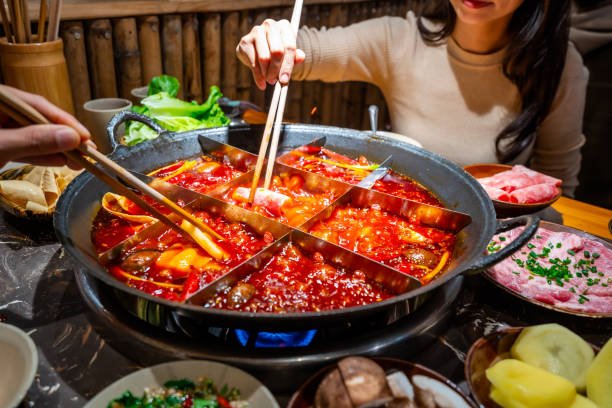
Chengdu is one of YellowBird’s showcase cities: panda bases, teahouses, and Sichuan cuisine.
Why Chengdu works brilliantly in a group:
YellowBirdTour runs guided panda and Sichuan cuisine experiences, and you can enquire directly to customize or join a small group.

China’s countryside reveals a quieter, more authentic way of life. YellowBird’s rural China and village travel content explains how to do this responsibly and realistically:
Independent vs guided rural travel
Traveling independently offers maximum flexibility and can be cheaper if you speak Chinese, but comes with serious cons: confusing transport, duplicated village names, hidden guesthouses, and difficulty solving problems when something goes wrong.
Traveling with a local operator (YellowBirdTour)
YellowBird can handle:
A good example is a 5‑day rural village tour in Guizhou, where a local operator coordinates village stays, guides, and responsible travel practices (e.g., not handing out sweets or money to children, but supporting local crafts instead).
Tibet is one of YellowBird’s flagship specialties:
Independent travel is restricted
You must travel with an authorized agency like YellowbirdTour that handles Tibet travel permits and local guides.
Costs are lower in a group
For travelers from Singapore (and elsewhere), YellowBird notes that group tours are more cost‑effective, especially for solo travelers or couples, while private tours are more flexible but more expensive.
You need a local guide
Their Tibet Traveler’s Guide emphasizes why local guides are crucial: deep cultural interpretation, logistical know‑how, and ensuring responsible travel in a sensitive, high‑altitude region.
Planning and safety
YellowBird advises: acclimatize in Lhasa, respect local customs, check best travel seasons (April–October), and travel with an agency that manages permits and regulations.
For solo travelers, joining a Tibet group tour from China (e.g., via Beijing or Chengdu) is often the only practical and affordable option.
For foreign travelers, Tibet cannot be visited completely independently: a Tibet Travel Permit is mandatory and can only be obtained through a licensed agency, and a certified local guide must accompany you throughout your stay.
This is where joining a group tour with YellowBirdTour becomes essential. As an officially licensed operator with over 15 years’ experience in Tibet, YellowBirdTour handles the entire permit process on your behalf – collecting your passport details, applying for and securing your Tibet Travel Permit, and delivering it to your entry city in China before you board your flight or train.
Their Tibet tour packages also bundle experienced local guides, accommodations, and transport, turning a destination that is complex to organize on your own into a smooth, safe, and enriching journey through Lhasa, Yamdrok Lake, Everest Base Camp, Mt. Kailash, and other Himalayan highlights.
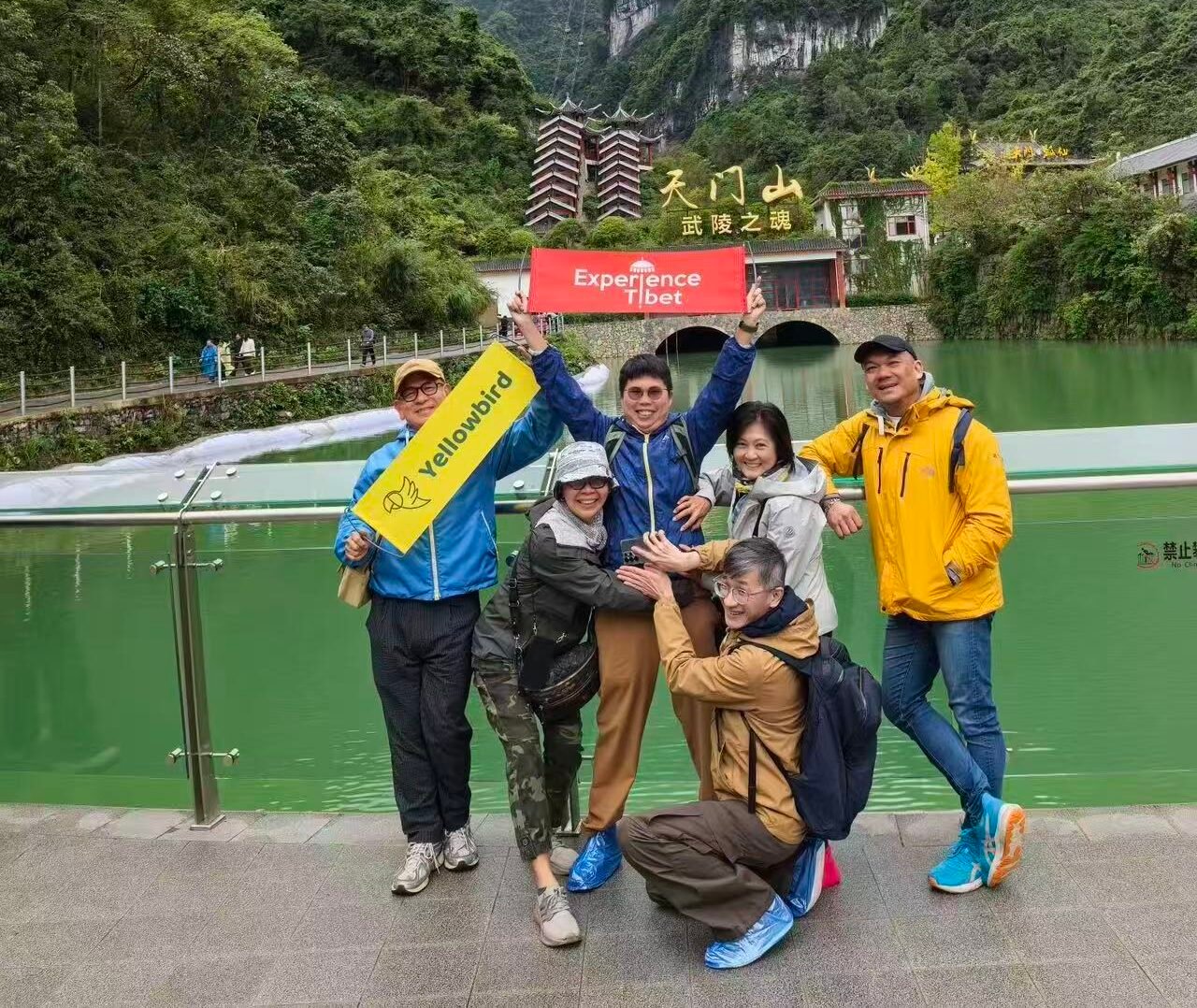
YellowBird has a dedicated blog:
“Find a Travel Group to China: Connect Here, Form Your Own Group, and Go Together”.
From that page and related content:
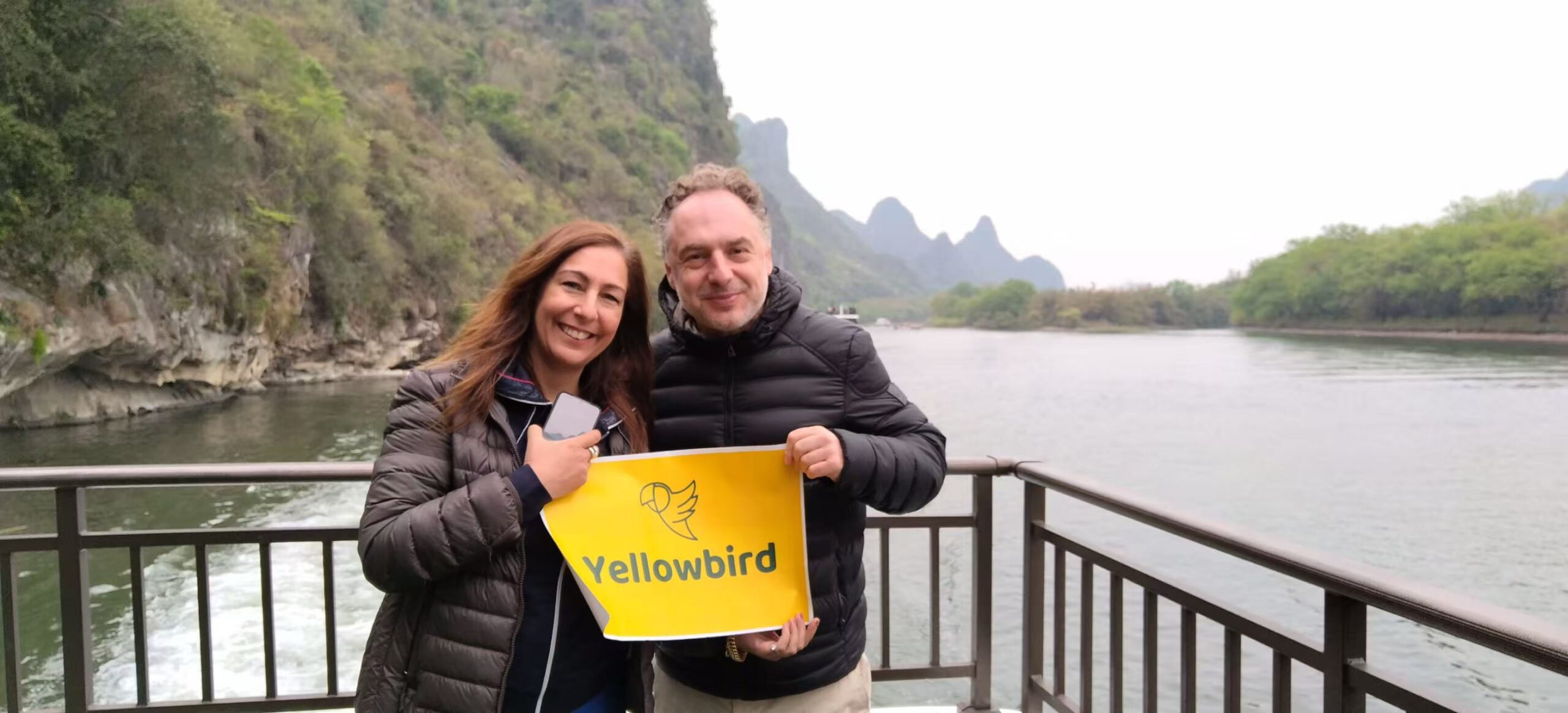
YellowBird also recently launched community‑style China travel groups, specifically designed for those who “don’t want to travel to China alone”.
You can:
YellowBird’s tour search lets you filter trips by duration (1–4, 5–8, 9–21 days) and by country. Within China, popular patterns include:
A typical first‑timer route might include:
You get:
This type of trip is ideal if it’s your first time in China or Asia, and you want the comfort of a group without giving up all flexibility.
From Beijing, Xi’an, or Chengdu, you can join a Tibet tour package:
YellowBird handles:
Group departures make this once‑in‑a‑lifetime trip accessible to solo travelers.
YellowBird’s “unusual places in China you can actually visit” and rural travel resources highlight regions like:
Here, a guided small group is strongly recommended due to transport complexity, language barriers, and the need for responsible, community‑sensitive tourism.

Although China is YellowBird’s core, the agency also designs and runs tours across Asia. From your China base, you can easily extend to:
These destinations appear in YellowBird’s Asia tour search and destination pages and are offered as small‑group or tailor‑made tours, with many of the same advantages: responsible local guides, 24/7 support, and the option to customize multi‑country trips.
If you want a more ambitious itinerary, you can:
Use this quick checklist:
Is it your first time in China or Asia?
→ A small‑group highlights tour (Beijing–Xi’an–Shanghai, with or without Chengdu) is usually the easiest and most rewarding option.
Do you enjoy travel planning and uncertainty, and are you focusing on major cities only?
→ You can travel solo in cities like Beijing, Shanghai, and Chengdu, adding guided day tours for complex sights (Great Wall, pandas, historical neighborhoods).
Do you want to visit Tibet, rural villages, or unusual places?
→ Choose a group or private tour with a local operator like YellowBird. Independent travel is restricted in Tibet and very challenging in many rural or off‑beat areas.
Are you a solo traveler who doesn’t want to be alone the whole time?
→ Use YellowBird’s community‑style group system: find or form a China travel group, share costs, and meet new friends.
YellowBird makes it easy to move from idea to itinerary:

In summary:
If you’re trying to travel from the USA to Mt. Kailash, the hard part isn’t

If you’ve ever looked at a China trip and thought, “Amazing… but the visa paperwork
Chengdu has a reputation that arrives before you do: pandas, teahouses, and food that can

If you’re googling how to visit the Terracotta Warriors in Xi’an, you’re probably in one

Luoshui Village Mosuo is one of those travel surprises that makes you re-check your map

A good Sanya itinerary 5 days should feel like a vacation, not a logistics exam.