 English
Travel through Asia
China in September & October 2026: Golden Week, Weather & Best Places
⚠ China autumn travel alert: September–October 2026 China has two major public holiday periods coming
 EnglishEnglish
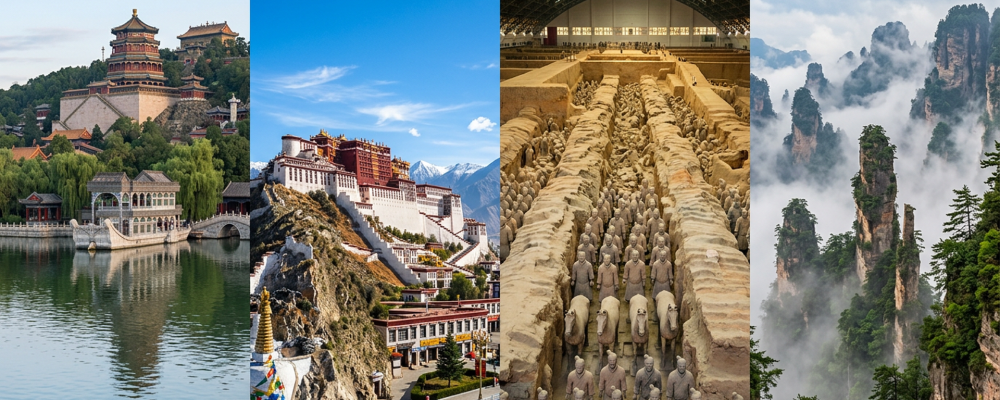

China is the kind of destination that makes cultural travelers weak at the knees.
One day you are walking through an imperial garden of lakes, pavilions, and willow-lined paths. The next, you are standing before monumental palace gates, ancient Buddhist carvings, sacred temples, mountain villages, and landscapes so dramatic they look as if a painter got carried away and never stopped. If your dream trip is not only about taking beautiful photos but also about understanding the stories behind the places you visit, then planning around China UNESCO World Heritage Sites is one of the smartest ways to explore the country.
And here is the good news: you do not need to piece it all together on your own.
Traveling with a local guide can turn a long wishlist of famous places into a well-paced cultural journey. Instead of rushing from one landmark to the next, you begin to understand how each destination fits into China’s wider story — imperial, spiritual, artistic, rural, and surprisingly emotional.
For travelers planning a heritage-focused China itinerary, YellowBirdTour offers a practical starting point. Some of its routes explicitly include UNESCO-recognized places on the tour pages, while others connect beautifully with major cultural landmarks that enrich a broader heritage journey. That mix is important, because a memorable trip to China is not built around one famous monument. It is built around contrast: capitals and monasteries, grottoes and gardens, mountains and villages, archaeology and living tradition.


There are many ways to travel in China.
You can build a trip around food. 1. Around landscapes. 2. Around ancient capitals. 3. Around trains, tea, mountains, pandas, or that one photo of a misty peak that made you whisper, “Right. I need to go there immediately.”
But China UNESCO World Heritage Sites give cultural travelers something especially useful: structure.
They help you plan by meaning, not just by geography.
Instead of asking, “Which city should I visit next?”, you start asking better questions:
That is where the value of a local operator becomes clear. YellowBirdTour emphasizes real local expertise, support on the ground, and direct communication before and during the journey. On its tour pages, the company also states that every tour can be adapted to your needs.
And that flexibility matters, because travelers interested in China UNESCO World Heritage Sites are rarely all looking for the same thing. Some want palace architecture and imperial history. Others want Buddhist heritage, sacred Tibet, village life, grottoes, or mountain scenery that feels like it belongs inside a scroll painting.
A good heritage itinerary in China should make room for all of that.
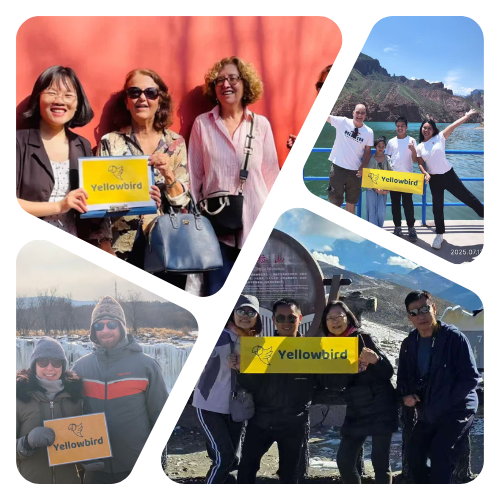
A famous place can impress you in silence. But a guide can help it stay with you.
That is one of the biggest reasons to explore China UNESCO World Heritage Sites with a local guide. A guide helps you notice what would otherwise stay invisible: how palace compounds were organized, why a sacred route matters, how a village was designed, why a grotto face is smiling the way it is, or why a mountain is not just a mountain in Chinese culture, but also a poem, a philosophy, and a thousand years of symbolism.
YellowBirdTour emphasize the value of an English-speaking local guide, seamless transfers, and organized itineraries. That makes a big difference in a country where heritage travel can be deeply rewarding but also logistically overwhelming if you try to stitch everything together alone.
In other words, local guidance does not simply make travel easier. It makes the places richer.
And in China, richness is the whole point.
If your goal is to build a trip around China UNESCO World Heritage Sites, it helps to think city by city rather than treating China’s heritage as one giant abstract list.
That is also where YellowBirdTour becomes much more useful.
Instead of focusing only on Beijing, travelers can connect different parts of China through routes that include UNESCO-recognized places, major heritage landmarks, sacred sites, ancient villages, and cultural landscapes. Some YellowBirdTour tours include UNESCO-listed sites on their tour pages, while others are excellent additions for travelers building a broader heritage itinerary across China.
Below, we move through the country one destination at a time.

Beijing is still one of the strongest starting points for travelers interested in China UNESCO World Heritage Sites, but it should be understood as one chapter of a much larger journey, not the whole book.
The clearest UNESCO-linked example on YellowBirdTour is the Summer Palace describes as a UNESCO World Heritage Site known for its lakes, gardens, and pavilions. It appears in the 4 Days Beijing Classic Tour, where travelers visit it after Tian’anmen Square and the Forbidden City. The Summer Palace as a UNESCO World Heritage Site known for its lakes, gardens, and pavilions, and places it in the 4 Days Beijing Classic Tour after Tian’anmen Square and the Forbidden City.
That sequence works beautifully for heritage travel. You begin with the scale of imperial and political Beijing, then move into a softer, more reflective landscape of water, garden design, and elegant architecture. It is history, yes — but history with breathing room.
YellowBirdTour 4 Days Beijing Classic Tour also includes Mutianyu Great Wall, Dingling Tomb, Tian’anmen Square, and the Forbidden City, making it one of the most complete heritage-focused introductions to the capital for first-time visitors. YellowBirdTour presents the 4 Days Beijing Classic Tour as a journey covering Mutianyu Great Wall, Dingling Tomb, Tian’anmen Square, Forbidden City, and Summer Palace.
For travelers who have less time, the 2 Days Beijing Forbidden City and Great Wallitinerary is a shorter but still very strong option. Its highlights include Tian’anmen Square, Forbidden City, Rickshaw Hutong Ride, Temple of Heaven, and Mutianyu Great Wall. YellowBirdTour lists Tian’anmen Square, Forbidden City, Rickshaw Hutong Ride, Temple of Heaven, and Mutianyu Great Wall among the highlights of its 2 Days Beijing Forbidden City and Great Wall tour.
If you want to start a China heritage trip with a destination that feels iconic, layered, and easy to understand on a first visit, Beijing remains the obvious first chapter.

If Beijing introduces imperial China, Lhasa opens the door to one of the country’s most spiritually powerful heritage regions.
For travelers interested in China UNESCO World Heritage Sites in Tibet, YellowBirdTour offers several strong routes centered on Lhasa. The 4-Day Lhasa City Tour includes Potala Palace, Jokhang Temple, and Barkhor Street, along with key monastic sites such as Sera Monastery and Drepung Monastery. YellowBirdTour 4-Day Lhasa City Tour includes Potala Palace, Jokhang Temple, and Barkhor Street on its Lhasa city touring day.
The 5-Day Lhasa & Yamdrok Lake Tour follows a similar cultural core, with YellowBirdTour highlighting Lhasa, Potala Palace, Jokhang Temple, Sera Monastery, Drepung Monastery, Barkhor Street, and Yamdrok Lake. YellowBirdTour highlights Lhasa, Potala Palace, Jokhang Temple, Sera Monastery, Drepung Monastery, Barkhor Street, and Yamdrok Lake in its 5-Day Lhasa & Yamdrok Lake Tour.
What makes Lhasa especially relevant for this article is that YellowBirdTour explicitly identifies Jokhang Temple as a UNESCO World Heritage Site on several Tibet tour pages. For example, the 8 Days Lhasa to Everest Base Camp Tour states that travelers continue from Potala Palace to the sacred Jokhang Temple, described as a UNESCO World Heritage Site. YellowBirdTour 8 Days Lhasa to Everest Base Camp Tour describes Jokhang Temple as a UNESCO World Heritage Site. The same UNESCO reference appears again in longer Tibet journeys such as the 10 Days Lhasa, Everest and Namtso Lake Tour and the 15 Days Lhasa, Everest, Mt Kailash Trek Tour. YellowBirdTour identifies Jokhang Temple as a UNESCO World Heritage Site in its 10 Days Lhasa, Everest and Namtso Lake Tour. YellowBirdTour also identifies Jokhang Temple as a UNESCO World Heritage Site in its 15 Days Lhasa, Everest, Mt Kailash Trek Tour.
This gives the article something Beijing alone cannot: sacred rhythm. Pilgrims, monasteries, prayer routes, palace silhouettes against the plateau sky — Lhasa brings a completely different texture to a China UNESCO World Heritage Sites itinerary.

For readers interested in Buddhist art, ancient carving traditions, and northern China’s spiritual history, Luoyang deserves a clear place on the route.
YellowBirdTour strongest option here is the 3 Days Shaolin Kung Fu Experience and Luoyang Grottoes. The key heritage highlight is the Longmen Grottoes, which YellowBirdTour explicitly describes as a UNESCO World Heritage Site renowned for its thousands of Buddha statues and intricate carvings. YellowBirdTour describes the Longmen Grottoes as a UNESCO World Heritage Site renowned for its thousands of Buddha statues and intricate carvings.
The tour also combines the grottoes with Shaolin Temple, a Kung Fu performance, the Pagoda Forest, Luoyang Old Town, and a hands-on Kung Fu learning experience. YellowBirdTour says the tour combines Shaolin Temple, Pagoda Forest, and the UNESCO-listed Longmen Grottoes with local guidance and accommodations. YellowBirdTour highlights Shaolin Temple, Kung Fu performance, Pagoda Forest, Luoyang Old Town, and Longmen Grottoes in this itinerary.
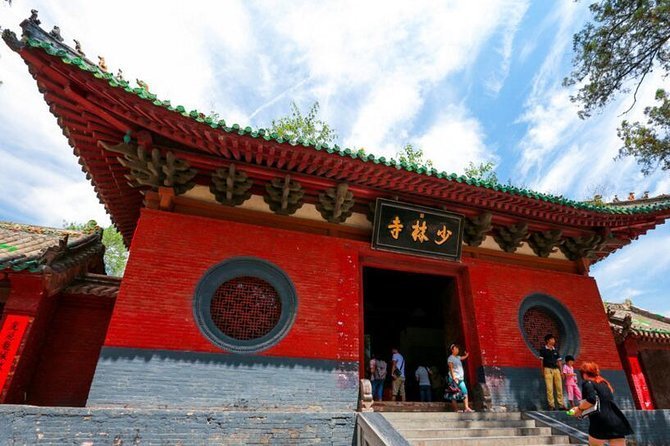
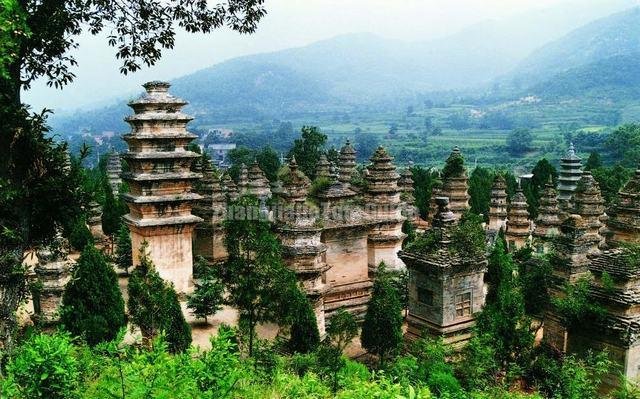
This is an excellent destination for travelers who want their heritage trip to feel active rather than purely museum-like. One moment you are looking at centuries of Buddhist stone carving, the next you are in the orbit of martial arts history. It is hard to call that boring. Nearly impossible, in fact.
Eastern China deserves more space in the article too, especially for travelers who want a slower, more atmospheric heritage route.
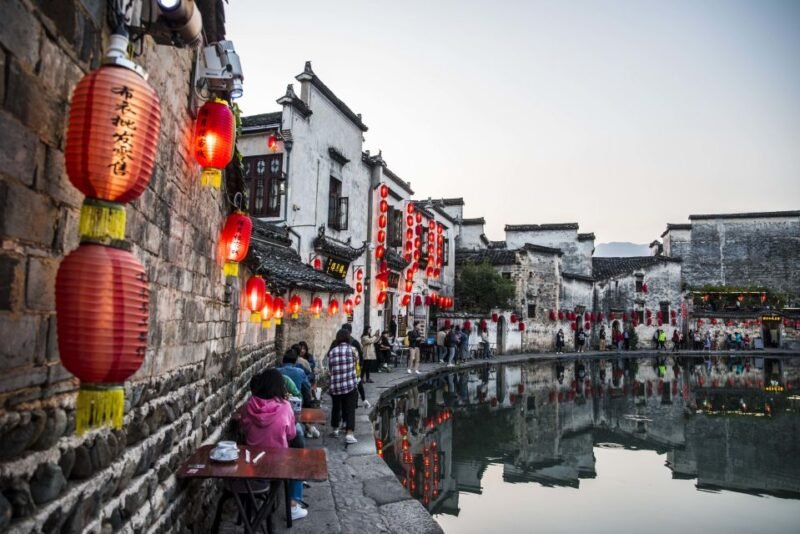
YellowBirdTour 3 Days Huangshan and Hongcun Tour is one of the strongest examples. The itinerary combines Mount Huangshan with the famous village of Hongcun, and YellowBirdTour explicitly states that Hongcun was listed as a World Heritage site by UNESCO. YellowBirdTour states that Hongcun, the 900-year-old village included in the tour, was listed as a World Heritage site by UNESCO.
The tour summary also refers to UNESCO-listed Hongcun Village and presents it as part of a three-day route with Mount Huangshan, Bright Summit, Flying-over Rock, and Tunxi Ancient Street. YellowBirdTour describes Hongcun Village as UNESCO-listed and combines it with Mount Huangshan and Tunxi Ancient Street in this itinerary. YellowBirdTour 3 Days Huangshan and Hongcun Tour includes Mount Huangshan, Beginning-to-believe Peak, Brush Pen Peak, West Sea Grand Canyon, and Hongcun.

This is where a China UNESCO World Heritage Sites itinerary starts to feel painterly rather than monumental. Beijing gives you symmetry and state power. Huangshan and Hongcun give you mist, village lanes, old roofs, stone bridges, and that deeply satisfying feeling that you have walked into the inside of a traditional Chinese ink painting.
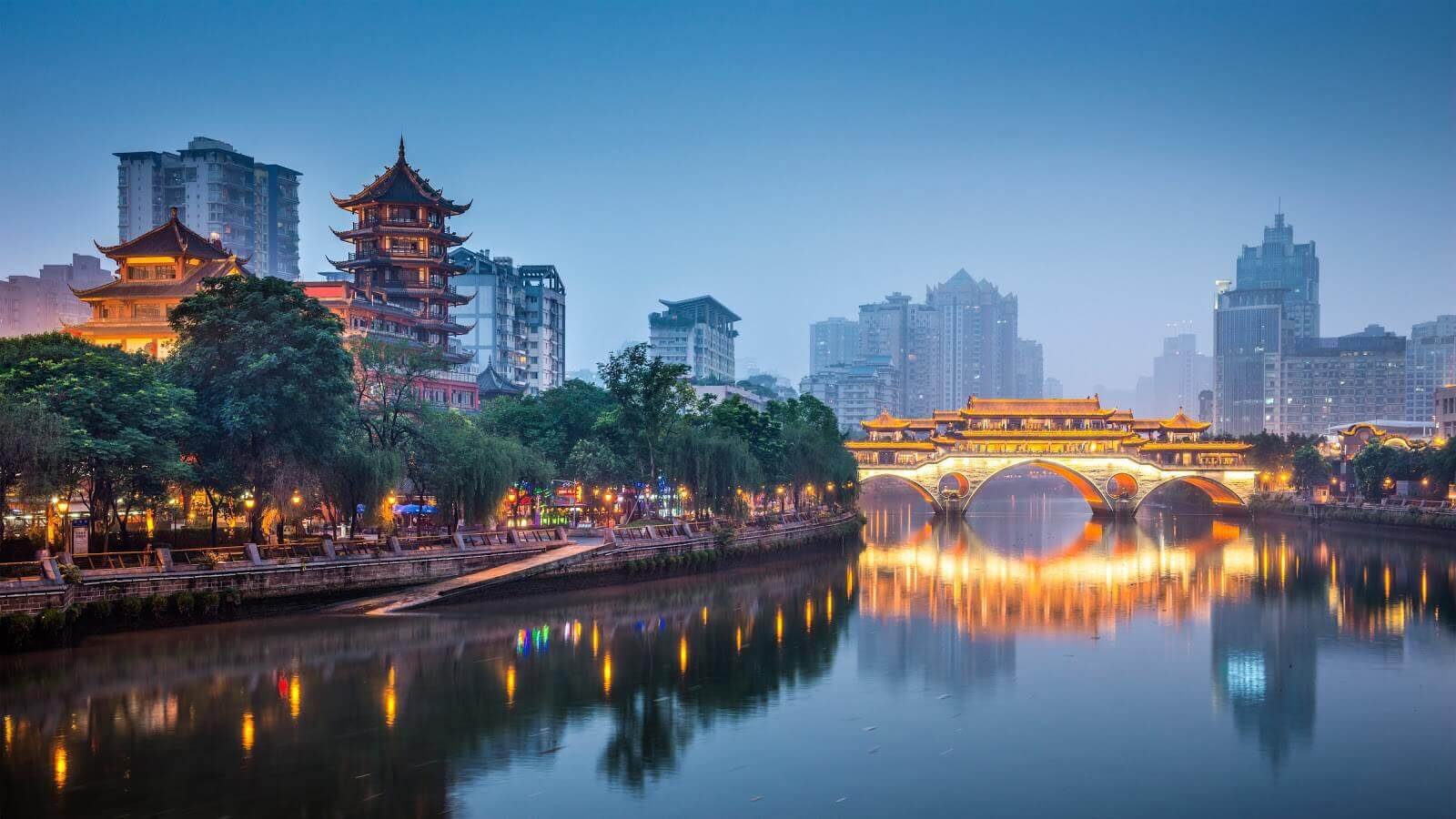
If your map includes natural heritage as well as cultural heritage, then western Sichuan should definitely be part of the article.
YellowBirdTour 7 Days Jiuzhaigou and Chengdu Tour is especially useful because it explicitly identifies Jiuzhaigou as a UNESCO World Heritage Site known for its turquoise lakes, tiered waterfalls, and colorful Tibetan villages. YellowBirdTour describes Jiuzhaigou as a UNESCO World Heritage Site known for its turquoise lakes, tiered waterfalls, and colorful Tibetan villages.
That same itinerary also includes the Leshan Giant Buddha and Mount Emei, giving travelers a richer Sichuan route rather than a one-site stop. YellowBirdTour 7 Days Jiuzhaigou and Chengdu Tour includes a day trip to Leshan and Mount Emei.

For travelers who want a shorter Sichuan experience, YellowBirdTour also offers the 3 Days Chengdu and Leshan Buddha Tour. YellowBirdTour offers a 3 Days Chengdu and Leshan Buddha Tour.
This part of China works beautifully in a heritage article because it expands the idea of what heritage means. Heritage is not only palaces and old capitals. Sometimes it is a valley so vividly blue and green that your camera gives up and mutters, “Honestly, you just had to be there.”

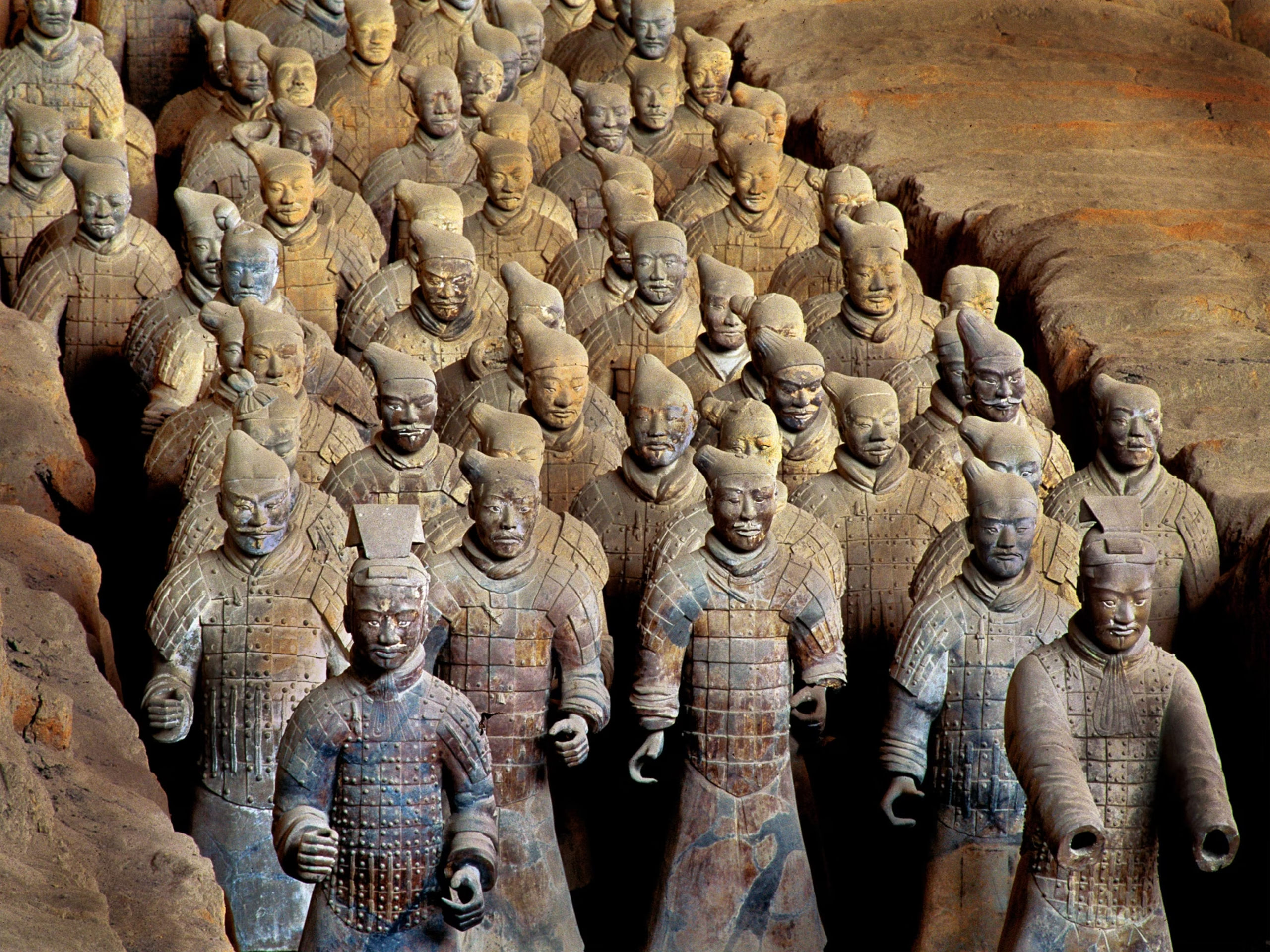
A heritage article about China feels incomplete without Xi’an.
YellowBirdTour 3 Days Xi’an Terracotta & Food Tour is the natural anchor here. The itinerary includes the Terracotta Warriors, Xi’an City Wall, Bell and Drum Tower Square, Big Wild Goose Pagoda, and a food experience in the Muslim Quarter. YellowBirdTour itinerary includes the Terracotta Warriors, Xi’an City Wall, and Bell and Drum Tower Square. YellowBirdTour summary also includes Big Wild Goose Pagoda and a food tour along Muslim Street.

Xi’an gives a China UNESCO World Heritage Sites itinerary something extremely valuable: archaeological weight. Beijing feels imperial and political. Lhasa feels sacred. Huangshan feels poetic. Xi’an feels foundational — the kind of place where the long arc of Chinese civilization steps forward and taps you on the shoulder.
And then politely offers you noodles.
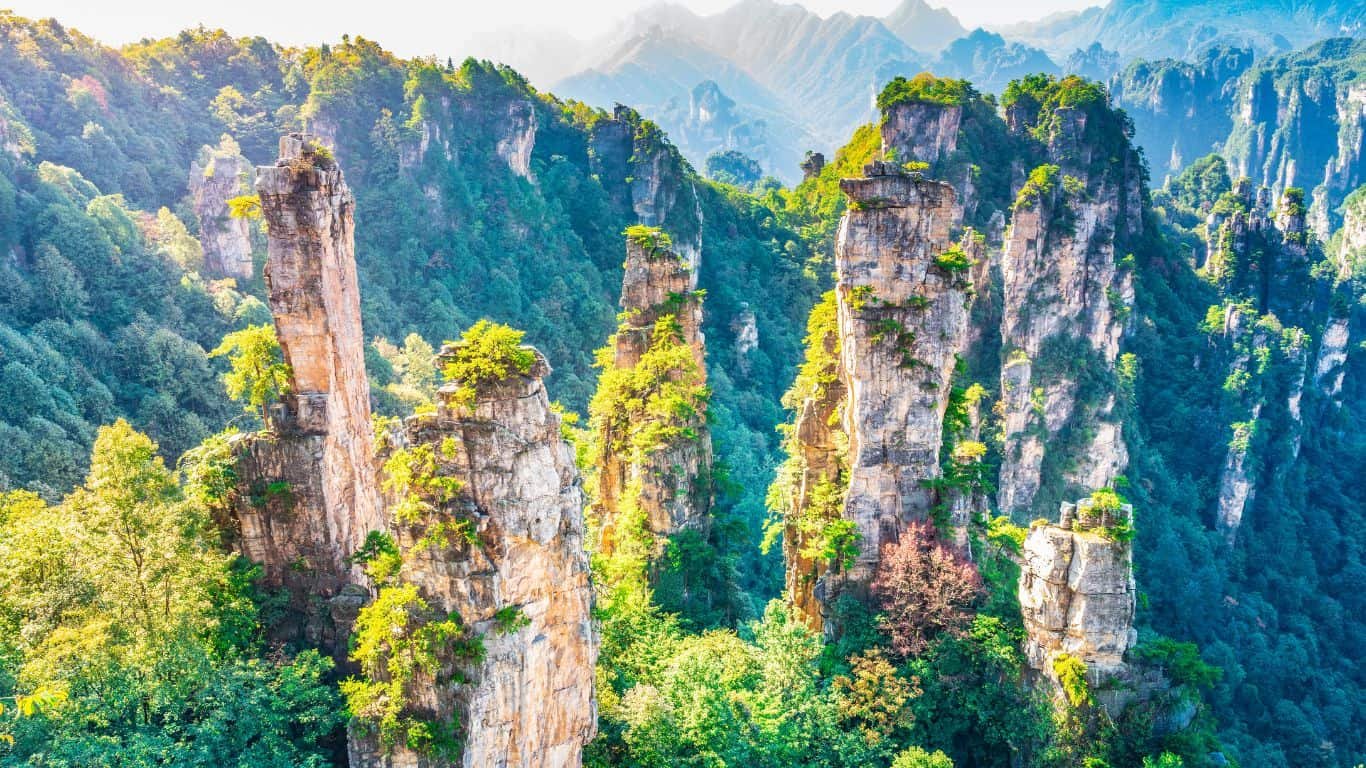
For travelers whose idea of heritage includes extraordinary landscapes as much as dynasties and temples, Zhangjiajie is another destination worth naming clearly in the article.
YellowBirdTour offers both a 4 Days Zhangjiajie Tourand a 5 Days Zhangjiajie “Avatar Mountains” and Fenghuang Ancient Town itinerary. The longer route includes Zhangjiajie National Forest Park, Yuanjiajie, Tianzi Mountain, Golden Whip Brook, Zhangjiajie Grand Canyon, Tianmen Mountain, and Fenghuang. YellowBirdTour highlights Zhangjiajie National Forest Park, Yuanjiajie, Tianzi Mountain, Golden Whip Brook, Zhangjiajie Grand Canyon, Tianmen Mountain, and Fenghuang in its 5-day itinerary. YellowBirdTour also offers a 4 Days Zhangjiajie Tour.
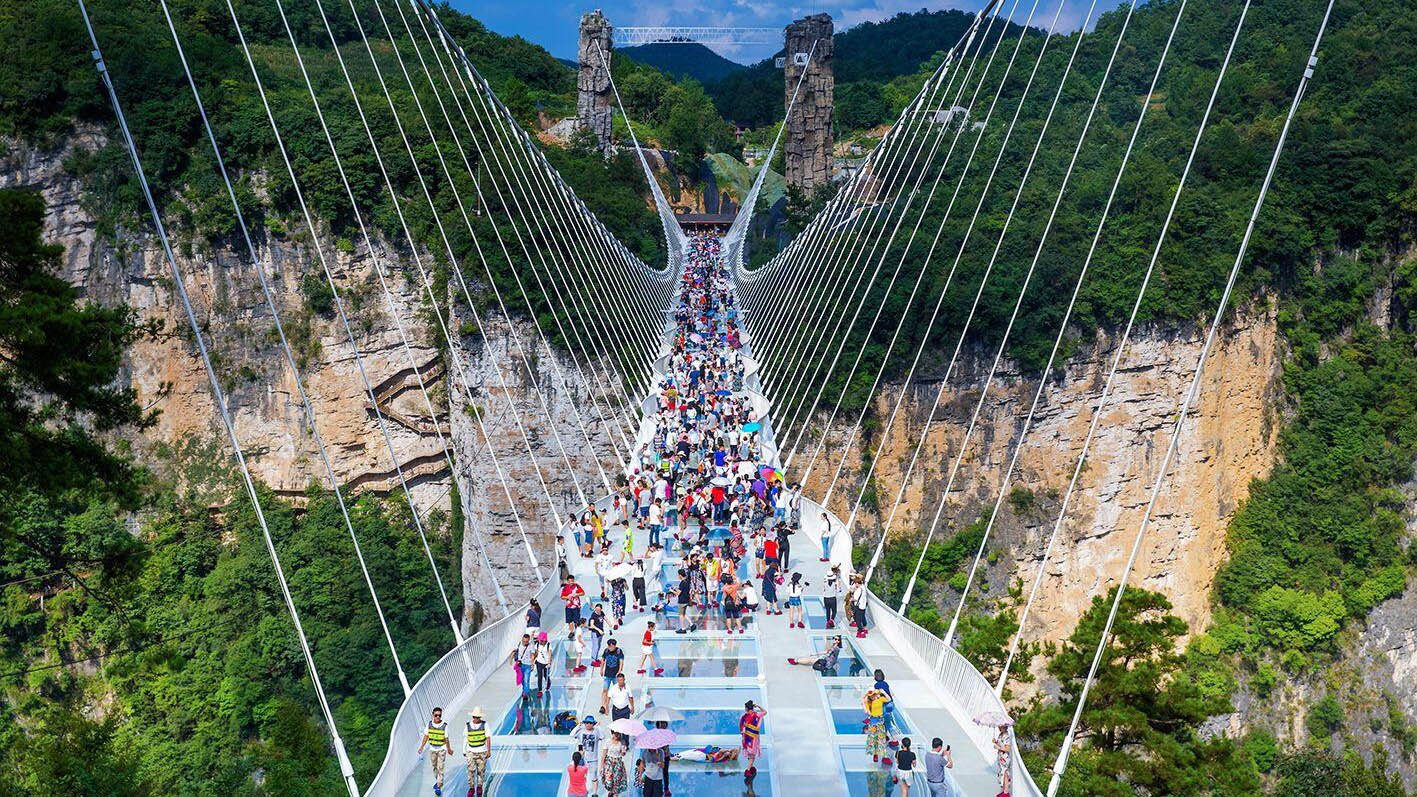

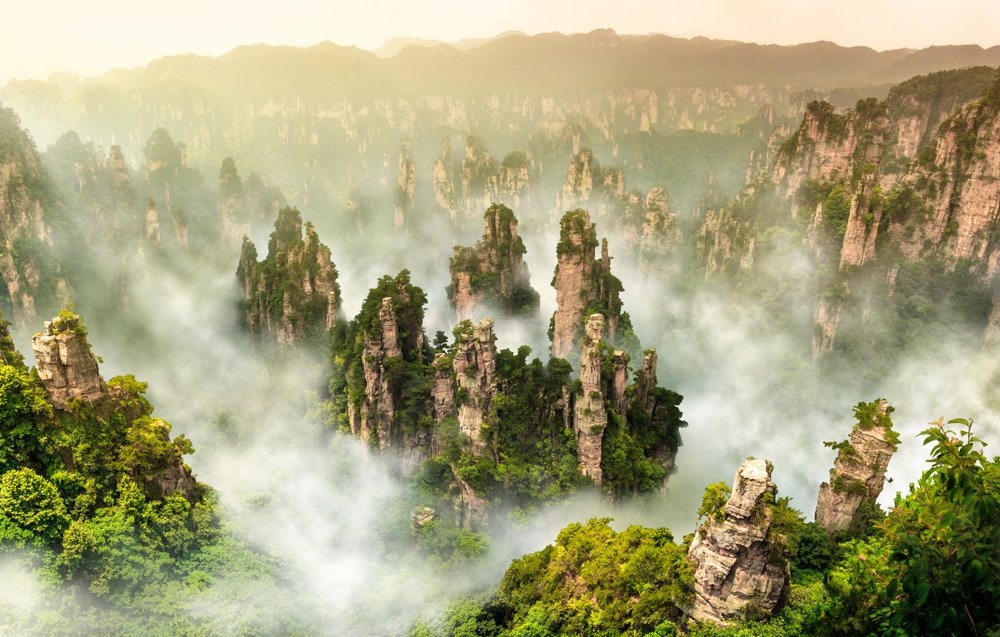
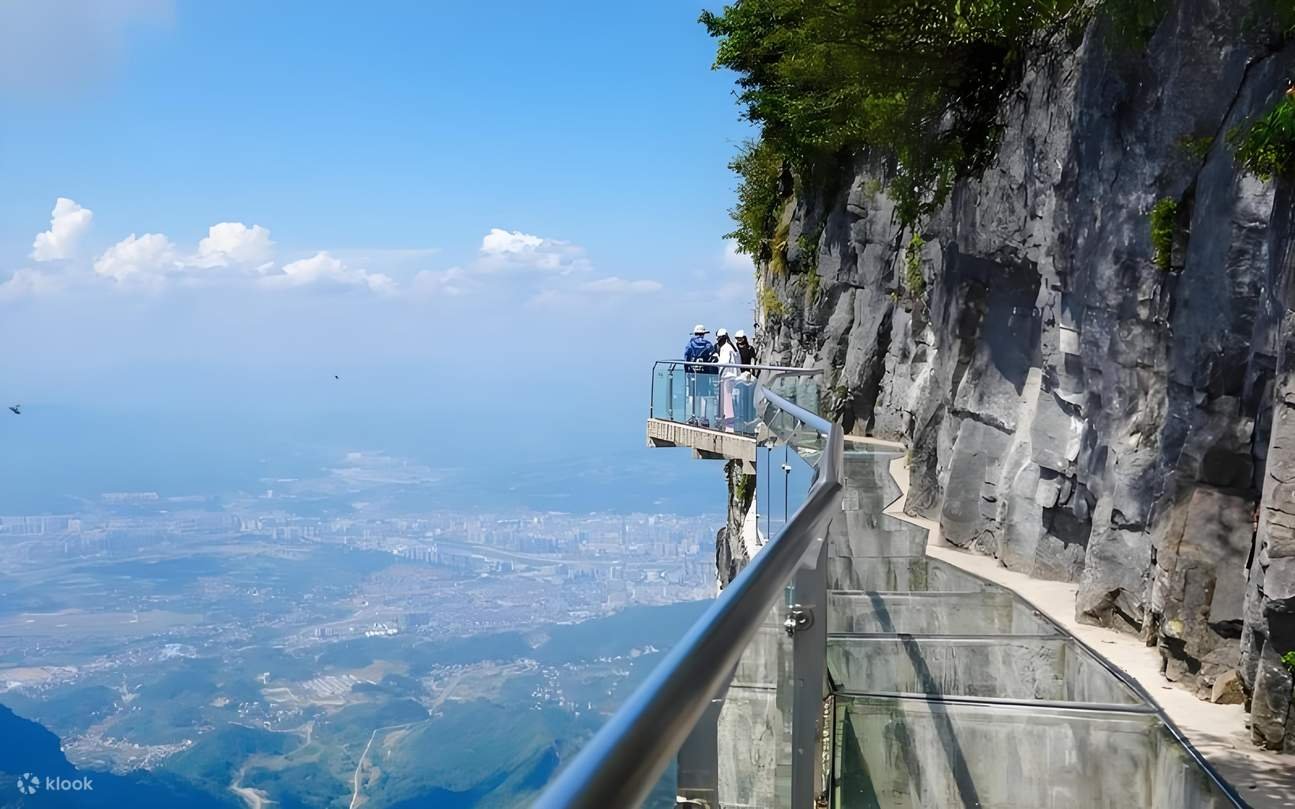
This section matters because it broadens the article beyond capitals and monuments. Not every traveler searching for China UNESCO World Heritage Sites wants only courtyards and carved halls. Some want cliffs, cloud seas, steep trails, and the kind of scenery that makes you temporarily forget your password, your schedule, and possibly your own name.
That is a valid travel style too.

If you want to connect China UNESCO World Heritage Sites with real, bookable routes, YellowBirdTour gives you far more than one Beijing example.
Best for:
Best for:
Best for:
Best for:
Best for:
Best for:
Best for:
One of the biggest mistakes travelers make in China is trying to turn the country into a checklist.
It never works.
China is too large, too layered, and too emotionally varied for that. A strong China UNESCO World Heritage Sites itinerary should not aim to see everything. It should aim to create rhythm.
A good route usually balances:
For example:
Beijing + Xi’an + Huangshan/Hongcun
Best for travelers who want:
Beijing + Lhasa + Luoyang
Best for travelers who want:
Huangshan + Jiuzhaigou/Chengdu + Zhangjiajie
Best for travelers who want:
And if your interests do not fit neatly into one box, YellowBirdTour flexible planning approach helps. The company states that every tour can be adapted to the traveler’s needs, which is especially useful when you want to combine multiple regions into one heritage-focused journey.
Some of the strongest cities and regions to include are Beijing, Lhasa, Luoyang, Huangshan, Hongcun, Jiuzhaigou, Chengdu, Xi’an, and Zhangjiajie. In YellowBirdTour current tour lineup, these destinations connect with routes that include UNESCO-identified sites, major heritage landmarks, or both.
The strongest option is the 4 Days Beijing Classic Tour, because it includes the Summer Palace, which YellowBirdTour explicitly describes as a UNESCO World Heritage Site, along with major Beijing landmarks such as the Forbidden City and Mutianyu Great Wall.
Several Tibet routes are relevant, but the clearest examples are the 4-Day Lhasa City Tour, the 5-Day Lhasa & Yamdrok Lake Tour, and longer routes such as the 8 Days Lhasa to Everest Base Camp Tour, where YellowBirdTour explicitly identifies Jokhang Temple as a UNESCO World Heritage Site.
Yes. YellowBirdTour offers the 3 Days Shaolin Kung Fu Experience and Luoyang Grottoes, and the tour page describes Longmen Grottoes as a UNESCO World Heritage Site renowned for its thousands of Buddha statues and intricate carvings.
The 3 Days Huangshan and Hongcun Tour does. YellowBird explicitly states that Hongcun was listed as a World Heritage site by UNESCO and includes it alongside Mount Huangshan and Tunxi Ancient Street.
Yes. YellowBirdTour 7 Days Jiuzhaigou and Chengdu Tour describes Jiuzhaigou as a UNESCO World Heritage Site and combines it with other Sichuan highlights such as Leshan and Mount Emei.
Yes. That is actually one of the strongest ways to plan the trip. YellowBirdTour routes make it possible to expand beyond Beijing into Lhasa, Luoyang, Huangshan, Jiuzhaigou, Xi’an, and Zhangjiajie, depending on whether you prefer imperial sites, sacred culture, villages, mountains, grottoes, or archaeology.
A local guide helps you understand the meaning of the places, not just the names. YellowBirdTour emphasizes English-speaking local guides, local expertise, and support before and during the trip, which can make heritage travel smoother and far more rewarding.
If your ideal trip to China includes history, atmosphere, architecture, landscapes, and places that carry real cultural weight, then building your route around China UNESCO World Heritage Sites is one of the best travel decisions you can make.
But the real key is not choosing one famous place.
It is choosing the right combination.
And with YellowBirdTour, those places do not have to remain points on a map. They can become a route — one shaped by local guidance, real logistics, and the kind of travel rhythm that lets heritage feel alive rather than rushed.
Because China is not a destination you simply tick off.
It is a destination you unfold.
⚠ China autumn travel alert: September–October 2026 China has two major public holiday periods coming
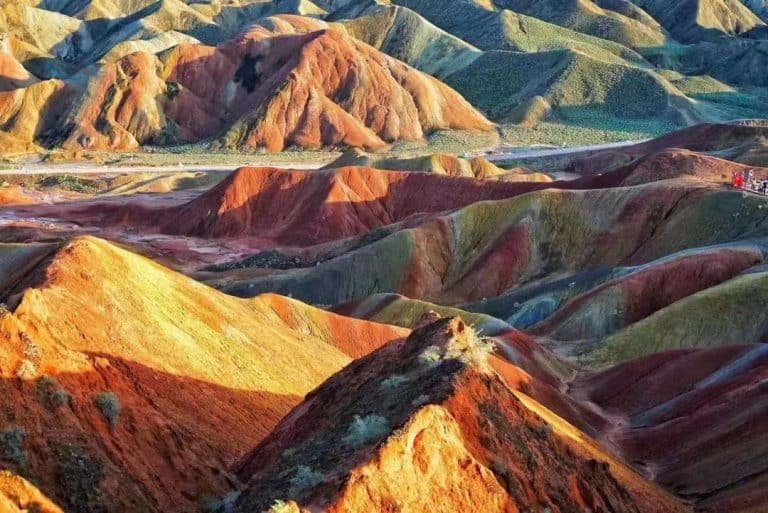
Explore the Silk Road and Qinghai Lake. Uncover ancient history, vibrant cultures, and breathtaking scenery. Begin your unforgettable journey now!
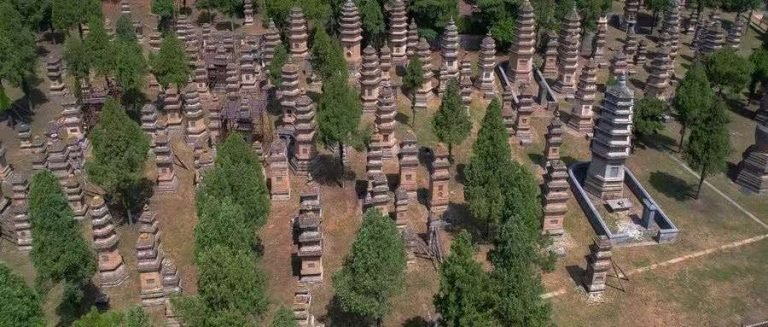
Can you visit Shaolin Temple and Longmen Grottoes on the same trip? Absolutely. Both are

Qinghai Lake or Chaka Salt Lake? If you’re planning a trip through northwest China, you’ve

The China trip cost question is the one everyone Googles before booking, and almost nobody

Introduction: Major News for International Travelers Great news for globetrotters! China has just announced a