
Travel through Asia
Chongqing: The Largest City in the World — And Why You Need to Visit It
Most travelers plan their China trip around Beijing or Shanghai. But there’s a city of

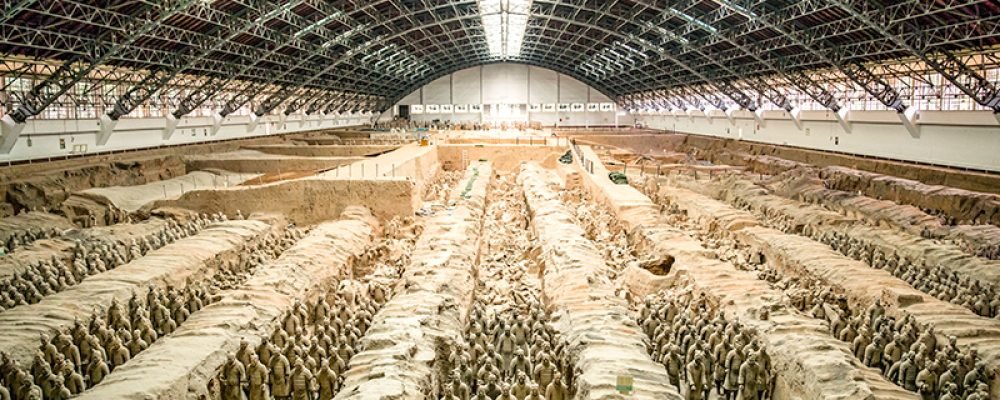

If you’re googling how to visit the Terracotta Warriors in Xi’an, you’re probably in one of two moods: either “This is a once-in-a-lifetime thing, don’t let me mess it up,” or “I’m in Xi’an anyway—how big of a deal is it really?” Good news: it’s a big deal, and it’s also totally doable without stress if you know what you’re walking into.
This guide is written for real travellers (not history professors, no offence to history professors). You’ll get the key curiosities, what the site actually feels like, what to prioritise, and how to turn the Terracotta Warriors from a box-tick into a full Xi’an experience.
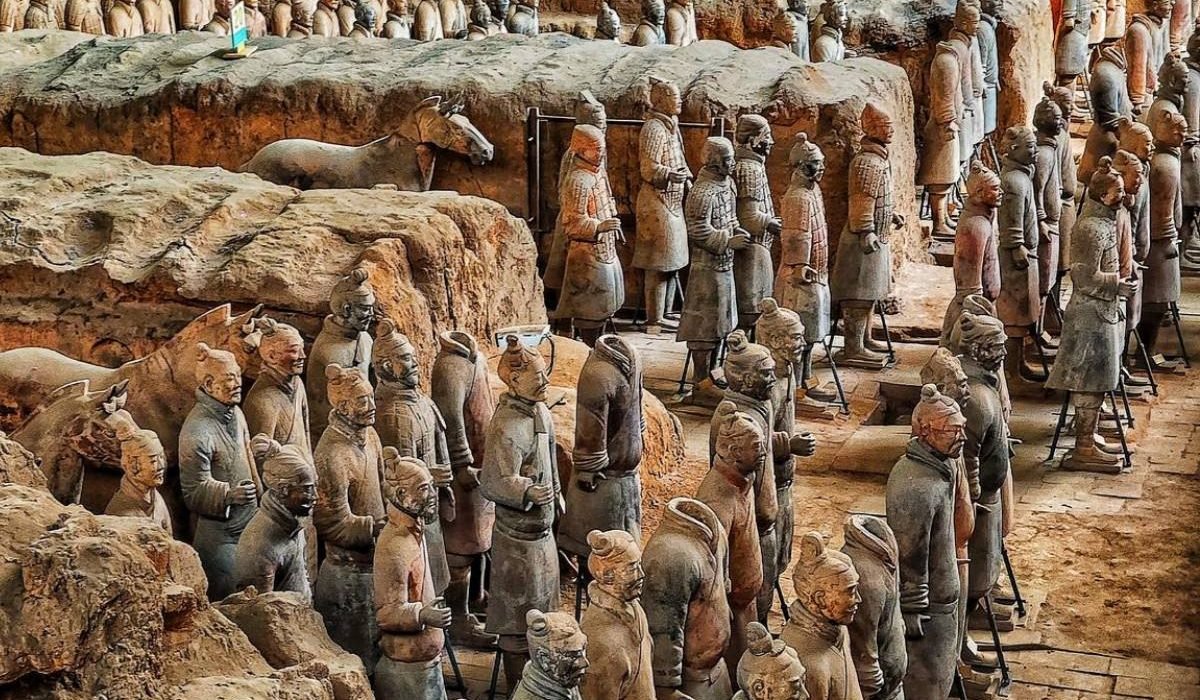
Pretty much, yes—travellers use both names.
So if your search results are mixing terms, don’t worry—you’re not missing a secret second attraction.
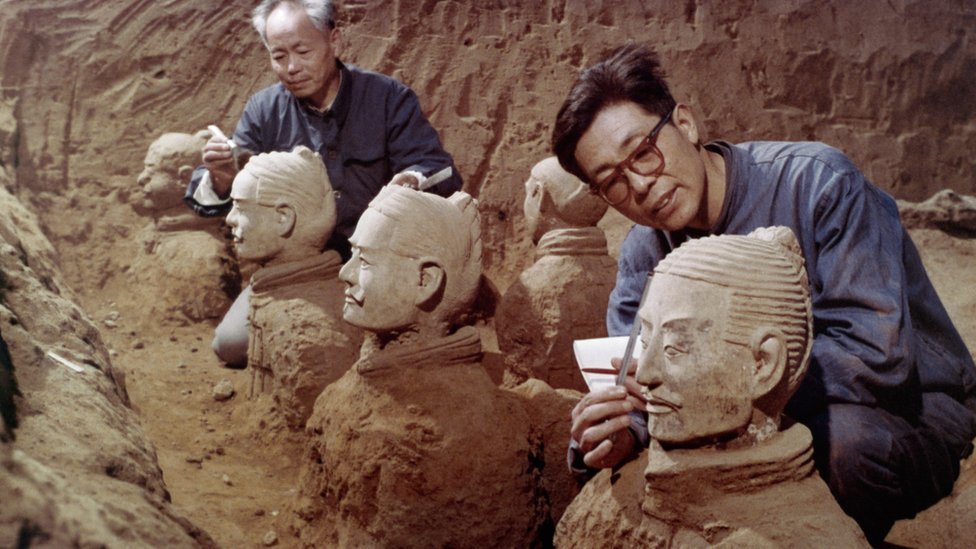
The Terracotta Warriors were created for China’s first emperor, Qin Shi Huang, as part of a massive burial project meant to guard him in the afterlife. The mind-bending part isn’t just the scale—it’s the ambition behind it: a whole army, arranged for eternity, made of clay but designed like a real military force.
Then came the plot twist: the warriors were rediscovered in 1974, turning what had been hidden underground for centuries into one of the world’s most iconic archaeological sites.
If you like travel curiosities, here’s one that hits hard in person: this isn’t “a few statues in a room.” It’s a giant complex where you’re looking across ranks of figures like you’ve stepped into a time portal.

A lot of articles tell you it’s “amazing” (true) but forget to tell you what your visit will actually feel like:
Expect a proper sightseeing environment: walking, signage, crowds at viewpoints, and a few “move slightly left to see what you came for” moments.
This surprises people. You’re not walking among warriors like it’s a movie set. You’re viewing excavation areas (the pits) from designated paths and platforms.
The Terracotta Warriors are one of China’s most famous sights. That means you’ll want a plan: what to see first, where to spend your time, and what not to overthink.

Most visitors hear “three pits” and think it’s just three rooms with similar stuff. Not quite.
This is the main event for most people—the place that delivers the biggest first impression. If you only have energy for one pit, this is usually it.
Pit 2 is often where people start noticing the differences in roles and formation. It’s the pit that rewards you if you’re even slightly curious about how the army was structured.
Pit 3 tends to feel more intimate. It’s not the biggest, but it helps you understand the site as a planned military concept, not just a giant photo opportunity.
If you’re short on time, prioritise Pit 1 + Pit 2. If you want the full story arc, do all three.

You don’t need a minute-by-minute itinerary. You just need a strategy.

This is where your experience level-ups from “I saw it” to “I get why it’s famous.”
Even if you’re not into art, you’ll probably catch yourself looking for differences—faces, posture, details. It’s one of the reasons the site feels so human, not just monumental.
This is an active legacy, not a frozen museum piece. The feeling you get is: we’re still learning, still uncovering, still interpreting.
The bigger idea is power, belief, and how an empire wanted to be remembered. It’s history, propaganda, and spirituality all rolled into one—just, you know, in clay.

You can visit independently. But a good local guide makes a huge difference because they’ll help you:
This is one of those places where context = experience. Otherwise, it’s easy to spend the whole time thinking, “Okay, cool… but what am I looking at exactly?”

Xi’an isn’t a one-attraction city. Pairing the warriors with the right spots turns your trip from “day trip” into “proper city break.”
Here are classic pairings that work really well:

It gives you the skyline, the scale of the old city, and a totally different vibe from the museum site.

A central, energetic area that feels like Xi’an’s heartbeat—great to visit when you want atmosphere.

One of the most iconic cultural landmarks in the city, and a strong contrast to the Qin-era story.

Even people who claim they “don’t travel for food” suddenly become very interested in travelling for food here.

If you want a simple structure:
City Wall + Bell/Drum Tower area. Easy win, minimal effort, maximum “I’m in Xi’an!” feeling.
Do the pits with a plan, take breaks, and focus on quality over rushing.
Big Wild Goose Pagoda, then finish with the Muslim Quarter / street food vibe.
It’s balanced: ancient wonders + living city + great eats.

If you’d rather not juggle planning and logistics, YellowBirdTour runs a 3 days Xi’an Terracotta & Food Tour with an English-speaking local guide, available as small group or private. The tour highlights include Terracotta Warriors, Xi’an City Wall, Bell and Drum Tower Square, Big Wild Goose Pagoda, and a Muslim Street Food Tour—so you get the headline sight and the best of Xi’an around it.
Price: $358 (seasonal variation may apply).
Tour link: https://www.yellowbirdtour.com/tours/3-days-xian-terracotta-food-tour/
Yes—if you like history, big sights, or simply seeing something that genuinely has no equivalent elsewhere. It’s one of those places where the scale hits you in person.
Most travellers say the main pit delivers the biggest “wow.” If you can, add the pit that offers more variety for a fuller experience.
Definitely. Xi’an City Wall, Bell and Drum Tower Square, Big Wild Goose Pagoda, and the Muslim Quarter food scene are natural pairings—especially if you have 2–3 days in the city.
Independent works if you’re comfortable navigating and you like reading as you go. A guided visit is better if you want context, smoother pacing, and a more complete story without doing homework.
Most travelers plan their China trip around Beijing or Shanghai. But there’s a city of

“Are we really here?” That’s the question Janie kept asking herself as she and her
Picture this: you’re standing at the edge of a desert at golden hour. In front
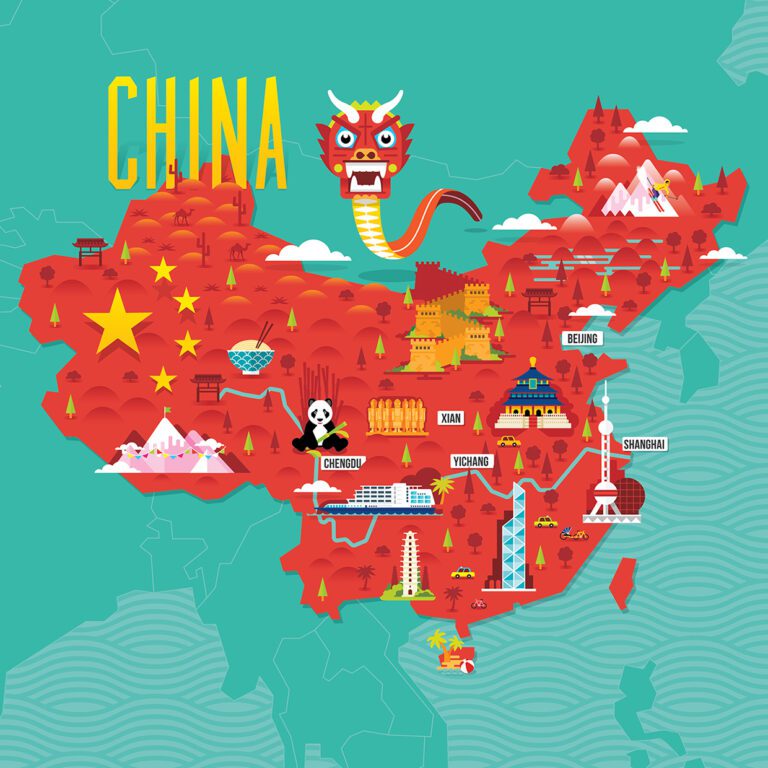
Most travelers think of China tour package from Kathmandu Nepal. The place where trekkers collapse

A good Sanya itinerary 5 days should feel like a vacation, not a logistics exam.

If you’ve ever seen a classical Chinese ink painting — misty limestone peaks rising vertically