 English
Travel through Asia
China in September & October 2026: Golden Week, Weather & Best Places
⚠ China autumn travel alert: September–October 2026 China has two major public holiday periods coming
 EnglishEnglish
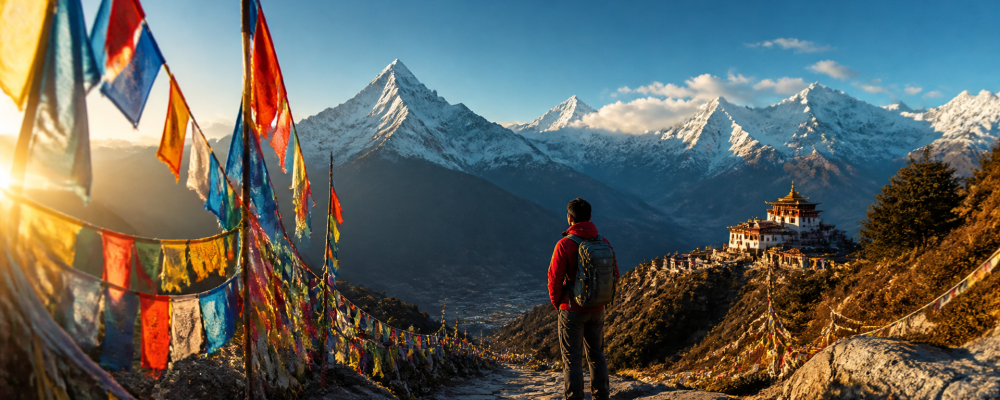

A Himalayan grand tour is the kind of journey most travelers dream about for years before they actually do it. Four countries. One unbroken arc of mountains, monasteries, ancient trade routes, and landscapes so vast they make you feel small in the best possible way.
This guide covers everything you need to plan yours: which countries to combine, how long to spend in each, the best routes and entry points, permit requirements, the ideal season to travel, and the real itinerary options available in 2026.

A Himalayan grand tour is a multi-country journey that connects the great destinations of the Himalayan region into a single itinerary. At its core, it typically combines:
What makes a Himalayan grand tour different from booking four separate trips is the overland continuity — the ability to cross from country to country on land, following the ancient routes that connected these civilizations for thousands of years.
YellowBird Tour has documented exactly this journey in the form of Janie and Stan’s real 32-day Bhutan, Nepal and Tibet itinerary — and this guide builds on that real-world experience with every planning detail you need.

China is the most logistically flexible component of any Himalayan grand tour. It can anchor the beginning of your journey (flying into Beijing, Xi’an, or Chengdu) or serve as your exit point after crossing overland from Nepal or Tibet.
What China adds to your Himalayan grand tour:
For travelers who want to incorporate China’s western frontier, the Silk Road Tour China runs through Gansu and Qinghai provinces — a natural geographic transition into the Tibetan Plateau. And if your itinerary includes multiple Chinese cities, the China Multi-City Tour guide breaks down exactly which cities to prioritize and in what order.
Minimum days recommended: 5–7 days for a highlights circuit; 10–14 days if including the Silk Road.

No Himalayan grand tour is complete without Tibet. The overland route from Kathmandu through the Gyirong Border crossing into Tibet is nothing short of legendary — crossing the Himalayas on roads that cling to cliff faces, with Everest revealing itself on the horizon.
What Tibet adds to your Himalayan grand tour:

Permits required: A Tibet Travel Permit is mandatory for all foreign visitors. This permit must be arranged through a licensed tour operator and cannot be obtained independently. YellowBird handles all permit arrangements as part of every Tibet package.
Minimum days recommended: 7–10 days for Lhasa + Yamdrok + Shigatse; 12–14 days to include Everest Base Camp.

Nepal is the geographical hinge of any Himalayan grand tour — the country where China/Tibet to the north and India to the south meet, and where the Himalayas are most accessible to international travelers.
What Nepal adds to your Himalayan grand tour:
Nepal also serves as the most common entry point from the west for a Himalayan grand tour. The China Tour from Kathmandu guide covers every route option for crossing from Nepal into Tibet and onwards into China in full detail.
Minimum days recommended: 5–7 days for Kathmandu + Pokhara circuit.
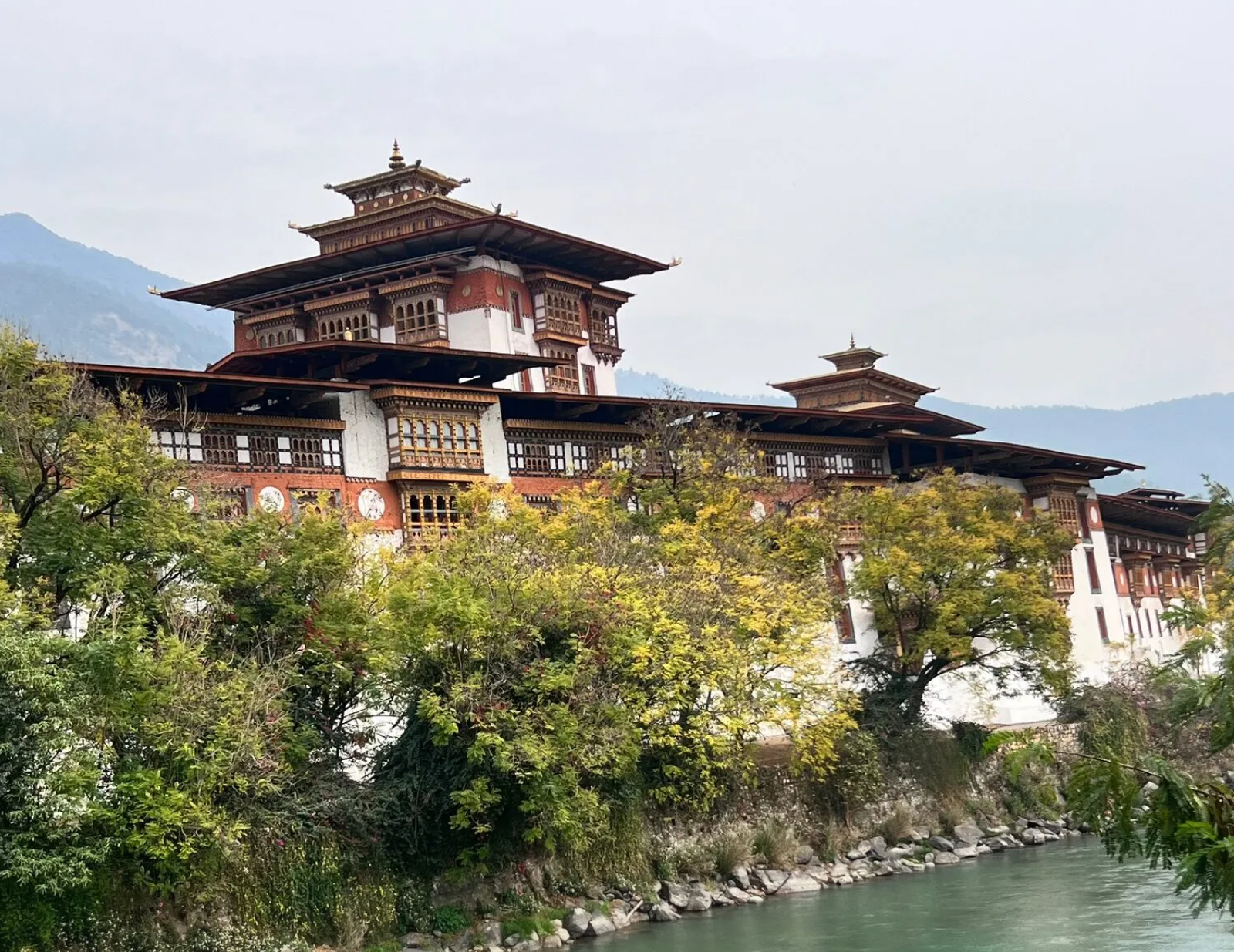
Bhutan is the most exclusive destination in the Himalayan grand tour — and often the most transformative. Bhutan tours are led by knowledgeable local guides who provide authentic insights into one of the world’s most carefully preserved cultures.
What Bhutan adds to your Himalayan grand tour:
Note: Bhutan charges a Sustainable Development Fee (SDF) for all international visitors. Confirm current rates before booking as they are subject to change.
Minimum days recommended: 5–7 days for a meaningful Bhutan experience.
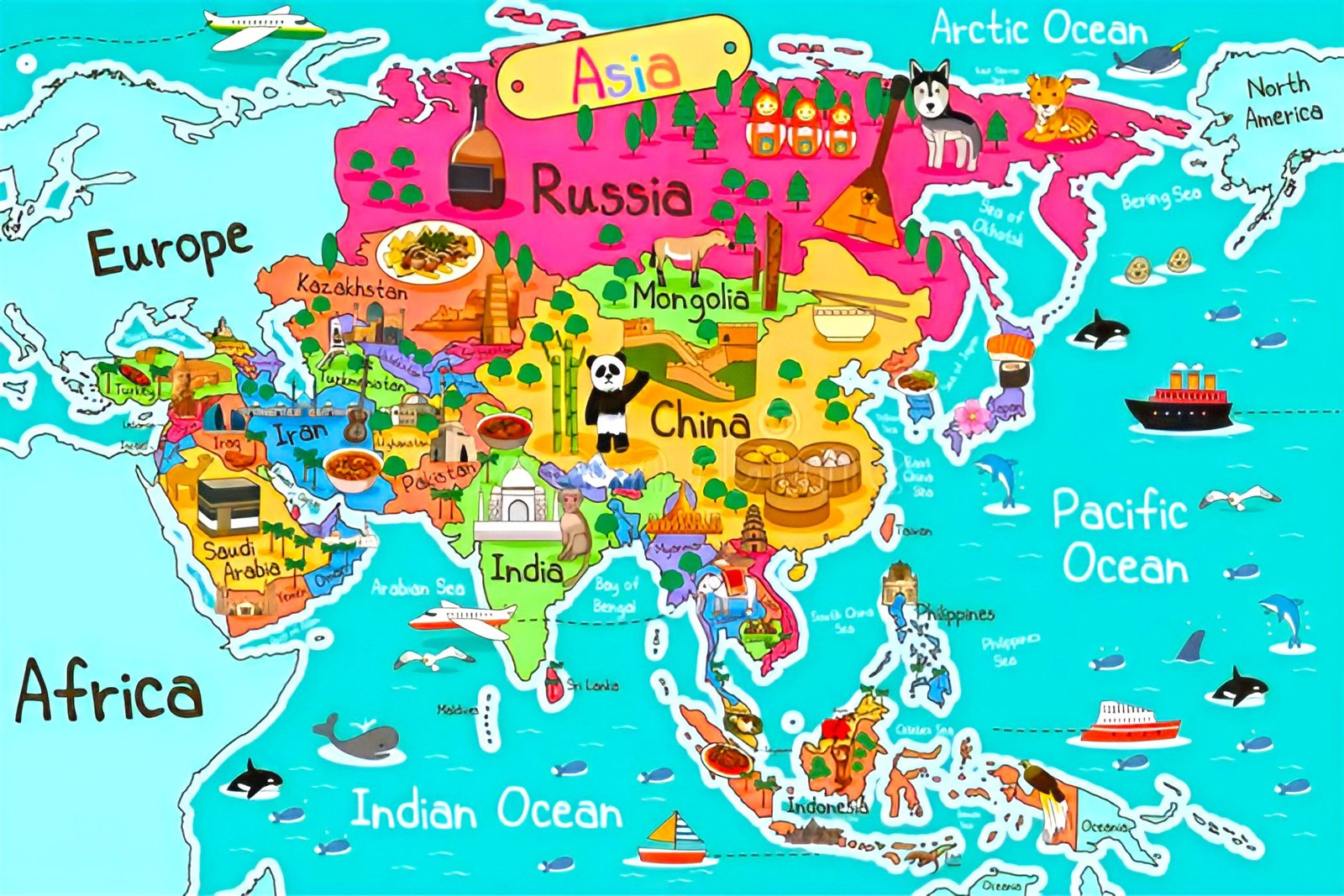
The geography of the Himalayan grand tour naturally suggests two main route directions:
Xi'an → Dunhuang → Lhasa → Yamdrok → EBC → Kathmandu → Pokhara → Paro (Bhutan)Best for: Travelers flying into China and exiting from Bhutan or India.
Highlight: The Tibet Railway from Xining or Chengdu provides one of the world’s great train journeys AND the best natural acclimatization to altitude.
Reference tour: China Tour from Kathmandu
Paro (Bhutan) → Kathmandu → Gyirong Border → Lhasa → Shigatse → EBC → Chengdu/Xi'anBest for: Travelers flying into South Asia and exiting through China.
Highlight: You ascend gradually through the spiritual kingdoms before the dramatic overland crossing into Tibet.
Reference tour: Bhutan Nepal Tibet 32-Day Journey
Beijing → Xi'an → Chengdu → Lhasa (train) → Kathmandu (overland) → Bhutan → fly homeBest for: Travelers who want China’s classic cities before the Himalayan immersion.
Highlight: The Chengdu to Lhasa train is one of the greatest rail journeys on Earth — and gives your body 44+ hours to acclimatize before arriving at 3,656m.
Reference tours: China Multi-City Tour + Silk Road extension
| Duration | What’s Included | Best For |
|---|---|---|
| 14–16 days | Tibet essentials + Nepal + brief Bhutan | Travelers with limited holiday time |
| 21–23 days | Full Tibet + Nepal + Bhutan (no Silk Road) | Most first-time Himalayan grand tour travelers |
| 28–32 days | Tibet + Nepal + Bhutan + China highlights | The most complete Himalayan grand tour experience |
| 35–40 days | Full Silk Road + Tibet + Nepal + Bhutan | Ultimate itinerary for dedicated long-haul travelers |
The real-world 32-day Bhutan, Nepal and Tibet journey documented by Janie and Stan is one of the most complete Himalayan grand tour itineraries available— and serves as the benchmark for the 28–32 day version.
Timing a Himalayan grand tour across four countries requires balancing the weather windows of each destination:
| Country | Best Months | Avoid |
|---|---|---|
| China (cities) | Mar–May, Sep–Nov | Jul–Aug (heat + crowds) |
| China (Silk Road) | Apr–Oct | Nov–Feb (extreme cold) |
| Tibet | Apr–Jun, Sep–Oct | Jul–Aug (monsoon plateau) |
| Nepal | Mar–May, Oct–Nov | Jun–Aug (monsoon) |
| Bhutan | Mar–May, Sep–Nov | Jun–Aug (heavy rain) |
The sweet spot for a full Himalayan grand tour: April–May or September–October
Both windows align across all four countries simultaneously — the only periods where China, Tibet, Nepal, and Bhutan are all at or near their best conditions at the same time.

| Country | Document Required | How to Obtain |
|---|---|---|
| China | China Visa (most nationalities) or visa-free entry | Chinese embassy or via tour operator |
| Tibet | Tibet Travel Permit (mandatory, all foreigners) | Through licensed tour operator only — YellowBird handles this |
| Nepal | Tourist Visa on arrival or e-Visa | Nepal immigration / online |
| Bhutan | Bhutan Visa + Sustainable Development Fee | Through licensed Bhutanese tour operator |
⚠️ Critical planning point: The Tibet Travel Permit cannot be obtained independently and must be arranged through a licensed operator. This requires confirming your full itinerary, travel dates, and documentation in advance — making early booking essential for a Himalayan grand tour that includes Tibet.
Here’s a practical 21-day framework that balances all four destinations:
| Days | Location | Highlights |
|---|---|---|
| 1–3 | Kathmandu, Nepal | Boudhanath, Pashupatinath, Durbar Square, acclimatization |
| 4–5 | Pokhara, Nepal | Annapurna views, Phewa Lake, rest before altitude gain |
| 6 | Gyirong border crossing | Overland into Tibet |
| 7–9 | Lhasa, Tibet | Potala Palace, Jokhang Temple, Sera Monastery |
| 10–11 | Yamdrok Lake + Shigatse | Tashilhunpo Monastery, holy lake panoramas |
| 12–14 | Everest Base Camp | North face Everest, Rongbuk Monastery at 5,100m |
| 15 | Fly Lhasa → Paro | Enter Bhutan |
| 16–17 | Paro + Thimphu, Bhutan | Tiger’s Nest Monastery, Rinpung Dzong |
| 18–19 | Punakha, Bhutan | Punakha Dzong, Chimi Lhakhang |
| 20–21 | Return to Paro | Flight home via Bangkok, Doha, or Chengdu |
YellowBirdTour is committed to small group travel — so you can explore at your own pace, connect better with your guides and fellow travelers, and experience Asia in a more genuine, less rushed way.
For a Himalayan grand tour, this matters enormously:
Can I do a Himalayan grand tour independently?
Parts of it — but not Tibet. Tibet requires a licensed tour operator, guide, and pre-arranged transport for all foreign visitors. Most travelers find that using a single operator like YellowBird for the full journey is far simpler than piecing together four separate country bookings.
What’s the minimum budget for a Himalayan grand tour?
Budget varies enormously by duration and style. Tibet and Bhutan both have mandatory costs (Tibet Travel Permit fees, Bhutan’s SDF). As a rough guide, allow a minimum of $150–200/day for a mid-range Himalayan grand tour including accommodation, guides, and permits — not including international flights.
Is a Himalayan grand tour suitable for first-time Asia travelers?
Yes, with the right operator. The altitude in Tibet (Lhasa sits at 3,656m) is the main physical consideration. YellowBird builds acclimatization days into every Tibet itinerary specifically for this reason.
What’s the difference between the 16-day and 32-day Himalayan grand tour?
The 16-day version covers Tibet + Nepal + Bhutan essentials at a comfortable pace. The 32-day version documented by Janie and Stan adds deeper exploration of each country, more remote destinations, and the full Silk Road option within China.
The Himalayas have been drawing travelers for centuries. The routes exist. The permits are manageable. The season windows are clear. All that’s left is putting it together.
Start with the destination that excites you most — whether that’s the Silk Road across China, the overland crossing from Kathmandu into Tibet, or the complete 32-day Himalayan circuit — and let YellowBird Tour handle the rest.
🌏 Browse All Himalayan Tours | 🏔️ Nepal Tours | 🇧🇹 Bhutan Tours | 🗺️ Tailor-Made Tours | 📩 Contact Us
⚠ China autumn travel alert: September–October 2026 China has two major public holiday periods coming
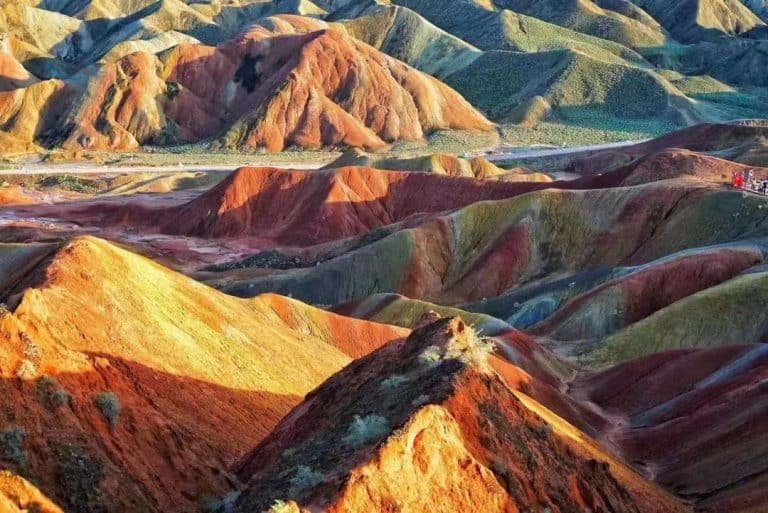
Explore the Silk Road and Qinghai Lake. Uncover ancient history, vibrant cultures, and breathtaking scenery. Begin your unforgettable journey now!

Can you visit Shaolin Temple and Longmen Grottoes on the same trip? Absolutely. Both are
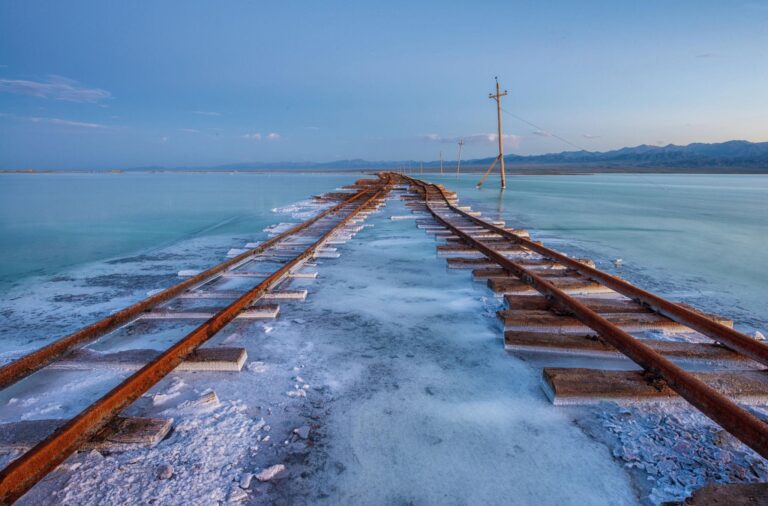
Qinghai Lake or Chaka Salt Lake? If you’re planning a trip through northwest China, you’ve
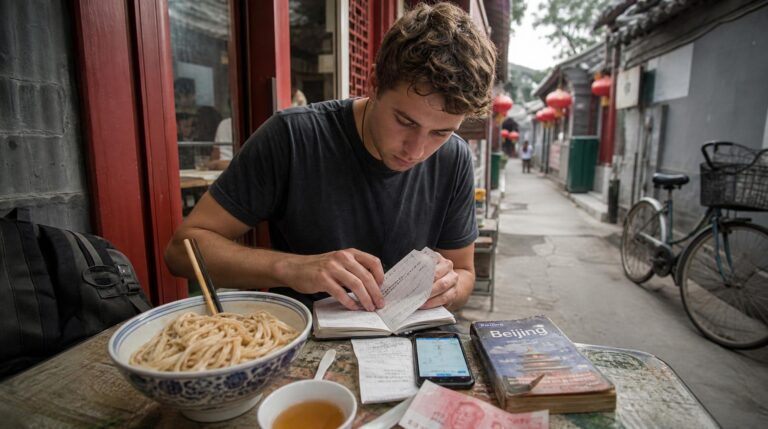
The China trip cost question is the one everyone Googles before booking, and almost nobody

Introduction: Major News for International Travelers Great news for globetrotters! China has just announced a


4 Comments
I am a solo traveller from UK England and would like to see your itinerary for 21 day tour & a 28day tour starting in china – tibet – nepal and finishing in Bhutan. can you give me the cost for both these tours. I am looking to go in june 2028. Thank you Diana
Hi Diana,
Thanks for following up! We’re delighted you’re exploring different options for your Himalayan Grand Tour.
You’re looking at two of our most popular multi-country frameworks:
21-day Himalayan tour: Full Tibet + Nepal + Bhutan (our most booked first-timer itinerary)
28-day Himalayan tour: Tibet + Nepal + Bhutan + China highlights (the most complete experience, closer to the 32-day route you asked about earlier)
Both routes follow the classic China to Tibet to Nepal to Bhutan direction you mentioned, which is the most logical flow for permits, acclimatization, and overland crossings.
For June 2028 pricing and detailed day-by-day itineraries for both the 21-day and 28-day options, we’ll email you a private comparison shortly. June is an excellent window for this route (post-monsoon clarity in Bhutan, ideal trekking conditions in Nepal, and open Tibetan plateau roads).
We also work with many solo travelers from the UK, so we can share how group joining and single supplements work for your travel dates.
Looking forward to helping you plan this!
Warm regards,
The YellowBirdTour Team
I am a solo traveller from UK England.
I am interested in the 32 day tour for May 2028. what would be the dates and prices for this tour. Does the tour start in China and end in Bhutan?kind regards
Diana
Hi Diana,
Thank you for your interest in the Himalayan Grand Tour! We’re thrilled you’re considering this incredible journey.
You’re absolutely right that the 32-day Himalayan tour covering China, Tibet, Nepal, and Bhutan is one of the most complete multi-country experiences we offer. It’s perfect for solo travelers from the UK looking for a fully supported, small-group adventure across the Himalayas.
For May 2028 dates, exact pricing, and the full day-by-day itinerary (including start and end points), we’ll send you a detailed private reply to your email shortly. Since this tour involves multiple permits (Tibet Travel Permit, Bhutan visa, etc.), we want to make sure you get the most accurate, up-to-date information tailored to your travel plans.
In the meantime, you may also find our Bhutan Nepal Tibet Tour: A 32-Day Himalayan Journey article helpful, it shares the real experience of travelers who completed this exact route.
Warm regards,
The YellowBirdTour Team