Transportation in China: How to Get Around (Trains, Flights, Metro, Didi + Pro Tips)

Transportation In China: How To Get Around (trains, Flights, Metro, Didi + Pro Tips)

Table of Contents

Transportation in China can feel intimidating at first—mainly because everything is big, fast, and comes with at least three different station names that look suspiciously similar. The good news: once you know what to use (and when), getting around China is surprisingly smooth. In many cases, it’s easier than road-tripping at home—plus you don’t have to argue with anyone about playlists.

This guide breaks down the best ways to travel between cities and within cities, how tickets and payments work for travelers, what mistakes to avoid, and how YellowBirdTour can help coordinate trains, flights, and transfers so you can focus on the fun parts (dumplings, pandas, mountains… repeat).

The 30-second overview: what to use (and when)

If you just want the cheat sheet:

  • High-speed trains: Best for most major city-to-city trips. Comfortable, frequent, and usually downtown-to-downtown.
  • Domestic flights: Best when distances are huge or train times are long.
  • Metro: The MVP inside big cities (Beijing, Shanghai, Xi’an, Chengdu, etc.).
  • Didi (ride-hailing): Great for door-to-door rides, especially at night or with luggage.
  • Private transfers: Best when you want maximum convenience—families, tight schedules, or simply “I’m on vacation and I refuse to carry bags up stairs.”

And if you want to skip the logistics entirely: YellowBirdTour highlights that their team can handle reservations and transport pieces like train/flight tickets, transfers, private transport, and domestic flights, with support throughout the trip.…handling reservations, transfers, train/flight tickets… We manage every train, private transfer, domestic flight…

Intercity travel in China (city-to-city)

High-speed trains in China (the default winner)

China’s high-speed rail network is one of the best ways to travel between major cities. It’s generally:

  • reliable
  • comfortable
  • frequent
  • easier than airports (often city-center stations)


What to know before you ride

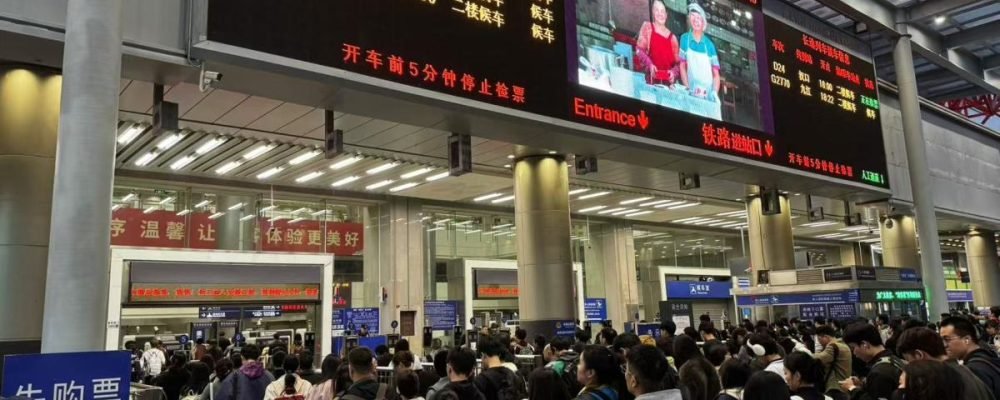
  • Stations are huge. Give yourself extra time the first time—especially in Beijing or Shanghai.
  • Security is standard. You’ll scan luggage and go through checks.
  • Seats are assigned (on most services). No Hunger Games sprinting required.
  • Keep your passport handy if you’re picking up tickets or verifying identity.

How early should you arrive?

Rule of thumb:

  • 60–90 minutes early if it’s a major station or you’re new to the system.
  • Add more time on holidays or peak travel periods.

Domestic flights in China (when flying makes sense)

Flights are useful when:

  • the train would take most of your day
  • you’re going to far regions
  • you’re connecting scenic areas that don’t have convenient rail links

But: flights come with “hidden time” (getting to airports, check-in, security, boarding, possible delays, and then getting from the arrival airport into the city).

Use flights when they save you real time door-to-door, not just “flight time on the screen.”

Overnight options: sleeper trains (who they’re for)

Sleeper trains can be:

  • a budget-friendly option
  • a way to save a hotel night
  • an experience (for the right traveler)

They’re best if you’re comfortable sleeping in transit and okay with simpler facilities than a hotel. If you’re a light sleeper, you may arrive feeling like you fought the mattress and lost.
Getting around inside Chinese cities

Metro systems (fast, cheap, and usually the best option)


Transportation In China: How To Get Around (trains, Flights, Metro, Didi + Pro Tips)


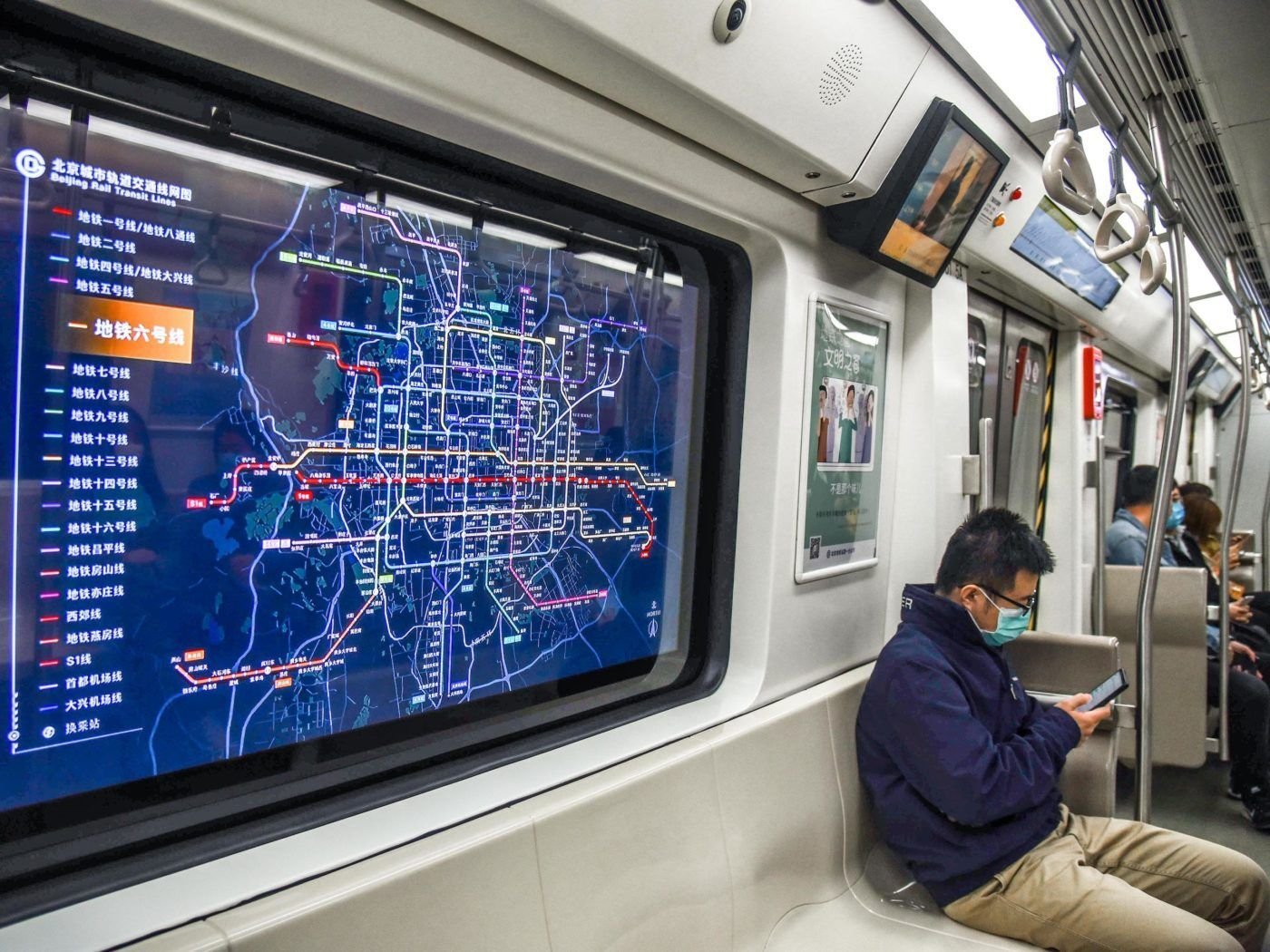
In major Chinese cities, metro systems are typically:

  • modern
  • extensive
  • cheap
  • very useful for sightseeing days

Expect crowds at rush hour. If you can shift your schedule slightly (start earlier or later), you’ll enjoy it more.


Didi vs taxis (what travelers should know)


Transportation In China: How To Get Around (trains, Flights, Metro, Didi + Pro Tips)


  • Didi is the easiest “door-to-door” option for many travelers.
  • Taxis are fine too, but language barriers and payment preferences can complicate things.

Taxis often prefer WeChat Pay/Alipay or cash, and that high-speed train/metro tickets can be bought via apps, kiosks, or ticket windows, with operators sometimes pre-booking key segments for you.Transport: Taxis, Didi, High‑Speed Trains and Metro… Taxis… prefer WeChat Pay/Alipay or cash… High‑speed trains & metro… Tickets may be purchased by mobile app, kiosk, or ticket window… your tour operator may pre‑book key segments.

Public buses (when they’re worth it—and when to skip)


Transportation In China: How To Get Around (trains, Flights, Metro, Didi + Pro Tips)


Buses are cheap and cover everywhere, but they’re not always tourist-friendly if you’re not reading Chinese or you’re short on time. For most visitors:

  • metro + Didi/taxi is the best combo
  • buses are better for adventurous travelers or slower trips

Tickets, payments, and apps (the part that trips people up)


Transportation In China: How To Get Around (trains, Flights, Metro, Didi + Pro Tips)


This is where most travelers get stuck—not because China is impossible, but because it’s different.

Paying for transport: what works

In many places, mobile payments are common, but you should still keep flexibility:

  • have some cash (especially for small markets or edge cases)
  • be ready for some places that won’t love foreign cards

YellowBirdTour specifically recommends using WeChat/Alipay when possible and notes that agents often book/handle long-distance segments in advance (domestic flights and longer transport).

Buying train/flight tickets as a foreigner

You can book independently, but many travelers prefer having an agency handle the details—especially when routes get complex, you’re connecting multiple cities, or you want someone to fix problems fast.

YellowBirdTour’s assist with booking air or train tickets.

Common translation pitfalls (aka “why am I at the wrong station?”)

Big cities can have:

  • multiple airports
  • multiple train stations
  • stations with similar names

Pro tip: always confirm the exact station name (and district) before travel day. The “Shanghai station” you imagine might not be the “Shanghai station” your ticket means.

Train vs flight vs private transfer: how to choose fast


Transportation In China: How To Get Around (trains, Flights, Metro, Didi + Pro Tips)


Use this decision grid:

Choose high-speed train if…

  • your cities are connected by fast rail
  • you want city-center to city-center travel
  • you prefer less hassle than airports

Choose flights if…

  • train time is long enough to waste your day
  • you’re going to remote regions
  • schedules line up better for your itinerary

Choose private transfers if…

  • you have limited time
  • you’re traveling with family/seniors
  • you don’t want to manage station navigation with luggage
  • you want “vacation mode” from door to door

Sample travel scenarios (so you can decide quickly)

Scenario 1: “I’m doing BeijingXi’anShanghai in 7–10 days”

  • Use high-speed trains for at least one leg if timing works.
  • Use metro in each city for sightseeing.
  • Use Didi for evenings, airports, or when you’re tired (aka always after 20,000 steps).

Scenario 2: “I’m adding Chengdu (pandas + food)”

  • Mix flight + train depending on which cities you pair.
  • Build in a little buffer—Chengdu is the kind of city you’ll want to enjoy slowly (tea houses don’t rush you, and neither should you).

Scenario 3: “I’m adding Guilin/Yangshuo or Zhangjiajie (scenery)”

  • Consider flights to connect scenery regions efficiently.
  • Expect some drives/transfers locally (scenic areas aren’t always “next to the station”).

Scenario 4: “Family trip /  lots of luggage”

  • Prioritize private transfers and fewer hotel changes.
  • Choose rail where it’s simplest, and avoid aggressive same-day connections.

Common transportation mistakes in China (and how to avoid them)

  1. Booking the right city but the wrong station
    Always double-check station names (and which part of the city they’re in).
  2. Underestimating station size and security time
    Big stations can take time to navigate. Arrive early.
  3. Too many city changes in too few days
    Even fast transport costs time. Every transfer day eats sightseeing hours.
  4. No buffer days at the end of the trip
    If you’re flying home long-haul, schedule your last day with breathing room. Your future self (and your jet lag) will thank you.

How YellowBirdTour helps you move around China smoothly


Tour In Western Sichuan: Bipenggou, Xiling Snow Mountain & Ethnic Villages


If you’re doing a multi-city route, transport planning is where small mistakes become big stress. YellowBirdTour’s model is built to reduce that.

Assistance with train and flight tickets

YellowBirdTour confirms they can assist with booking air or train tickets (service fee may apply).

Transfers, private cars, and multi-city coordination

For tailor-made trips, YellowBirdTour highlights end-to-end support including transfers, train/flight tickets, private transfers, and domestic flights, so your route works as one connected plan instead of a bunch of separate bookings.

Support when plans change

Delays, weather shifts, last-minute changes—this is where having a team matters. YellowBirdTour emphasizes personalized support throughout the trip, handling logistics so you’re not troubleshooting in a station with 5% battery and 0% patience.

FAQ

Is it better to take trains or flights in China?

Trains win for many popular routes because they’re comfortable and often more convenient city-center to city-center. Flights win when distances are long or rail connections aren’t efficient.

Is Didi easy for tourists?

It’s one of the most practical ways to get around, especially for short door-to-door rides. Payment and language setup can be the tricky part, so having alternatives (metro, hotel help, or a pre-arranged transfer) is smart.

Do I need WeChat Pay/Alipay to travel around China?

Not always, but it helps a lot. YellowBirdTour notes that taxis may prefer WeChat Pay/Alipay or cash, and that long-distance transport is often booked in advance by an agent when you’re on a guided plan.

Can YellowBirdTour book my train and flight tickets?

Yes—YellowBirdTour states they assist with booking air or train tickets (for a service fee).

Transportation in China isn’t hard once you stop trying to treat it like a single system. Think of it as a toolkit:

  • high-speed rail for major city hops
  • metro for daily sightseeing
  • Didi for convenience
  • flights for long jumps
  • private transfers when comfort and simplicity matter

And if you’d rather spend your mental energy choosing dumplings instead of decoding station exits, YellowBirdTour can help coordinate the transport pieces—tickets, transfers, and timing—so your China trip runs smoothly from city to city.

 

Solo Travel Vs Group Tours In China: Costs, Safety, And How To Join A Small Group (plus Asia Extensions)

Leave a Reply

Your email address will not be published. We only use it to notify you about replies and new comments. Required fields *


Explore the World with YellowbirdTour! Share this page with friends and fellow adventurers eager to discover new and exciting tours across Asia and beyond

WhatsApp
Facebook
Telegram
Reddit
Email
X
LinkedIn
Pinterest
Tumblr

Other blogs

//
Need help? Our expert support is available for all your tour and booking needs. Message us on WhatsApp for instant travel support.
Hi there! 👋 How can we assist you with your Asia travel plans today?
Cropped-noun-parrot-739612.png

Play Yellowbird Travel Match and let destiny choose your trip

Sometimes the best journey is the one you didn’t plan.
Just 3 quick questions to reveal your surprise Asia tour.

We’ll use your answers to suggest a real Asia tour that fits you. We never share your email or track your behavior.