Travel through Asia
China Tour from Kathmandu, Nepal: The Complete 2026 Guide
Most travelers think of China tour package from Kathmandu Nepal. The place where trekkers collapse

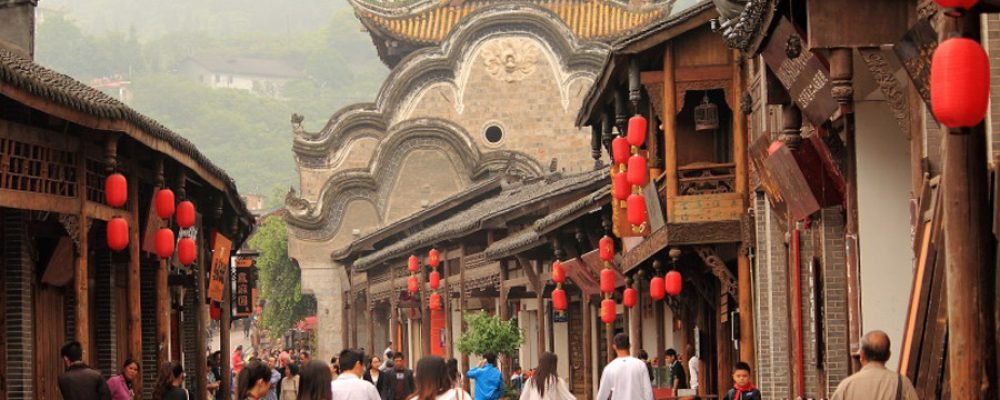

Picture this: you’re standing at the edge of a desert at golden hour. In front of you, 492 caves filled with 1,600-year-old Buddhist murals glow in the last light of the day. Somewhere behind you, a camel is making suspicious noises. And you realise — finally — that the silk road tour in China you always half-dismissed as “one day maybe” is actually one of the greatest journeys on Earth.
A silk road tour China itinerary takes you through a China that most travellers never see: a China of desert oases, rainbow-coloured rock formations, Tibetan monasteries, Uyghur bazaars and frontier forts at the edge of the known world. It is ancient, dramatic, funny at times, and deeply moving. And unlike the Great Wall or the Forbidden City, you probably won’t be doing it in a crowd of a thousand people.
This guide covers everything you need to plan your trip: the three main regions, the top highlights, the best time to go, practical tips — and four carefully designed tour packages that match different timelines and travel styles.

The Silk Road was the ancient network of trade routes that connected China with Central Asia, the Middle East, and eventually Europe. Merchants carried silk, spices, glassware, gold, horses and — let’s be honest — all manner of gossip between civilisations for over a thousand years.
Here’s the thing though: nobody called it the “Silk Road” at the time. That name was invented by a German geographer called Ferdinand von Richthofen in 1877. Marco Polo, who travelled the route in the 13th century, simply called it “the road.” He didn’t have a marketing team.
In China, the route ran west from the ancient capital Xi’an (the starting point), through the long, narrow Hexi Corridor of Gansu Province, into the deserts and oases of Xinjiang, and onwards over the mountains into Central Asia. Along the way, it passed through cities that were once among the most cosmopolitan places on the planet — where Chinese, Persian, Indian, Tibetan and Turkic cultures mixed freely.
Today, you can follow that same route. The deserts, caves, fortress walls and oasis towns are still there. The camel rides are optional.
The Chinese Silk Road divides into three main regions:

Gansu is where most people picture when they think of a silk road tour in China, and for very good reason. This long, narrow province forms the Hexi Corridor — the natural funnel through which all Silk Road traffic passed, squeezed between the Tibetan Plateau to the south and the Gobi Desert to the north.
Your adventure begins in Lanzhou, where you’ll take a scenic boat ride to the cliffside Buddhist statues and murals of the Binglingsi Caves. Continue to the city of Zhangye, home to the breathtaking Danxia Rainbow Mountains — famous for their otherworldly colors and layered rock formations. Head to Jiayuguan, the legendary western terminus of the Great Wall of China, and wander its imposing Ming Dynasty fortress.
End your trip in the storied oasis of Dunhuang. Here, explore the ancient masterpieces of the Mogao Caves, marvel at Buddhist art, and climb up the sandy slopes of the Singing Sand Dunes. Watch a magical sunset, and if you wish, try a camel ride through the desert.
Top Gansu Silk Road highlights:

Most travellers overlook Qinghai. That is, frankly, their loss.
Sitting on the northeastern edge of the Tibetan Plateau, Qinghai combines Silk Road history with some of the most spectacular natural scenery in China — and a rich Tibetan cultural layer that gives the whole region a completely different feel from the rest of the route.
Begin in Xining, where you’ll visit the impressive Kumbum Monastery, a major Tibetan cultural site. Enjoy a cycling adventure along the shore of the vast and beautiful Qinghai Lake, then spend time at the reflective Chaka Salt Lake — known as the “mirror of the sky.”
Chaka Salt Lake is so flat and reflective that your photos will look like you’re walking on clouds. Fair warning: your Instagram followers will not believe you didn’t edit them. The reactions are very satisfying.
Top Qinghai Silk Road highlights:

And then there’s Xinjiang China’s largest administrative region. A place that doesn’t feel quite like anywhere else — not China, not Central Asia, but something uniquely itself.
In Kashgar, you’ll wander the Old Town’s narrow lanes, visit the striking Id Kah Mosque, and browse craft-filled Zhiren Street and bustling bazaars. Kashgar is where East meets West — an atmospheric highlight on any Xinjiang itinerary.
Drive the legendary Karakoram Highway to Karakul Lake at about 3,600m, beneath the massive peaks of Muztagh Ata and Kongur. The mirror-like lake and yurt-dotted pastures make this one of China’s most dramatic alpine landscapes. Your tour handles the permit arrangements so you can focus on the scenery.
And in Turpan — one of the hottest and lowest points in China — you’ll find ancient ruins, a 2,000-year-old underground irrigation system, and some of the best dried fruit in Asia. The dried grapes are genuinely extraordinary. The heat is genuinely not.
Top Xinjiang Silk Road highlights:
YellowBird has designed four Silk Road routes in China, each covering a different combination of regions and suited to different travel timelines. All tours include English-speaking local guides, private transfers, accommodation and daily breakfast. No middlemen. No hidden fees. Just real local expertise on the ground.
Here’s how they compare:

Embark on a journey along China’s ancient trade route with this 7-day Silk Road tour starting from Lanzhou. Discover a blend of history, unique landscapes, and vibrant cultures as you travel west across Gansu Province.
Route: Lanzhou → Binglingsi Caves → Zhangye Danxia → Jiayuguan Fort → Dunhuang (Mogao Caves + Singing Sand Dunes)
Highlights:
Price: From $877* (±10% by season)
Group size: Small groups or private
Includes: English-speaking guide, all accommodation, daily breakfast, private transfers, main entrance fees
This is the classic Silk Road week. If you have 7 days and you want the essential Gansu experience — this is your tour.

Begin your journey in Xining, where you’ll visit the impressive Kumbum Monastery, a major Tibetan cultural site. Enjoy a cycling adventure along the shore of the vast and beautiful Qinghai Lake, then spend time at the reflective Chaka Salt Lake, known as the “mirror of the sky.” Continue by high-speed train to Zhangye.
Route: Xining → Kumbum Monastery → Qinghai Lake cycling → Chaka Salt Lake → Zhangye Danxia → Matisi Temple → Jiayuguan → Dunhuang (Mogao Caves + Sand Dunes)
Highlights:
Price: Contact for current rates
Group size: Small groups or private
Includes: Accommodation, daily breakfast, all main admissions, curated experiences, and all transfers, including a scenic train ride. This tour blends culture, adventure, and history for the ultimate Silk Road discovery.
One extra day, a completely different opening act. Qinghai adds a high-altitude, Tibetan-flavoured dimension that makes this tour feel genuinely layered.

Set out on a grand adventure along China’s northwest frontier with this 12-day Qinghai and Gansu exploration tour. Start in Xining, visiting the sacred Kumbum Monastery and cycling beside the shimmering blue waters of Qinghai Lake. Marvel at the dazzling reflections of the Chaka Salt Lake, the “mirror of the sky.” Travel by train to Zhangye, then continue through Jiayuguan, Matisi Temple, Pingshan Grand Canyon and on to Dunhuang.
Route: Xining → Qinghai Lake → Chaka Salt Lake → Zhangye Danxia → Matisi Temple → Pingshan Grand Canyon → Jiayuguan → Dunhuang
Highlights:
Price: Contact for current rates
Group size: Small groups or private
12 days is the right amount of time to actually absorb what you’re seeing. If you’ve been waiting your whole life to do this journey, don’t do it in a rush.

Experience the unique culture and landscapes of China’s far west on this 7-day Xinjiang journey. The tour includes all key entry tickets, private transfers, internal flight, and the guidance of an experienced English-speaking guide. Perfect for travelers seeking Silk Road history, diverse cultures, and grand scenery — this is Xinjiang at its best.
Day-by-day route:
Price: From about $870, varying ±10% by season; confirm your month on the booking form.
Group size: Max 12 travelers, with an experienced English-speaking guide — ideal for a more personal experience and better access to local stories.
Includes: Transfers, guide, 4-star hotels, breakfast, entrance fees, bottled water, Karakul permit, family visit and dinner, and basic travel insurance.
Xinjiang is a completely different Silk Road experience from Gansu. The culture is Uyghur and Central Asian; the food is different; the landscapes are different. If you do one, you’ll want to do the other.
| Tour | Days | Regions | Best For | Price From |
|---|---|---|---|---|
| 7-Day from Lanzhou | 7 | Gansu | First-timers, classic Silk Road | $877* |
| 8-Day Qinghai + Gansu | 8 | Qinghai + Gansu | Nature + culture combo | On request |
| 12-Day Qinghai + Gansu | 12 | Qinghai + Gansu | Complete, unhurried journey | On request |
| 7-Day Xinjiang | 7 | Xinjiang | Far west, Central Asian culture | ~$870* |
*Prices vary ±10% by season. Contact YellowBird for current availability and exact pricing.
You could fill a book with the things worth seeing along the Chinese Silk Road. Here are the seven that belong on every itinerary:
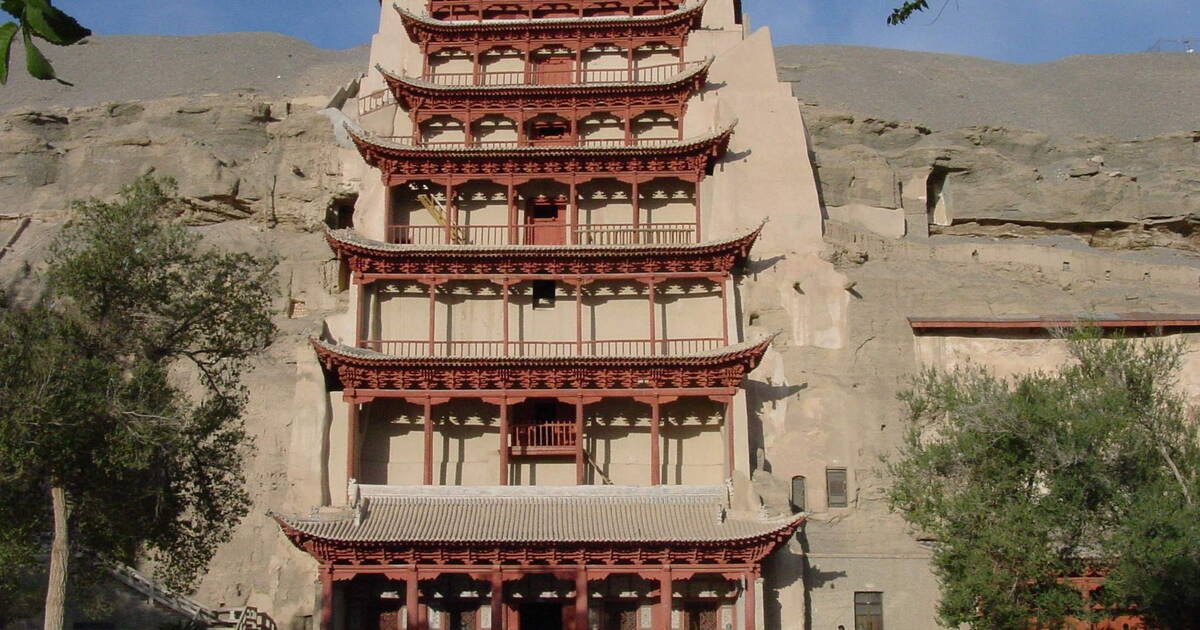
The Mogao Caves are one of the greatest art collections in human history. 492 caves. 45,000 square metres of murals. Sculptures spanning 1,000 years of Buddhist art from the 4th to the 14th century. They were sealed and forgotten for centuries, rediscovered in 1900, and they still feel like a secret. Arrive as the light catches the ochre cliffs. Try not to cry. (Some people cry.)
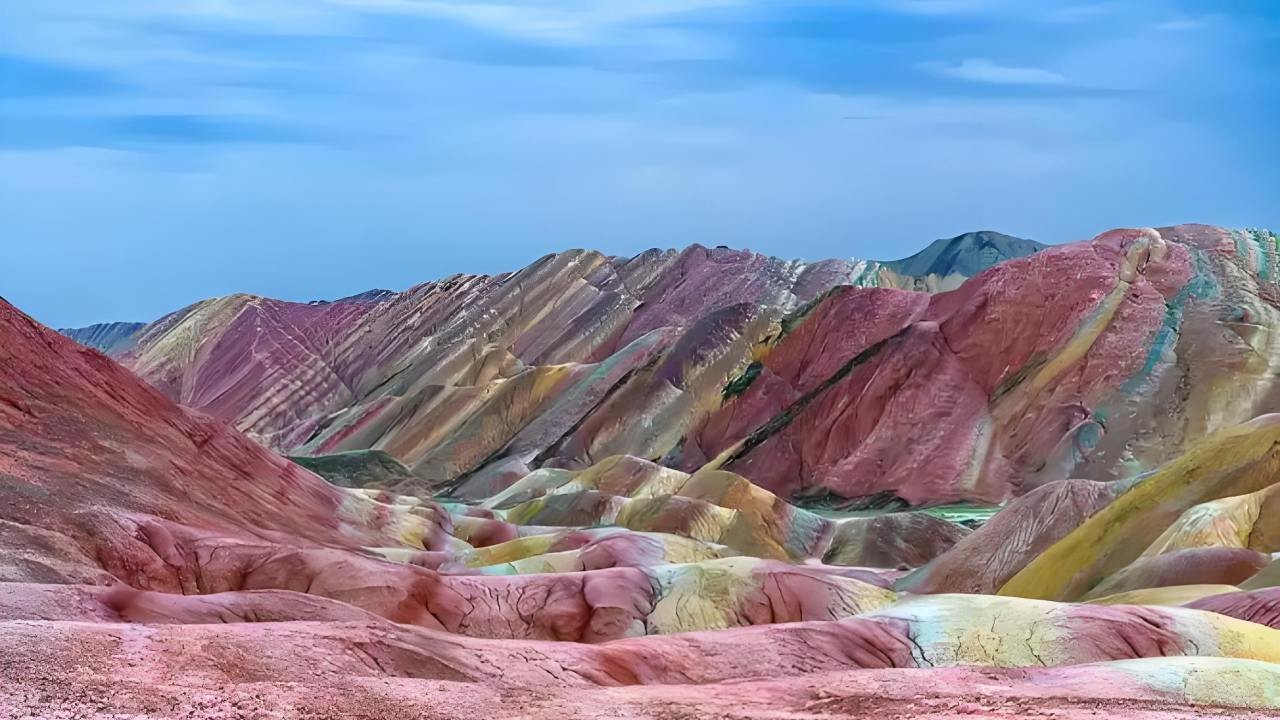
The Danxia Rainbow Mountains are famous for their otherworldly colours and layered rock formations. Red, orange, yellow, green, blue — all in the same cliff face, formed over 24 million years of mineral deposits. They look like someone painted them. No filter needed. No filter could do them justice.
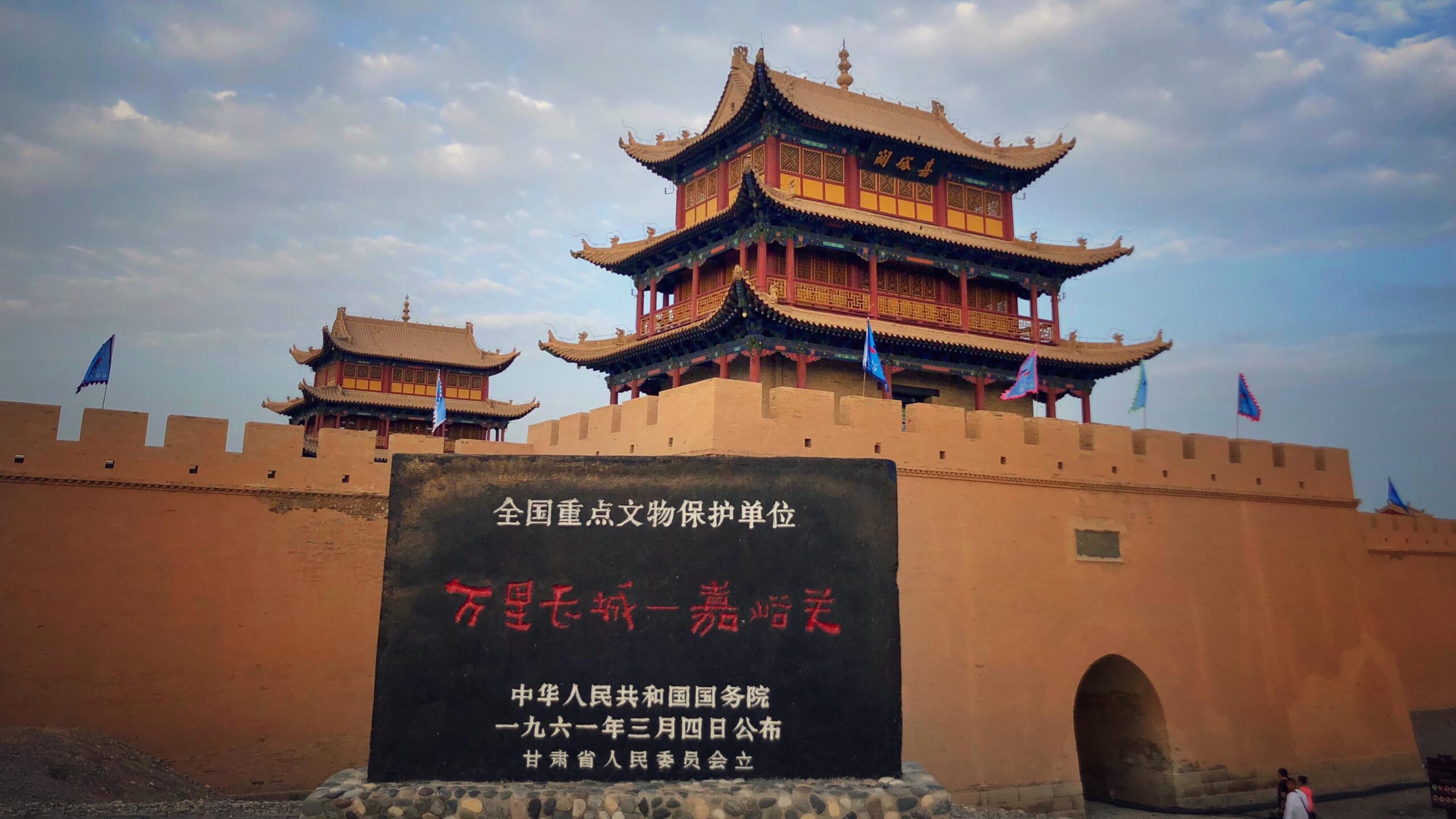
Most people know the Great Wall from Beijing. Few know that it ends — dramatically, in the middle of the Gobi Desert — at Jiayuguan Fort. The legendary western terminus of the Great Wall of China , Jiayuguan’s Ming Dynasty fortress was the last outpost of Chinese civilisation before the desert swallowed everything. Soldiers stationed here sent letters home that they knew might never arrive. The fort still carries that weight.
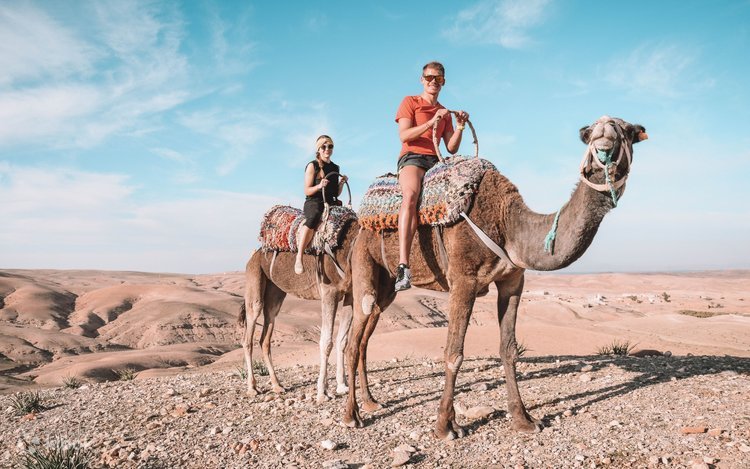
The Mingsha Dunes rise 200 metres above the desert just outside Dunhuang. At the right time of day — dawn or dusk — the sand makes a low, resonant hum as it shifts. Hence the name. You can climb the dunes on foot or ride a camel to the top. The sunset from the ridge is the kind of view that makes you understand why people travelled 10,000 kilometres along this route. Also, camels are funnier up close than you expect.
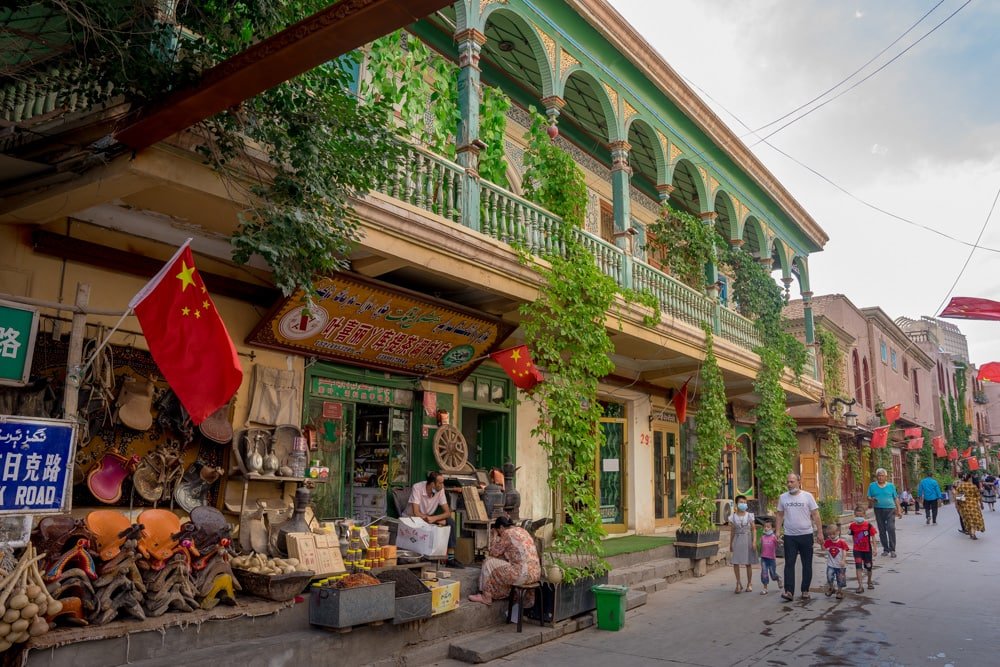
Kashgar is where East meets West — an atmospheric highlight on any Xinjiang itinerary. The Old Town’s narrow mud-brick lanes have barely changed in centuries. The Id Kah Mosque is one of the largest in China. The Sunday market (one of the largest in Central Asia) is overwhelming in the best possible way — dried fruits, handmade knives, embroidered textiles, the smell of cumin-spiced lamb. Give yourself time to get lost.
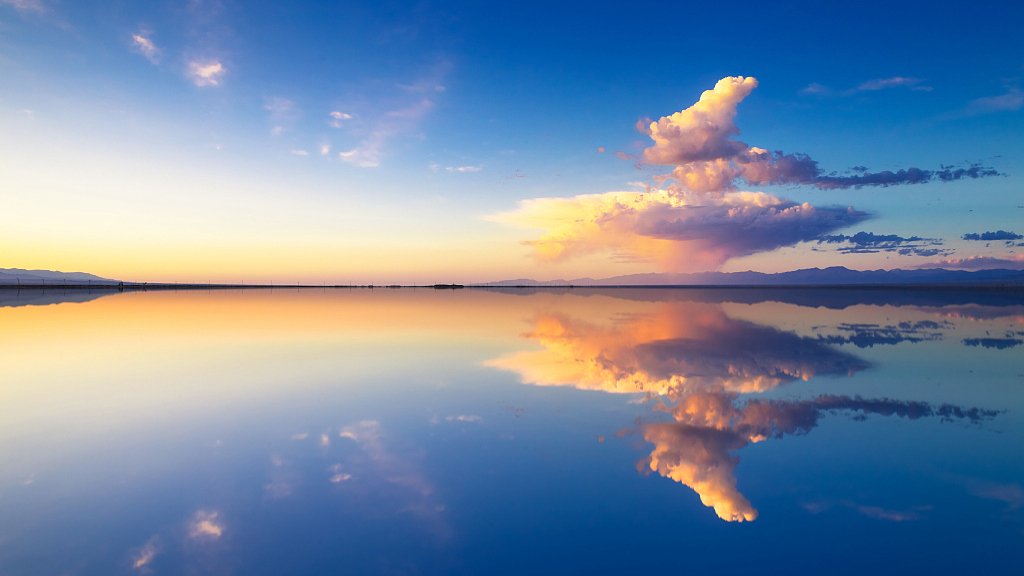
Chaka Salt Lake is known as the “mirror of the sky.” On a calm day, the water is so shallow and still that it perfectly reflects the clouds above — creating the optical illusion that you’re walking through the sky. It is genuinely one of the most surreal places in China, and almost completely unknown to travellers from outside Asia. Go before everyone else figures it out.
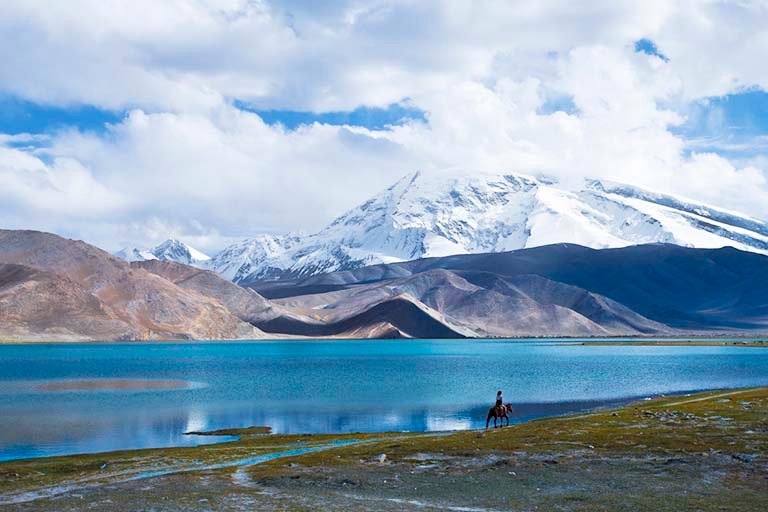
Drive the legendary Karakoram Highway to Karakul Lake at about 3,600m, beneath the massive peaks of Muztagh Ata and Kongur. The mirror-like lake and yurt-dotted pastures make this one of China’s most dramatic alpine landscapes. This is the route that connects China to Pakistan — and for a day, you’ll drive a section of one of the highest paved roads in the world with snowcapped 7,000m peaks on either side. It is extremely hard to look casual about this.
The Chinese Silk Road spans such different environments — from alpine lakes to scorching deserts — that timing genuinely matters. Here’s the breakdown:
| Season | Months | Why Go | Watch Out |
|---|---|---|---|
| Spring | April – June | Mild temperatures across Gansu and Qinghai; green hills around Qinghai Lake | National holidays in late April/May can be busy |
| Summer | July – August | Karakul Lake is at its most vivid; Xinjiang bazaars are vibrant; festivals | Dunhuang can hit 40°C+ — the desert does not apologise |
| Autumn | September – October | Best weather overall; golden colours in Qinghai; clear skies for Everest-view drives | Most popular season — book early |
| Winter | November – March | Almost no crowds; dramatic snowy forts; low prices | Xinjiang can hit -20°C; some high mountain roads close |
Our honest recommendation: September and October are the sweet spot. The heat of summer has broken, the skies are clear, the colours in Qinghai are extraordinary, and the Danxia Mountains glow at their most vivid in the low autumn light.
Dunhuang in July is beautiful, by the way. It’s also approximately as hot as standing inside a very scenic oven. Bring water. Lots of water.
Silk Road trips are more rewarding when you have local context for each archaeological and religious site, and easier with a guide who can navigate both language and regional regulations.
In Xinjiang especially, having a local expert alongside you is invaluable — both for navigating logistics and for understanding the deep cultural layers of what you’re seeing. A good guide is the difference between looking at a cave and understanding what you’re looking at.
Your tour handles the permit arrangements so you can focus on the scenery. The Karakul Lake area in Xinjiang requires a special permit, which is included in the YellowBird Xinjiang tour. All logistics are managed for you.
All YellowBird Silk Road tours run as small groups (max 12 pax on most routes) and are well suited for solo travellers. If you prefer a fully private journey — just you and a guide — tailor-made options are available.

There are dozens of companies selling “silk road tours in China.” Most of them are middlemen — they take your booking and hand you off to someone else.
YellowBird is different. When you book directly with a local tour agency, you get personal service, real local expertise and support on the ground throughout your trip — not just a booking number in another country. Our team is based here, we operate our own tours, and we’re available to help you before and during your journey.
What that means in practice:
How long is a silk road tour in China?
Most structured itineraries run 7 to 12 days. Seven days covers either the Gansu classic (Lanzhou → Dunhuang) or the Xinjiang route (Urumqi → Kashgar) thoroughly. Twelve days lets you combine Qinghai with the full Gansu corridor without feeling rushed.
Is the Silk Road in China safe to visit?
Yes. Gansu, Qinghai and Xinjiang are all open to international tourists. Visiting with a reputable local operator ensures all permits and logistics are properly arranged.
What is the most famous stop on the Silk Road in China?
Dunhuang and the Mogao Caves are the most historically significant stop — a UNESCO World Heritage Site and one of the greatest collections of Buddhist art anywhere in the world.
Can I combine a Gansu and Xinjiang silk road tour?
Absolutely. Many travellers do the 7-day Xinjiang tour and then the 7-day Gansu tour back-to-back (or in separate trips) for a more complete picture of the Chinese Silk Road. Contact us and we can help plan the sequence.
Do the tours include flights?
International flights are not included. Some tours include an internal flight (the Xinjiang tour includes an evening flight from Turpan/Heavenly Lake to Kashgar). Domestic transfers are arranged by YellowBird.
The Chinese Silk Road isn’t just a travel route — it’s a journey through 2,000 years of human connection, trade, faith and adventure. The caves, forts, dunes and bazaars are still there. The stories are still waiting to be discovered.
Whether you have 7 days or 12, whether you’re drawn to the desert landscapes of Gansu, the mirror lakes of Qinghai, or the Central Asian energy of Xinjiang — there’s a route here for you.
👉 7-Day Silk Road Tour from Lanzhou
👉 8-Day Qinghai, Chaka Lake & Gansu Silk Road
👉 12-Day Qinghai and Gansu Exploration
👉 7-Day Xinjiang: Urumqi / Turpan / Kashgar
Not sure which route fits your timeline and travel style? Drop us a message — our team knows this region intimately and can help you find the right fit.
Most travelers think of China tour package from Kathmandu Nepal. The place where trekkers collapse
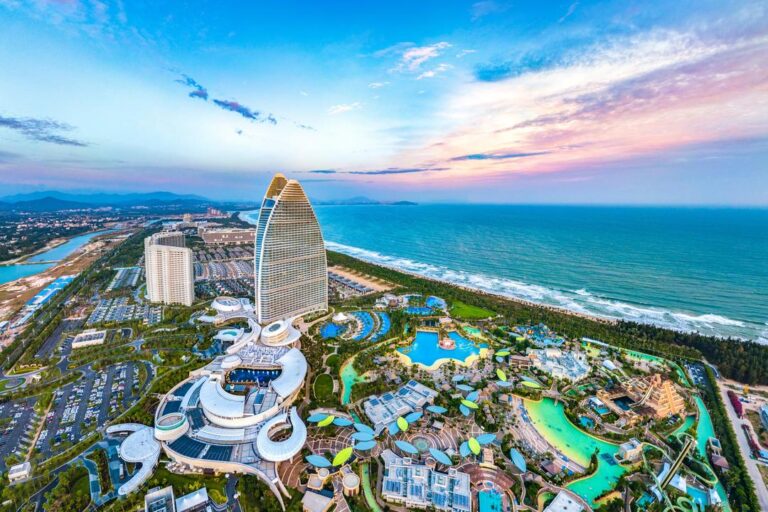
A good Sanya itinerary 5 days should feel like a vacation, not a logistics exam.
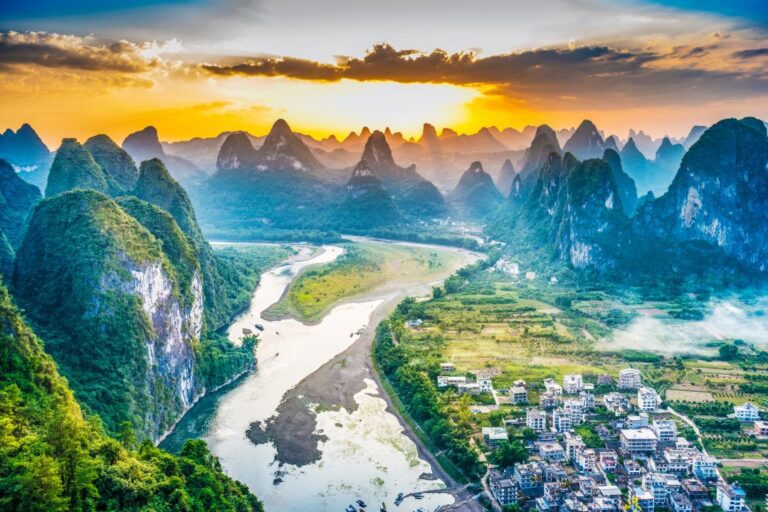
If you’ve ever seen a classical Chinese ink painting — misty limestone peaks rising vertically
Is it safe to travel to China right now? China is generally a safe destination

Avatar Mountains in Zhangjiajie are one of those places that look photoshopped in real life:
Getting a Tibet Travel Permit from Nepal is totally doable in 2026—but it’s not something