Travel through Asia
Canadians Can Travel to China Visa-Free for 30 Days in 2026: What It Means (and How to Use It)
If you’ve ever looked at a China trip and thought, “Amazing… but the visa paperwork



China’s megacities and iconic sights get most of the attention, but if you’re looking for a slower, more authentic side of the country, rural China travel is where it really comes alive: misty rice terraces, wooden stilt houses, village markets, and minority cultures that still follow centuries‑old traditions.
This guide is written for travelers who are actively searching for village tours, rural itineraries and “off the beaten path” experiences in China. It focuses on how to visit remote villages and ethnic minority communities in a practical, realistic way – and how a local agency like YellowBirdTour can help you do it smoothly, safely and responsibly.
Most first‑time visitors to China follow a classic route: Beijing, Xi’an, Shanghai, maybe Guilin or Chengdu. It’s a great introduction, but it shows only one side of the country.
Rural China travel lets you:
If you’re searching for “village tourism in China”, “off the beaten path China” or “ethnic minority travel in China”, you’re probably looking for exactly this – an itinerary that prioritizes authentic rural experiences over big‑city checklists.

China is huge, and not every rural region is easy or rewarding for short‑term visitors. Below are some of the most practical and rewarding areas for village‑focused travel.
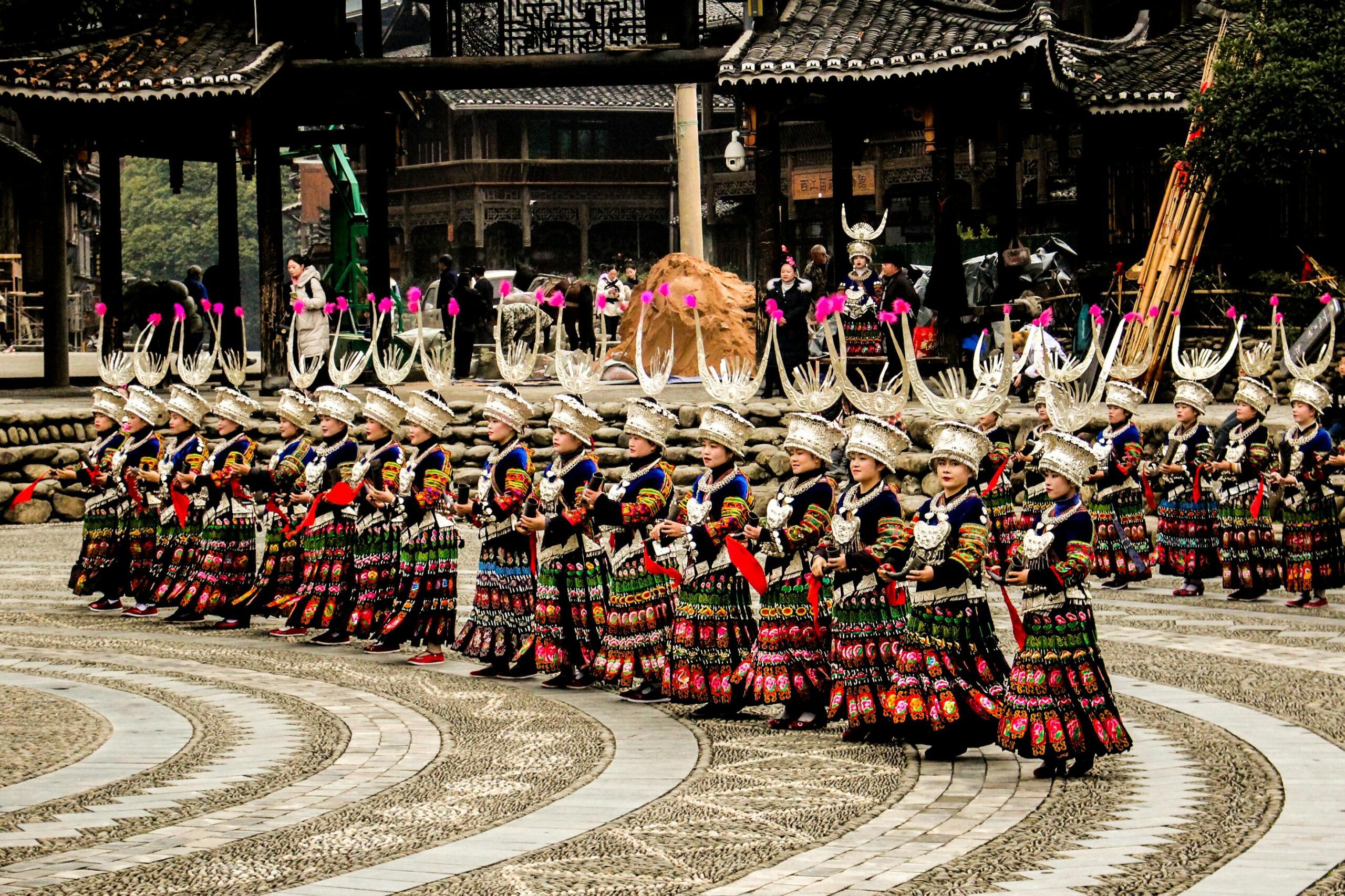
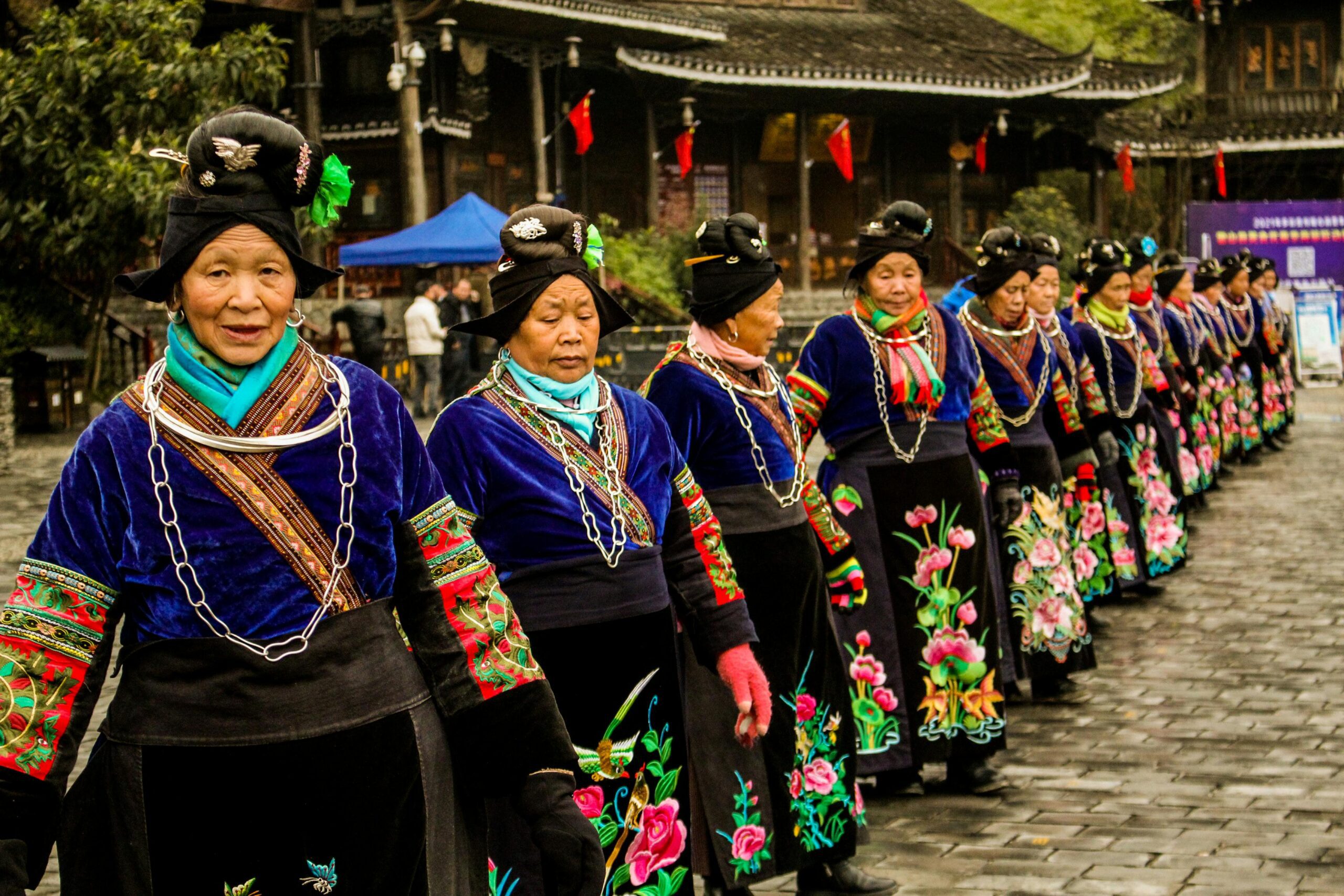
Guizhou is one of the best provinces for rural tourism in China if your focus is ethnic minority villages rather than famous city landmarks.

What makes Guizhou ideal:
Typical villages and experiences YellowBirdTour includes on its Guizhou routes:
Guizhou is perfect if you want rural China travel plus deep minority culture, not just pretty landscapes.


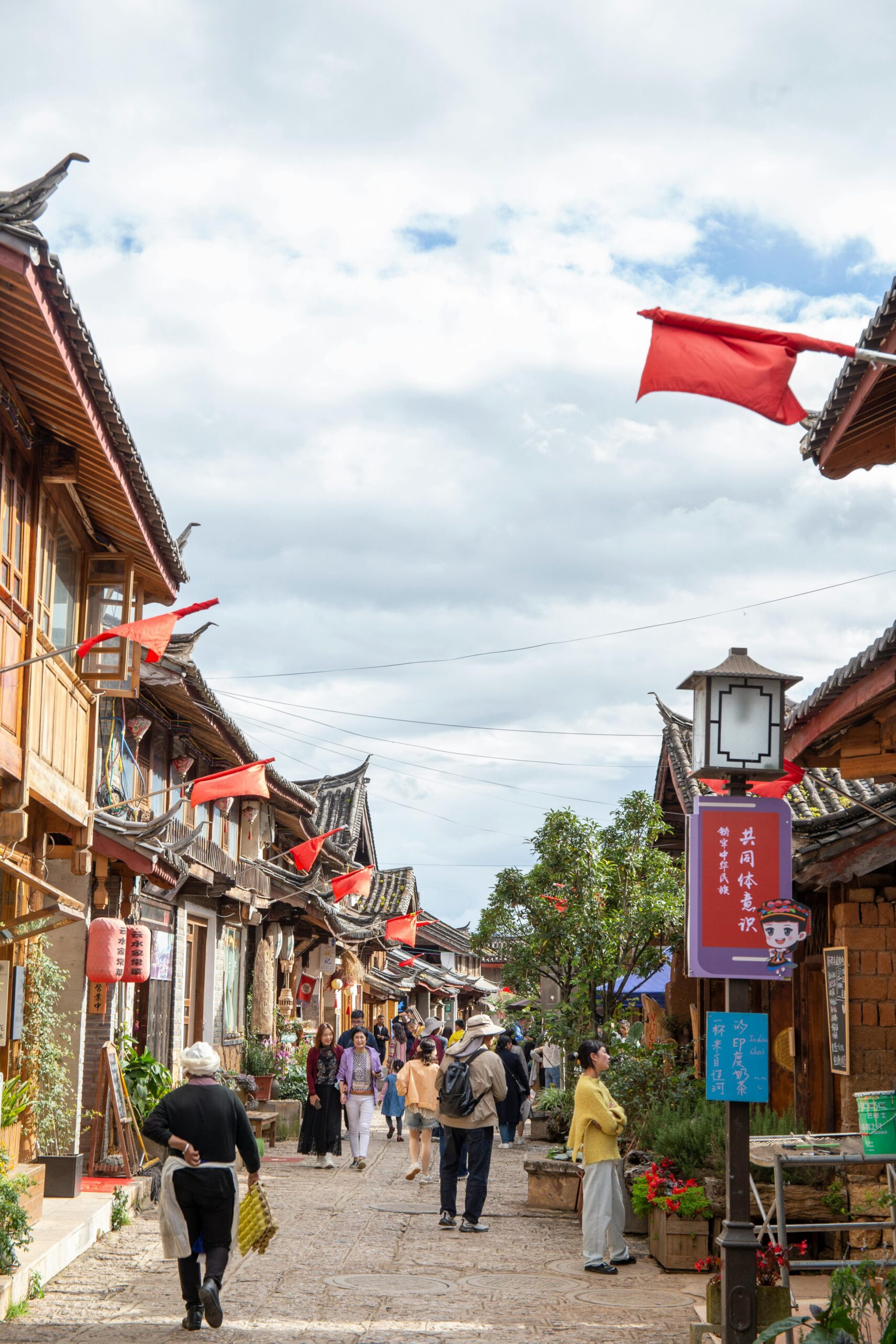
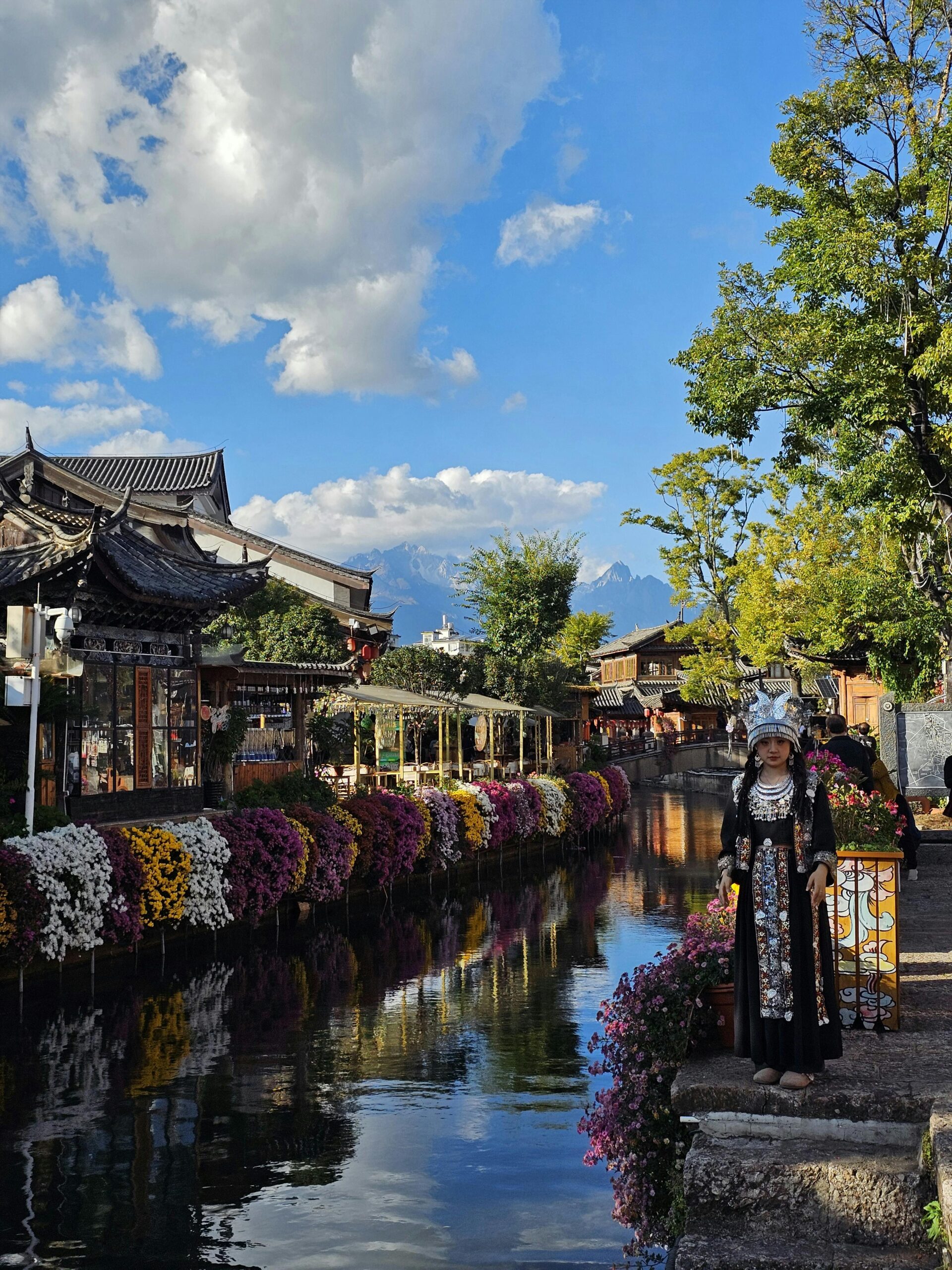
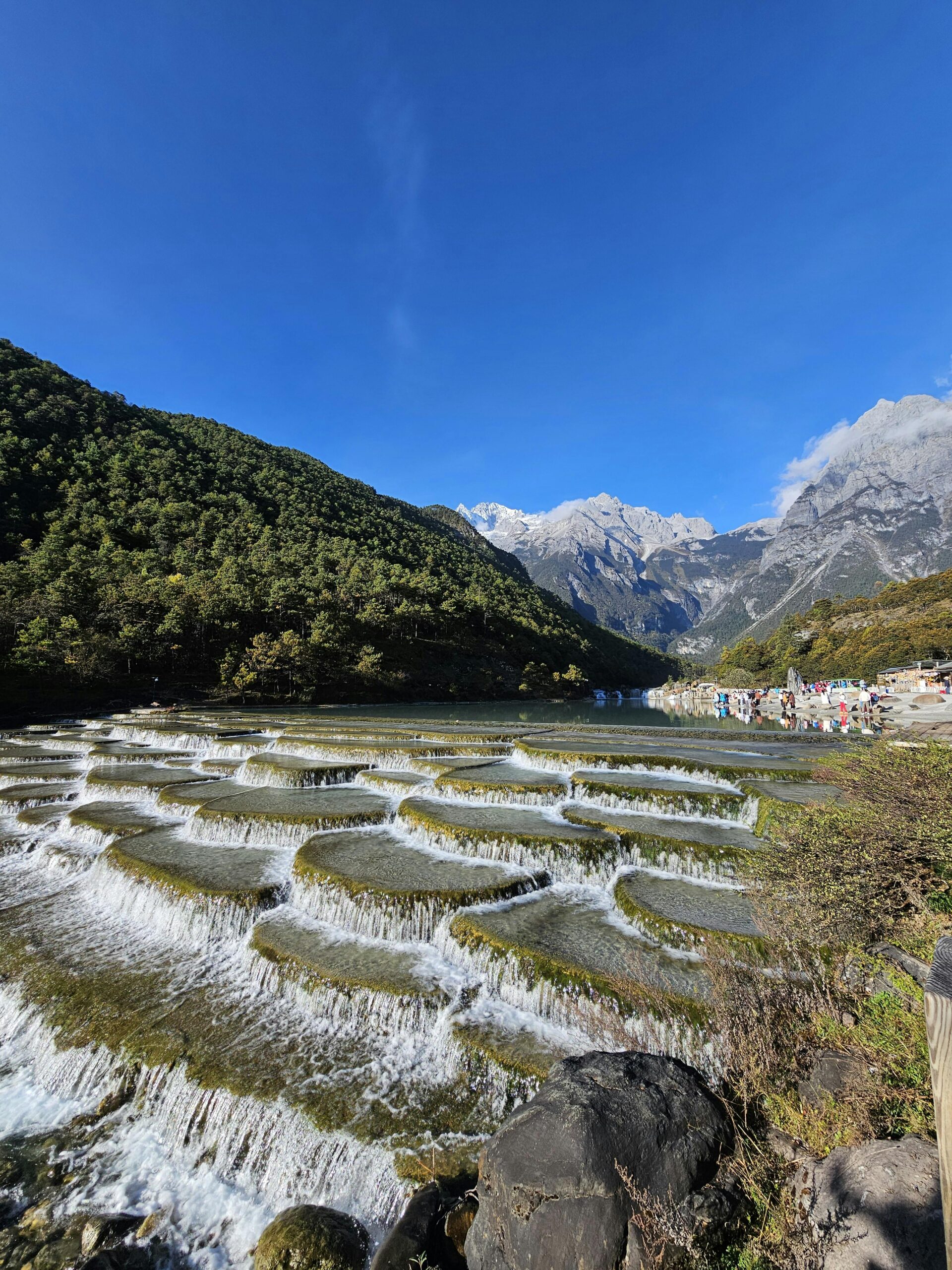
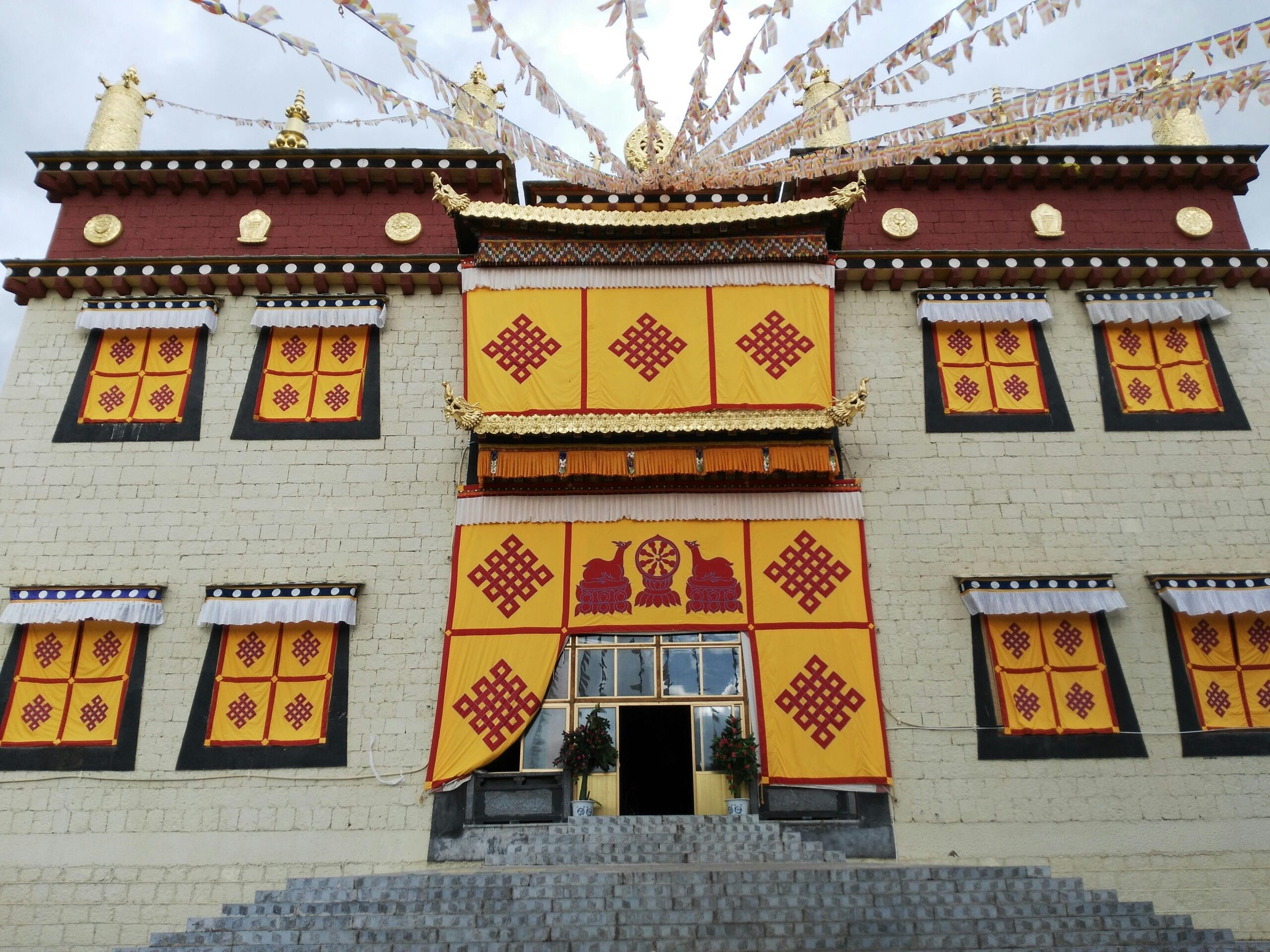
Yunnan is already on many travelers’ radar, but most itineraries focus on more touristic towns. For village tourism:
If you want a mix of rural scenery + some comfort & infrastructure, Yunnan is a good introduction.



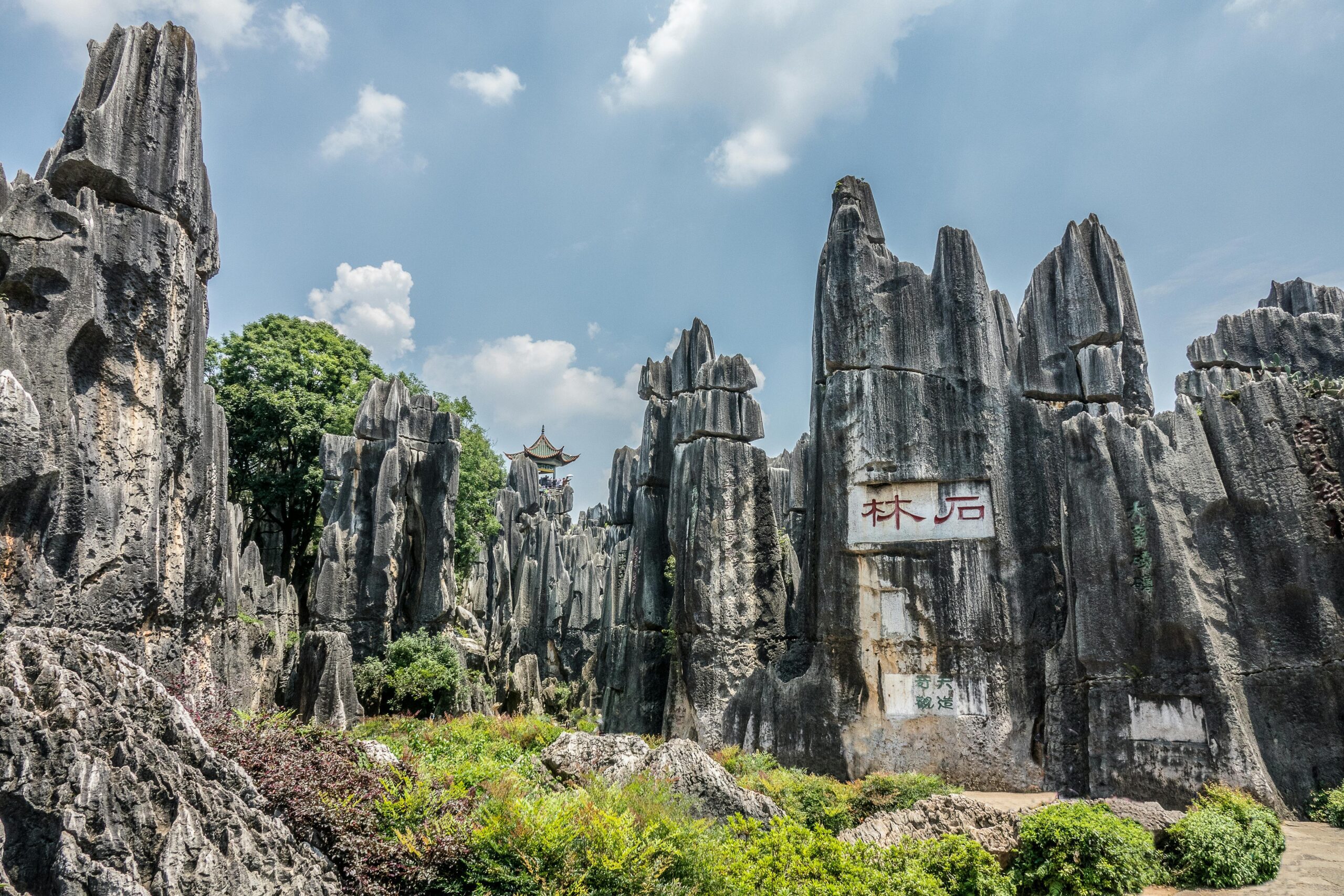


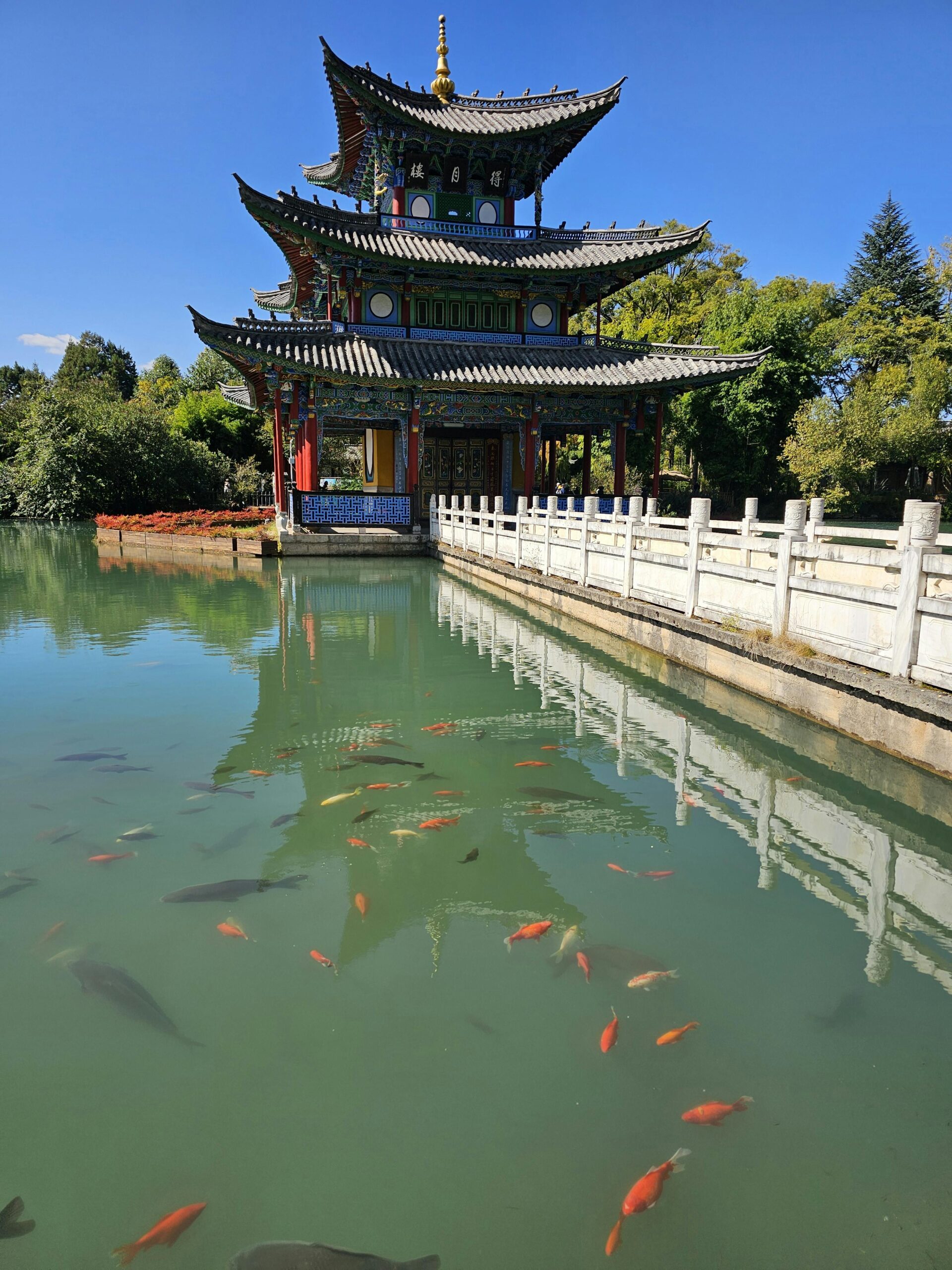


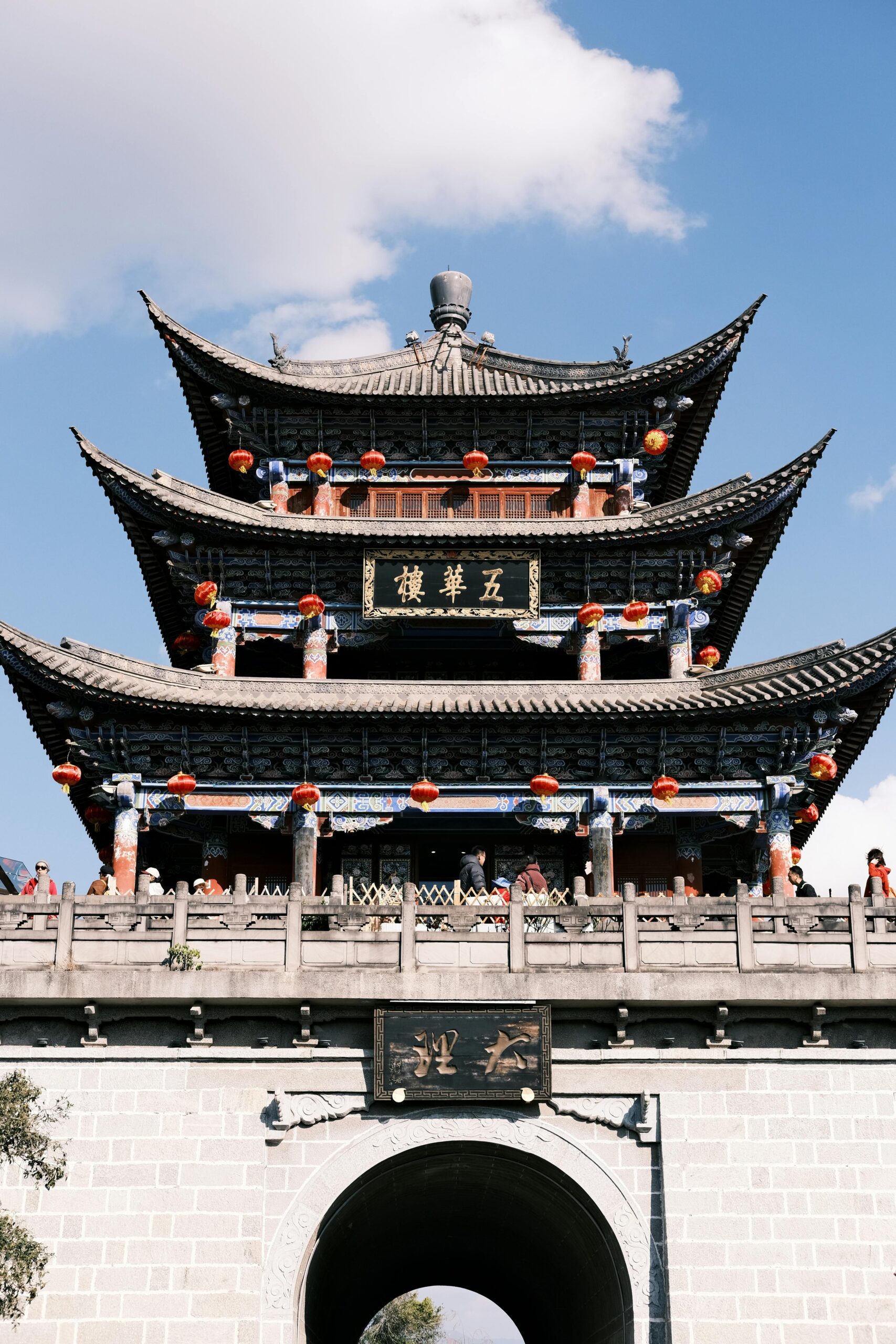
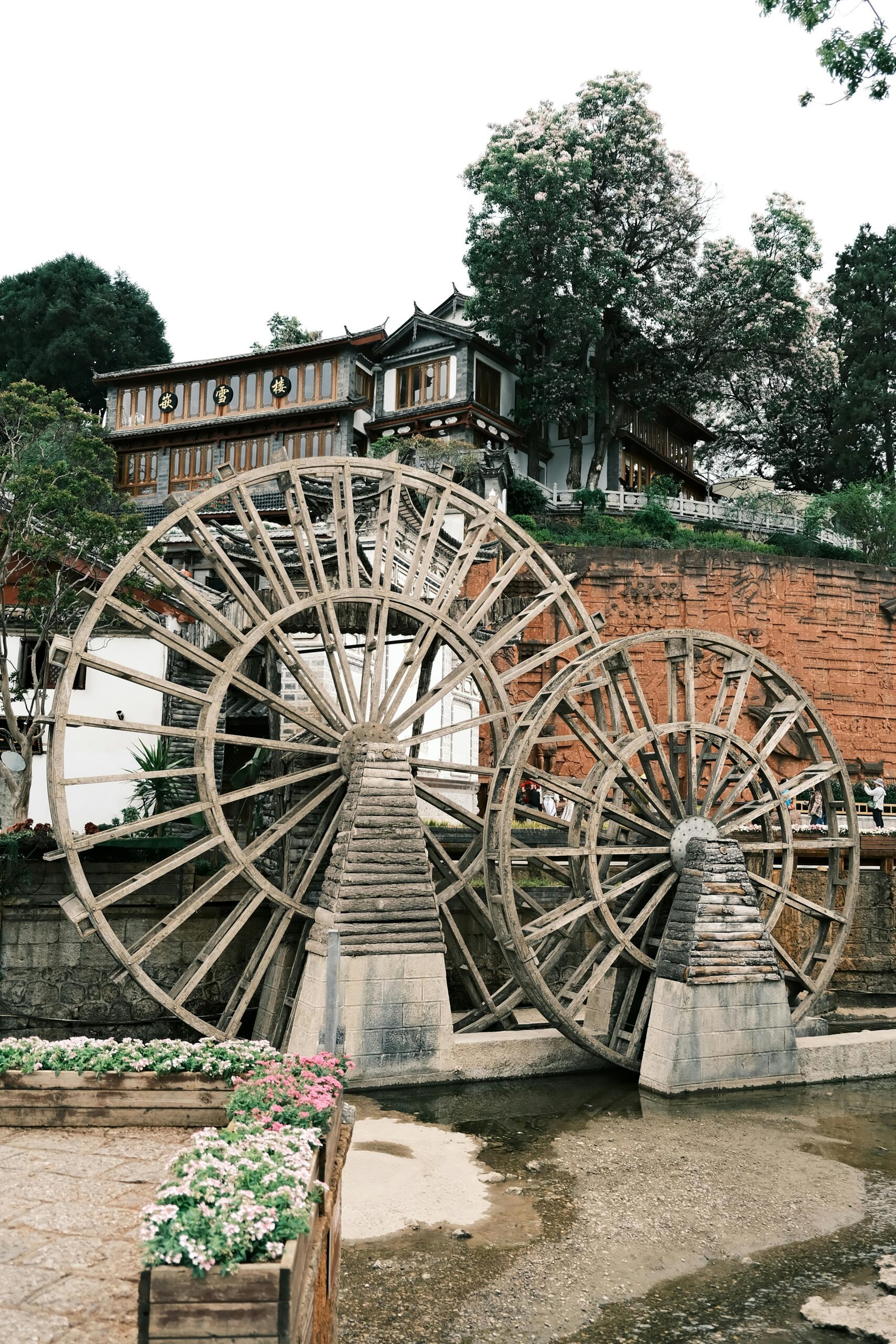














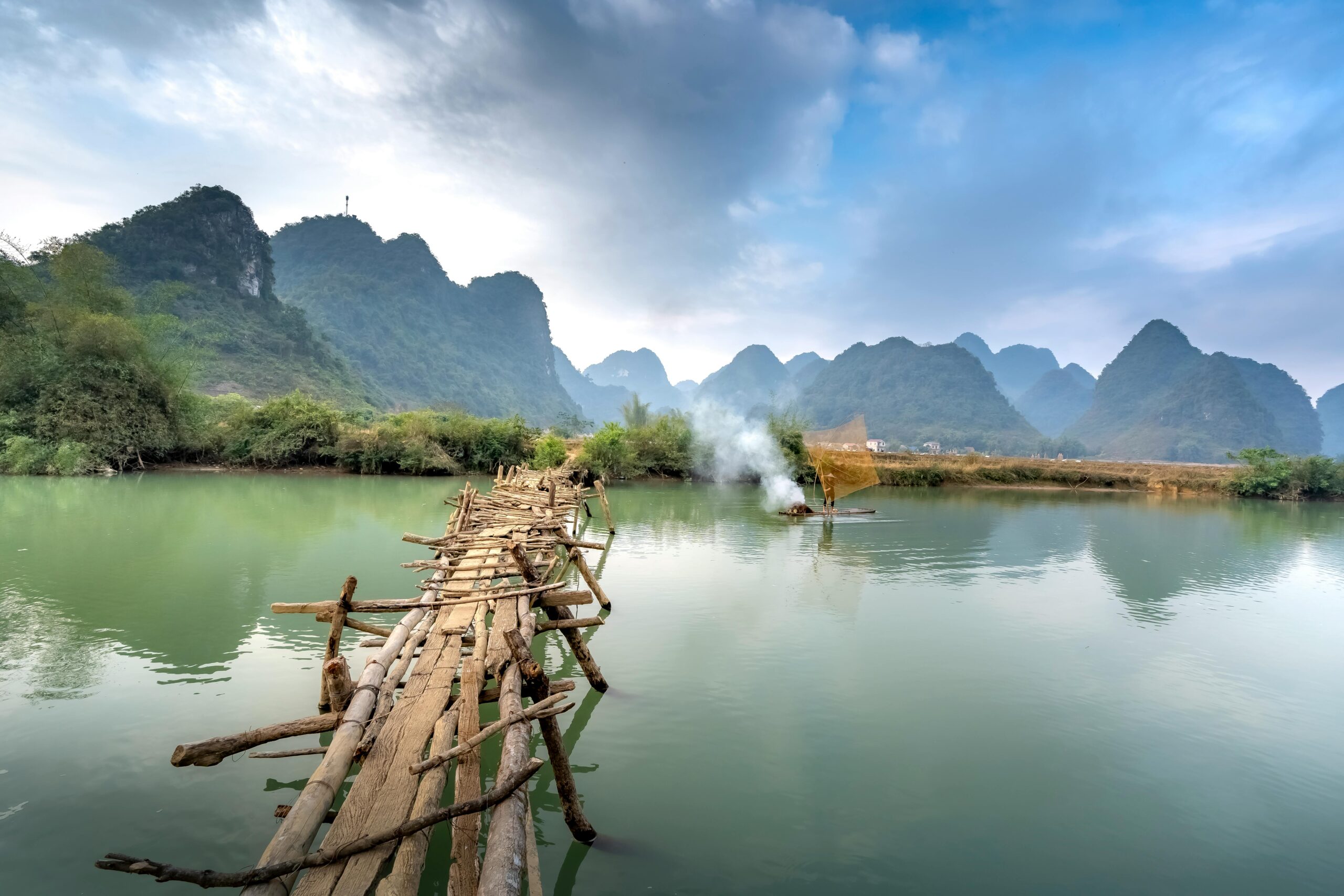
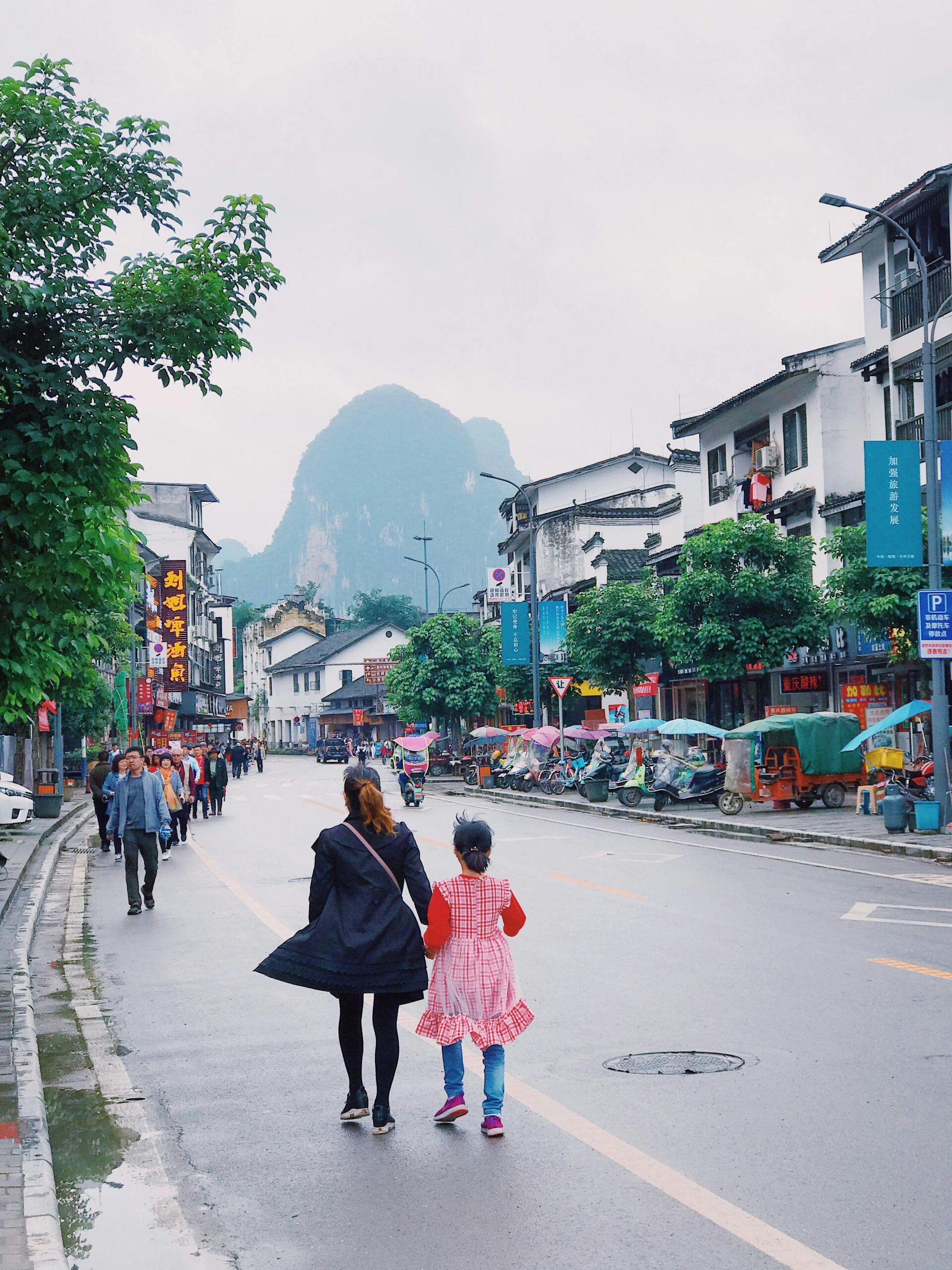
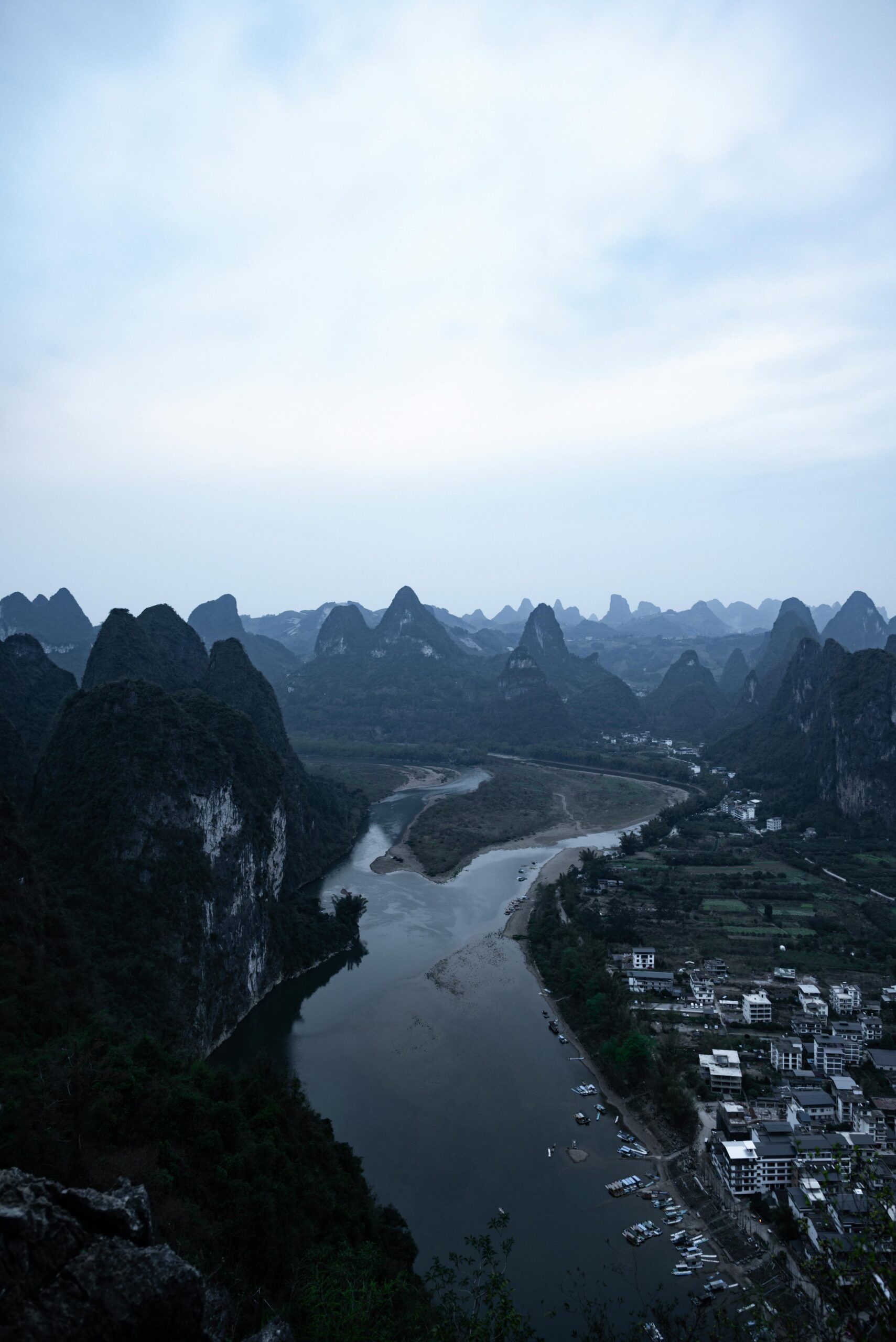
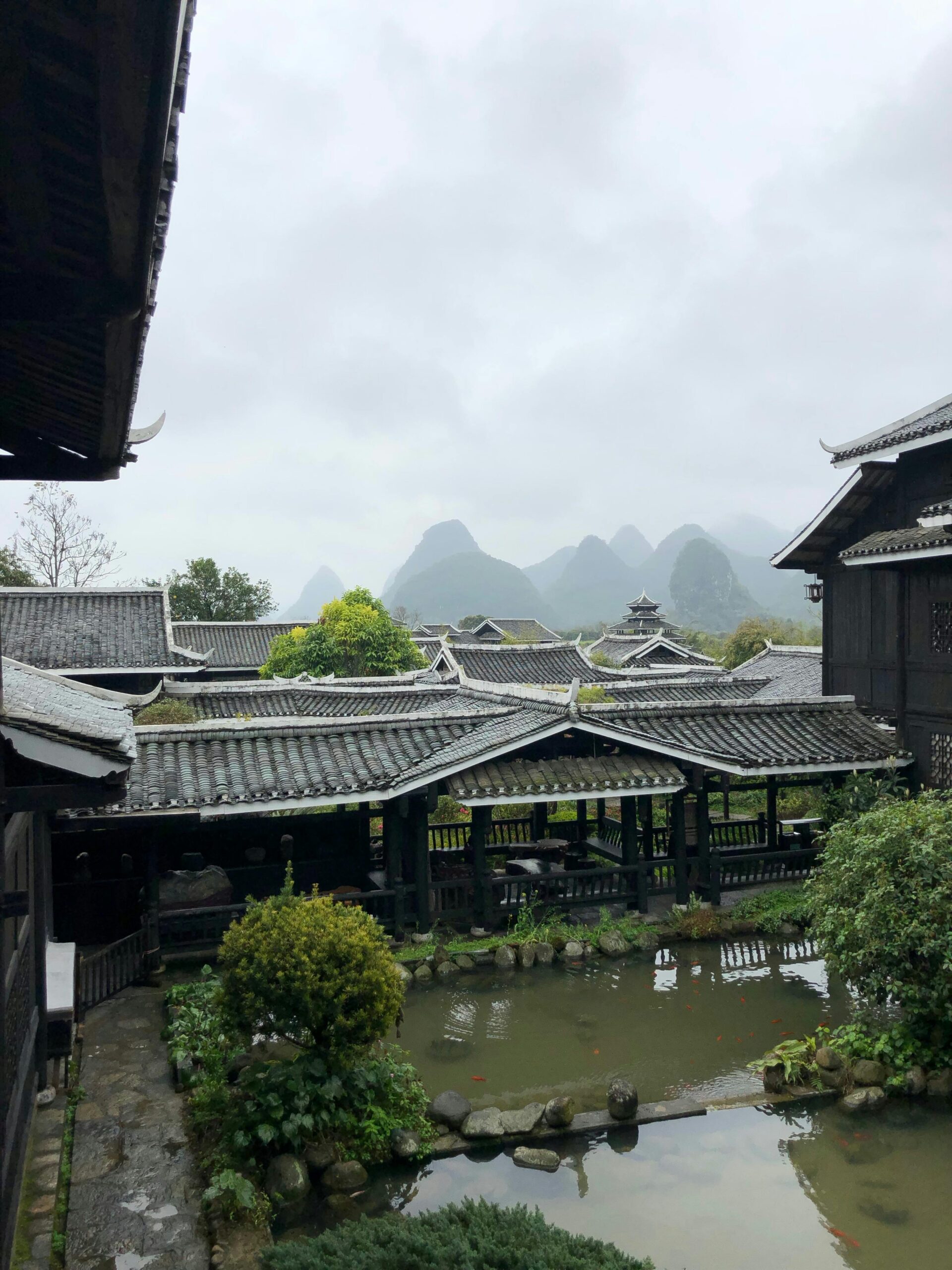
Guangxi is known internationally for Guilin and Yangshuo, but if you go further:
This region is ideal if you want dramatic landscapes and village walks, combined with easier transport from major hubs like Guilin.
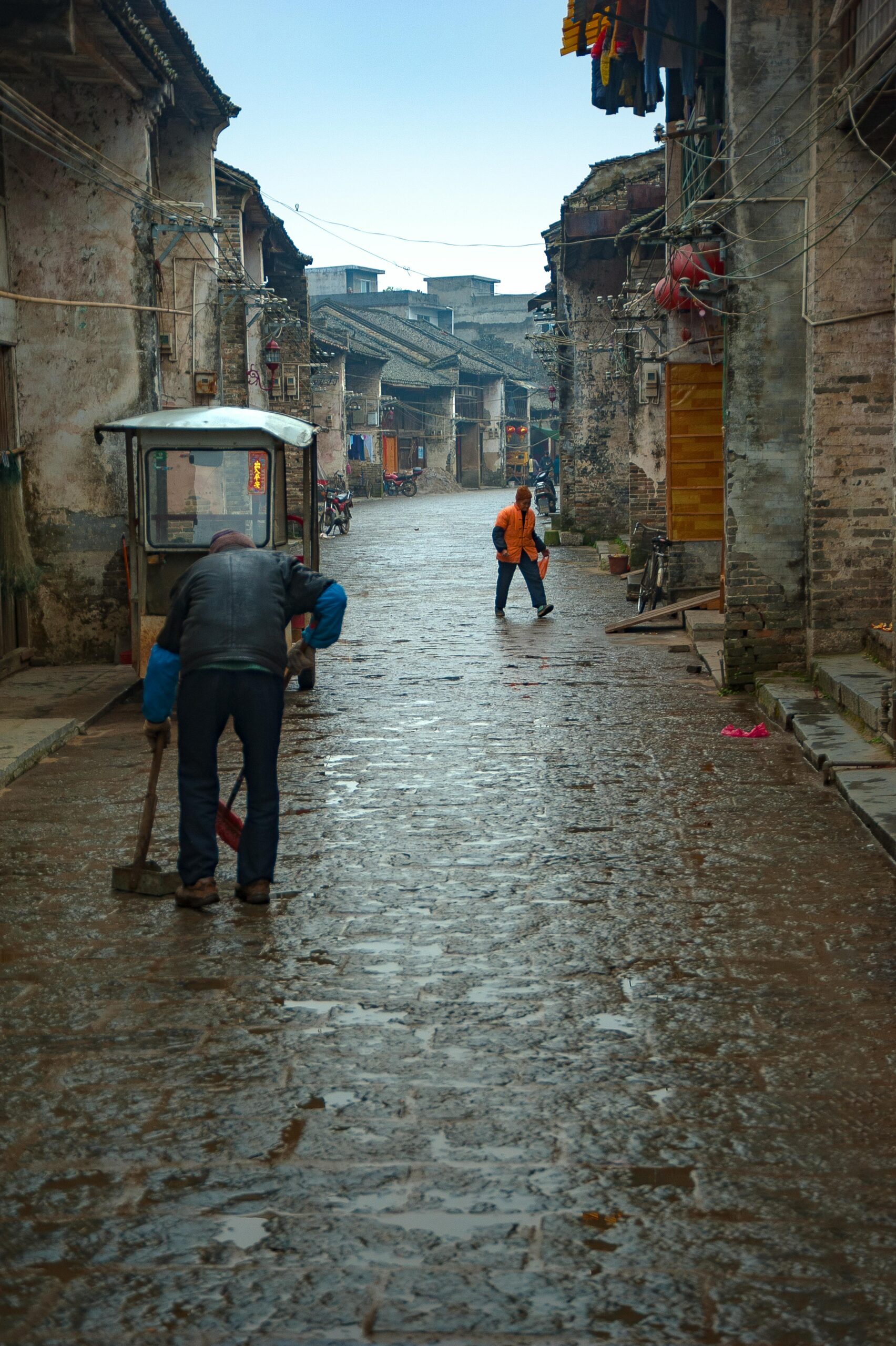

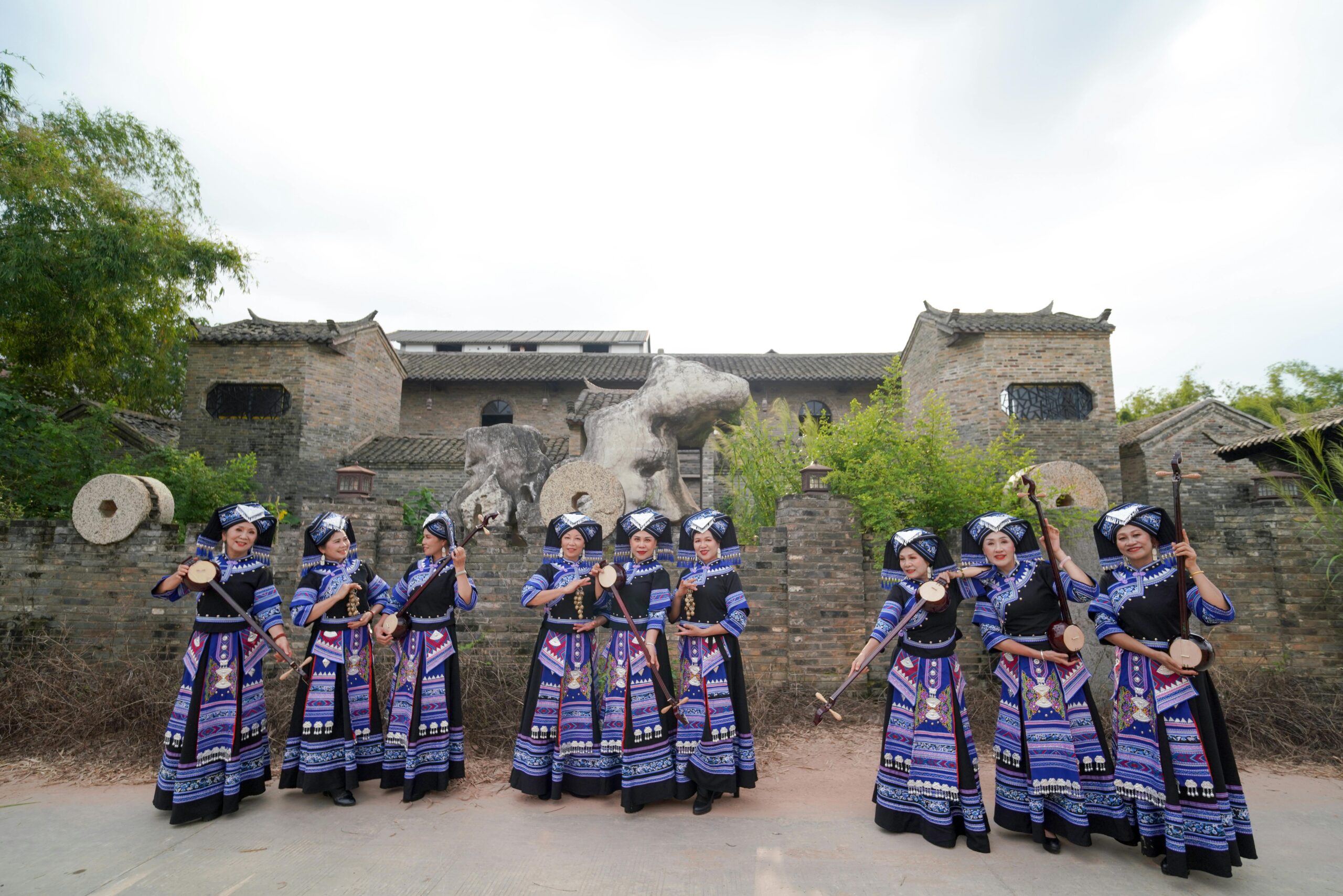

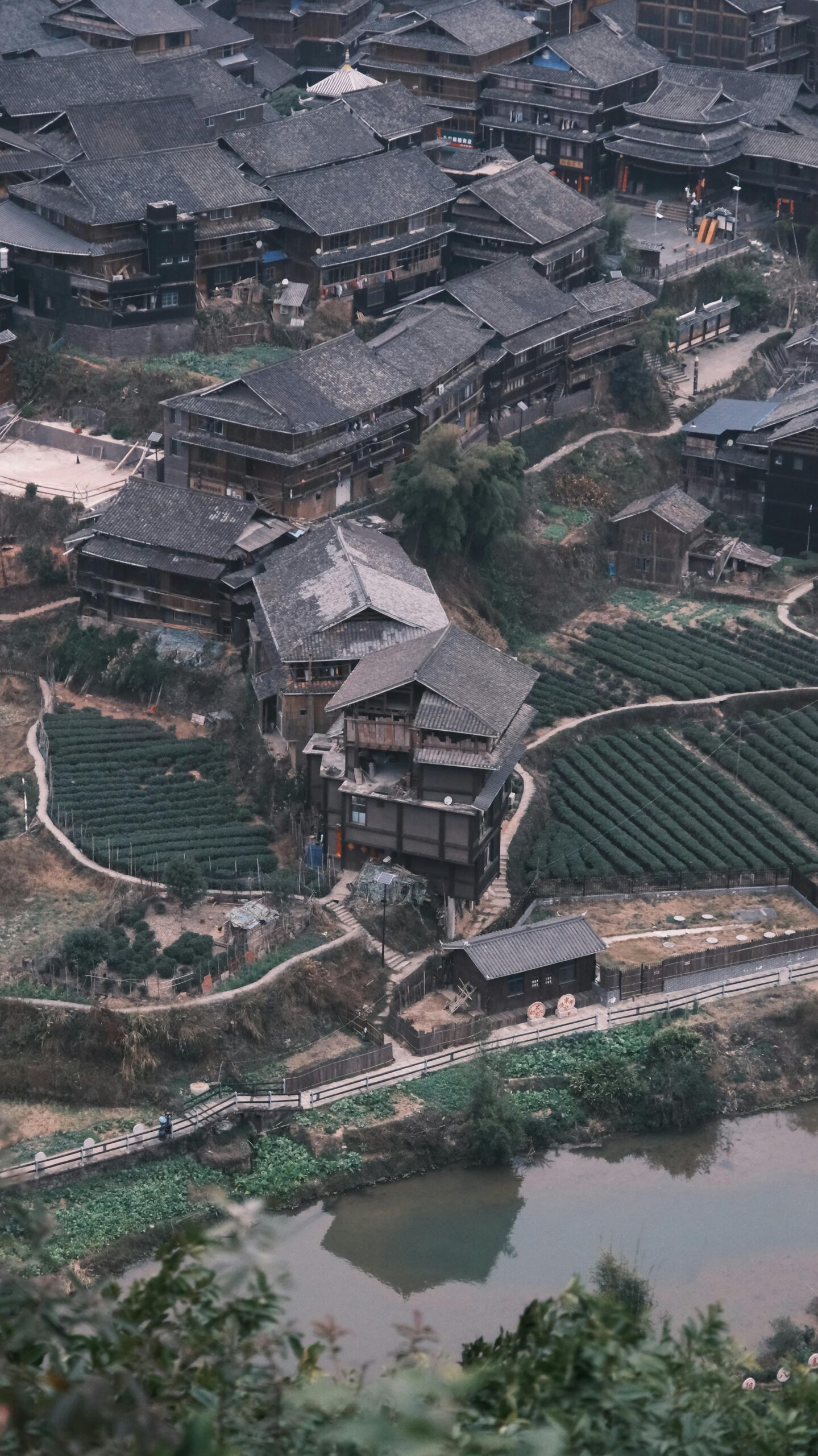

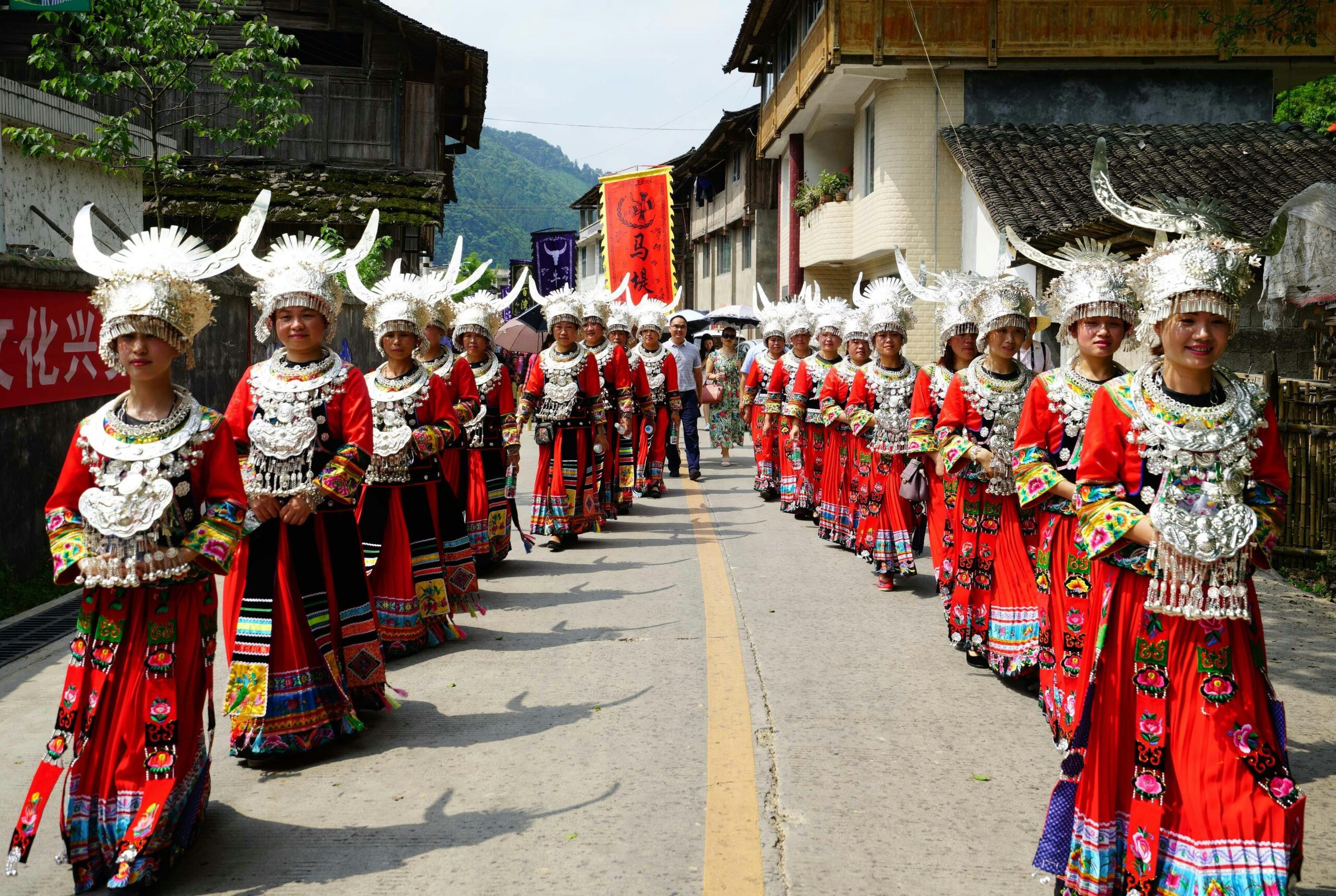


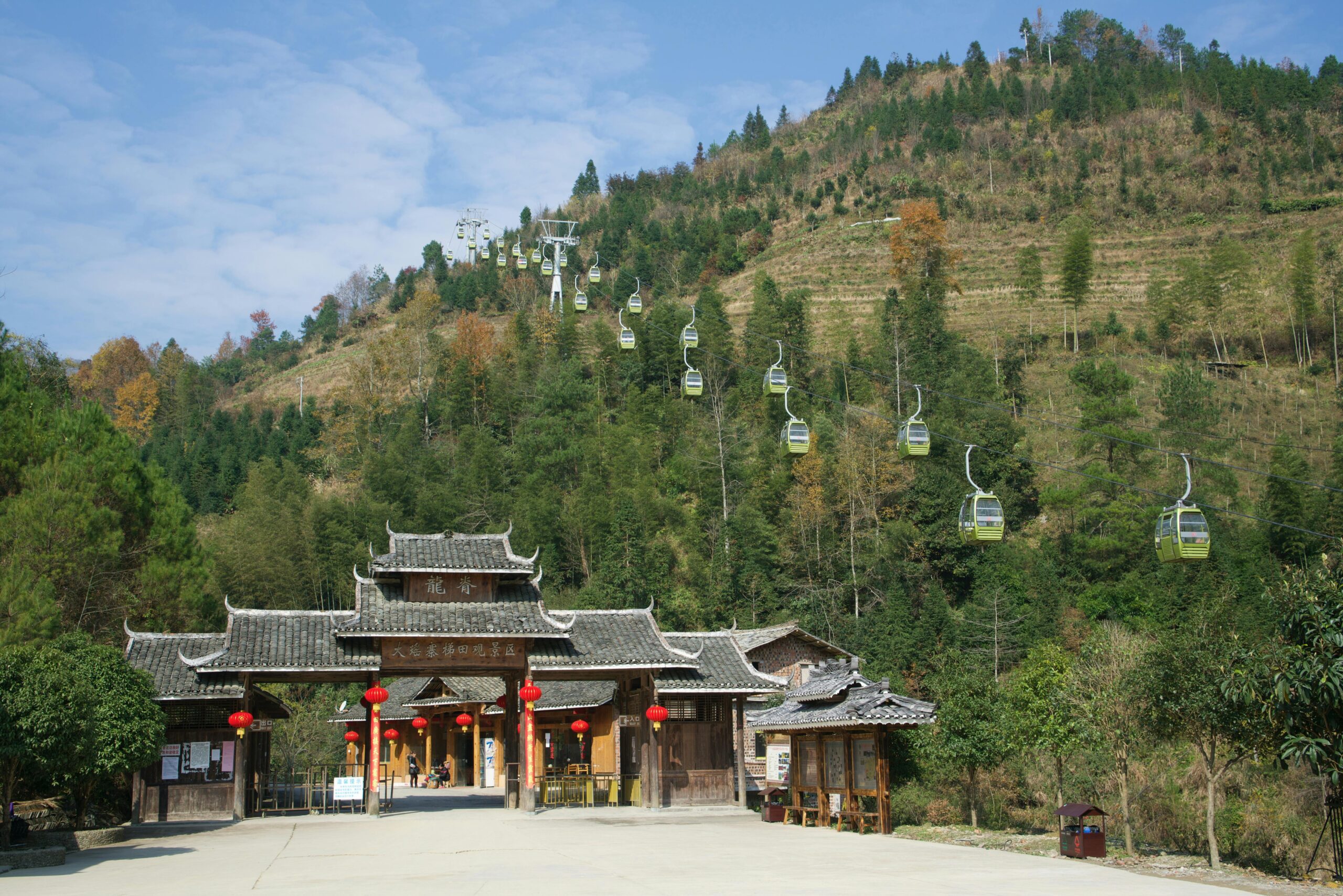



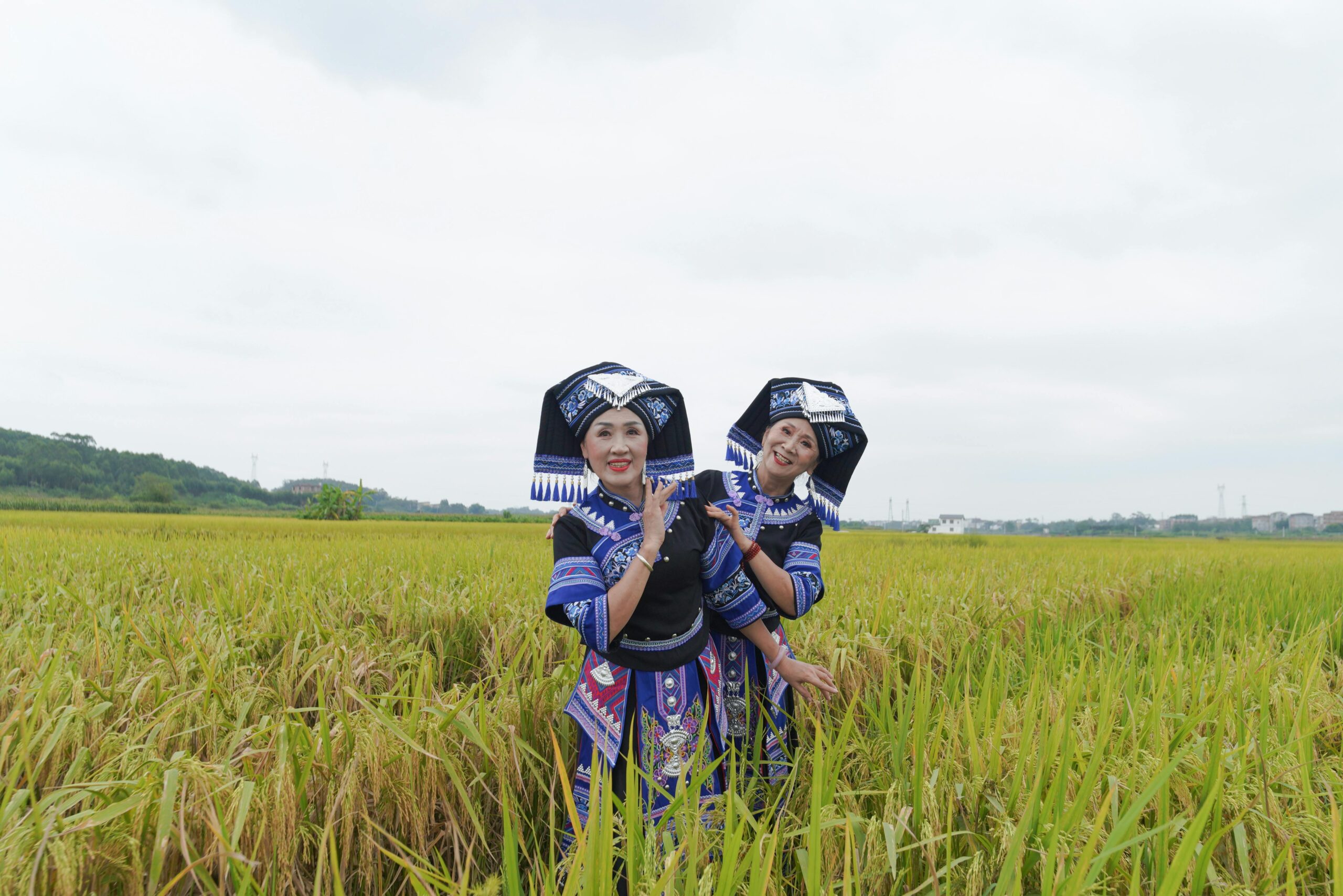
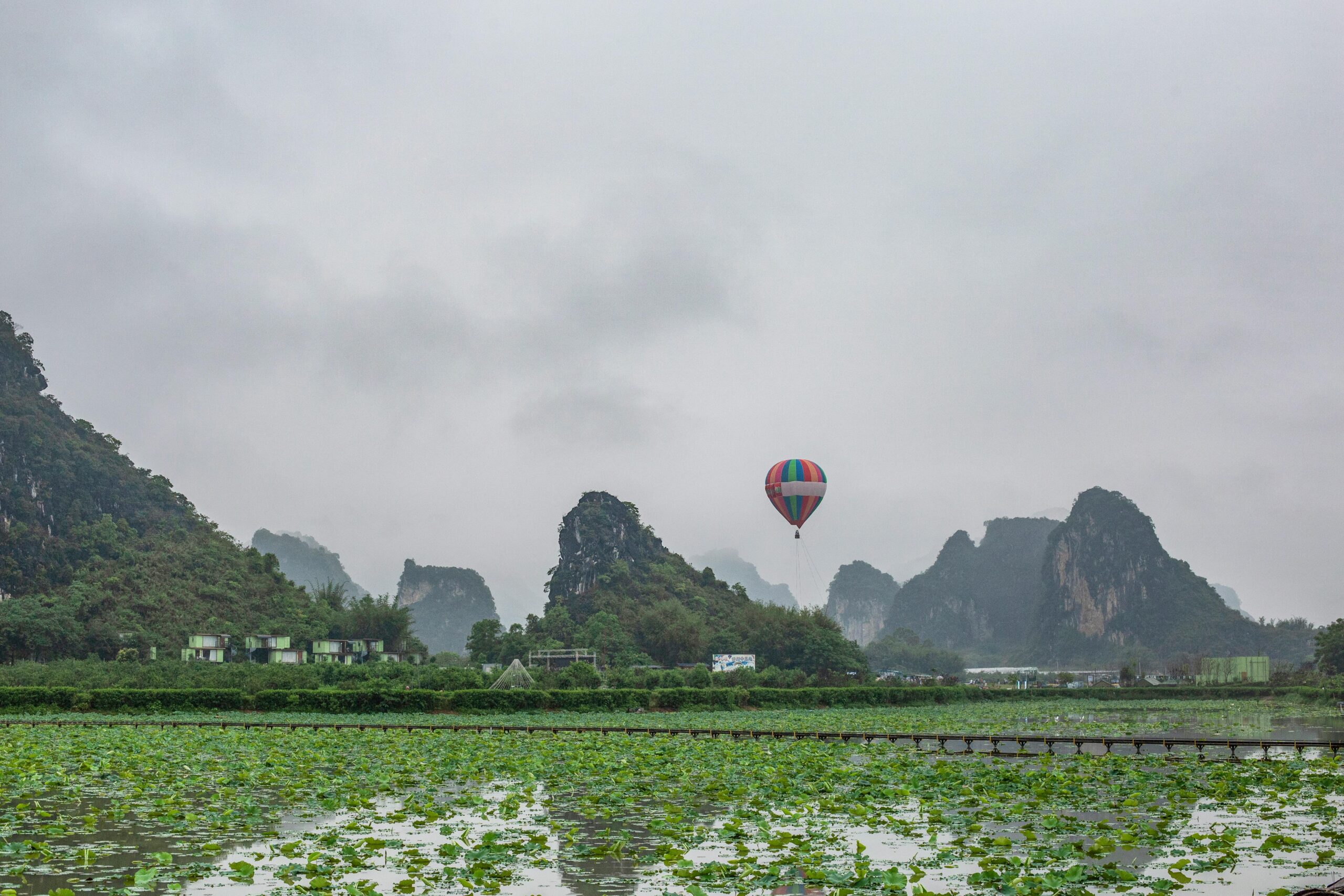
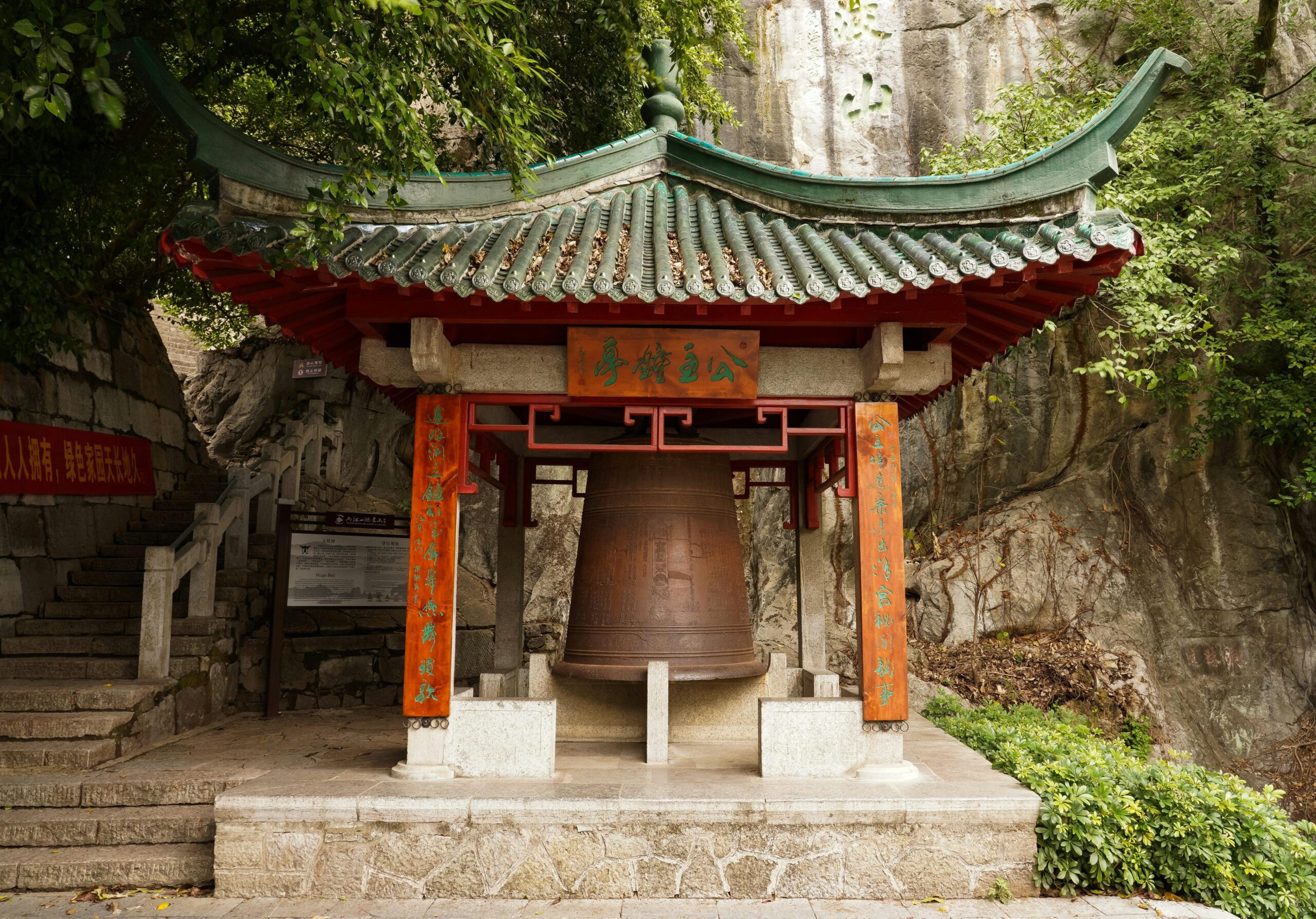
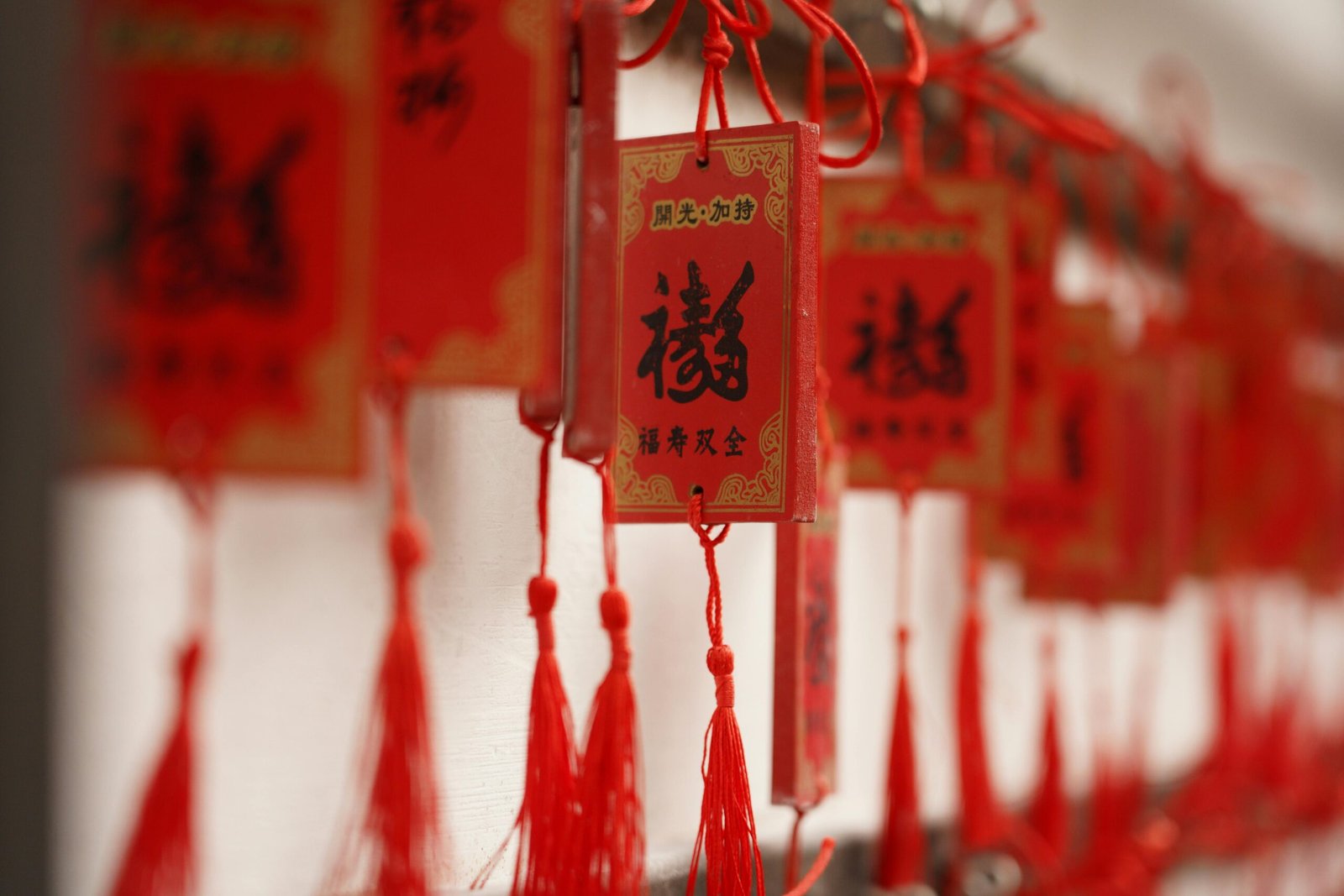








Depending on your travel style, you can design different types of itineraries in the Chinese countryside.
If you only have 1–2 extra days, you can:
This is a good first taste, but it doesn’t fully feel like “rural China travel” – more like a break from the city.
This is where rural tourism in China gets really interesting. A typical 3–5 day village itinerary might:
YellowBirdTour 5 Days Guizhou Authentic Minority Villages Tour is a concrete example of this style: starting and ending in Kaili, connecting 14 minority villages across 5 days with an English‑speaking local guide and all logistics arranged.
If you have more time, YellowBirdTour can help you link multiple rural regions, for example:
For this, traveling with a local agency that understands both urban and rural logistics is almost essential – especially if you don’t speak Chinese.
Rural China and ethnic minority villages are fascinating – but they’re not “themed parks”. It’s important to go with realistic expectations.
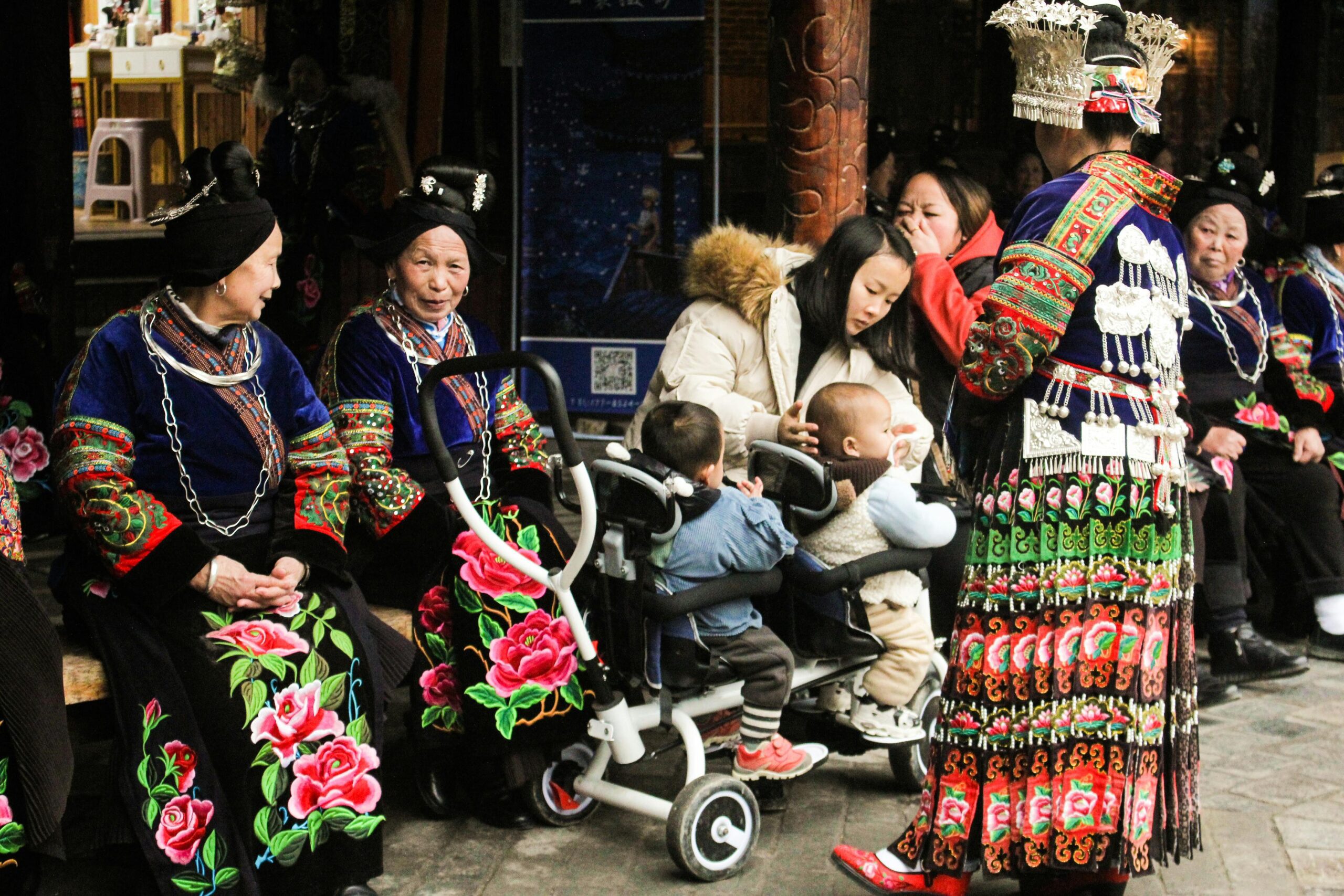
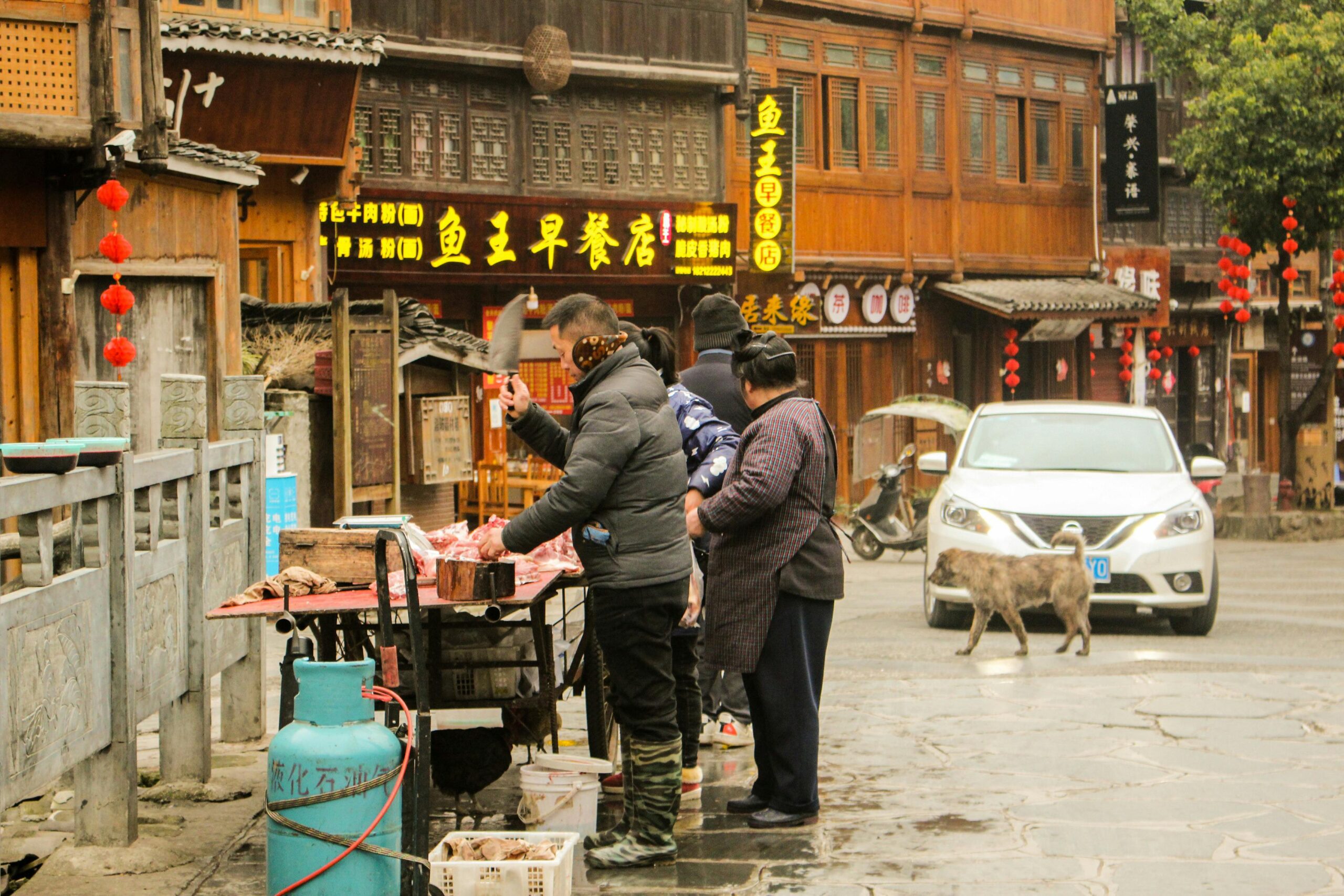
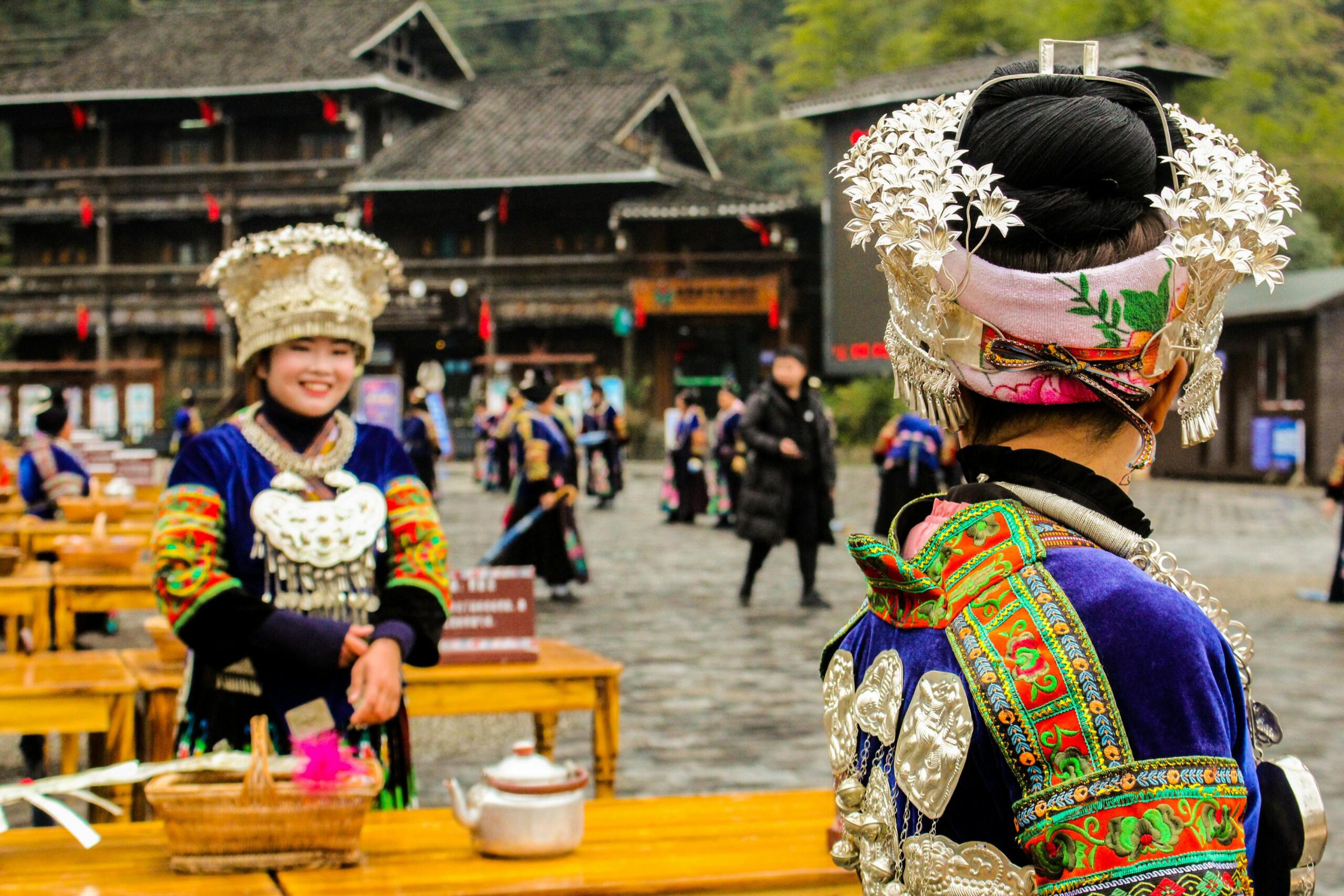
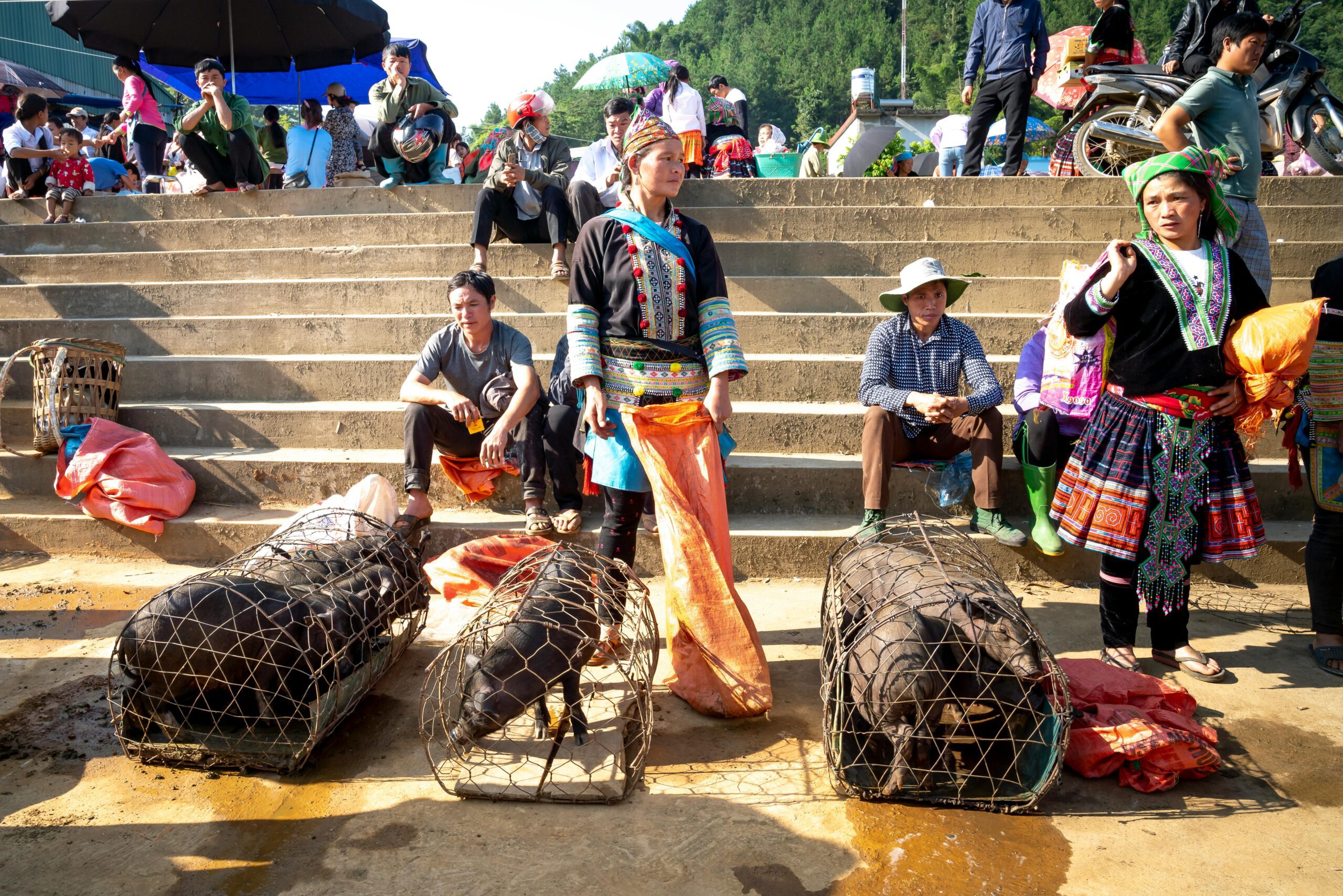
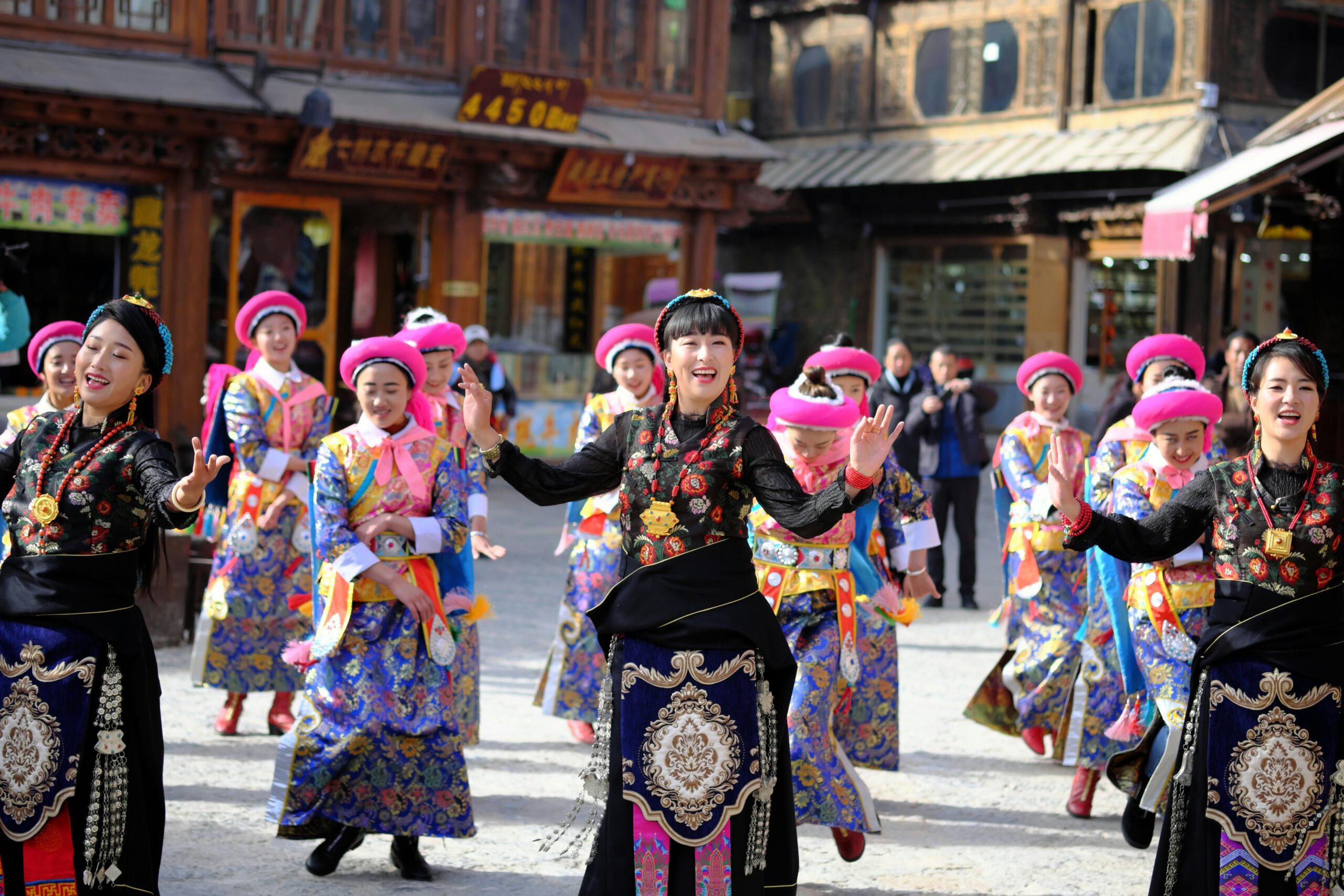
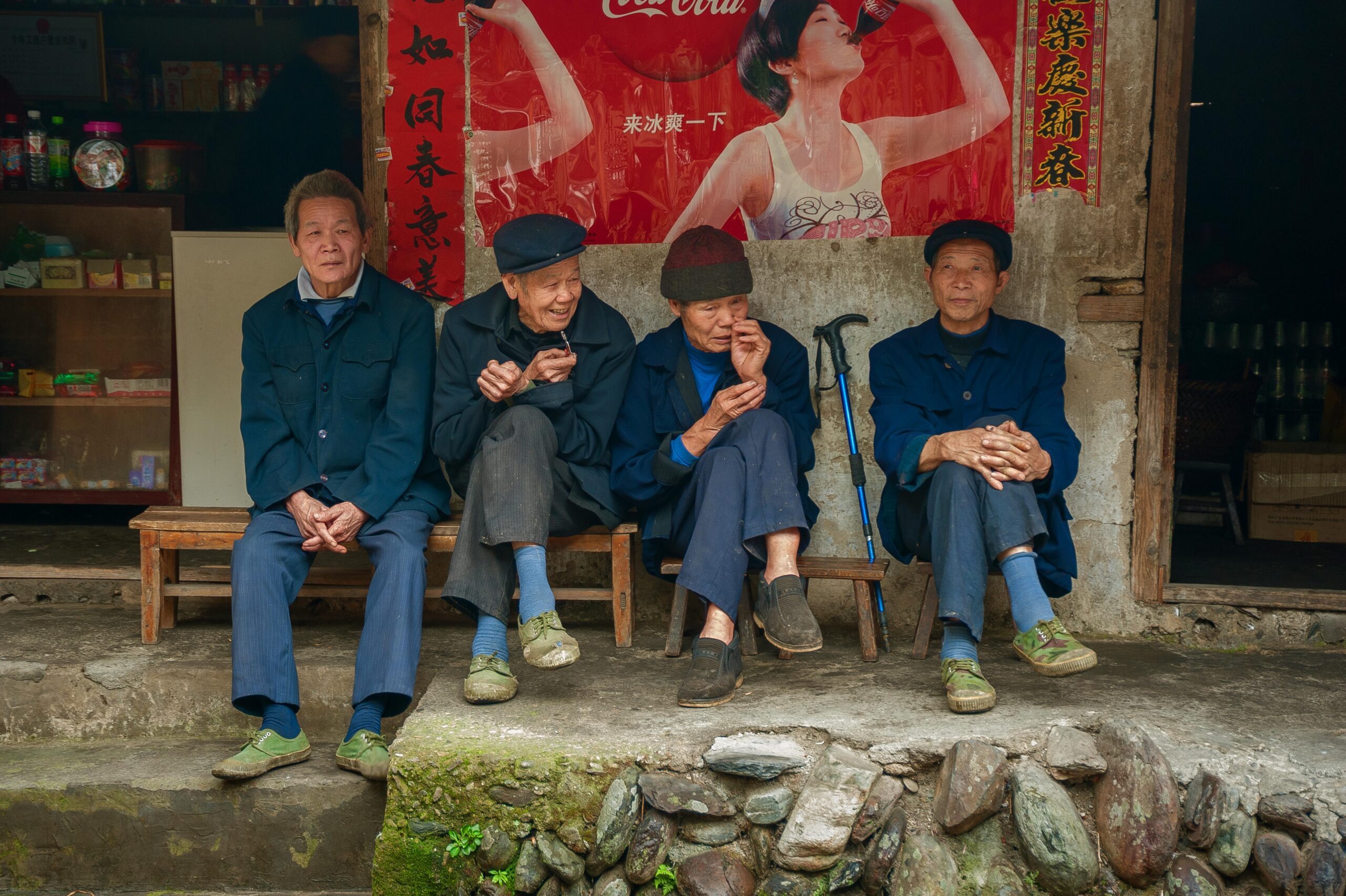
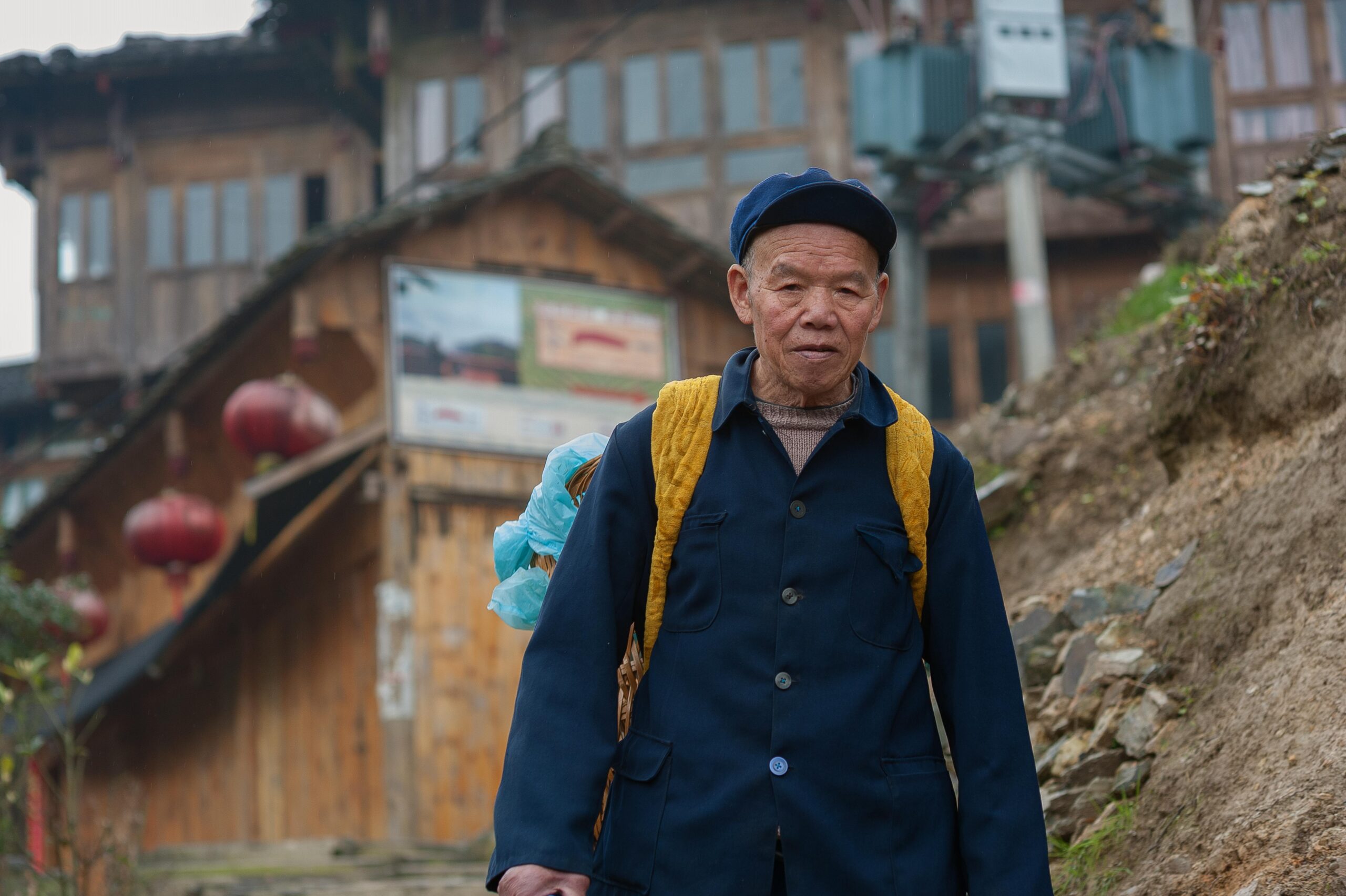
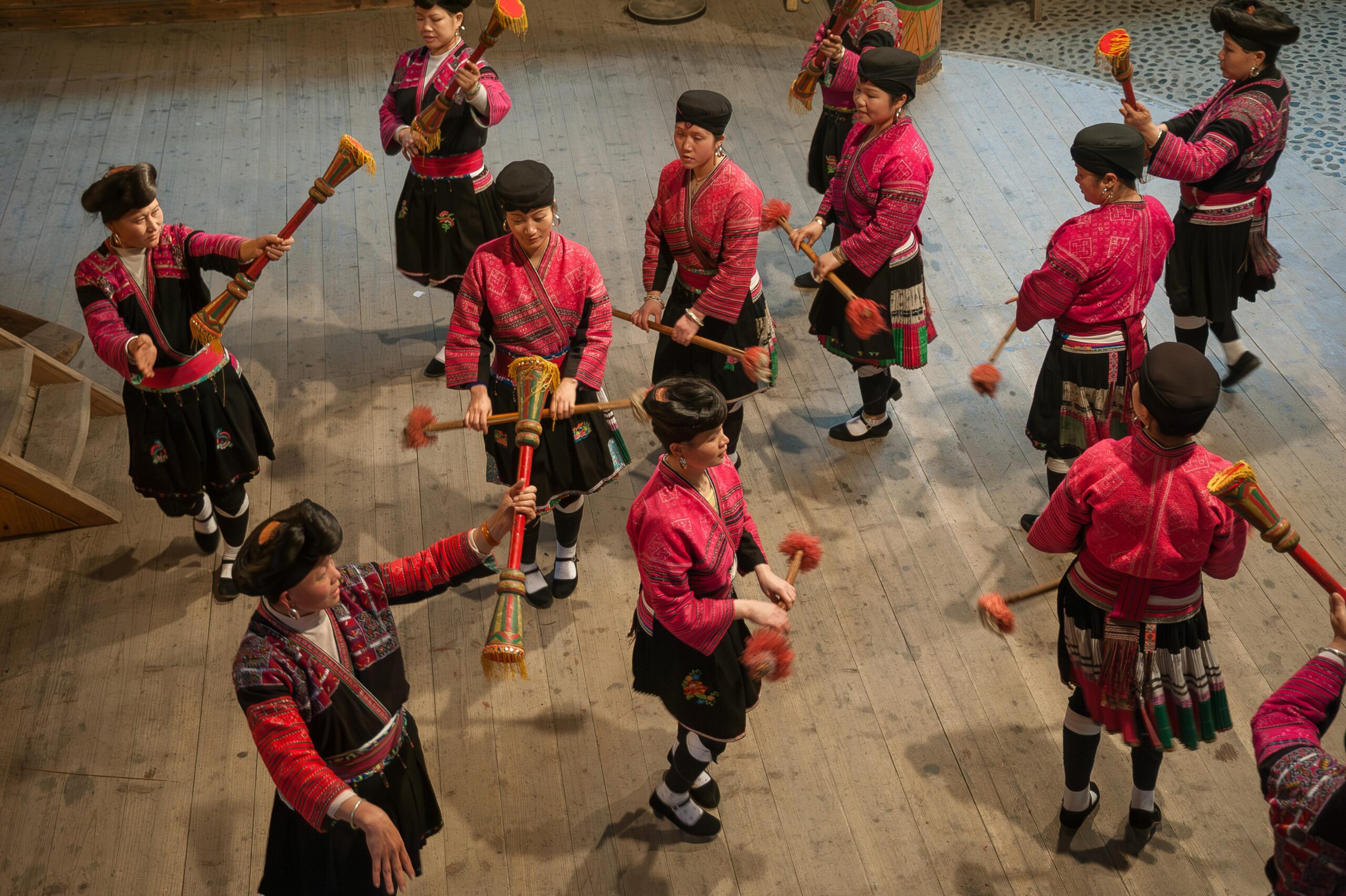
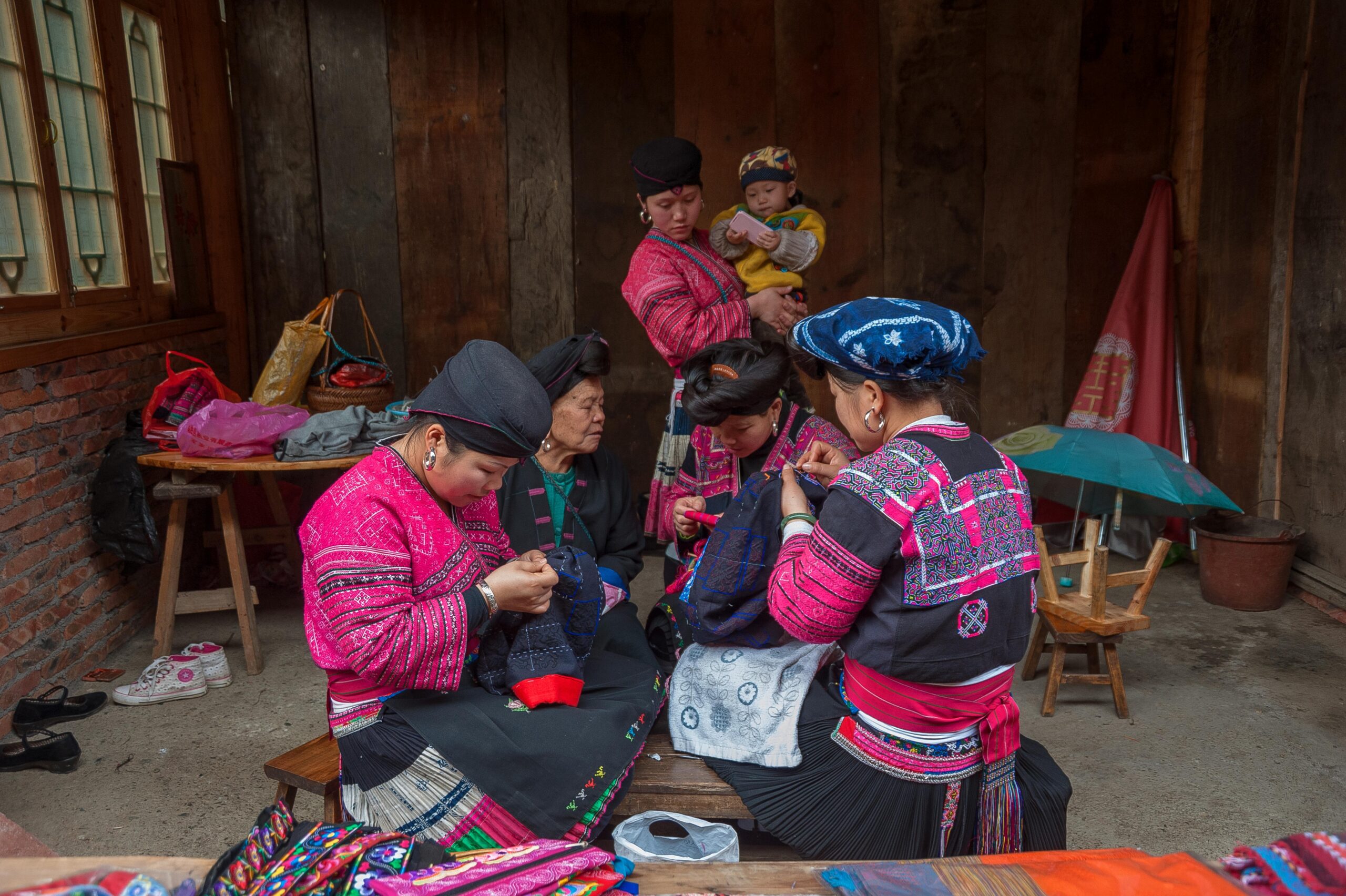
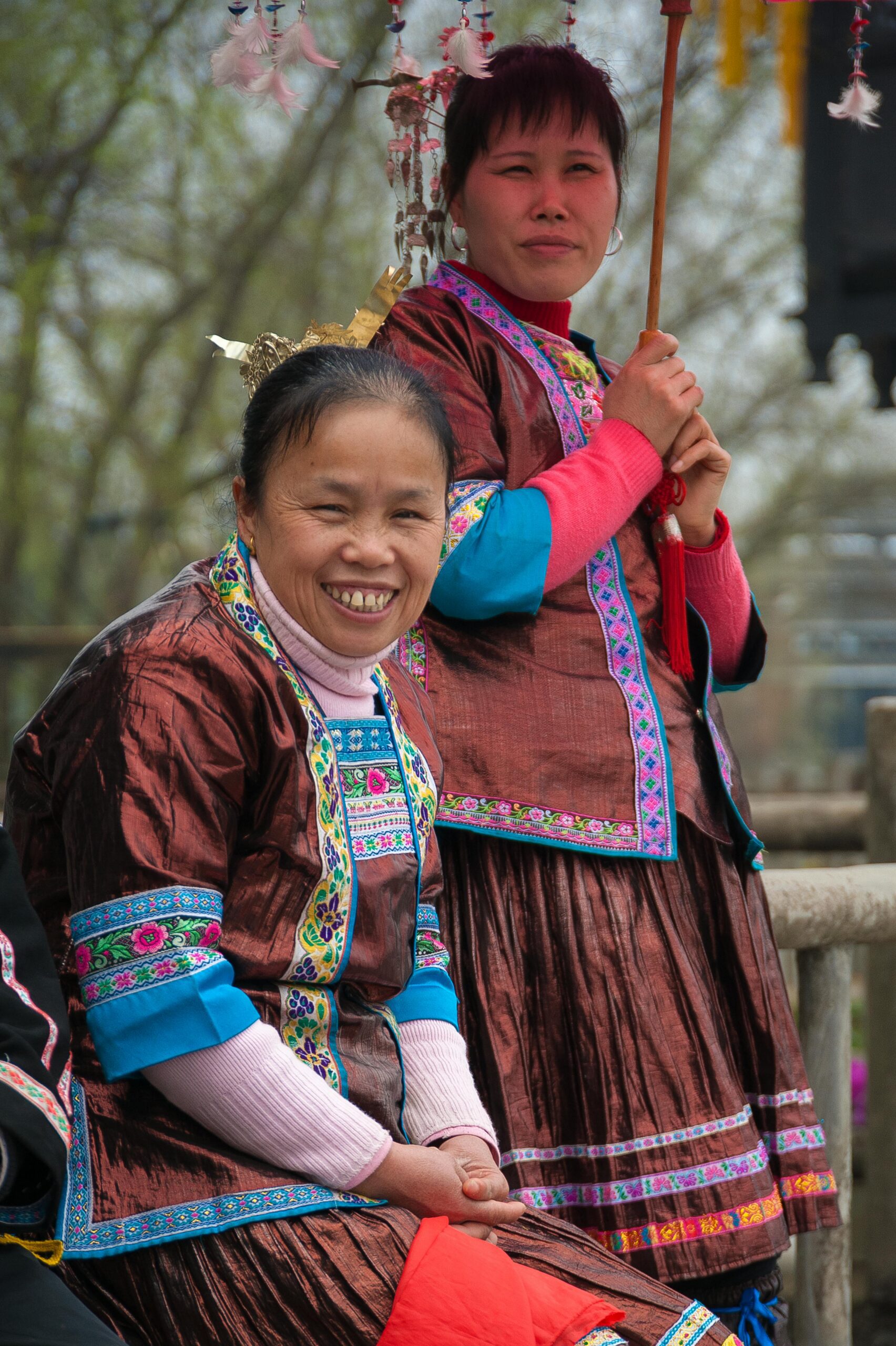
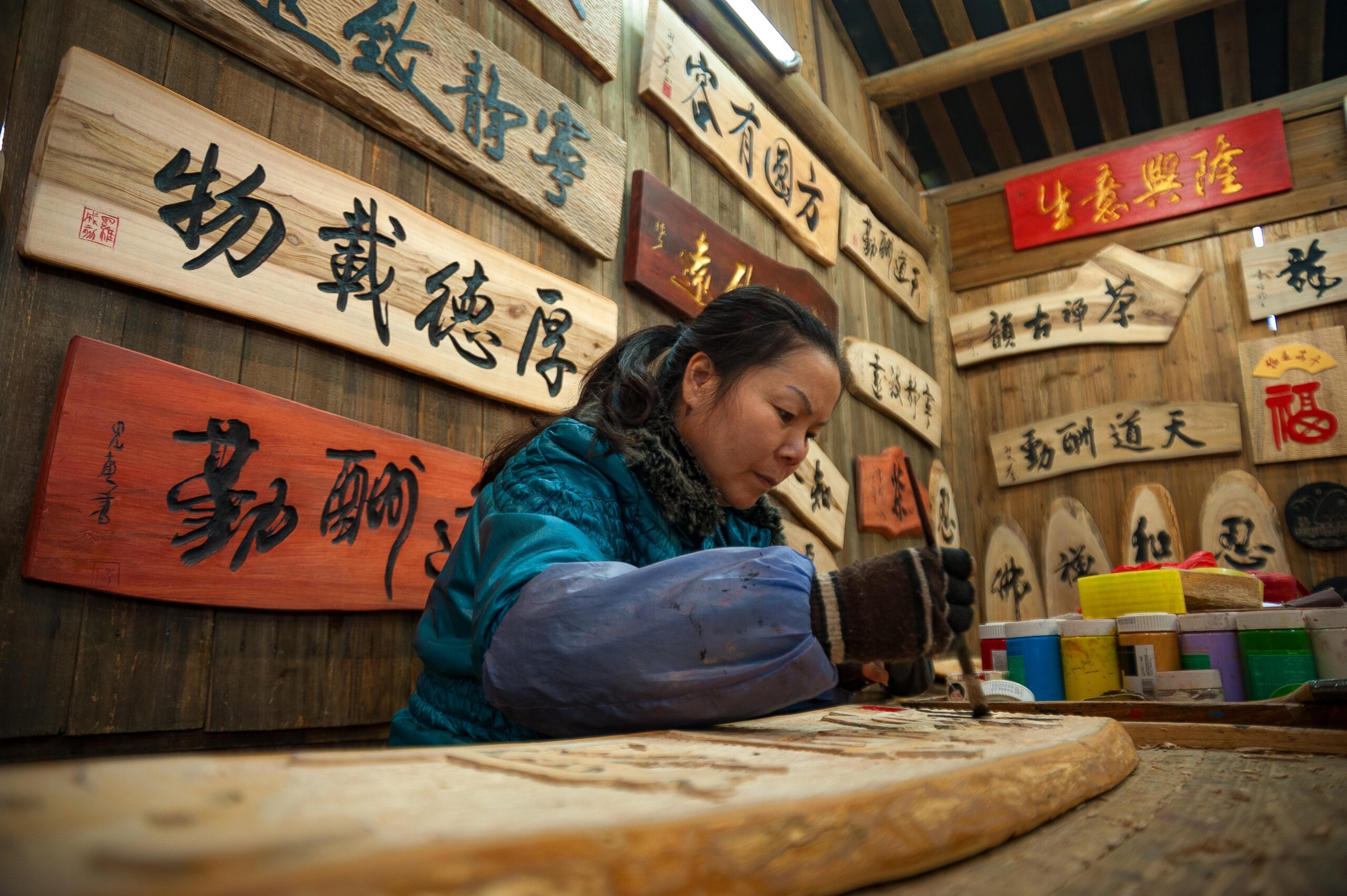
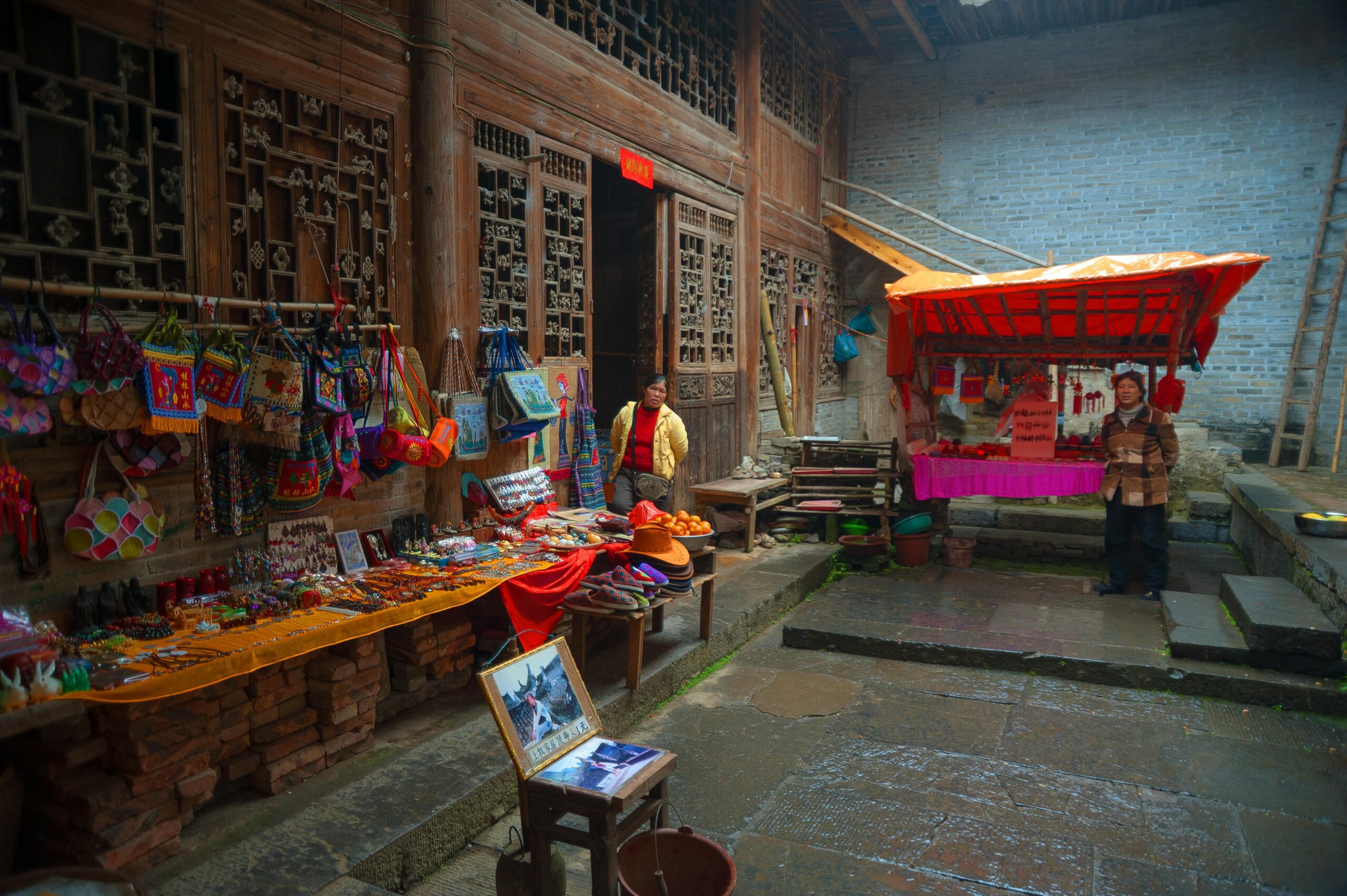
In authentic minority villages, expect to see:
This is not a polished show; it’s everyday life. Festivals and big ceremonies happen on specific days, which a local operator can help you plan around if you want to see them.
In rural villages, you will usually stay in:
YellowBirdTour carefully selects “local, clean and comfortable” accommodations in the villages it uses on its tours, to balance authenticity and comfort.
Food is one of the highlights of rural China travel:
If you have dietary restrictions, it’s much easier to manage with a local guide who can explain your needs in Chinese.
In most rural regions:
If you want to see terraced fields at their best or aim for specific festivals, ask a local agency like YellowBirdTour to time your trip correctly.

Typical pattern:
For example, on YellowBird Guizhou minority villages itinerary:
Trying to recreate this route independently is possible, but you’ll have to navigate Chinese‑only bus systems, irregular schedules, and village locations that are not always clearly marked online.
Outside cities, English is rarely spoken:
This is where traveling with an English‑speaking local guide and a local agency makes a big difference. Instead of struggling to ask “Where is the bus?” you can focus on enjoying the experience – talking to villagers through your guide, asking cultural questions, and understanding what you’re seeing.
Rural China is generally safe, but:
Cultural etiquette is important:
Responsible travel helps ensure that village tourism in China benefits local people and doesn’t damage traditions or the environment.
You might be wondering: “Can I just rent a car and explore rural China on my own?”
Pros:
Cons (especially for visitors who don’t speak Chinese):


This is where YellowBirdTour’s way of working is particularly valuable:
Local agency, not a distant reseller
YellowBirdTour is based in the region and operates its own tours. When you book, you’re dealing directly with a local operator – no middlemen, no hidden mark‑ups.
English‑speaking local guides
Their guides are based in China, know the villages personally, and can explain history, customs and daily life while helping you interact respectfully with local people.
Custom rural itineraries
Besides ready‑made tours like the 5 Days Guizhou Authentic Minority Villages Tour, YellowBirdTour can design tailor‑made routes:
Transparent pricing and logistics
Transfers, accommodations, entrance fees and most experiences are arranged in advance. You know what’s included and what isn’t, and you’re not paying commissions to foreign resellers.
On‑the‑ground support
If weather changes, a road closes, or your train is delayed, a local team can adjust your route quickly — something that’s hard to do alone when you don’t speak the language.
For travelers who want to experience rural China and minority villages without turning the trip into a daily logistics puzzle, a local operator like YellowBirdTour is often the most efficient and rewarding option.
To make all of this more concrete, here’s how a village‑focused rural itinerary actually plays out on the ground, based on YellowBirdTour’s 5 Days Guizhou Authentic Minority Villages Tour:
Day 1 – Arrival in Kaili, first Miao & Gejia villages
Meet your English‑speaking local guide and driver at the train station. Visit Matang Gejia Village to see batik making, then continue to Langde Upper Miao Village for a welcome ceremony with rice wine and singing. Overnight in Langde.
Day 2 – Miao villages and transfer to Dong area
Visit Paika Miao Village (lusheng instrument making) and Xinqiao “Mini Skirt” Miao Village. End the day in Dali Dong Village, staying overnight in a local guesthouse.
Day 3 – Minority market and terraced‑field hike
Explore a minority market, then transfer to Tang’an Dong Village. From there, hike through terraced fields for about an hour to reach Zhaoxing Dong Village, one of the most picturesque Dong settlements. Overnight in Zhaoxing.
Day 4 – Dong Grand Song villages and Basha Miao
Visit Huanggang Dong Village (known for Grand Song), Zhanli Dong Village (group wedding traditions), and Xiaohuang Dong Village. Continue to Basha Miao Village, famous for traditional hairstyles and unique customs. Overnight in Rongjiang.
Day 5 – Ancient crafts and return to Kaili
Visit Baibei Miao Village (bird‑feather clothing), Zenlei Shui Village, and Shiqiao Miao Village (traditional bark papermaking from the Tang dynasty). Return to Kaili, where the tour ends and you continue to your next destination.
If you’d like a similar trip adjusted to your dates, pace, budget, or combined with other regions, YellowBirdTour can adapt this route or design a custom one for you.
If you’re seriously considering a rural China trip, here’s a straightforward way to move from idea to plan:
Because YellowBirdTour is a local agency with over 15 years of experience in this region, you’re dealing with the people who actually operate the tours – not a generic global reseller. That means more flexibility, better local insight, and transparent pricing.
If rural China travel, village life and ethnic minority culture are what you’re looking for, the Chinese countryside – especially in Guizhou, Yunnan and Guangxi – offers some of the most authentic experiences you can have in the country.
With a local operator like YellowBirdTour handling the logistics and guiding, you can focus on what really matters: walking through quiet villages, talking to local families (through your guide), watching centuries‑old crafts, and discovering a side of China that most visitors never see.
If you’ve ever looked at a China trip and thought, “Amazing… but the visa paperwork
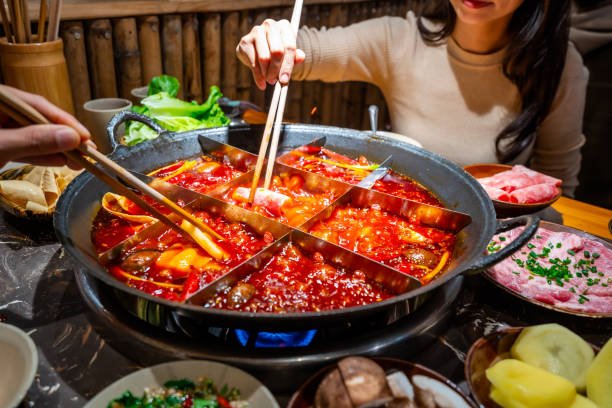
Chengdu has a reputation that arrives before you do: pandas, teahouses, and food that can

If you’re googling how to visit the Terracotta Warriors in Xi’an, you’re probably in one
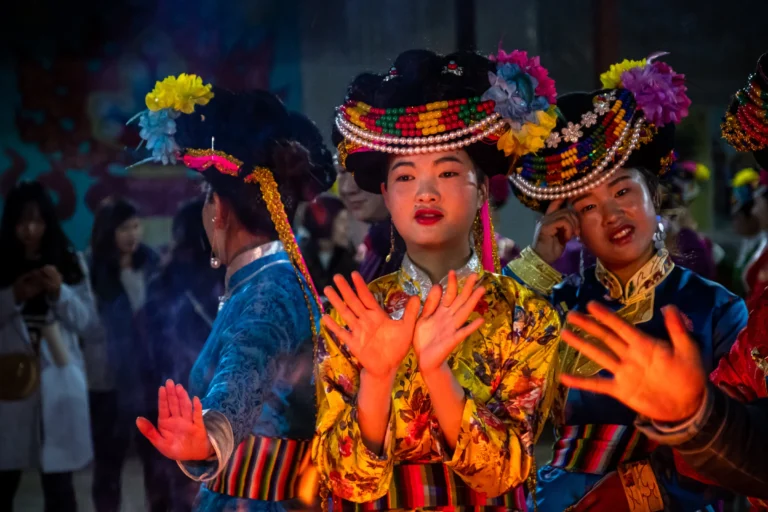
Luoshui Village Mosuo is one of those travel surprises that makes you re-check your map

A good Sanya itinerary 5 days should feel like a vacation, not a logistics exam.
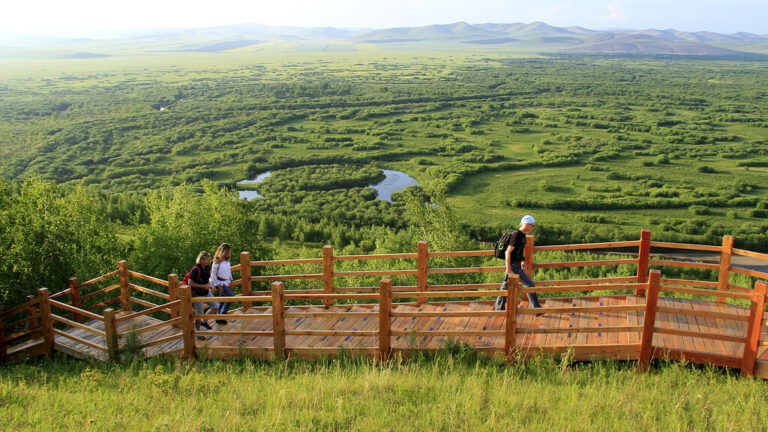
If you’re searching for an Inner Mongolia itinerary, you’ve probably discovered the first “problem”: Inner