Travel through Asia
Canadians Can Travel to China Visa-Free for 30 Days in 2026: What It Means (and How to Use It)
If you’ve ever looked at a China trip and thought, “Amazing… but the visa paperwork


China new 240‑hour (10‑day) visa‑free transit policy has turned long layovers into real travel opportunities. Instead of waiting in the airport, you can now spend up to ten days exploring some of China most iconic cities, landscapes and cultures – without applying for a regular tourist visa, as long as you meet the conditions of the transit policy.
This guide is designed for transit passengers who:
We’ll explain briefly how the 240‑hour visa‑free transit works, then suggest concrete itineraries and YellowBirdTour trips you can do from major airports like Beijing, Shanghai, Guangzhou, Chengdu and more.
YellowBirdTour is a local China tour agency: you book directly with us (no intermediaries, no hidden fees), travel with English‑speaking local guides, and we can customise your transit itinerary to match your exact flights and interests.

China’s visa‑free transit policy lets citizens of many countries (including the USA, most of Europe, Australia, Canada, etc.) stay in China without a visa for a limited time when they are in transit to a third country.
The 240‑hour version is the most generous:
For the latest, detailed rules (which ports are included, exact counting of hours, and eligible nationalities), always cross‑check with:
YellowBirdTour can help you interpret the rules for your specific route, but final eligibility always depends on immigration officers and current regulations.
China has also expanded 30‑day visa‑free entry for ordinary passport holders from a growing list of countries, allowing longer stays for tourism, business, family visits and transit. That’s different from the 240‑hour transit:
YellowBirdTour already has a detailed article and tour suggestions for 30‑day visa‑free visitors.
This article focuses only on the 240‑hour transit and what tours you can realistically do.
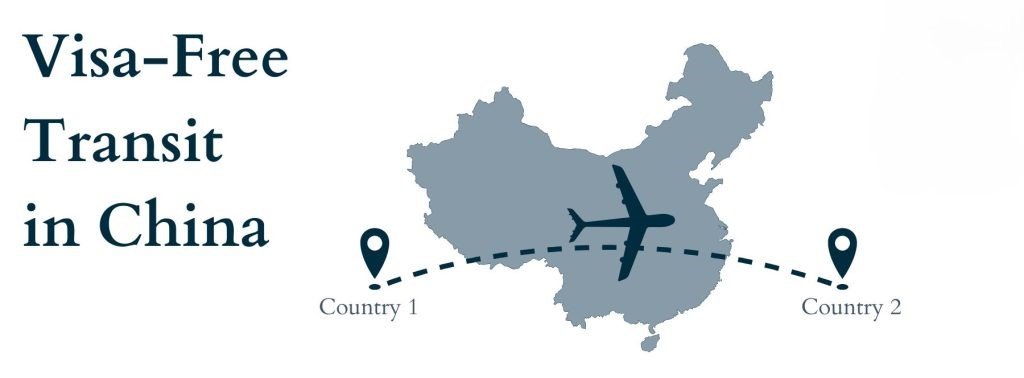

240 hours sounds like “10 days”, but in practice you need to consider:
Most travellers can comfortably use 5–8 days of actual sightseeing within a 240‑hour transit window. That’s enough to:
Because transit timing and routes are strict, having a local operator plan your route (including trains, domestic flights and transfers) helps you avoid mistakes and maximise your time on the ground.

Beijing is one of the main gateways covered by the visa‑free transit program and appears in virtually all “top 10 visa‑free transit destinations” lists.
If your 240‑hour transit gives you 2–4 days on the ground, you can focus on the essentials:
YellowBirdTour Beijing‑focused itineraries can be adjusted to fit a transit schedule. A typical 3–4 day custom tour might include airport pick‑up, a Great Wall day trip, Forbidden City, hutongs, and evening food walks.
Good match for 2–4 days:
We’ll coordinate your hotel, transfers and sightseeing around your flight times, so you don’t waste hours figuring out local transport or ticketing.

With more time within your 240‑hour window, you can add another city:
Because high‑speed trains connect Beijing and Xi’an efficiently, and domestic flights link Beijing and Harbin, a local agency like YellowBirdTour can design a feasible route that stays within 240 hours and respects the transit rules.

Shanghai is another major transit hub included in visa‑free transit routes and is frequently recommended for short and medium‑length stays.
With 2–4 days you can enjoy:
YellowBirdTour 4 Days Shanghai City Tour already combines Shanghai highlights with a comfortable pace. For transit passengers, we can:

For a 240‑hour transit with 5–7 days available, Shanghai can be the start of a fantastic city‑plus‑nature combo:
YellowBirdTour offers Guilin & Yangshuo nature itineraries as part of our Guangxi tours. We can adapt them to fit a shorter transit window, coordinating a direct flight from Shanghai to Guilin and back to your exit point.

Chengdu and Chongqing are increasingly popular stopover points and are included in many 240‑hour transit itineraries.
If your transit brings you to Chengdu, you can spend a few days enjoying:

YellowBirdTour has Chengdu Panda & Sichuan Culture routes that can be adapted to:
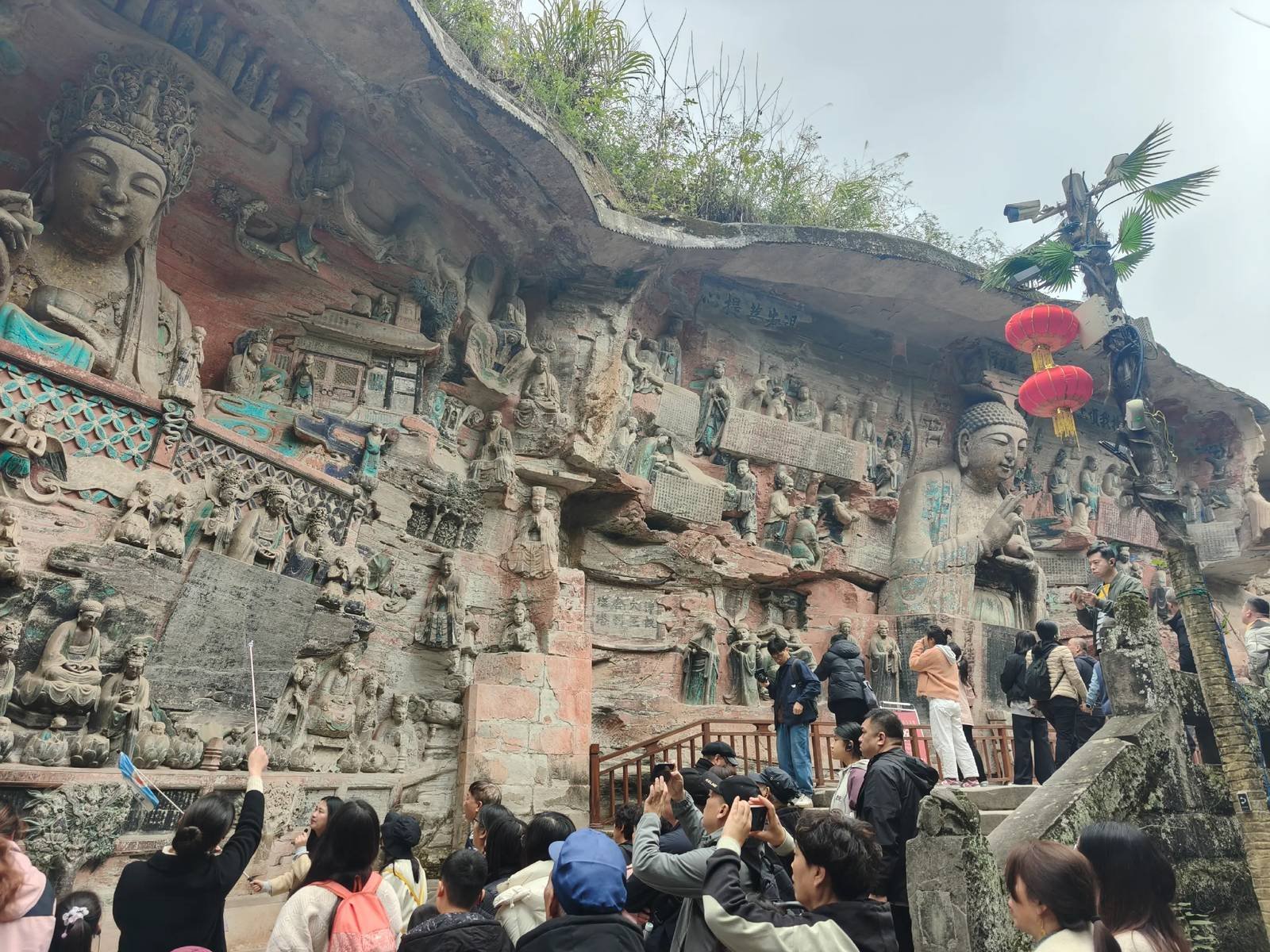
With more time, you can extend your transit to include:
Again, we’d structure this within the 240‑hour window and ensure your inbound and outbound flights satisfy transit conditions.

Many transit passengers are happy with one or two big cities. But if your passion isrural China travel and ethnic minority villages, you might ask:
“Can I use my 240‑hour visa‑free transit to visit less touristy areas?”
In some cases, yes – especially if you arrive in a hub that connects efficiently to rural regions.
If your 240‑hour transit gives you 5–7 days on the ground, it may be possible to:
For example, one of YellowBirdTour’s flagship itineraries is the5 Days Guizhou Authentic Minority Villages Tour, starting and ending in Kaili. During this tour you visit:

This kind of route gives you a deep taste of rural life and minority culture in just 5 days. If your flights and transit conditions fit, we can combine:
We would need to check:
If your priority is rural China and villages (Guizhou, Guangxi, Yunnan), tell us:
Our local team will:
Because YellowBirdTour specialises in both classic city tours and off‑the‑beaten‑path routes (Tibet, Guizhou, Yunnan, etc.), we can craft something that uses your transit time in a unique way.
Many big international players now advertise “240‑hour visa‑free tours” across China. What makes YellowBirdTour different is how we operate:
For transit passengers with strict time limits, having a local agency that understands real‑world schedules, ticket availability and travel times is crucial.



This is particularly helpful when you must stay within the 240‑hour period and transit rules: mistakes can cause stress at immigration – something a local team helps you avoid.
Unlike fixed group tours, we can:
Our goal is to transform your long layover into a mini‑China adventure, without you having to navigate complex logistics alone.
According to major travel resources and official guidance, in many cases you can move within the designated 240‑hour transit area, which often covers multiple cities and provinces (for example, Beijing–Tianjin–Hebei region, or wider areas that include Shanghai, Jiangsu, and Zhejiang). However, details vary by port and policy.
YellowBirdTour will help you design an itinerary that respects the current rules for your arrival and departure ports and nationality. Final decisions are always made by Chinese immigration officers.
Information from official and major travel sites indicates that for 144‑hour and 240‑hour transit, the period is usually counted from 00:00 on the day after your arrival; you must depart before the cut‑off time. But rules can change, so always check the latest official guidance and confirm with your airline.
It’s strongly recommended:
Yes. If you send us:
We can give you feedback based on the latest publicly available information and design a tour that fits within the transit framework. For legal certainty, you should also check with the Chinese embassy or consulate and your airline.
China’s 240‑hour visa‑free transit policy is a unique opportunity: instead of spending a long layover in the airport, you can enjoy up to ten days discovering Beijing, Shanghai, Guilin, Chengdu, Harbin, minority villages in Guizhou, and more.
YellowBirdTour can help you:
To get started:
We’ll help you make the most of your 240 hours in China.
If you’ve ever looked at a China trip and thought, “Amazing… but the visa paperwork
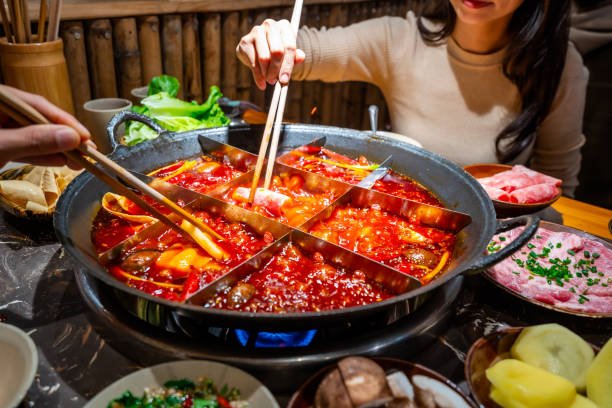
Chengdu has a reputation that arrives before you do: pandas, teahouses, and food that can

If you’re googling how to visit the Terracotta Warriors in Xi’an, you’re probably in one

Luoshui Village Mosuo is one of those travel surprises that makes you re-check your map

A good Sanya itinerary 5 days should feel like a vacation, not a logistics exam.

If you’re searching for an Inner Mongolia itinerary, you’ve probably discovered the first “problem”: Inner