 English
Travel through Asia
Silk Road and Qinghai Lake: A best tour in 2026
Explore the Silk Road and Qinghai Lake. Uncover ancient history, vibrant cultures, and breathtaking scenery. Begin your unforgettable journey now!
 EnglishEnglish


Qinghai Lake or Chaka Salt Lake? If you’re planning a trip through northwest China, you’ve probably seen photographs of both. One is an enormous blue lake surrounded by mountains and grasslands. The other is a white salt lake famous for reflecting the sky so clearly that people appear to be walking among the clouds.
They look completely different, yet they’re close enough to combine in the same itinerary. So which one deserves a place on your trip?
Qinghai Lake is a natural fit for travelers who enjoy wide-open landscapes, cycling, wildlife and mountain scenery. Chaka Salt Lake attracts visitors interested in reflections, photography and its extraordinary white salt surface. And if you have enough time, visiting both gives you two very different views of the Qinghai Plateau.
Let’s compare the scenery, photography opportunities, weather and travel logistics so you can decide how to plan your visit.
Although both lakes are located in Qinghai Province, the experience changes considerably from one to the other.
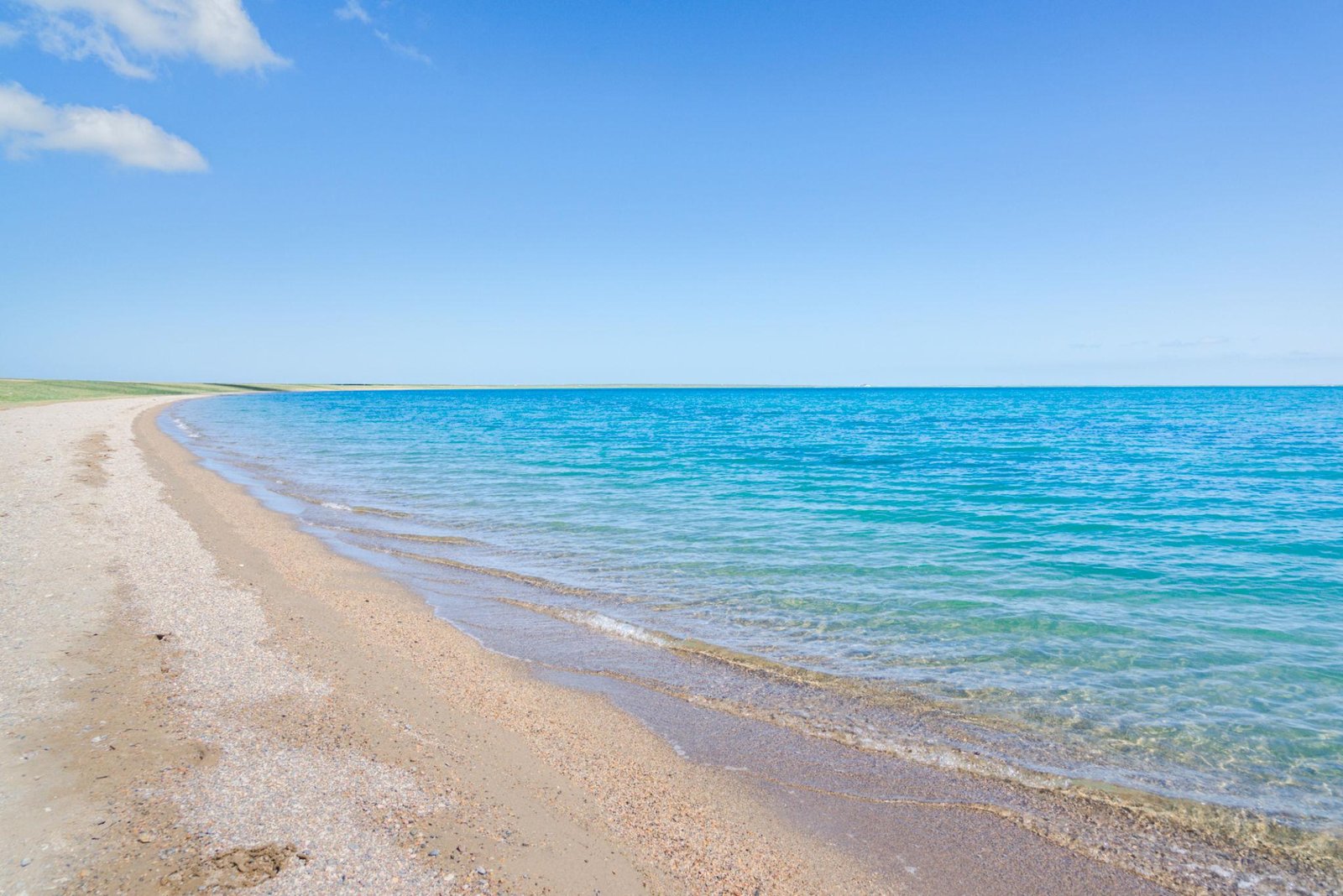
Qinghai Lake is China’s largest inland saltwater lake. Its enormous blue waters stretch toward distant mountains, with grasslands, wetlands and seasonal vegetation along the shores.
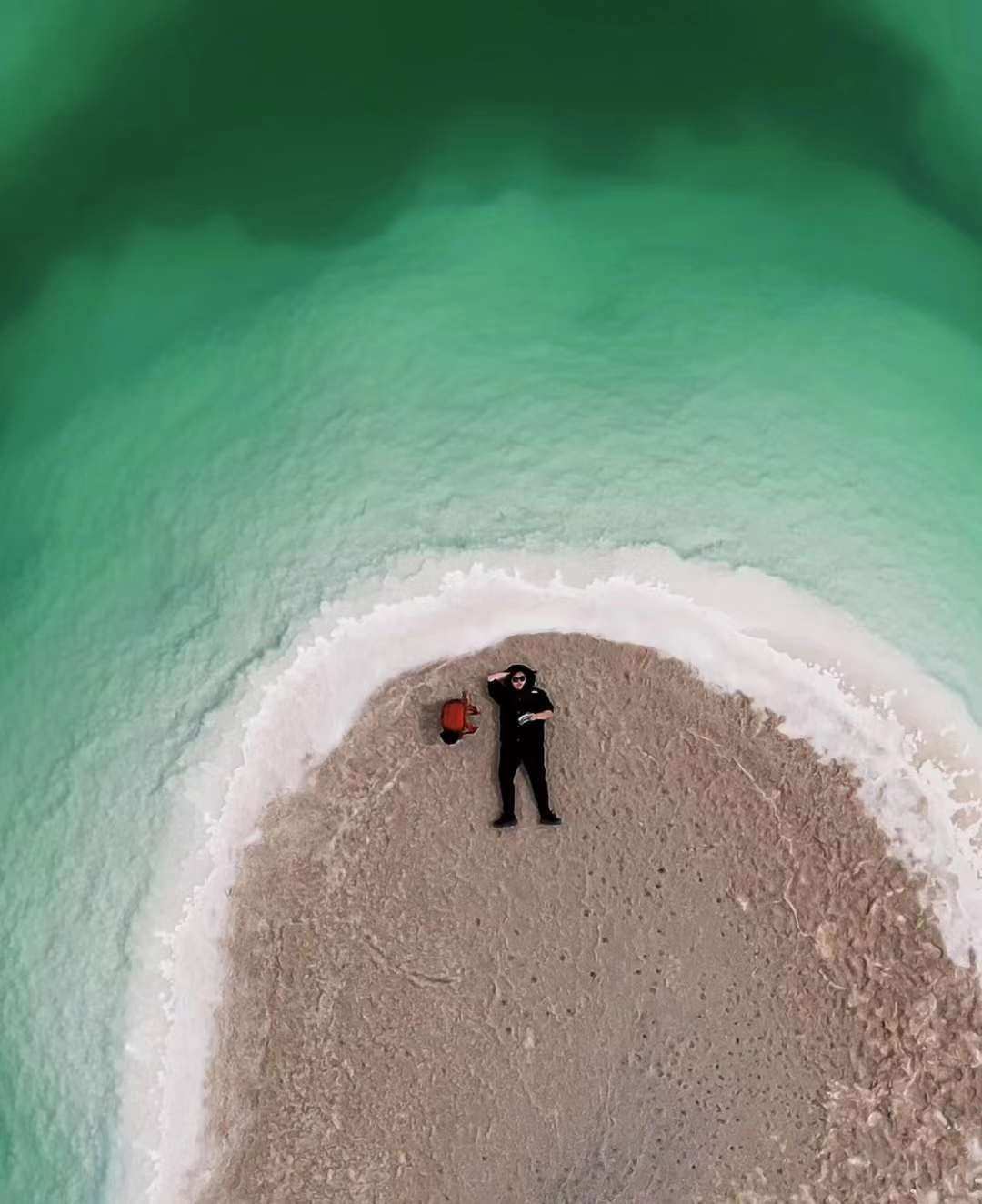
Chaka Salt Lake is much smaller and is known for its white salt crust and shallow reflective water. Under suitable conditions, the surface creates the famous “Mirror of the Sky” effect.
Here’s a quick comparison to help you understand what to expect.
| Feature | Qinghai Lake | Chaka Salt Lake |
|---|---|---|
| Main scenery | Expansive blue water, mountains and grasslands | White salt flats, shallow water and reflections |
| Main experience | Scenic viewpoints, lakeside walks and cycling | Photography, salt formations and scenic-area exploration |
| Photography | Wide landscapes, changing colors and natural scenery | Mirror reflections, silhouettes and minimalist compositions |
| Altitude | Approximately 3,196 meters | Approximately 3,059 meters |
| Visit duration | Allow several hours for a selected section; longer for multiple viewpoints | Allow several hours, depending on the scenic route and transport |
| Weather considerations | Wind, visibility, temperature and seasonal vegetation | Wind, water depth, cloud cover and reflection conditions |
| Starting point | Usually Xining | Xining or Chaka town |
The main difference is simple: Qinghai Lake offers the scale and variety of a huge natural lake, while Chaka Salt Lake offers a distinctive salt-flat environment where weather and water conditions can transform the view.
Imagine standing beside a lake so large that the opposite shore seems to disappear into the distance. The water shifts between shades of blue, with mountains rising beyond the grasslands.
That’s the appeal of Qinghai Lake.
Located on the northeastern Qinghai-Tibet Plateau, it is China’s largest inland saltwater lake. According to the Chinese Academy of Sciences, the lake sits approximately 3,196 meters above sea level.
Its size means you shouldn’t think of Qinghai Lake as a single attraction with one entrance and one viewpoint. Different sections of the shoreline offer different scenery and visitor experiences.
The scenery changes with the season, weather and location. Depending on where you stop, you may encounter grasslands, distant mountains, stretches of deep-blue water and wetlands that support local wildlife.
Summer is particularly associated with green grasslands and yellow rapeseed flowers in parts of the surrounding region. The exact flowering dates vary each year, so don’t plan your entire trip around photographs taken in a previous season.
Qinghai Lake is also an important habitat for migratory birds and other wildlife. If wildlife photography interests you, choose authorized viewing areas and respect any seasonal restrictions.
The surrounding ecosystem is protected, and visitors should stay on designated paths rather than entering sensitive wetlands or approaching wildlife.
For background on the lake’s geography and ecology, you can consult the Chinese Academy of Sciences’ introduction to Qinghai Lake.
One popular way to experience the shoreline is by bicycle. Riding beside the lake gives you time to appreciate the scenery, stop for photographs and enjoy the open surroundings.
You don’t need to cycle around the entire lake to enjoy it. A shorter ride along a suitable lakeside section can be incorporated into a guided itinerary.
YellowBird’s 8-Day Qinghai, Chaka Lake and Gansu Silk Road Tour includes a cycling experience at Qinghai Lake before continuing to Chaka town.
If you prefer a gentler activity, discuss alternative lakeside sightseeing arrangements with the tour team before booking. Cycling conditions, equipment and the route should be confirmed for your departure.
Allow several hours for a visit to one selected section of the shoreline. You’ll need more time if you want to explore multiple viewpoints, stop for photographs or include cycling.
The lake is enormous. Trying to fit every scenic area into a short stop would leave you spending much of your day in a vehicle.
For travelers combining Qinghai Lake with Chaka, a practical approach is to visit Qinghai Lake first, continue toward Chaka town and explore the salt lake the following day.
That’s the arrangement used in YellowBird’s published eight-day itinerary.
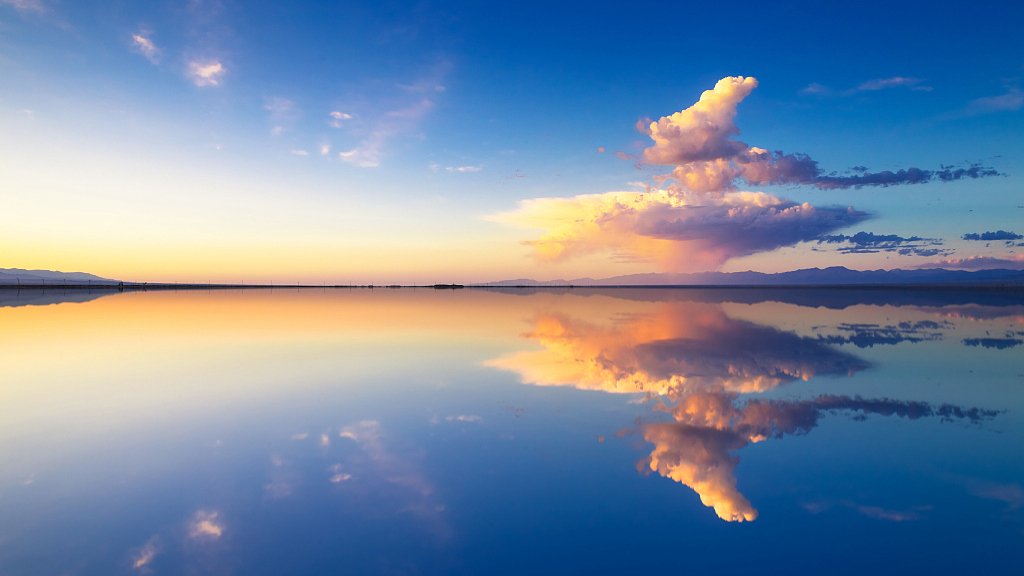
Chaka Salt Lake offers a different kind of scenery.
Instead of looking across a vast blue lake, you’ll encounter white salt formations, shallow water, distant mountains and a striking sense of openness.
When conditions are right, the water reflects the sky and clouds. The horizon becomes difficult to distinguish, creating the illusion that you’re standing between two skies.
It’s easy to understand why photographers are drawn to this place.
But here’s the catch: the mirror effect is a natural phenomenon. It depends on the weather and the condition of the lake’s surface. Visiting Chaka doesn’t guarantee a perfect reflection.
The famous reflection appears when a suitable layer of water covers the salt surface and the water is relatively calm.
Under these conditions, the sky and surrounding scenery can be reflected clearly enough to create the Mirror of the Sky effect.
Strong wind can disturb the surface, while changing water levels and cloud conditions affect the appearance of the lake.
If you’ve seen photographs of people standing beneath perfectly reflected clouds, remember that those pictures capture a particular moment. Your visit may look different, even during the same season.
And that’s part of what makes Chaka interesting. The scenery can change dramatically with the light and weather.
Photography is the main attraction for many visitors, but the scenic area also introduces travelers to the region’s salt-production history.
The official tourist area features salt sculptures, viewing platforms and a sightseeing railway that follows the historic salt-mining route.
The train can help visitors reach different sections of the scenic area, although operating arrangements may change with the season or weather.
Check which services are available on your travel date before planning around a particular train departure or attraction.
The official Chaka Salt Lake website provides visitor notices, scenic routes and current operating information.
Visitors may be allowed to enter designated shallow-water areas, subject to current scenic-area rules.
However, the salt surface can be rough, and some areas contain hazards that aren’t immediately obvious.
The scenic area’s official visitor instructions recommend using its protective shoe covers when entering permitted lake areas and avoiding restricted sections.
Don’t wander across the salt crust just to recreate a photograph. Follow the marked routes and instructions from the scenic-area staff.
For the latest precautions, consult the official Chaka Salt Lake visitor guidance.
If photography is the main reason for your trip, the choice comes down to the type of images you want to create.
Qinghai Lake offers expansive natural scenery. Chaka Salt Lake is known for reflections and simple, striking compositions.
Both reward patience, but the techniques and weather considerations are different.
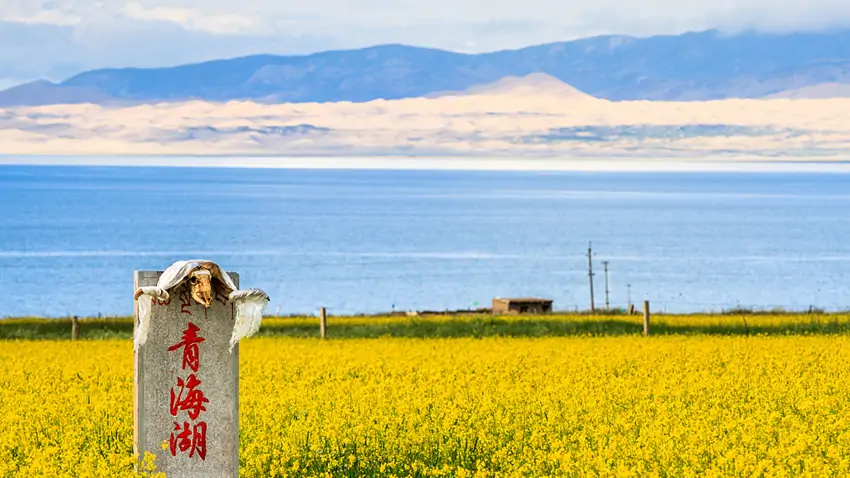
At Qinghai Lake, think about the entire scene. The combination of water, grassland and distant mountains gives you plenty of opportunities to experiment with composition.
A wide-angle lens can capture the scale of the surroundings, while a longer focal length can help isolate mountain shapes or details along the shoreline.
Look for interesting foregrounds, changing cloud patterns and the contrast between the blue water and surrounding vegetation.
Early morning and late afternoon can provide softer light, but the best conditions depend on the weather and your chosen viewpoint.
If you’re hoping to photograph seasonal flowers, check local conditions shortly before traveling. Their appearance changes from year to year.
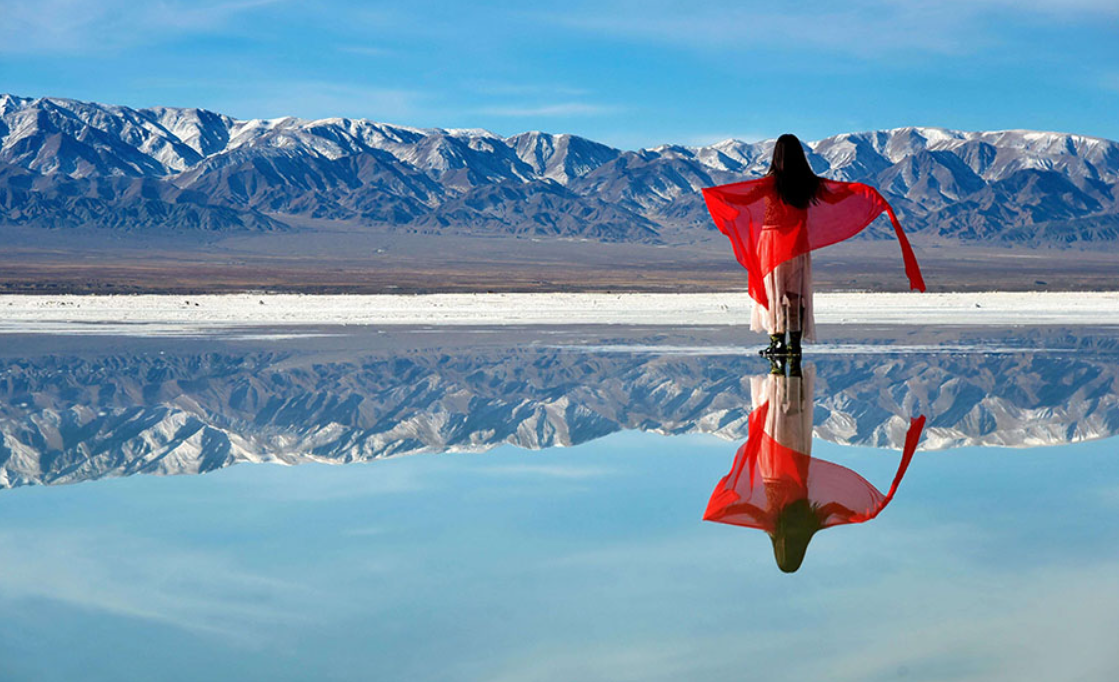
Chaka is a place to experiment with reflections, silhouettes and symmetry.
When the water is still, position the horizon carefully and look for compositions where the reflected sky becomes part of the photograph.
Bright clothing can create a strong contrast against the white salt and blue sky. You don’t need a suitcase full of outfits, but a colorful jacket can make a difference in photographs.
Keep your camera or phone secure. Saltwater isn’t a particularly friendly environment for electronic equipment, and dropping your phone into the lake is an expensive way to test its waterproofing.
Protect your equipment from splashes, carry a cleaning cloth and avoid placing bags directly on wet salt.
There is no guaranteed time of day for a perfect reflection.
Look for calm conditions, suitable water coverage and good visibility. Wind can create ripples that weaken the mirror effect, even when the sky is clear.
Morning and late afternoon can provide attractive light, while brighter midday conditions may create a different look.
Instead of relying on a fixed photography schedule, check the local forecast and ask your guide about the conditions on the day of your visit.
You can still photograph the white salt surface, mountains, railway and unusual textures of the landscape.
Try looking for patterns in the salt or using the railway tracks as leading lines in your composition.
Just keep your expectations realistic. If mirror photography is your main goal, allow some flexibility in your itinerary whenever possible.
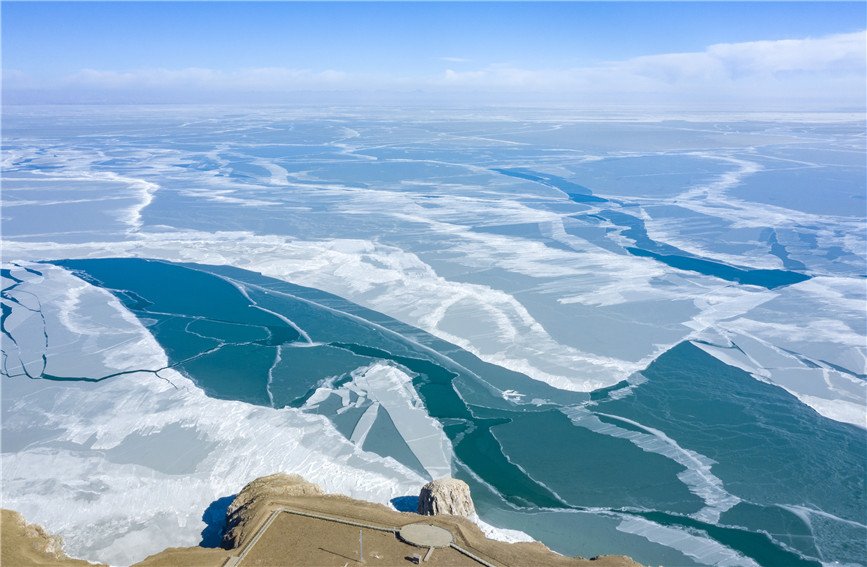
Both lakes can be visited at different times of year, but the experience changes considerably between summer and winter.
The main questions are what scenery you want, how comfortable you are with cold weather and whether the scenic areas are operating normally.
Summer is a popular season for Qinghai Lake because the surrounding grasslands are greener, temperatures are generally milder during the day and seasonal flowers may add color to the landscape.
July and August are often associated with the classic photographs of yellow flowers beside blue water, although flowering varies by location and year.
At Chaka, summer can offer excellent reflection opportunities when water and wind conditions cooperate.
However, summer is also a busy travel period. Popular viewpoints, accommodation and transport may experience increased demand.
Pack layers even in July or August. Qinghai’s high altitude means mornings, evenings and windy days can feel much colder than visitors expect.
September and early October can be interesting for travelers who prefer cooler conditions and changing seasonal scenery.
At Qinghai Lake, the grasslands begin to change color as the season progresses. The appearance of the landscape depends on weather and location.
Chaka may still offer reflective conditions, but the famous mirror effect should never be treated as a seasonal guarantee.
As autumn advances, expect colder mornings and evenings. Check forecasts carefully, particularly if you plan to spend several hours outdoors.
If you’re traveling around China’s National Day holiday in early October, remember that transport and accommodation can become busier.
Read our guide to visiting China in September and October for broader seasonal planning advice.
Winter brings much colder temperatures to the Qinghai Plateau. Snow, ice and changing road conditions can affect travel plans.
Chaka Salt Lake has operated winter visitor programs in previous seasons, but facilities and access arrangements have differed from its summer operations.
Don’t assume that sightseeing trains, walking areas or other activities will be available throughout winter.
Check the latest official notices before planning a winter trip and confirm whether YellowBird can operate your chosen route on your travel dates.
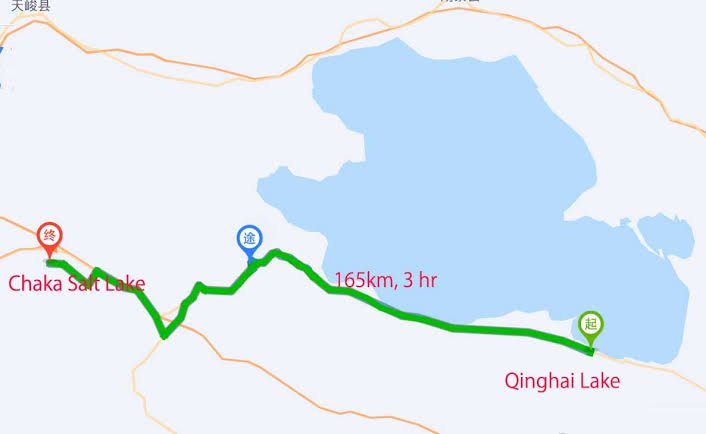
Both lakes are commonly visited as part of a route starting in Xining, the capital of Qinghai Province.
The distance depends on which section of Qinghai Lake you visit. The commonly used route between the Erlangjian area of Qinghai Lake and Chaka Salt Lake is approximately 150 kilometers.
Allow around two to three hours for the road journey under suitable conditions, but don’t treat that estimate as a guaranteed transfer time.
Stops, traffic, weather and your exact departure point can all affect the journey.
For most travelers, the simplest solution is to organize both lakes as part of a planned road itinerary.
It’s possible to arrange a long day covering selected viewpoints at both lakes, but you’ll spend a substantial amount of time on the road.
That leaves less flexibility for photography, cycling or waiting for better reflection conditions at Chaka.
If you’re trying to fit both into a single day, choose your main activities in advance and check all transfer times carefully.
A more comfortable option is to visit Qinghai Lake first, spend the night near Chaka and explore the salt lake the following morning.
Staying in Chaka town can make sense if you want to avoid returning to Xining immediately after visiting Qinghai Lake.
It also allows you to start your Chaka visit the following morning without beginning the day with a long drive from Xining.
YellowBird’s published eight-day itinerary follows this arrangement, with accommodation in Chaka after the Qinghai Lake visit.
If photography is your priority, discuss the timing with the tour team. An overnight stay doesn’t guarantee good reflections, but it can give you more flexibility than a tightly scheduled day trip.
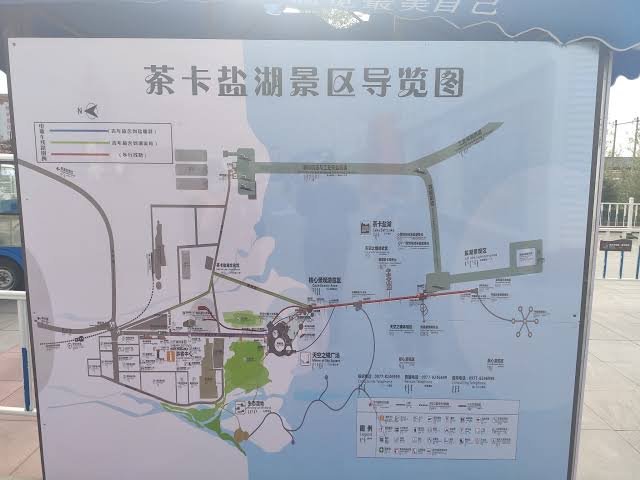
If you have enough time to visit both, the route can be straightforward.
Start in Xining, travel to Qinghai Lake and continue toward Chaka town. Visit the salt lake the following morning before returning toward Xining or continuing your journey.
This is particularly convenient if you’re combining Qinghai with a longer trip through Gansu and the Silk Road.
Arrive in Xining and settle into your accommodation.
If you’ve just traveled from a much lower elevation, allow time to rest before heading farther onto the plateau.
Use the evening to prepare for your journey, check the weather and confirm the next day’s departure arrangements.
Leave Xining and travel toward Qinghai Lake.
YellowBird’s eight-day itinerary includes a visit to Kumbum Monastery before continuing to Qinghai Lake for a cycling experience.
After spending time beside the lake, continue toward Chaka town for the night.
It’s a full day of travel and sightseeing, so keep additional stops realistic.
Visit Chaka Salt Lake in the morning and explore the scenic area according to the weather and current operating arrangements.
Take time for photographs and enjoy the unusual salt landscape.
YellowBird’s published itinerary then returns to Xining and continues by train to Zhangye.
Exact transfer times and train arrangements should be checked for your departure date.
Want to see how this route fits into a longer journey? Explore our 8-Day Qinghai, Chaka Lake and Gansu Silk Road Tour.
If you’re traveling all the way to Qinghai, you may want to extend the trip beyond the two lakes.
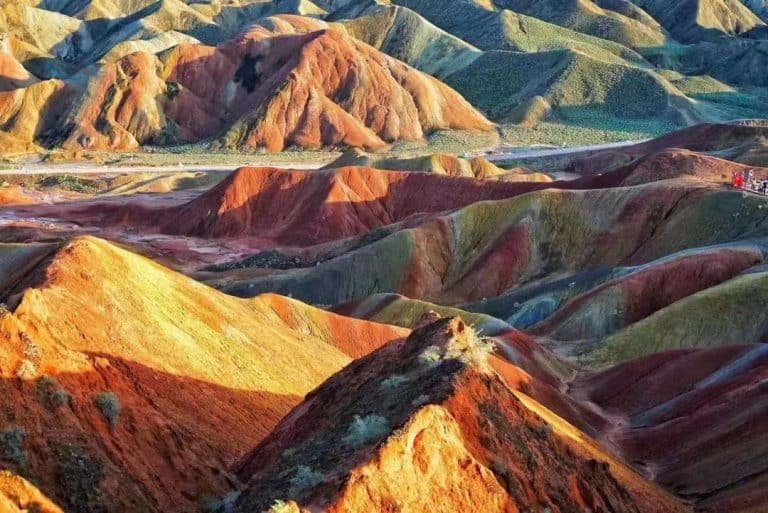
The region connects naturally with itineraries continuing through Gansu, where travelers can explore historic Silk Road destinations, Buddhist grottoes, desert scenery and the colorful rock formations of Zhangye.
YellowBird offers two existing routes that include both Qinghai Lake and Chaka Salt Lake.
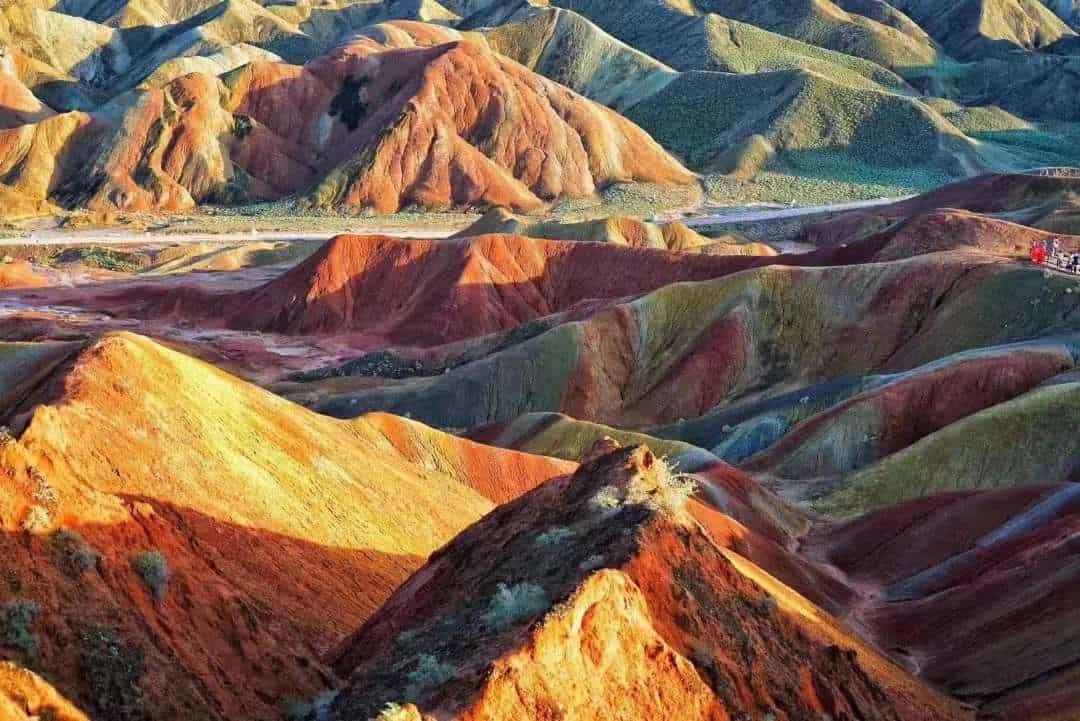
This itinerary starts in Xining and combines Qinghai Lake and Chaka Salt Lake with a journey through Gansu.
After visiting the lakes, the route continues to Zhangye, Jiayuguan and Dunhuang, including attractions such as the Danxia landforms and Mogao Grottoes.
The published itinerary includes lakeside cycling, a visit to Chaka Salt Lake and a train journey from Xining to Zhangye.
Explore the 8-Day Qinghai, Chaka Lake and Gansu Silk Road Tour.

If you have more time and want to explore other parts of Qinghai and Gansu, YellowBird also offers a twelve-day itinerary.
This route includes both lakes, additional cultural and natural attractions, and a longer journey through the region.
The published itinerary schedules Qinghai Lake on day three and Chaka Salt Lake on day four before continuing toward Zhangye.
The extra days are used to explore additional destinations, so don’t assume the twelve-day tour includes more time at each lake. Compare the daily programs before booking.
Explore the 12-Day Qinghai and Gansu Exploration Tour.
If you’d like to understand the wider route before choosing a package, read our complete China Silk Road travel guide.
You can also discover more about the connection between Qinghai and the region’s historic travel routes in our article Silk Road and Qinghai Lake.
The two lakes share one important characteristic: they’re both high-altitude destinations.
Qinghai Lake sits at approximately 3,196 meters above sea level, while Chaka Salt Lake’s official visitor guidance places it at approximately 3,059 meters.
These elevations deserve some preparation, especially if you’re arriving directly from a low-altitude city.
Altitude illness can affect travelers visiting high elevations, including people who are generally fit and active.
Plan a gradual ascent when possible and avoid strenuous exercise immediately after arriving at altitude.
If you develop symptoms such as a headache, nausea or unusual fatigue, tell your guide and don’t continue ascending while symptoms persist. Worsening symptoms require prompt medical attention and descent may be necessary.
If you have a medical condition or a history of altitude illness, speak with a qualified healthcare professional before your trip.
For official advice, consult the CDC’s high-altitude travel guidance.
High-altitude sunshine can be intense, even when the air feels cool.
Pack sunglasses, sunscreen, a hat and a jacket. Comfortable walking shoes are important for both destinations.
At Chaka, use approved protective shoe covers if you enter designated saltwater areas. Follow the scenic area’s current visitor instructions.
Weather can change the experience at both lakes.
Wind and cloud cover affect visibility at Qinghai Lake, while the mirror effect at Chaka is especially dependent on surface conditions.
Check the forecast shortly before departure and ask your guide whether any adjustments are needed.
Qinghai Lake supports a fragile ecosystem, including wetlands and important wildlife habitats.
Stay within authorized visitor areas and avoid disturbing birds or other animals.
At Chaka, follow the designated routes and stay out of restricted sections of the salt lake.
A great photograph isn’t worth damaging a protected habitat or putting yourself at risk.
No. They are two separate lakes in Qinghai Province. Qinghai Lake is China’s largest inland saltwater lake, known for its blue waters and surrounding grasslands. Chaka Salt Lake is famous for its white salt surface and reflective Mirror of the Sky effect.
It depends on what you want to photograph. Qinghai Lake offers expansive natural scenery, mountains and seasonal vegetation. Chaka Salt Lake is known for mirror reflections, silhouettes and minimalist compositions. The appearance of both locations depends on weather and seasonal conditions.
The commonly used route between Qinghai Lake’s Erlangjian area and Chaka Salt Lake is approximately 150 kilometers. Road travel generally takes around two to three hours under suitable conditions, depending on traffic, stops and your exact starting point.
Yes, a visit to selected sections of both lakes can be arranged in one long day, but the road journey leaves limited time for activities and photography. Staying overnight near Chaka allows you to divide the visits across two days.
The effect depends on suitable water coverage, calm conditions and visibility. Summer and early autumn are often considered for visits, but there is no guaranteed month or time of day when perfect reflections will appear. Check the weather before traveling.
Visitors may enter designated sections when permitted by scenic-area staff. Protective shoe covers are recommended under the official visitor rules. Never enter restricted areas or assume that every part of the salt surface is safe.
No. Qinghai Lake is a saline lake. Chaka is also a salt lake, but its shallow reflective areas and white salt deposits create a very different visitor experience.
Two days allows a more comfortable visit than a rushed day trip, especially if you stay overnight near Chaka. YellowBird’s eight-day Silk Road itinerary visits Qinghai Lake on day two and Chaka Salt Lake on day three before continuing into Gansu.
Yes. YellowBird’s eight-day Qinghai, Chaka Lake and Gansu Silk Road Tour and twelve-day Qinghai and Gansu Exploration Tour both include the lakes. Check the itinerary and departure arrangements before booking.
So, Qinghai Lake or Chaka Salt Lake?
If you’re drawn to enormous blue lakes, mountain views and lakeside cycling, Qinghai Lake offers plenty to enjoy. If you’ve been dreaming of photographing a white salt landscape with clouds reflected beneath your feet, Chaka Salt Lake offers a different experience.
And when your schedule allows, combining both gives you the chance to experience two contrasting sides of Qinghai.
YellowBird’s eight-day itinerary takes you from Xining to Qinghai Lake and Chaka Salt Lake before continuing along the Silk Road through Gansu.
Visit Qinghai Lake and Chaka Salt Lake together on our eight-day Qinghai and Silk Road tour.
Explore the 8-Day Qinghai and Chaka Lake Tour
Looking for a longer itinerary? Discover our 12-Day Qinghai and Gansu Exploration Tour, or contact YellowBird to discuss your travel dates and preferred route.
Explore the Silk Road and Qinghai Lake. Uncover ancient history, vibrant cultures, and breathtaking scenery. Begin your unforgettable journey now!
⚠ China autumn travel alert: September–October 2026 China has two major public holiday periods coming
Can you visit Shaolin Temple and Longmen Grottoes on the same trip? Absolutely. Both are

The China trip cost question is the one everyone Googles before booking, and almost nobody

Introduction: Major News for International Travelers Great news for globetrotters! China has just announced a
Traveling from Vietnam to China can be one of the most rewarding ways to continue