Unusual Places in China You Can Actually Visit on a Guided Tour

Unusual Places In China You Can Actually Visit On A Guided Tour

Most travelers who visit China for the first time follow the same route: Beijing, Shanghai, Xi’an, maybe a quick stop in Guilin. It’s a great introduction, but it barely scratches the surface of what the country really looks like.

If you’ve ever seen photos of “Avatar-style” rock pillars, misty rice terraces, car‑free islands with colonial villas, or remote monasteries clinging to cliffs and wondered, “Can I really go there on my trip?” — this guide is for you.


Unusual Places In China You Can Actually Visit On A Guided Tour


Many online lists share cool and unusual spots in China, but a lot of them are either extremely hard to reach, lack clear information, or don’t explain how to fit them into a realistic itinerary. YellowBirdTour specializes in private and small‑group tours across China and Asia, and in this article we’ll focus on:

  • Unusual and unique places in China that regular travelers can actually visit
  • Destinations that pair well with guided tours and custom itineraries
  • Concrete ideas on how to combine these “hidden gems” into 10–14 day trips

By the end, you’ll have a clear picture of where to go if you want a China trip that goes far beyond the usual Great WallShanghai combo, and how a local operator can help you get there without drowning in logistics.


What Makes a Place “Unusual” in China?

“Unusual” doesn’t just mean “no tourists.” In a country as vast and diverse as China, it can mean several things at once:

  • Time‑capsule towns and cities
    • Walled towns where traditional architecture dominates
    • Ancient quarters with lantern‑lit alleys, street food and temples
  • Unusual architecture and sacred sites
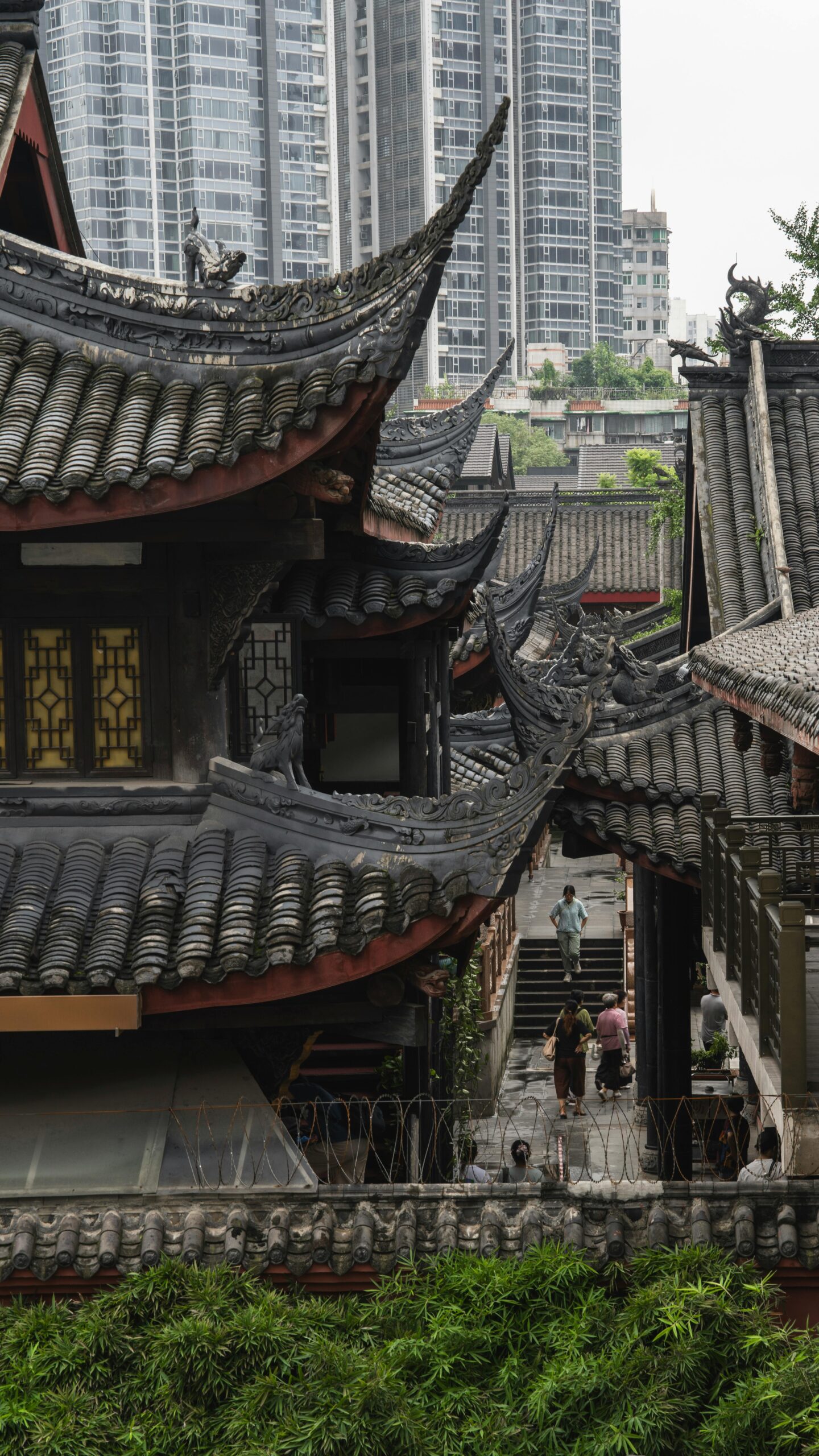
    • Hanging temples built into cliffs
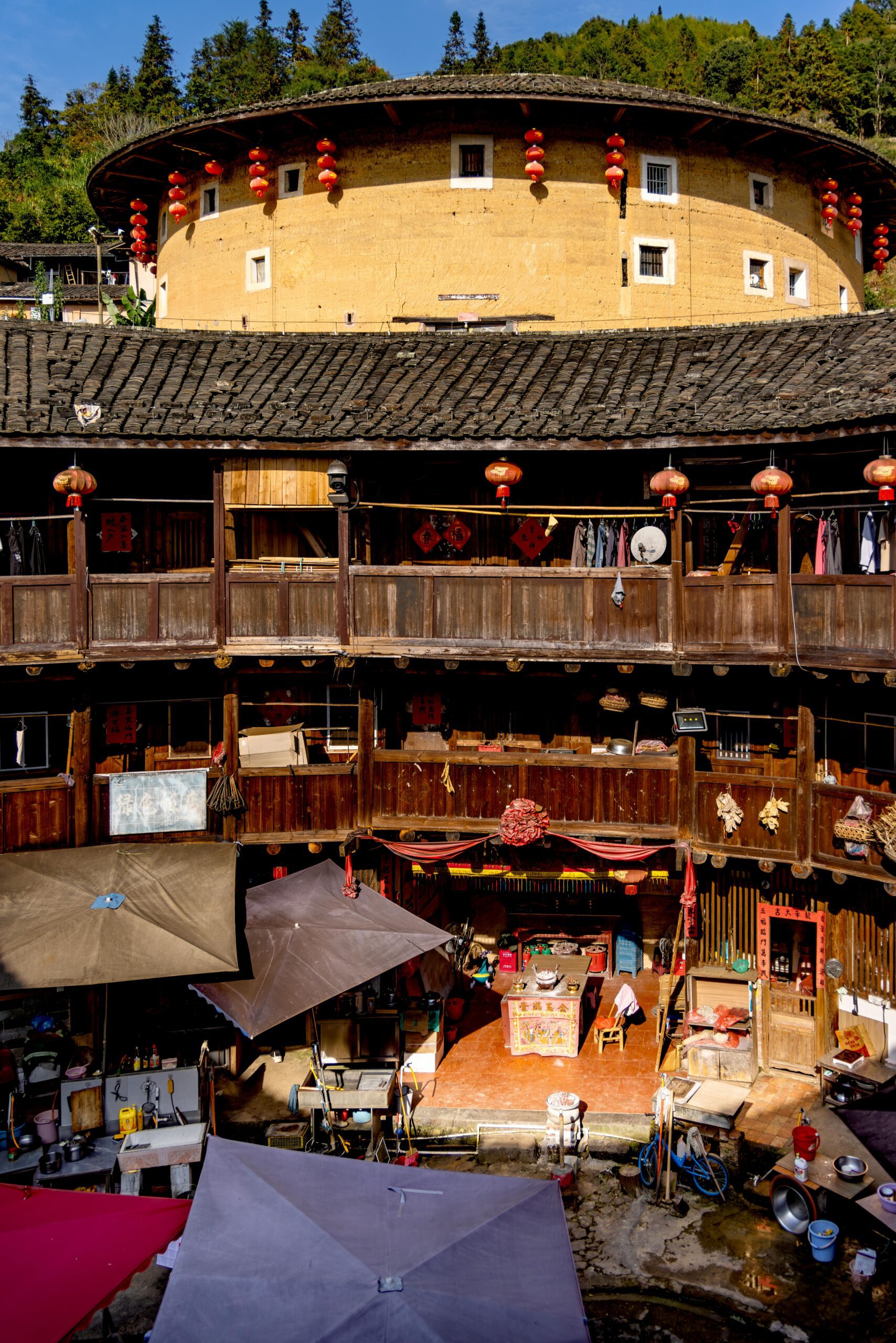
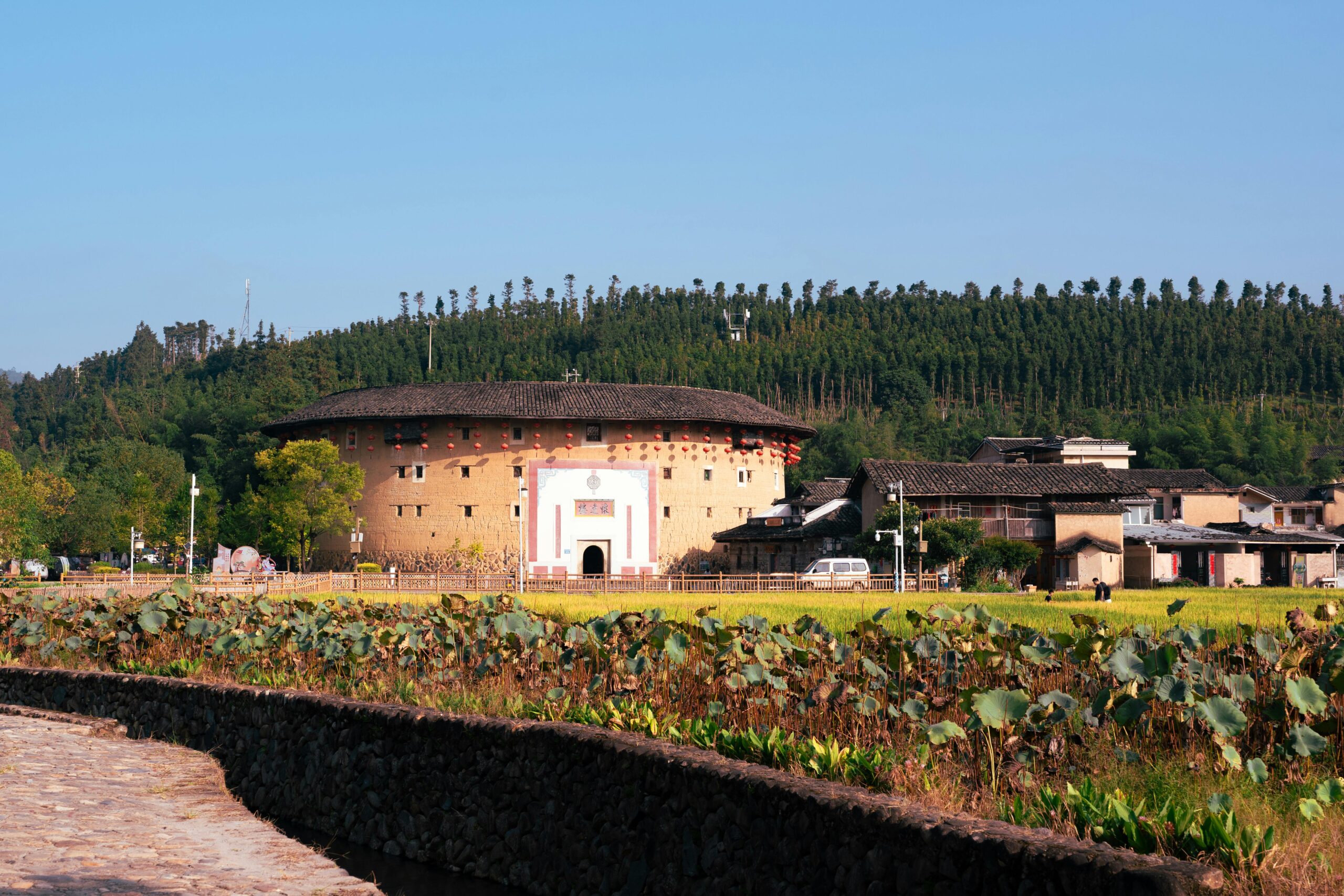
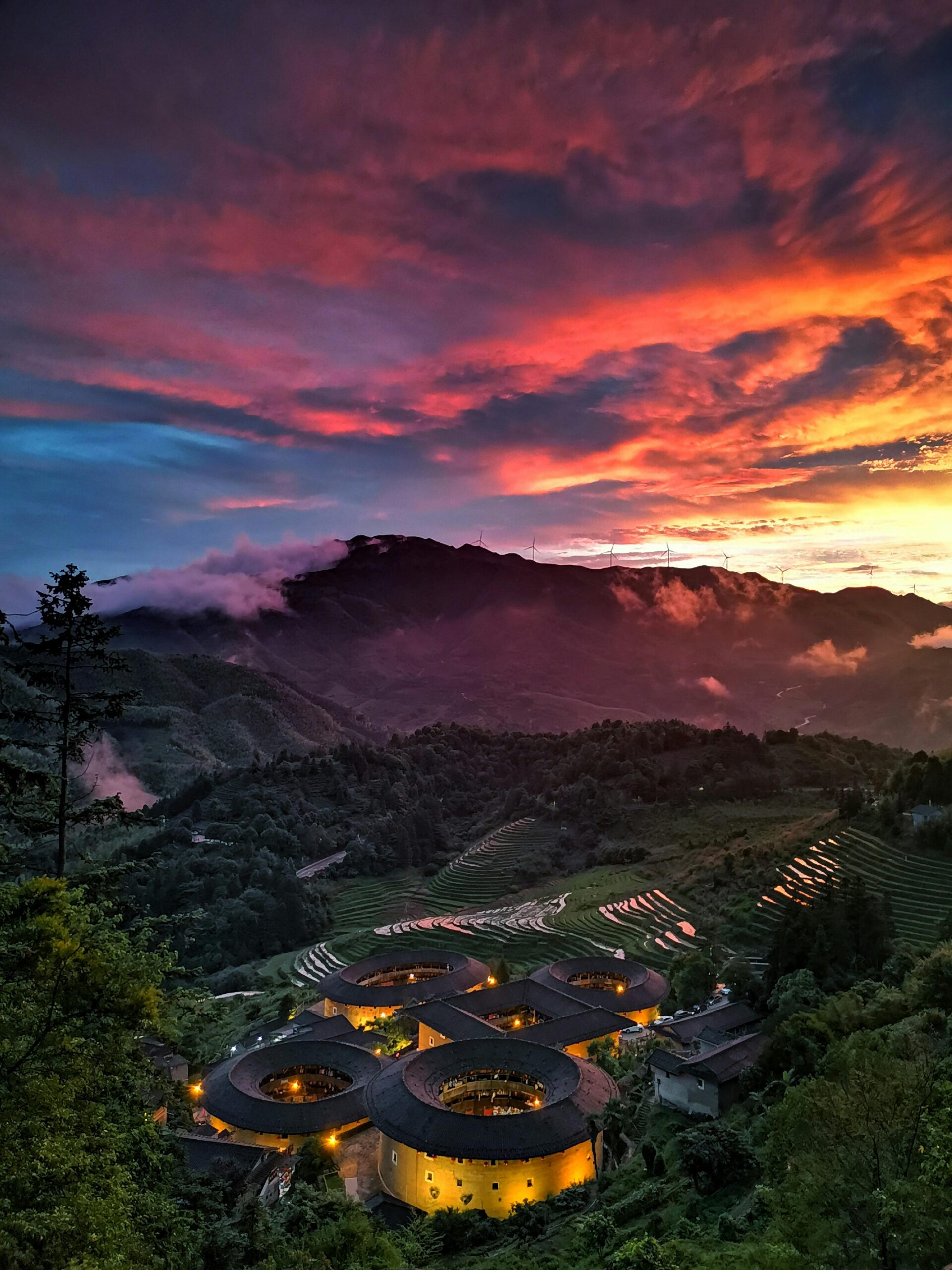
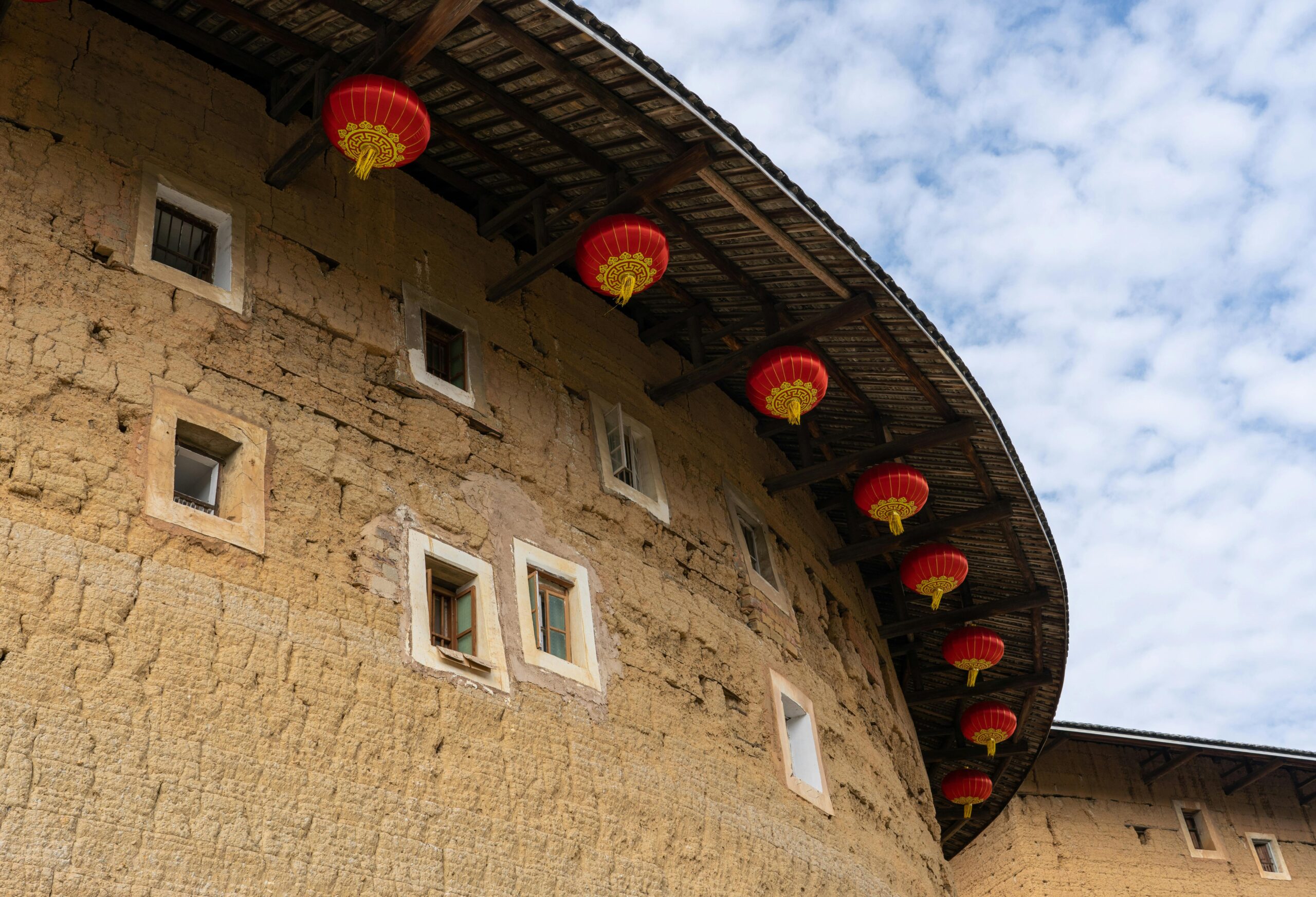
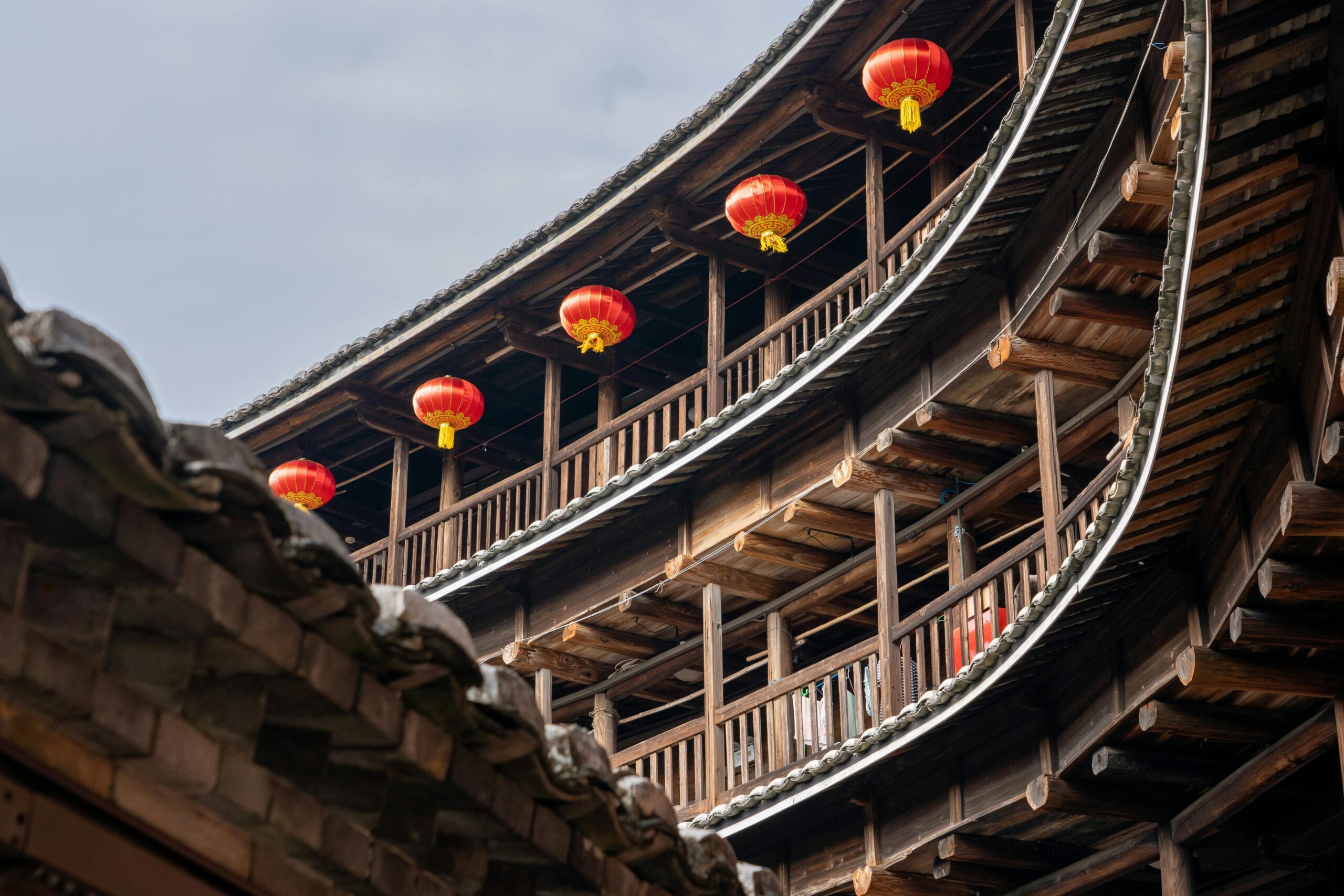
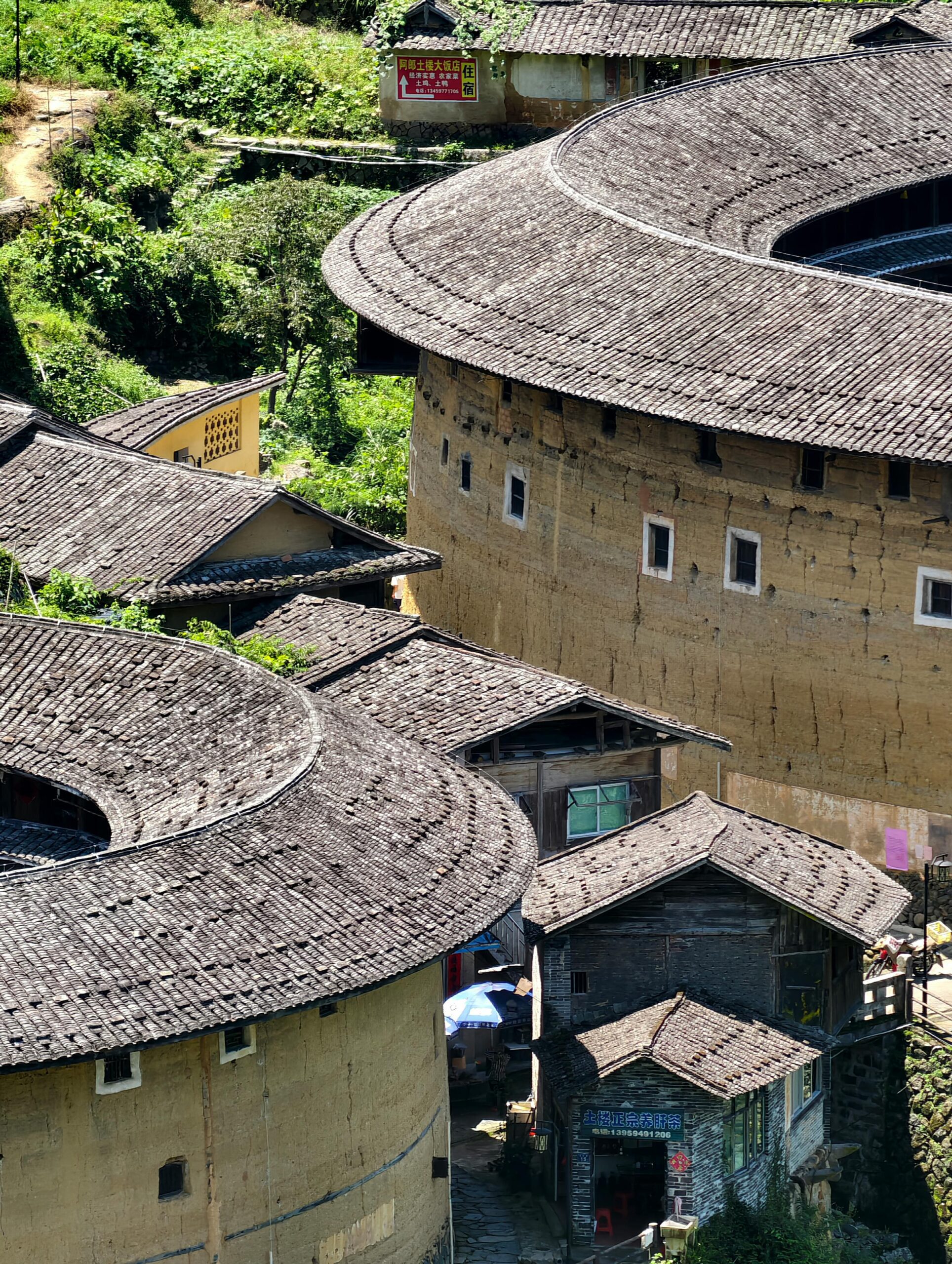
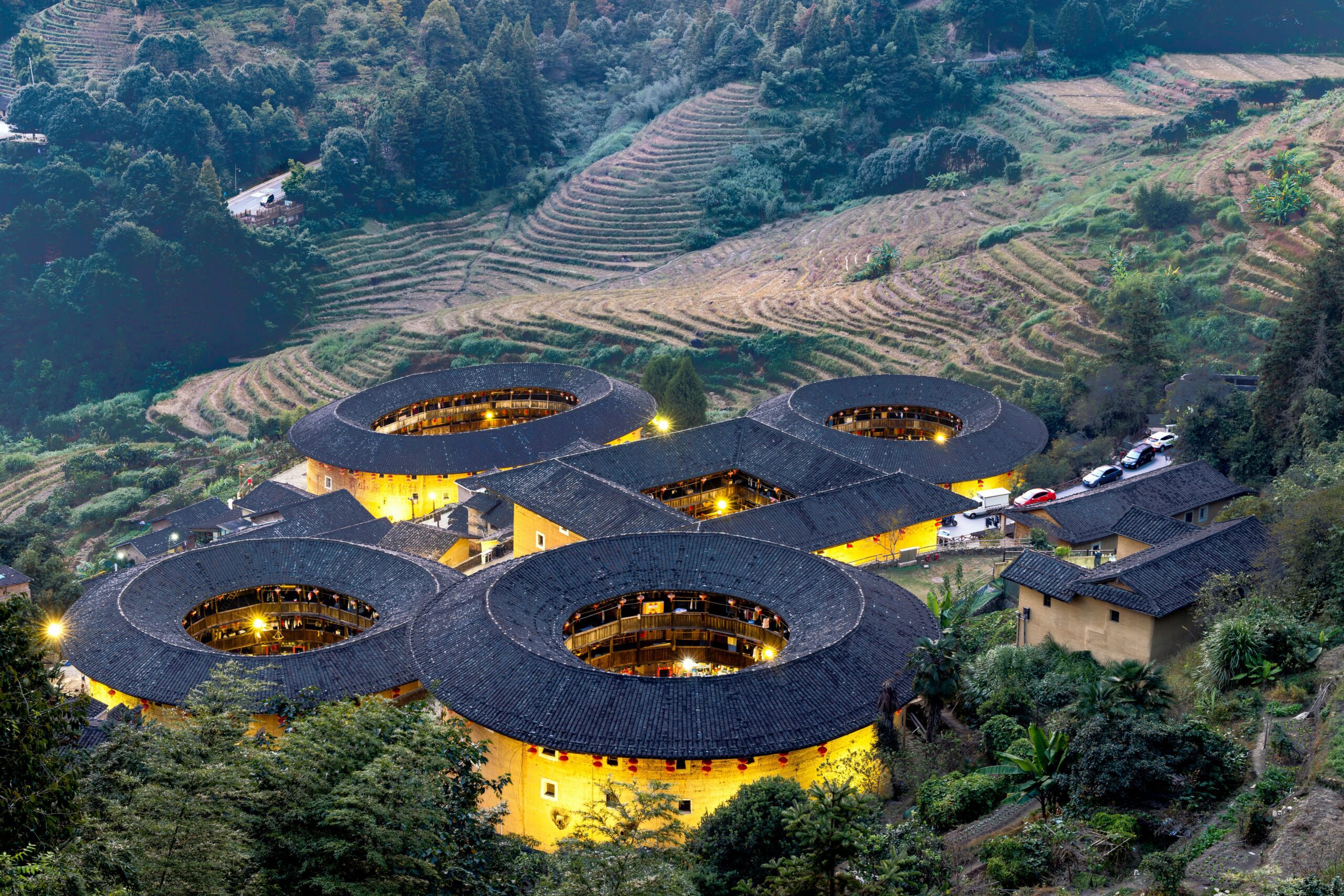
    • Round tulou houses in Fujian
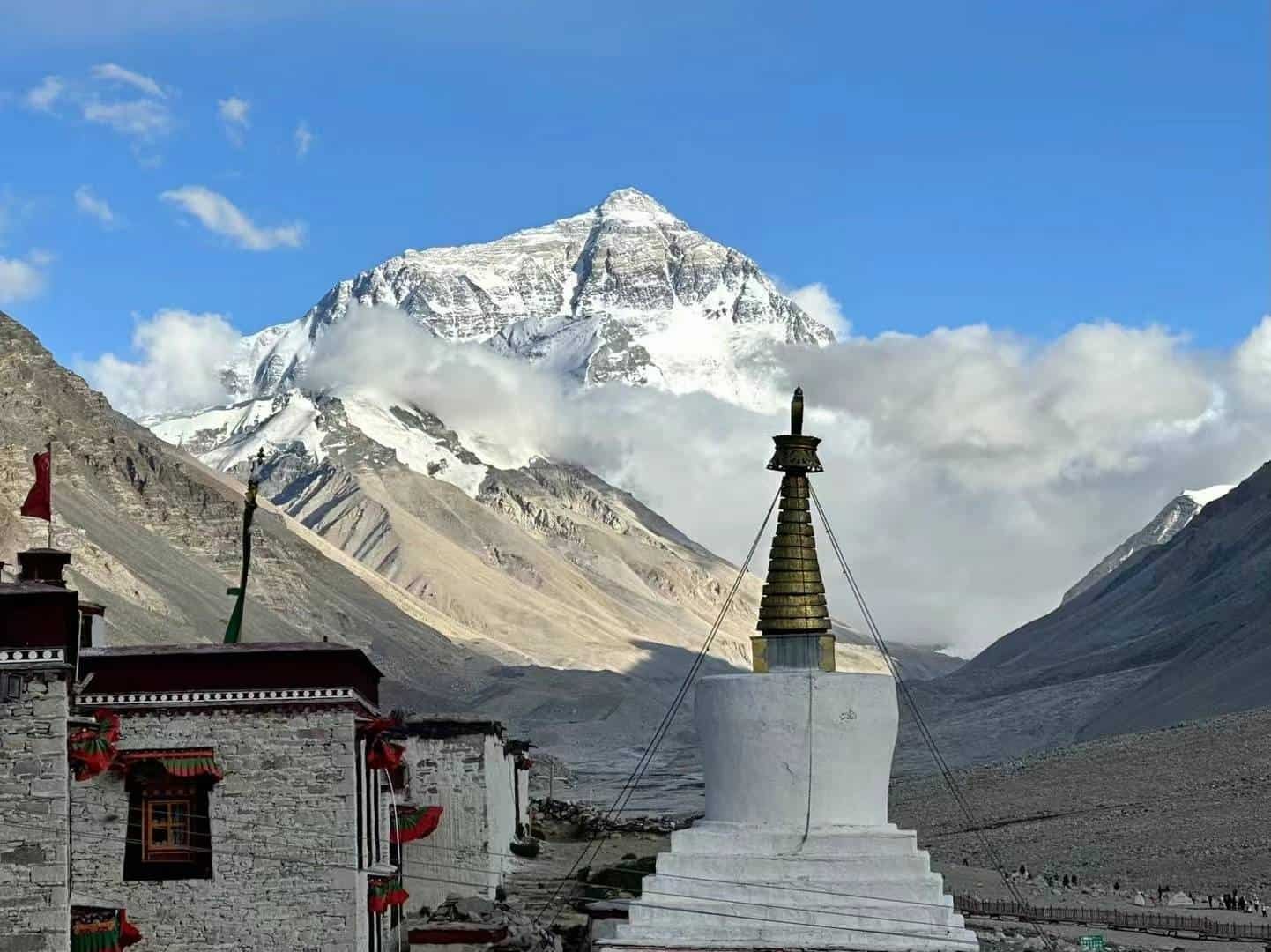
    • High‑altitude monasteries on the Tibetan Plateau

In this guide, we’ll focus on unique places to visit in China that are unusual, but still realistic to include in an itinerary, especially when planned with a local agency that understands transport, seasonality and permits.
 

Unusual Places in China for Nature Lovers

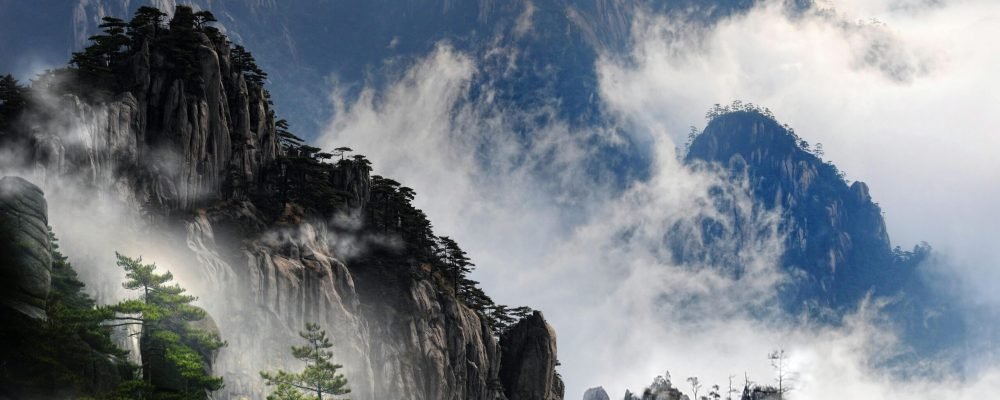
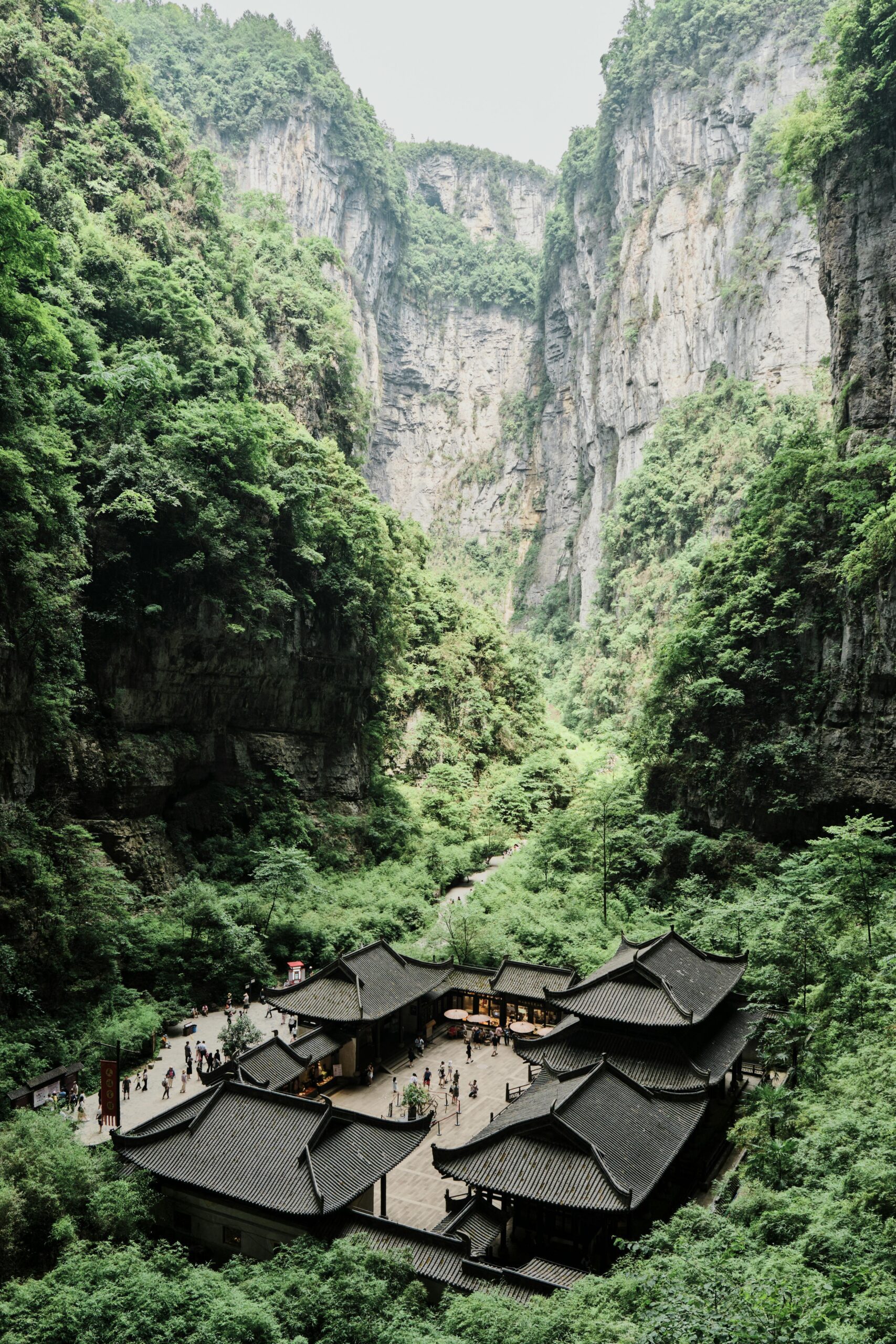
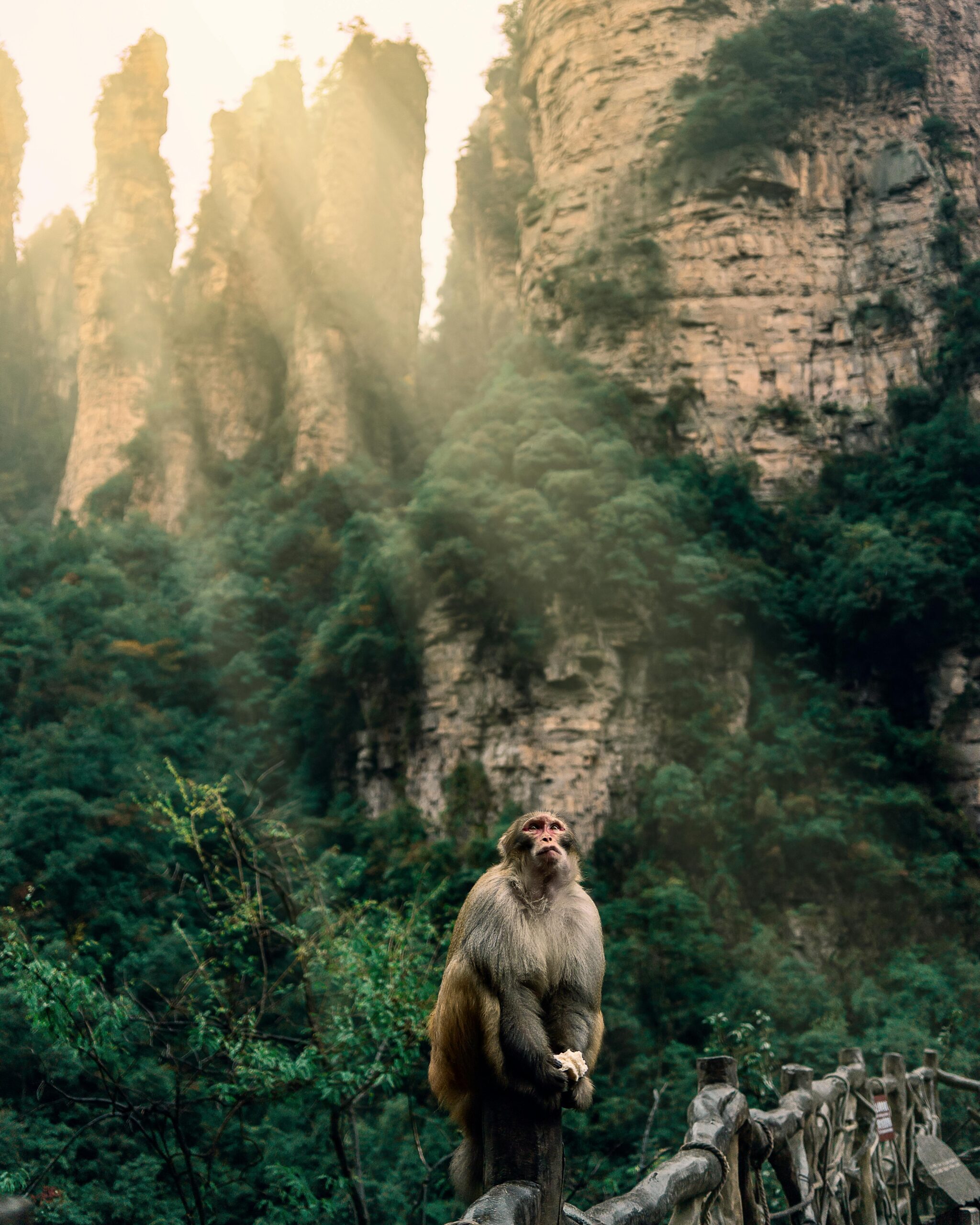
Zhangjiajie National Forest Park: China’s “Avatar” Mountains


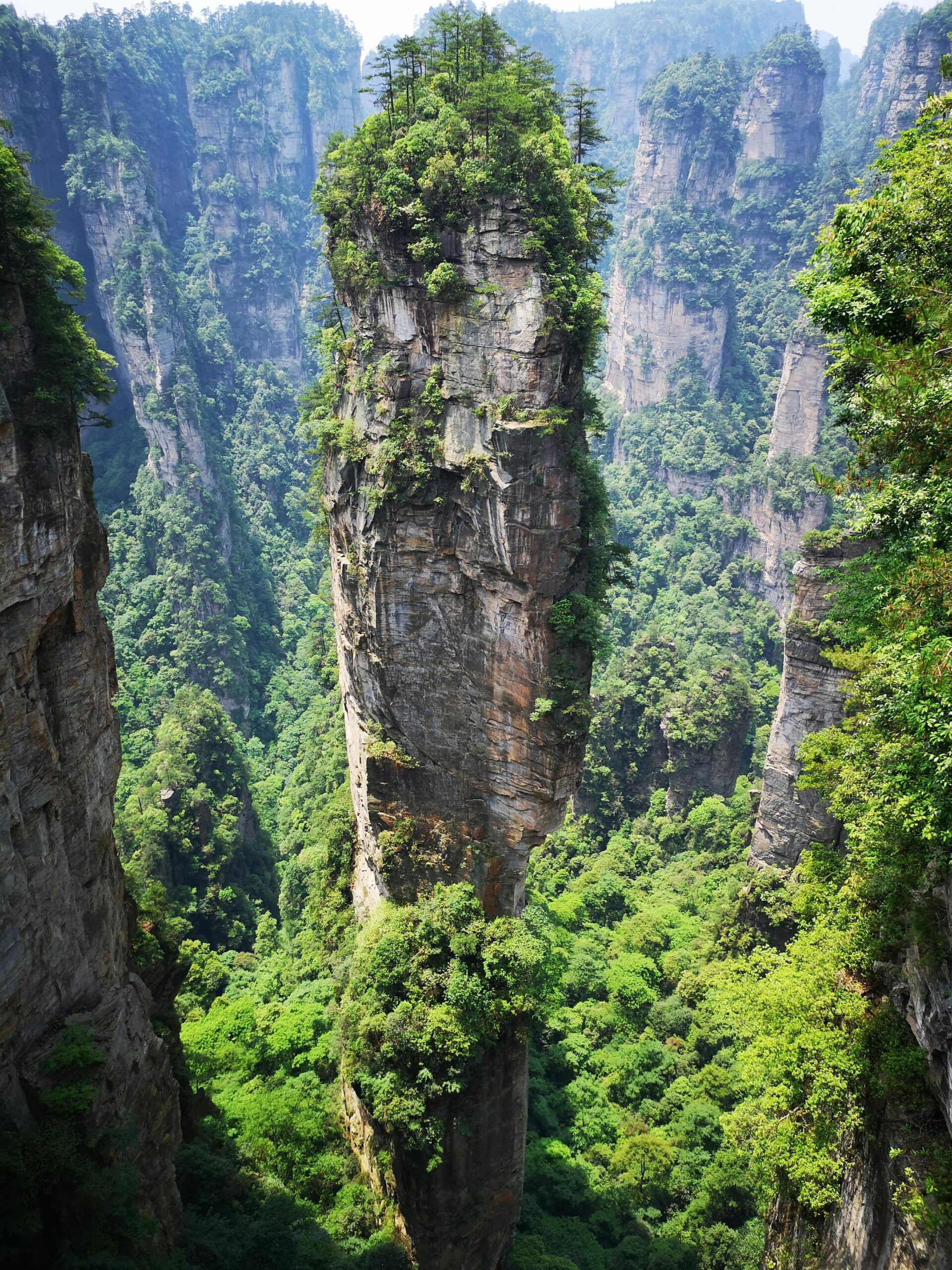
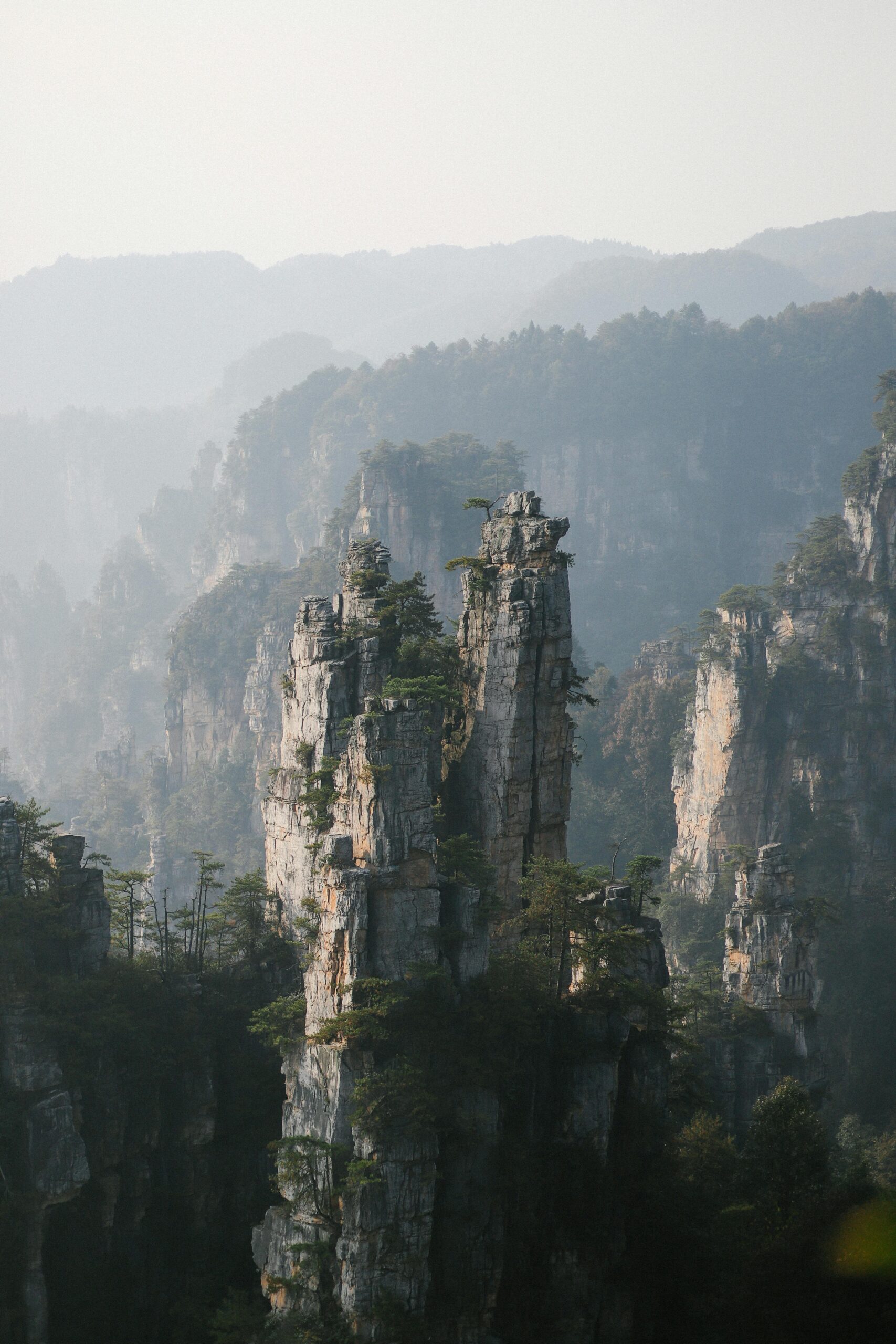
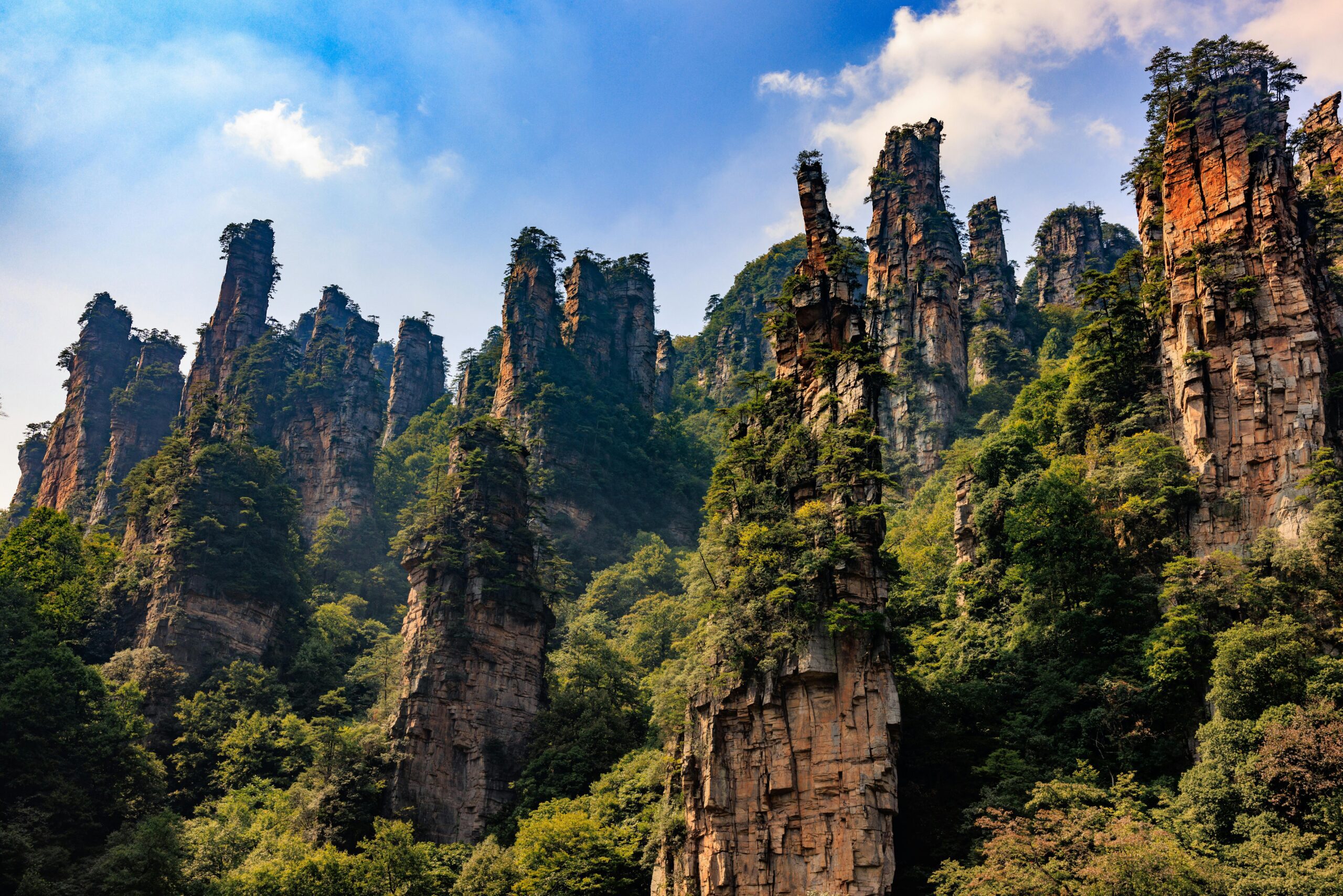
Zhangjiajie is one of the top “off the beaten path” recommendations in many China guides, and for good reason. Its towering sandstone pillars inspired the floating Hallelujah Mountains in the movie Avatar.

Why Zhangjiajie is so unique

  • Hundreds of stone pillars rising vertically out of dense forest
  • Deep canyons connected by glass walkways and cable cars
  • The famous Glass Bridge suspended over a dramatic gorge
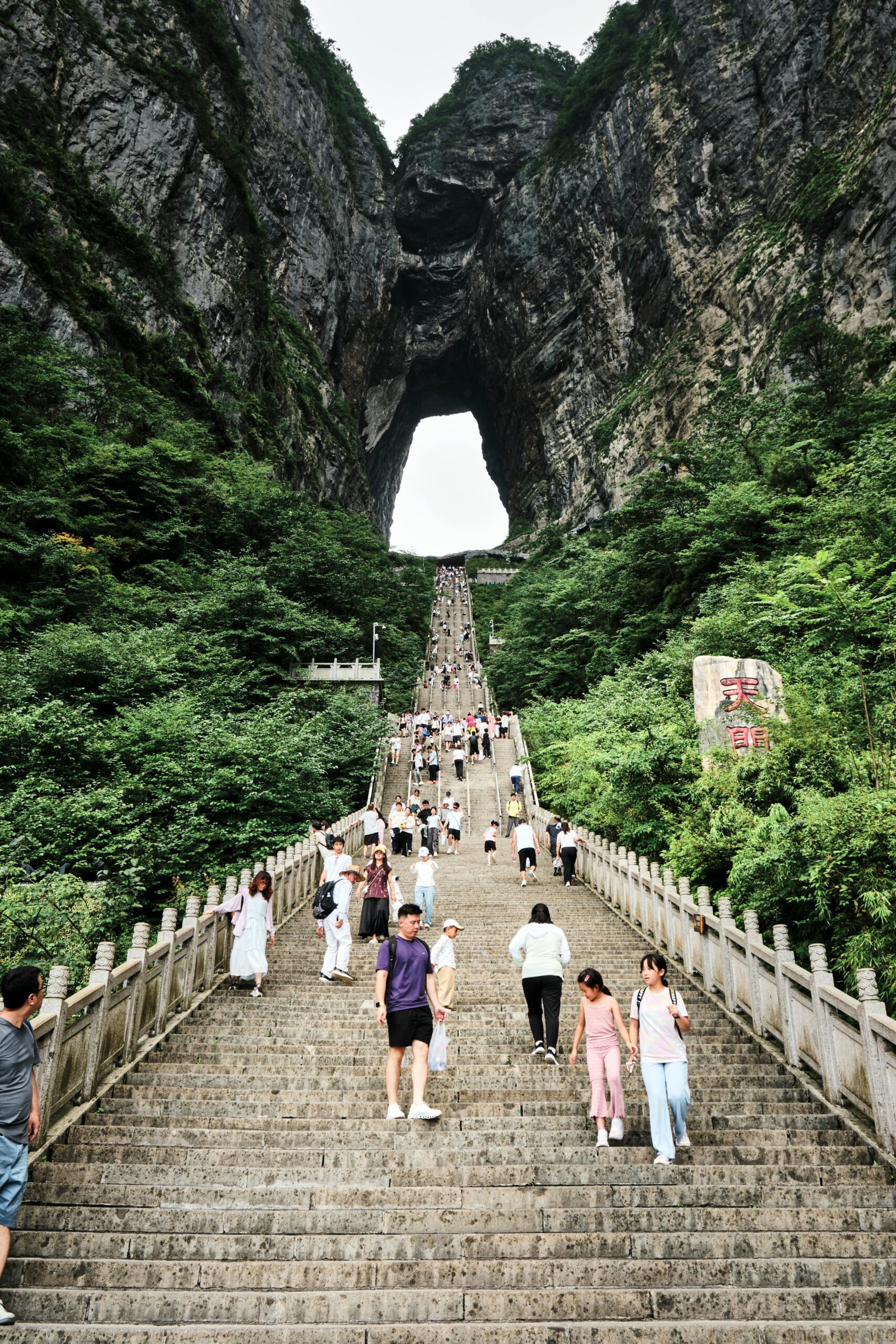
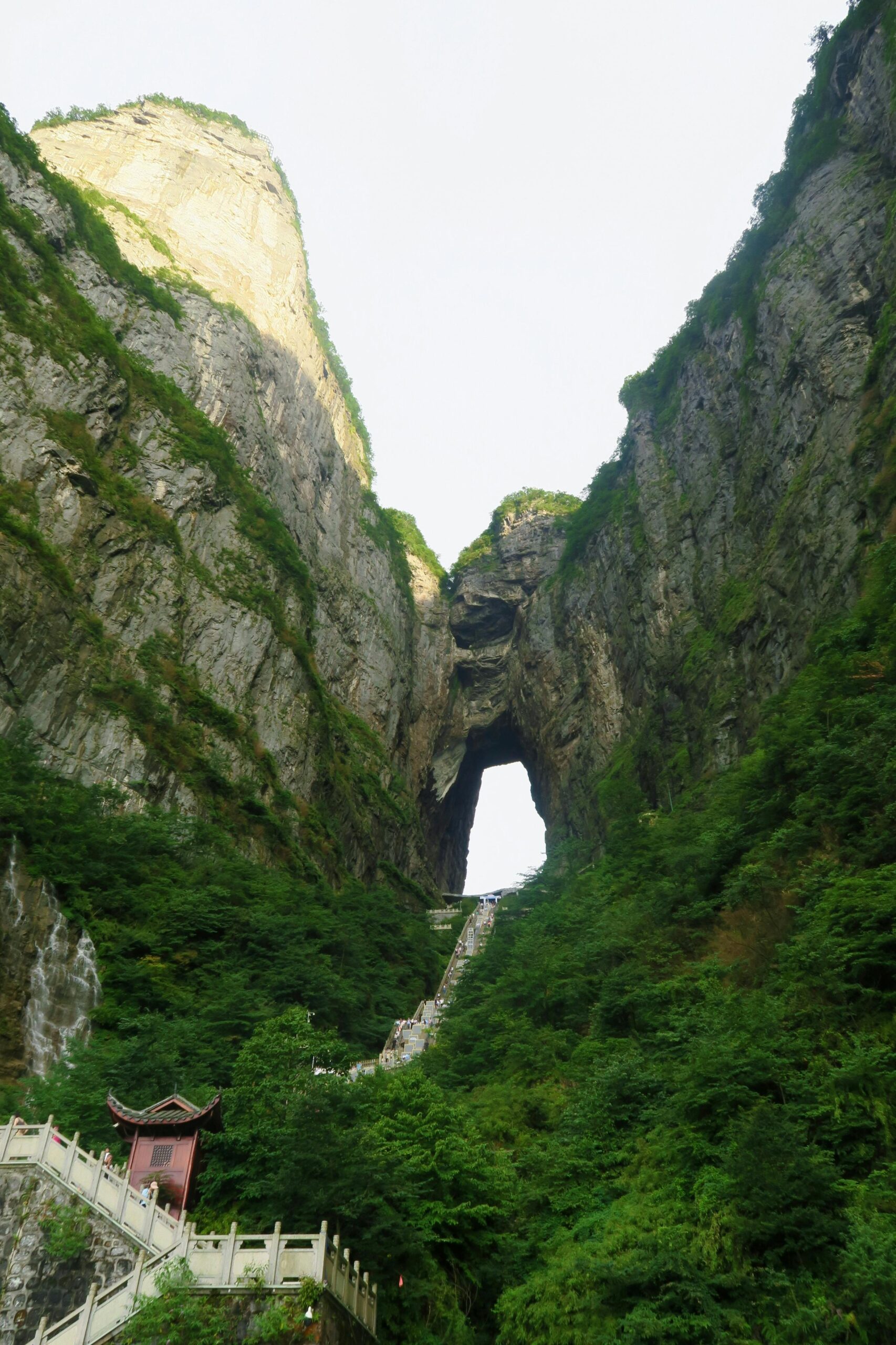
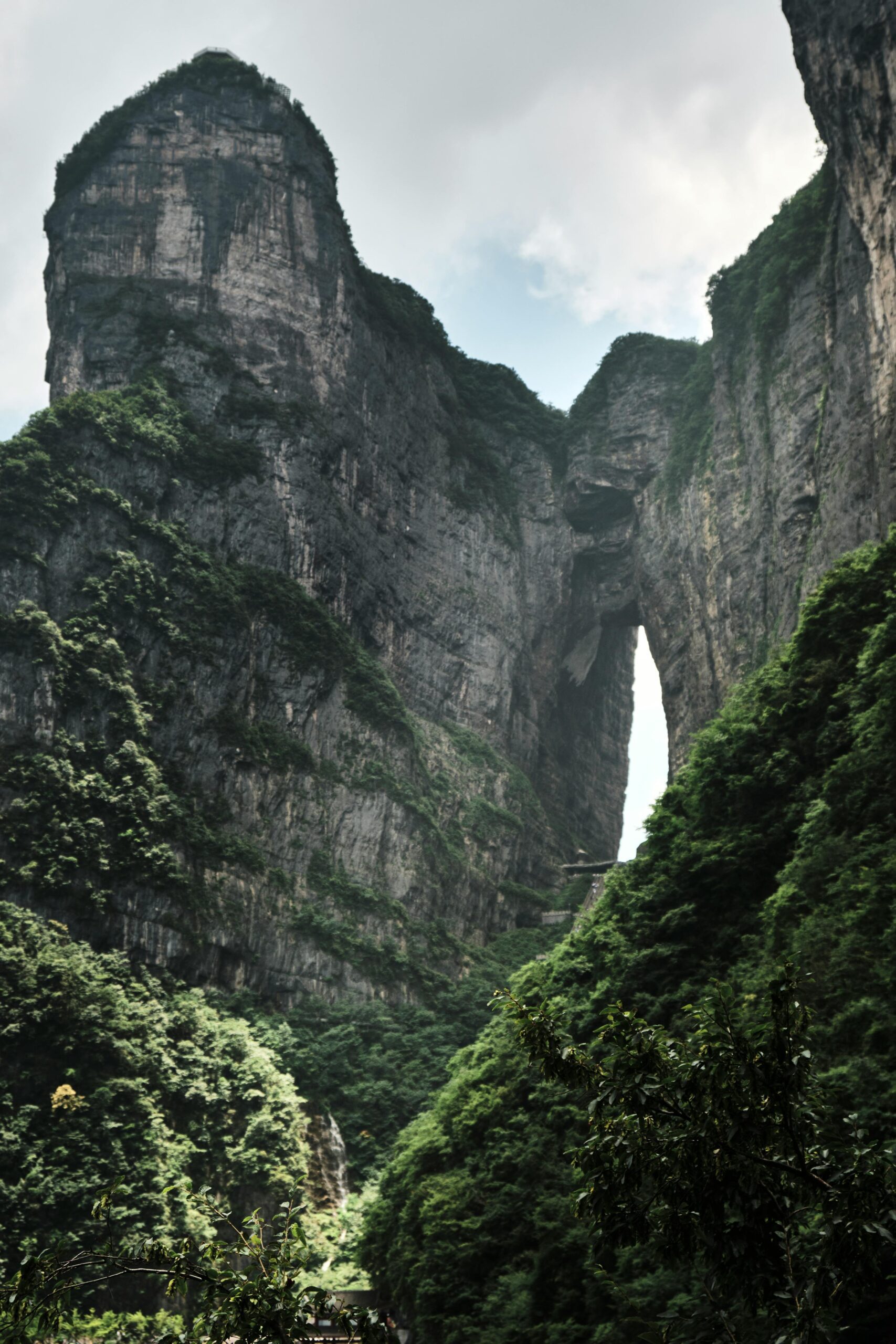
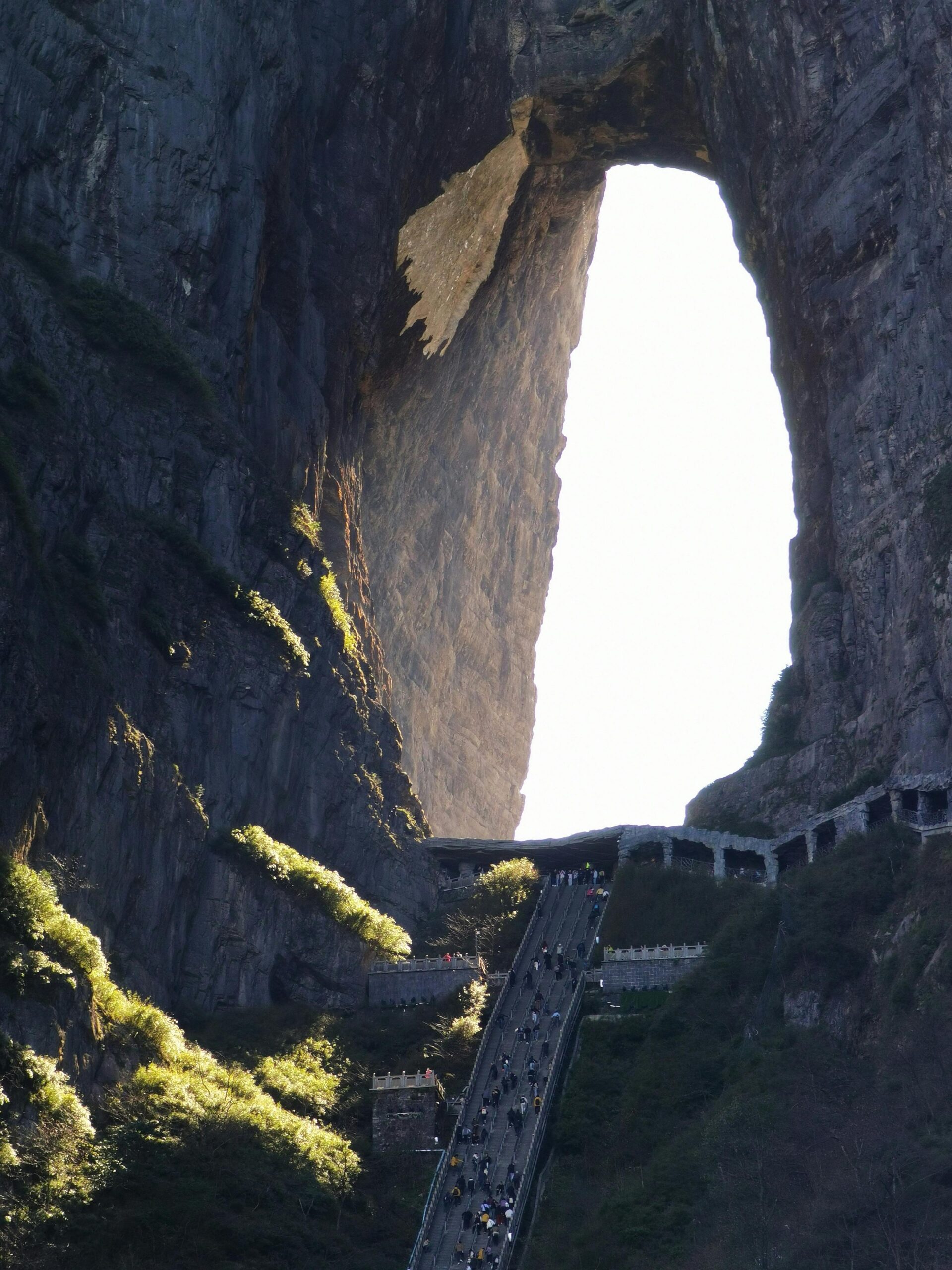
  • Tianmen Mountain, with a natural rock arch known as “Heaven’s Gate” and cliff‑side skywalks

Suggested experiences

  • Spend at least two full days exploring Zhangjiajie National Forest Park to get beyond the most crowded viewpoints.
  • Take the cable cars up and walk along quieter trails for more intimate views of the pillar forest.
  • Add a day trip to Tianmen Mountain and the Glass Bridge if you’re comfortable with heights.

How to visit on a guided tour

Zhangjiajie works especially well on a private or small‑group tour because:
  • The park is huge and the internal bus routes can be confusing.
  • Weather can strongly affect visibility, so flexible planning is important.
  • It fits naturally into multi‑day itineraries that connect Zhangjiajie with other scenic areas like Fenghuang Ancient Town, or Guilin.

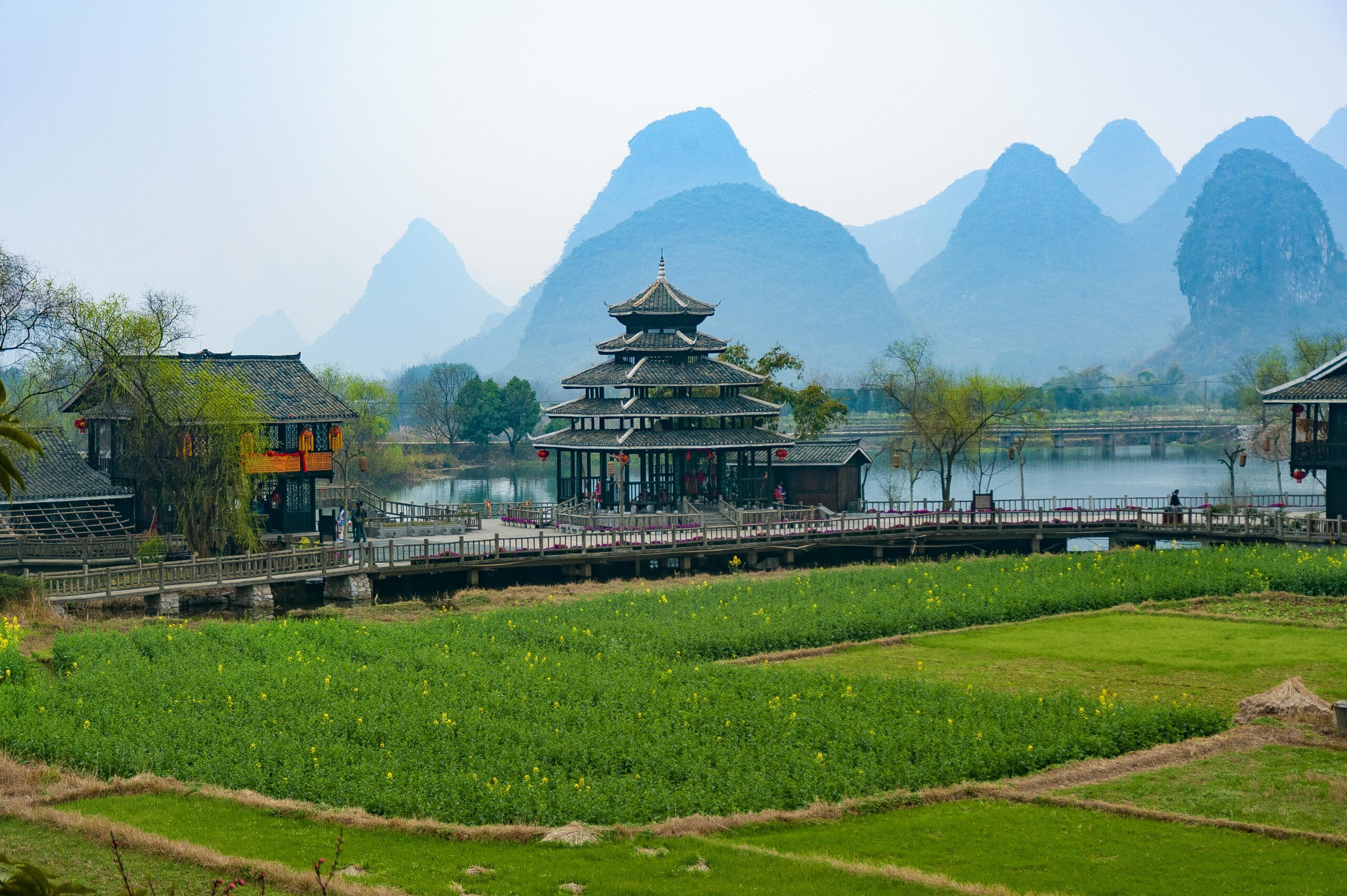
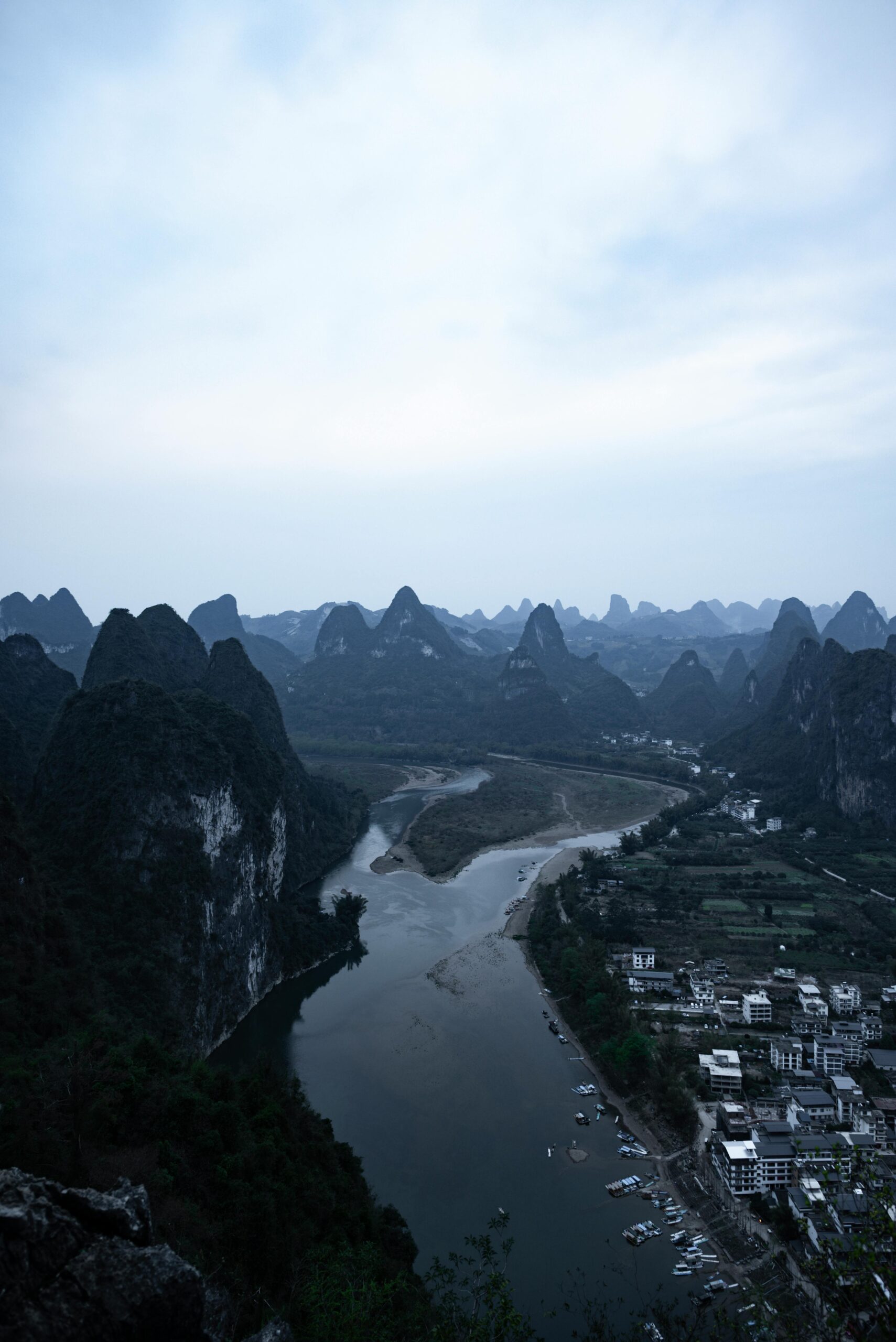
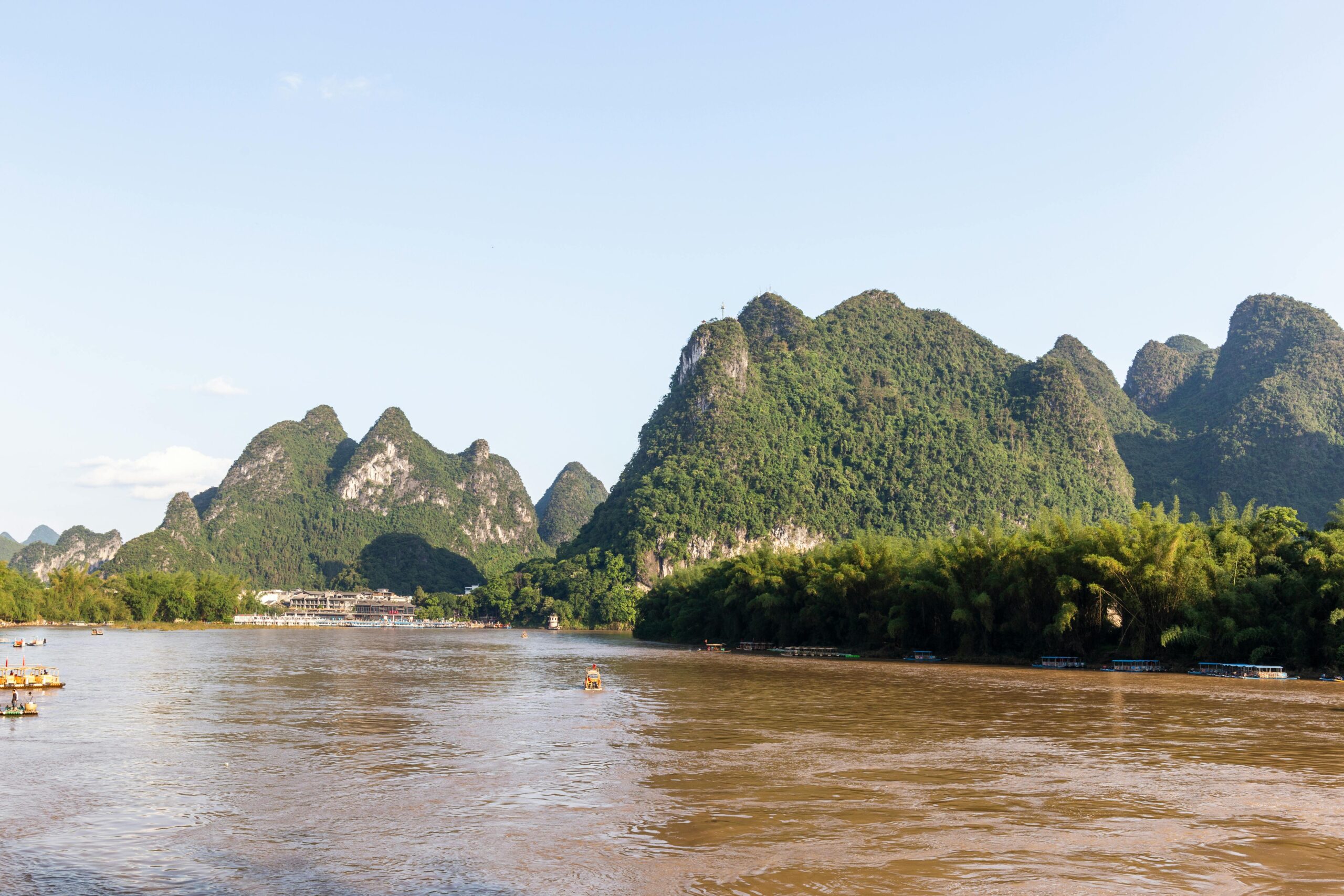
Guilin & Yangshuo: Karst Peaks and River Villages


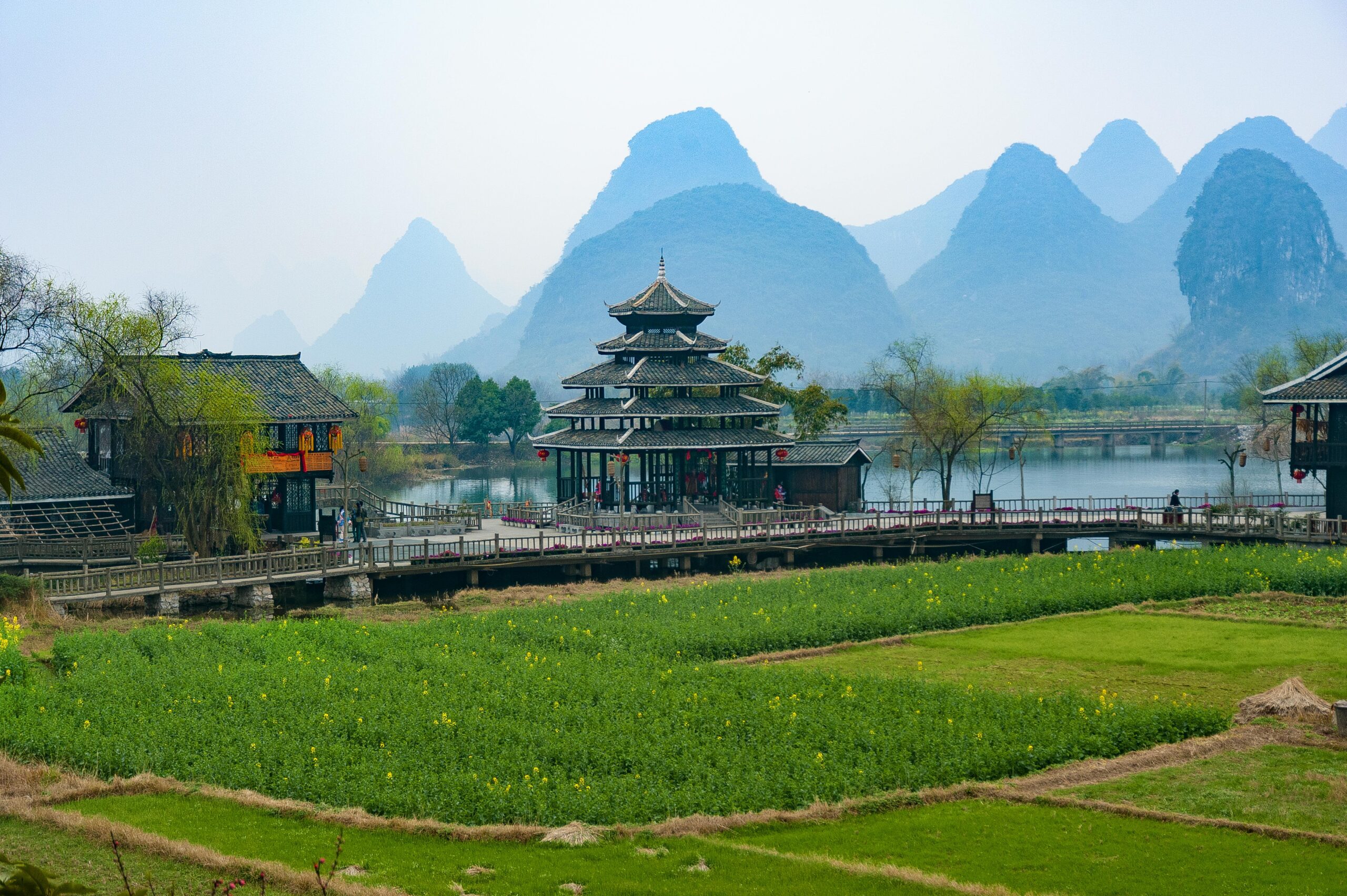
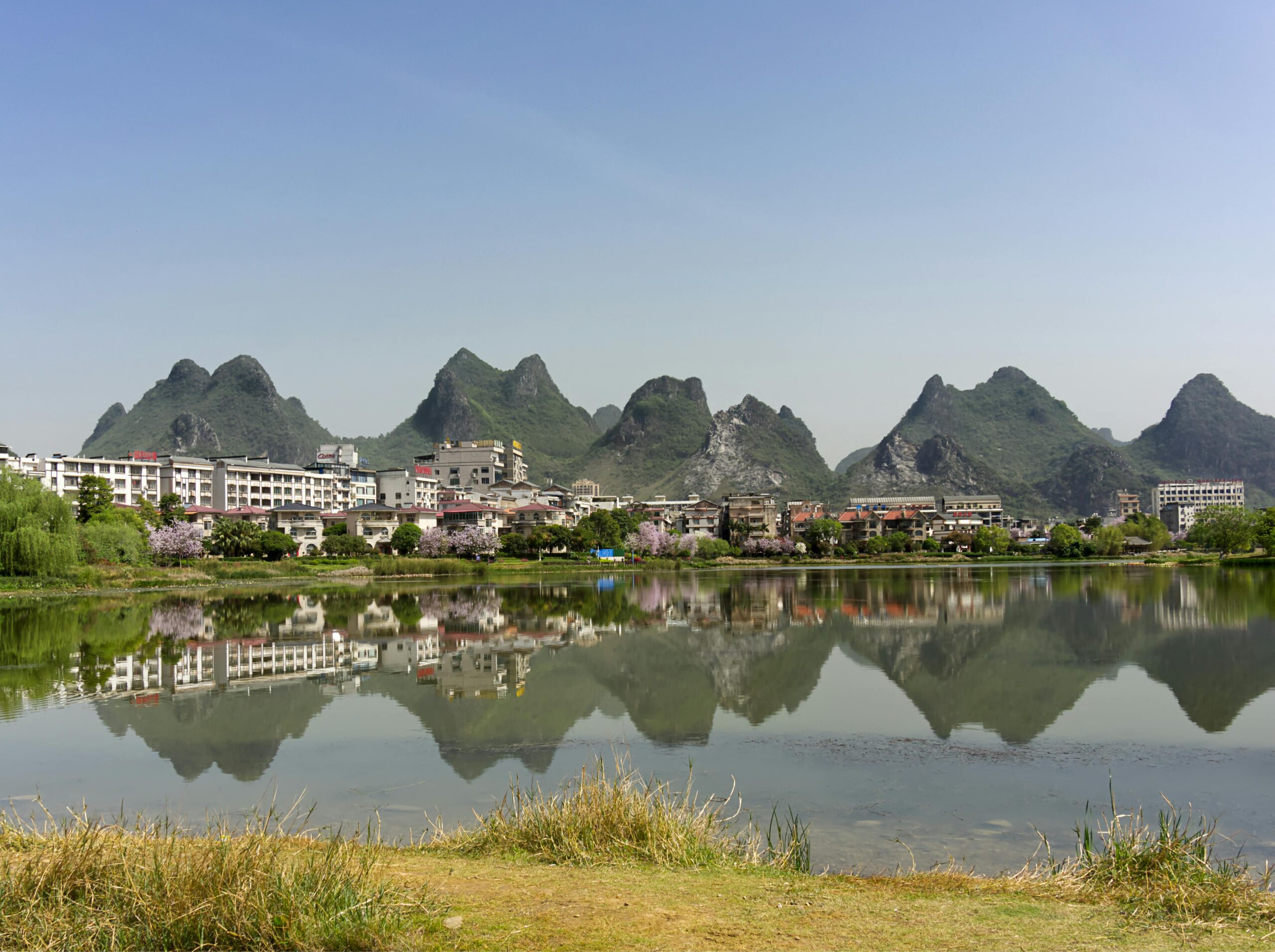
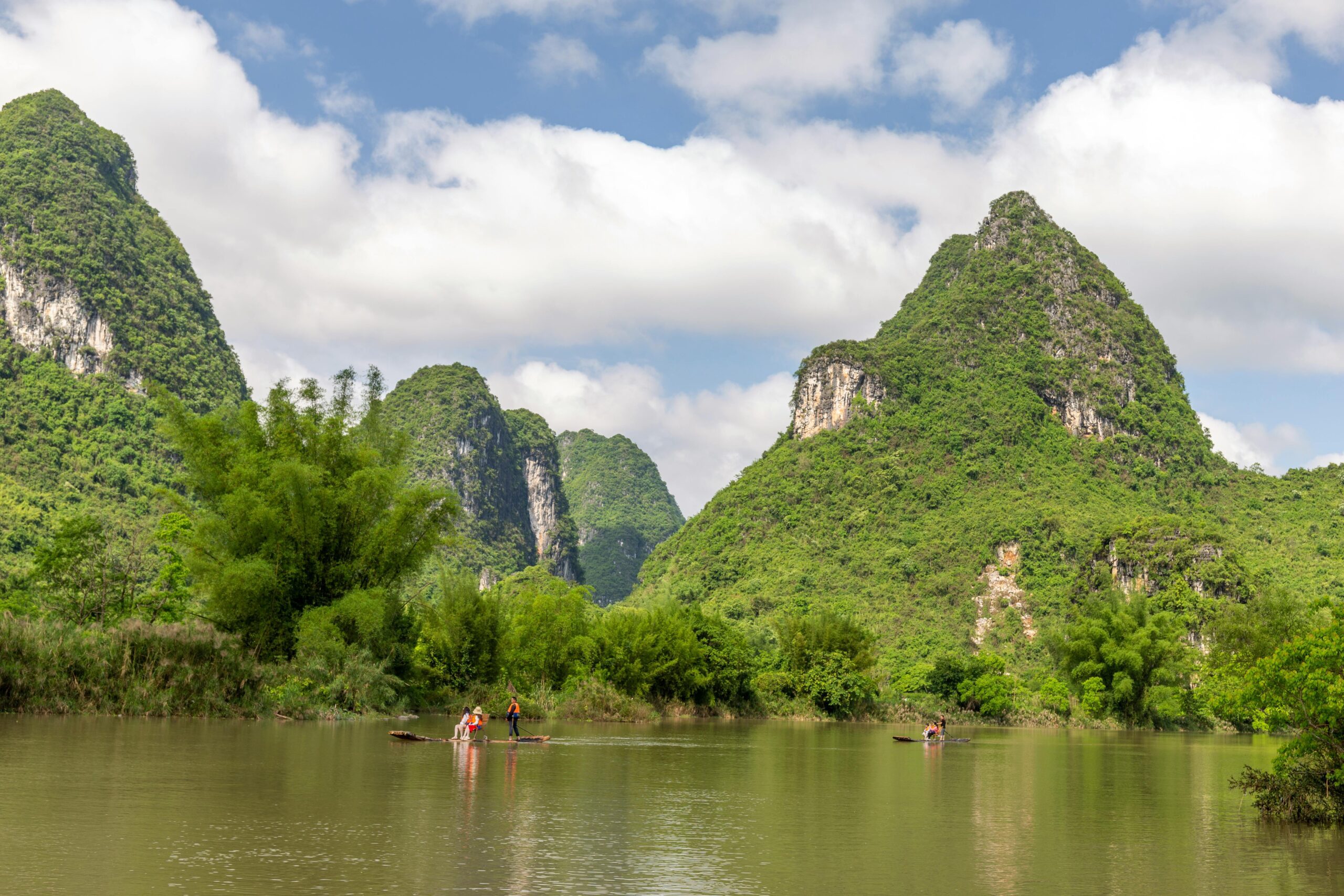
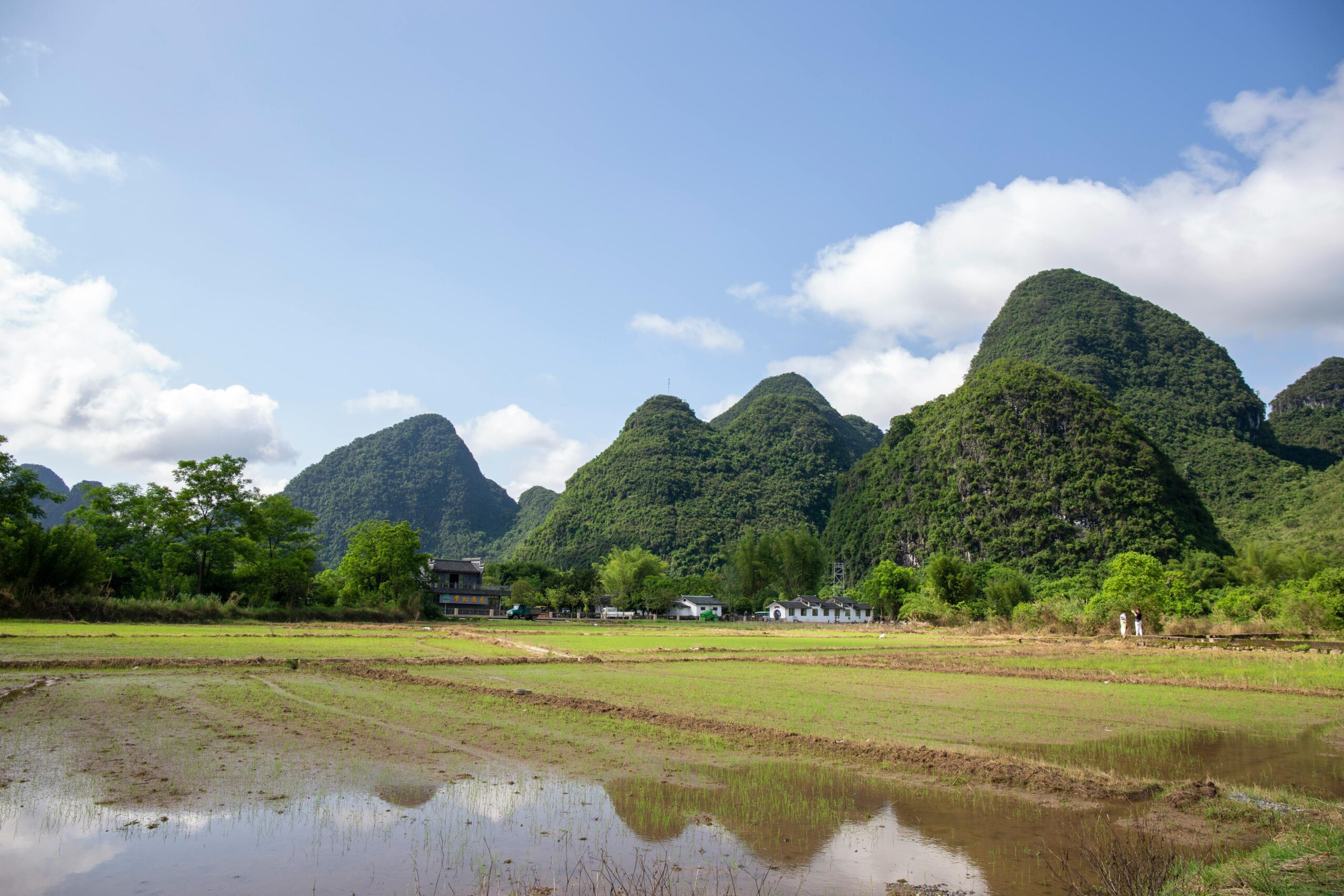
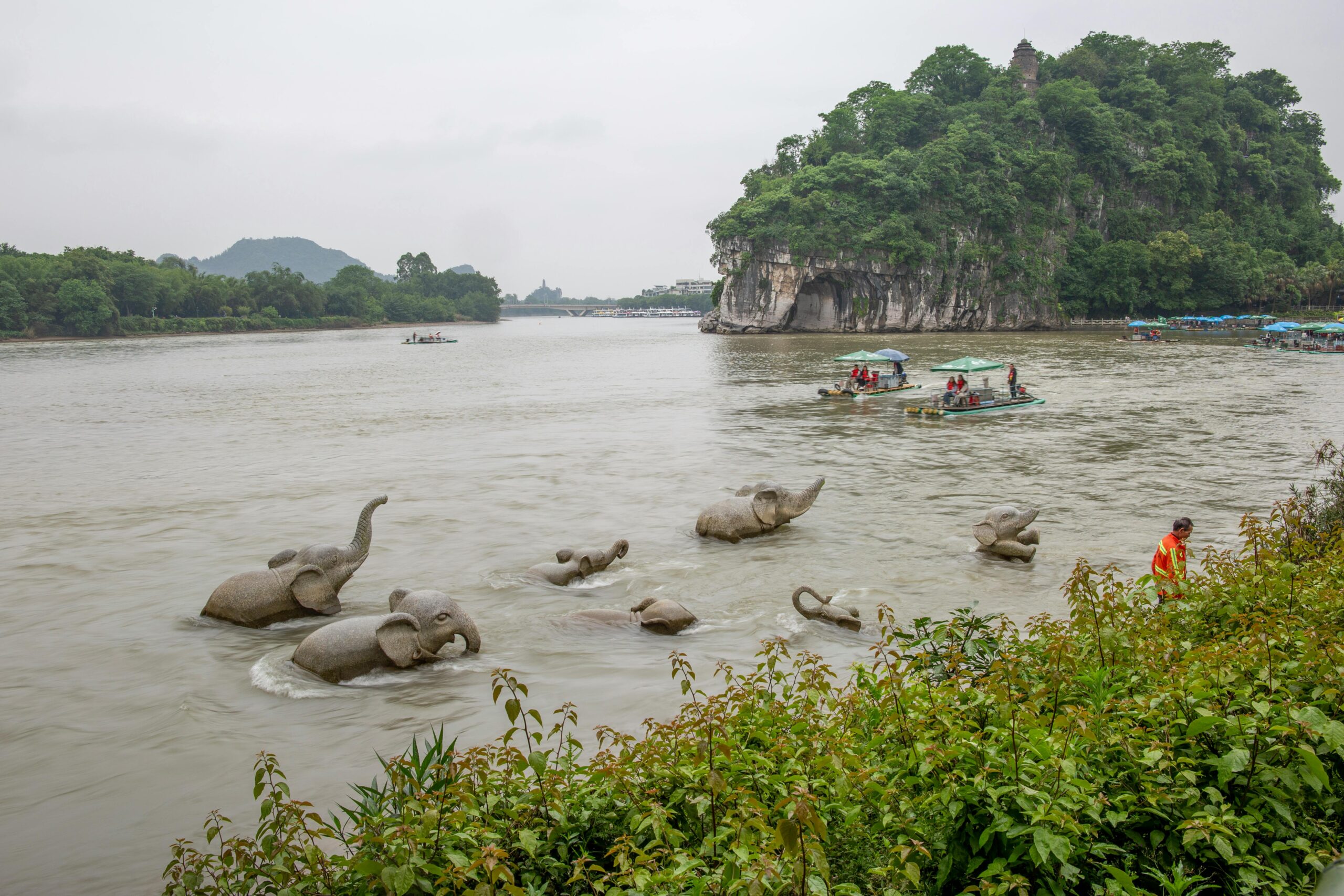
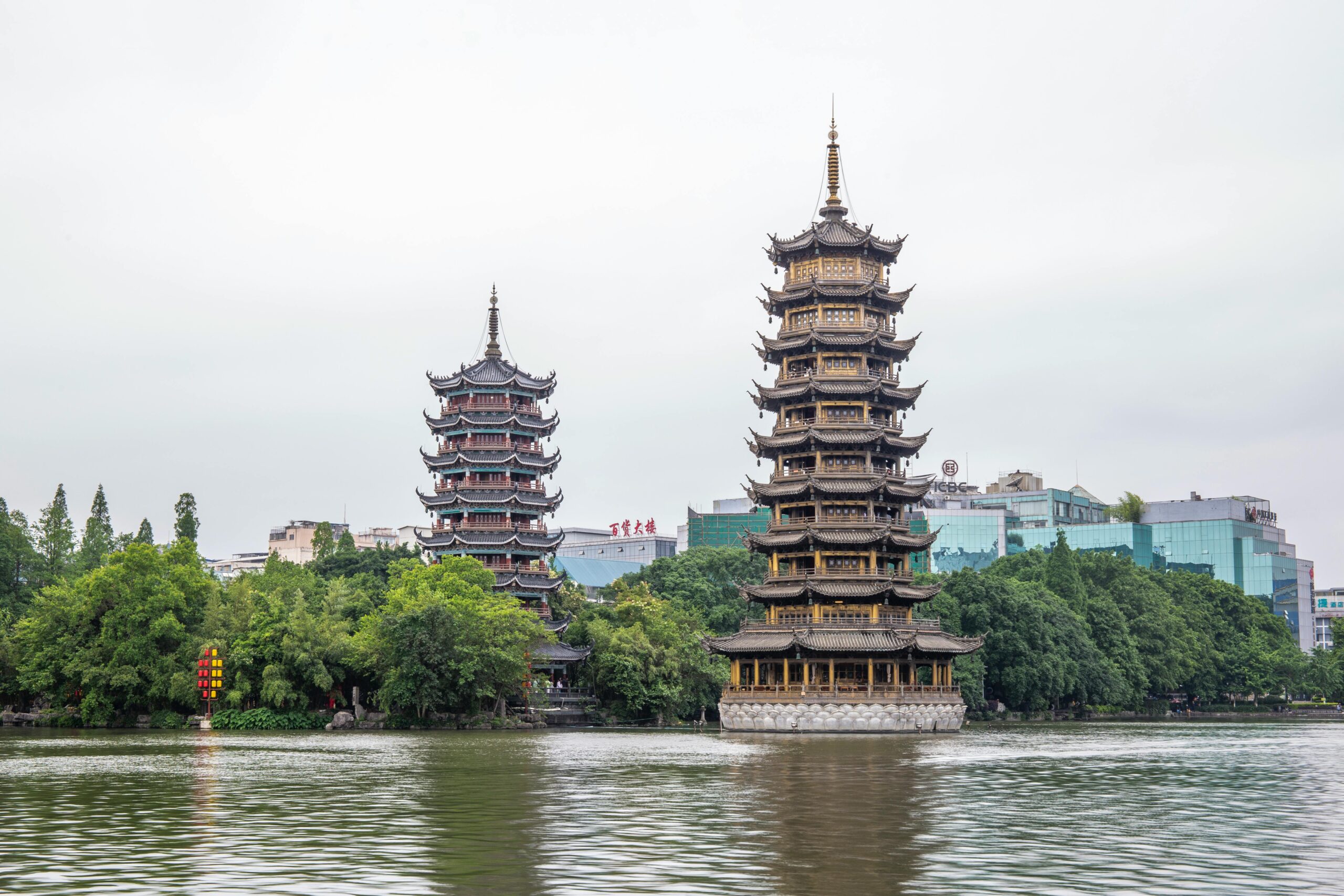
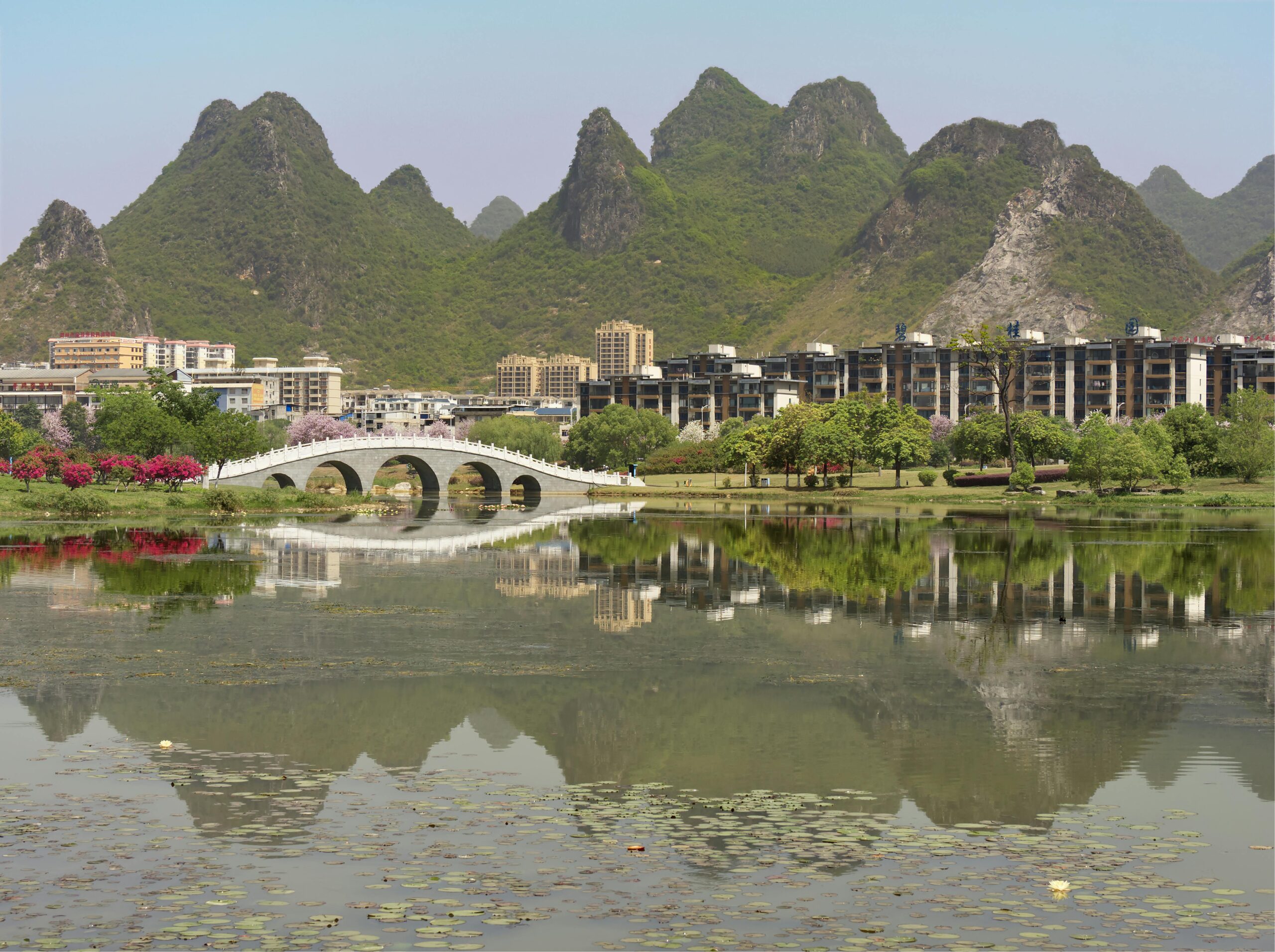
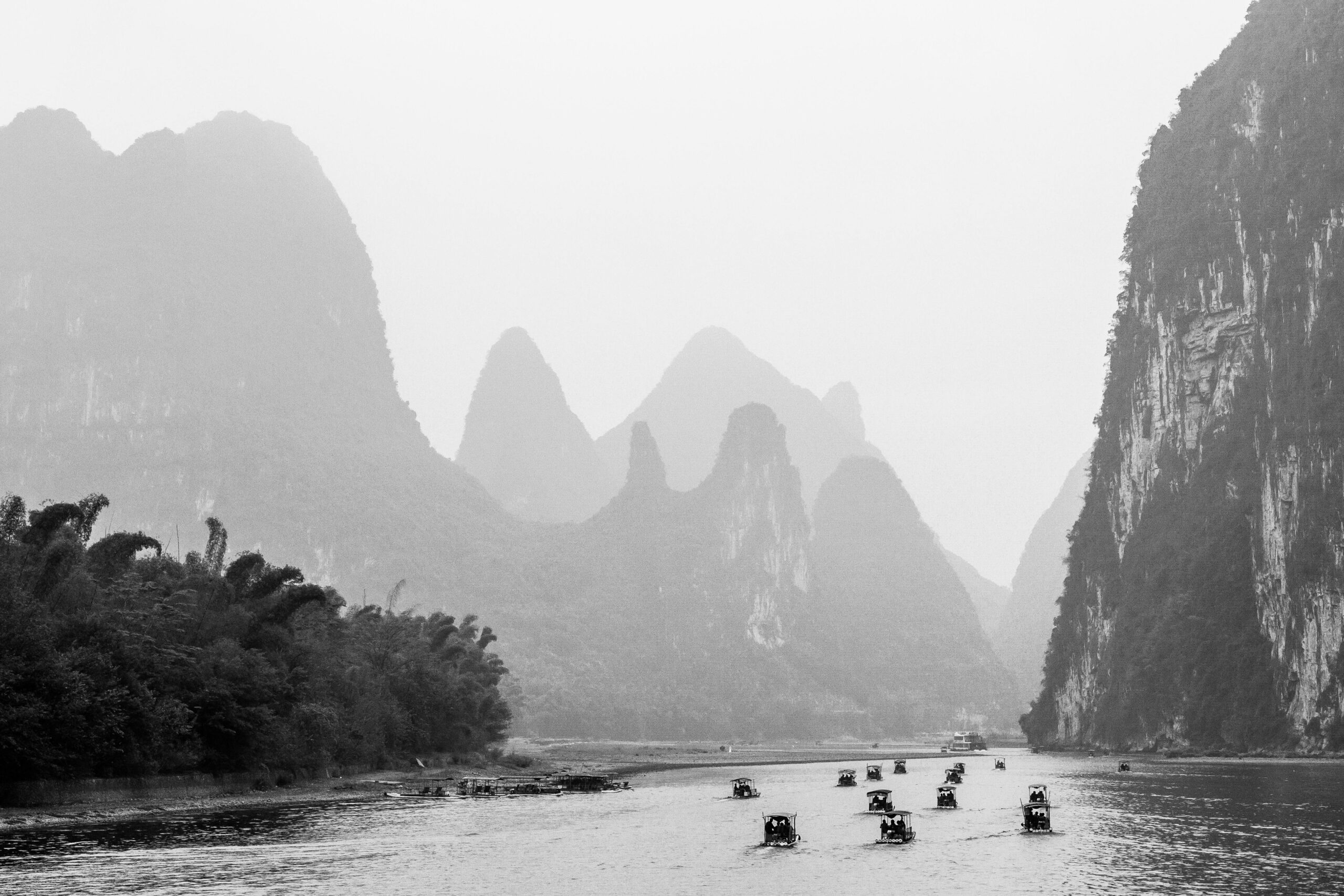
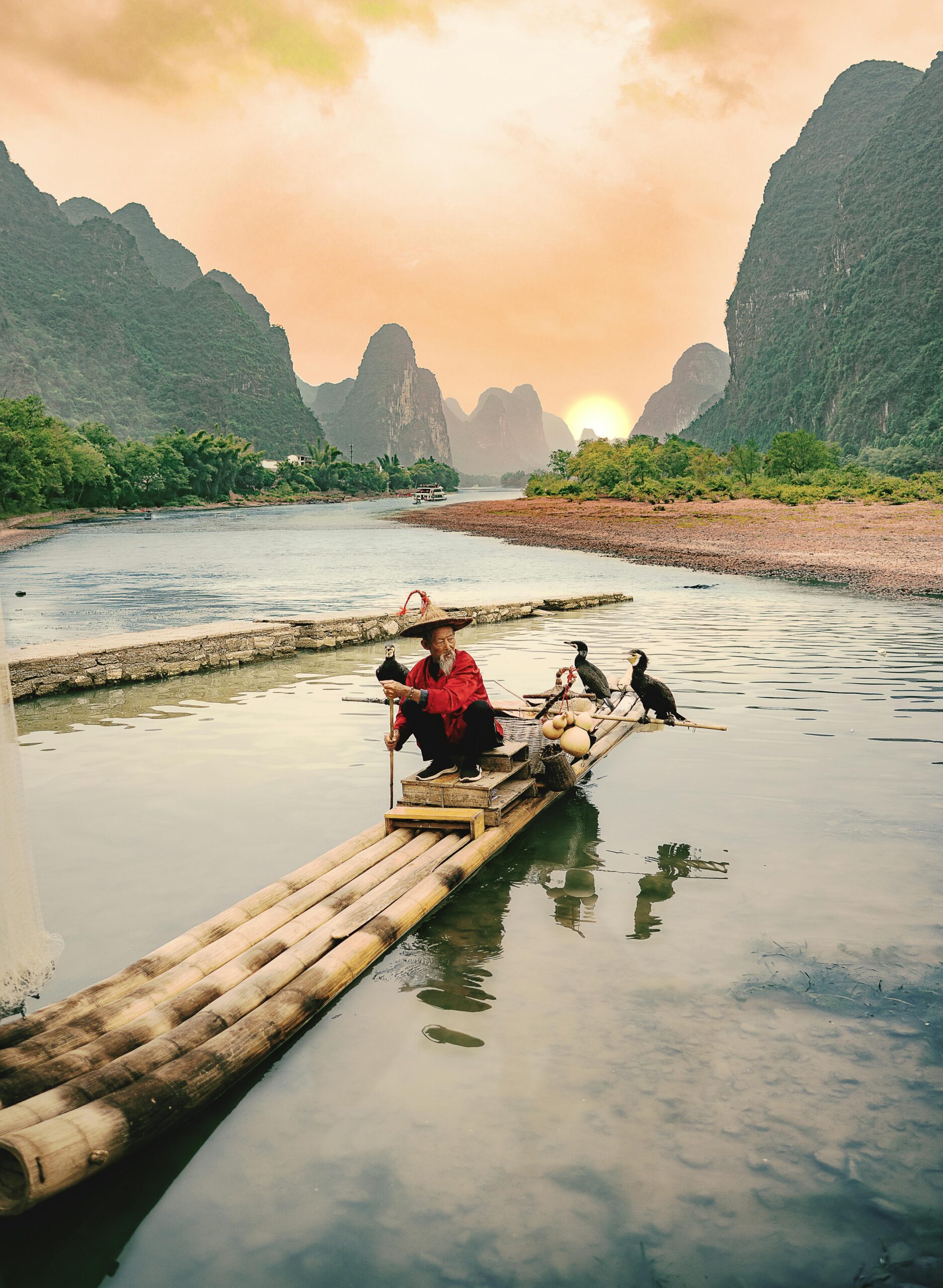
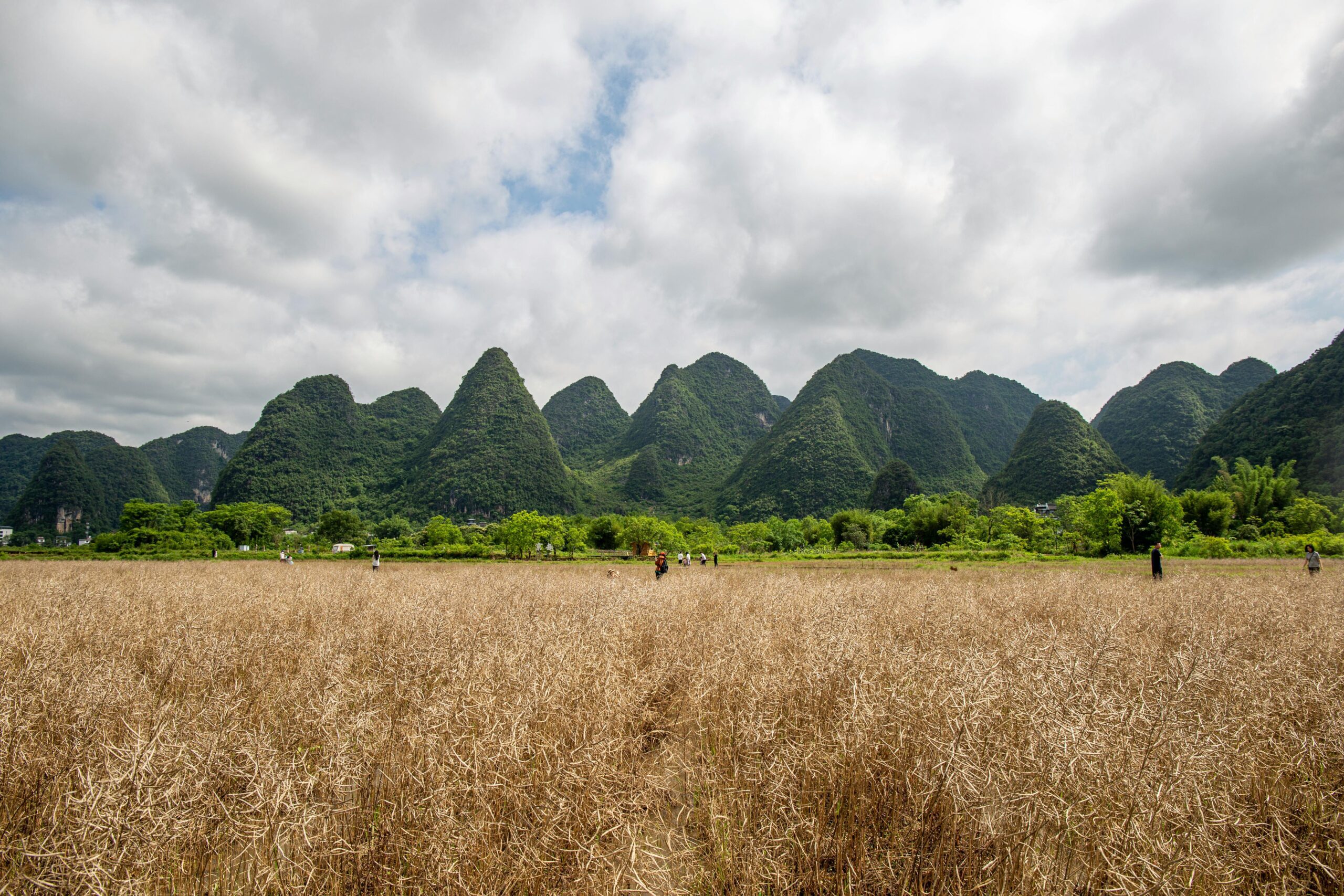
Guilin and Yangshuo frequently appear in lists of “most beautiful places in China you need to see to believe”,. The landscape of limestone peaks, winding rivers and patchwork fields looks like a Chinese ink painting brought to life.

What makes Guilin & Yangshuo special

  • Iconic karst peaks rising straight from the valley floor
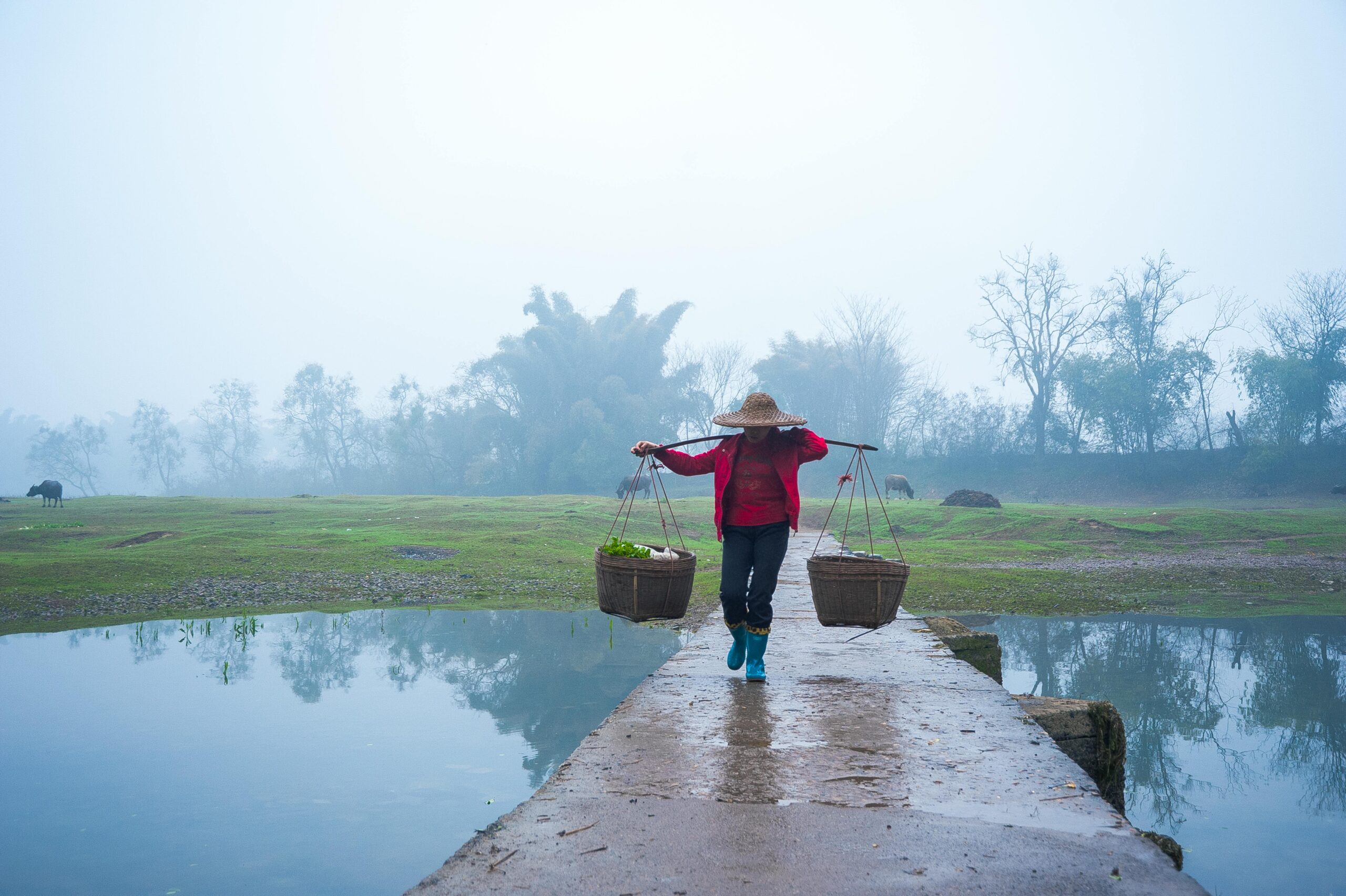
  • Quiet villages where farmers still work the rice fields and riverbanks
  • A relaxed, countryside atmosphere — a perfect contrast to big cities

Suggested experiences

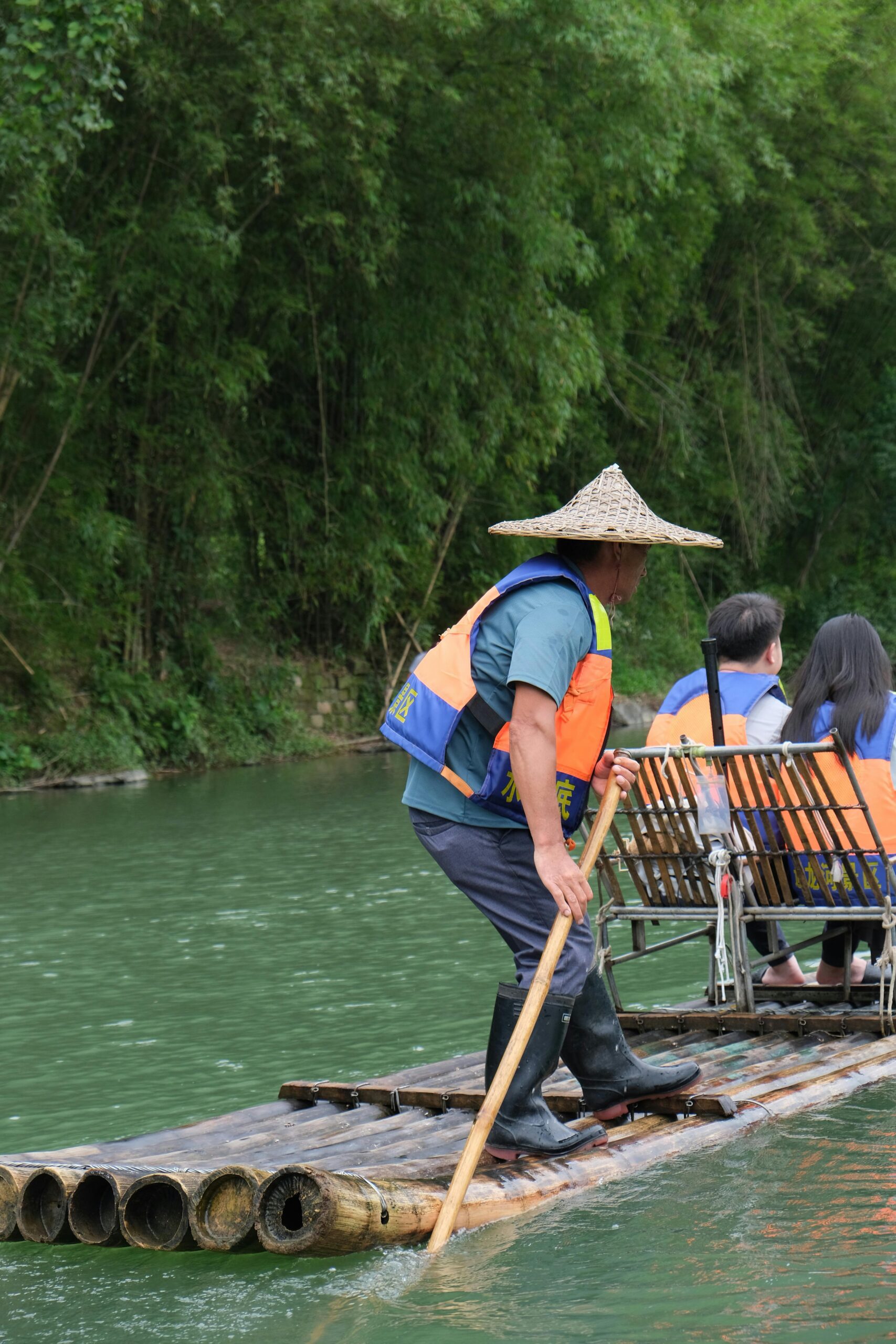
  • Take a Li River or Yulong River cruise or bamboo raft to glide between the peaks.
  • Rent bikes for an easy ride through Yangshuo’s countryside, stopping in small villages and at panoramic viewpoints.
  • Stay in a guesthouse with views over the hills instead of in the busier town center.

How to visit on a guided tour

On a guided tour, you can:
  • Combine Guilin & Yangshuo with other destinations in South China, like Guangzhou or Hong Kong, using high‑speed trains.
  • Let your guide steer you away from the most crowded photo spots and towards quieter trails, villages and markets.
  • Include sunrise or sunset viewpoints that are easier to reach with private transport.

Yunnan’s Rice Terraces and Mountain Landscapes


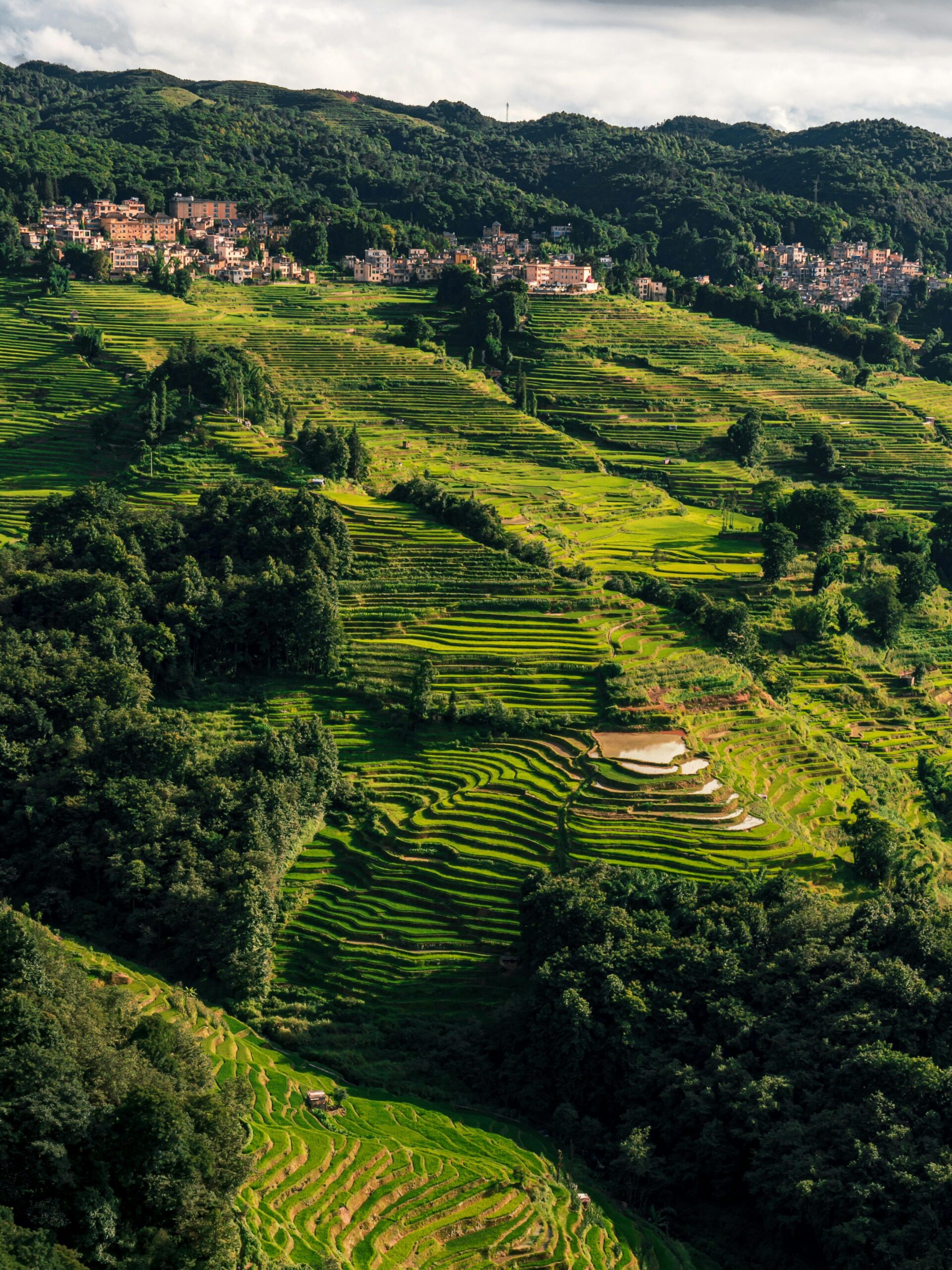
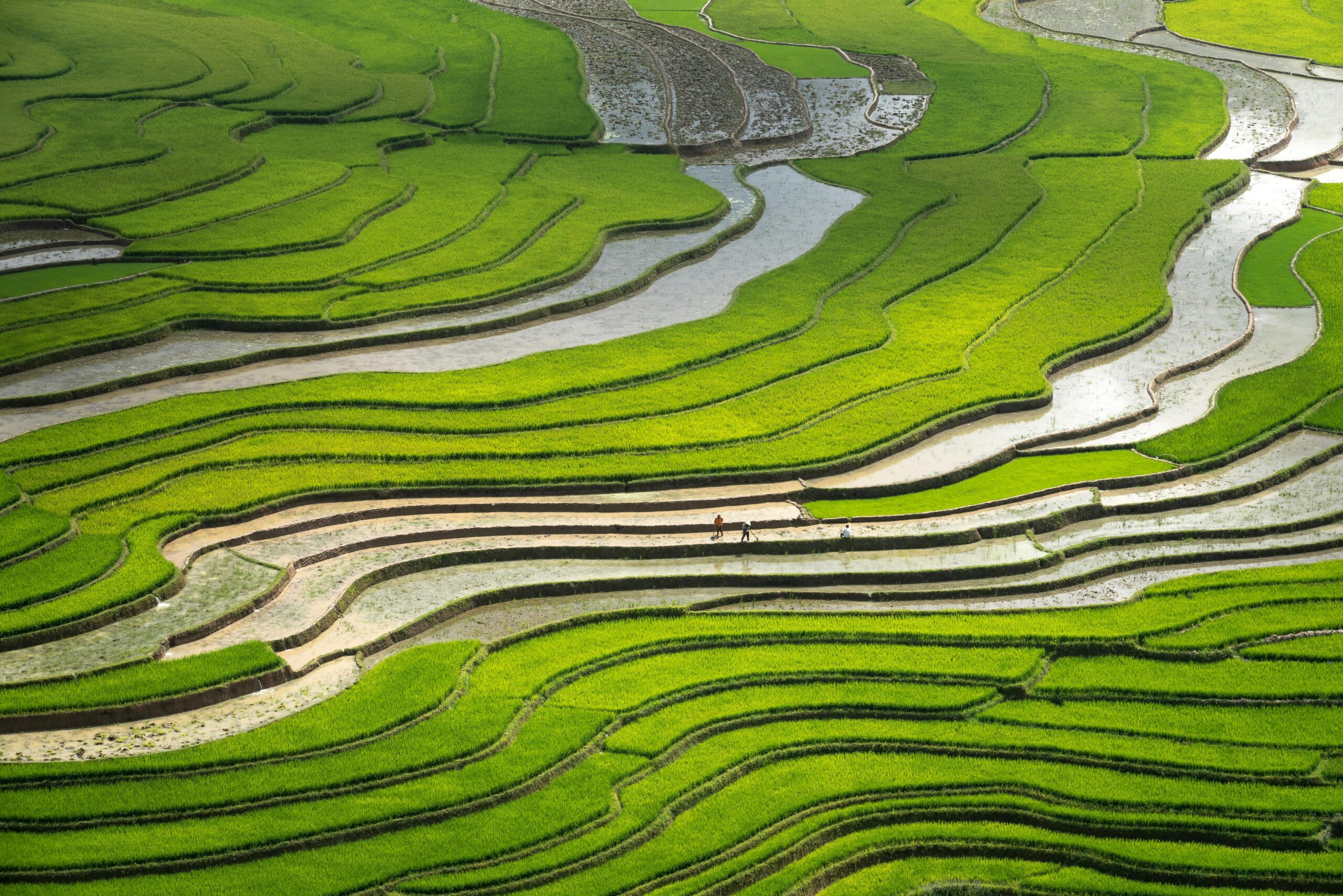
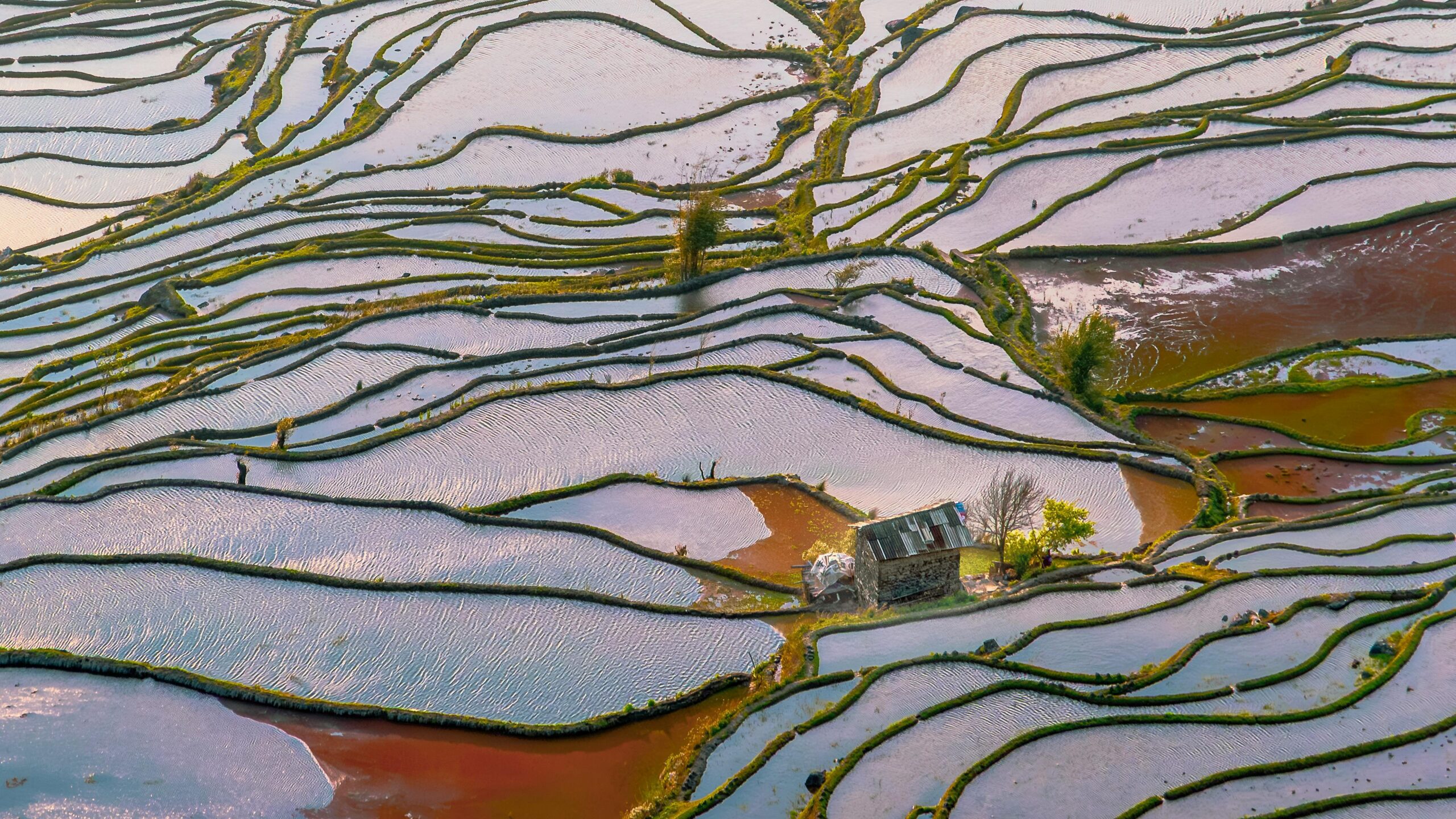
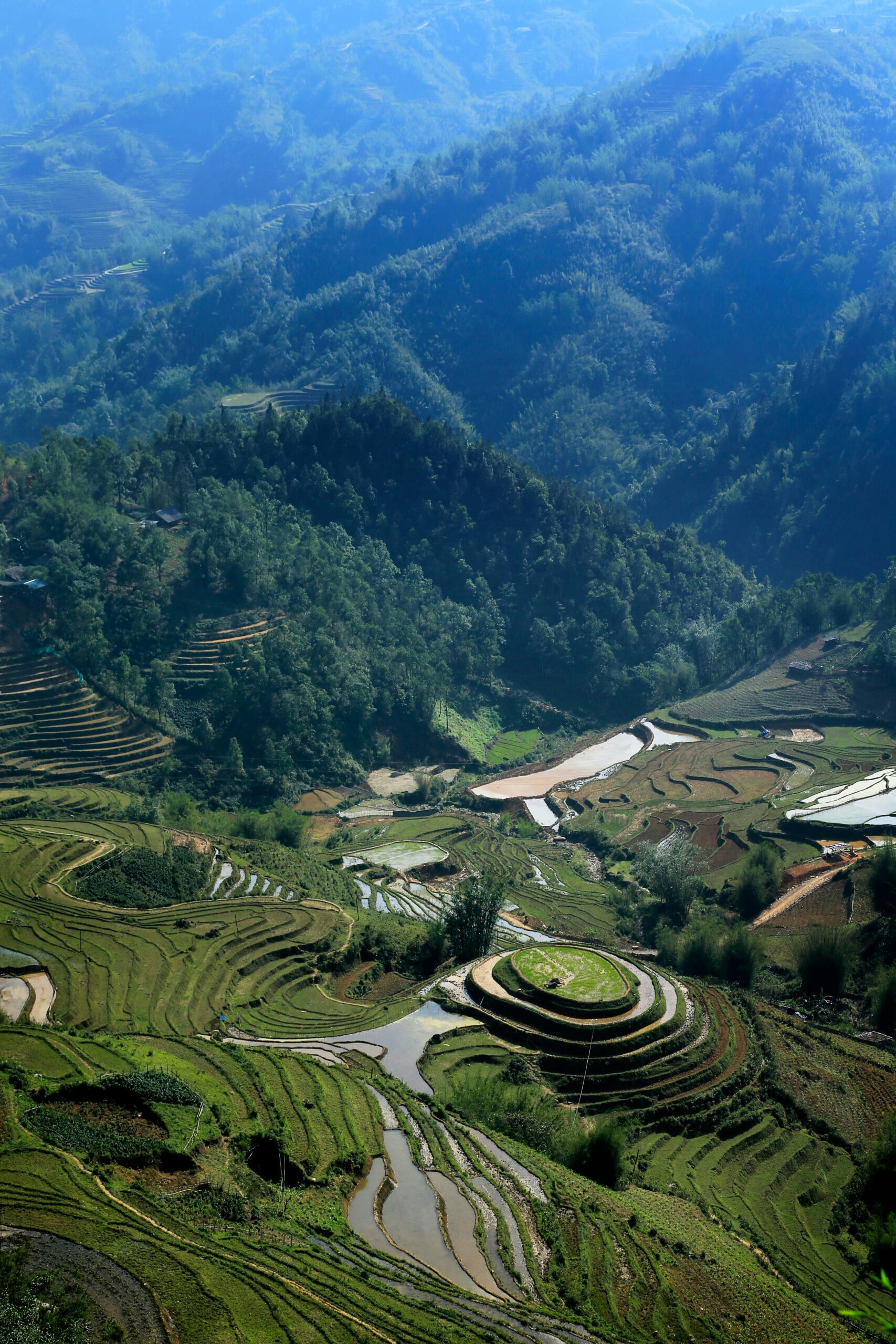
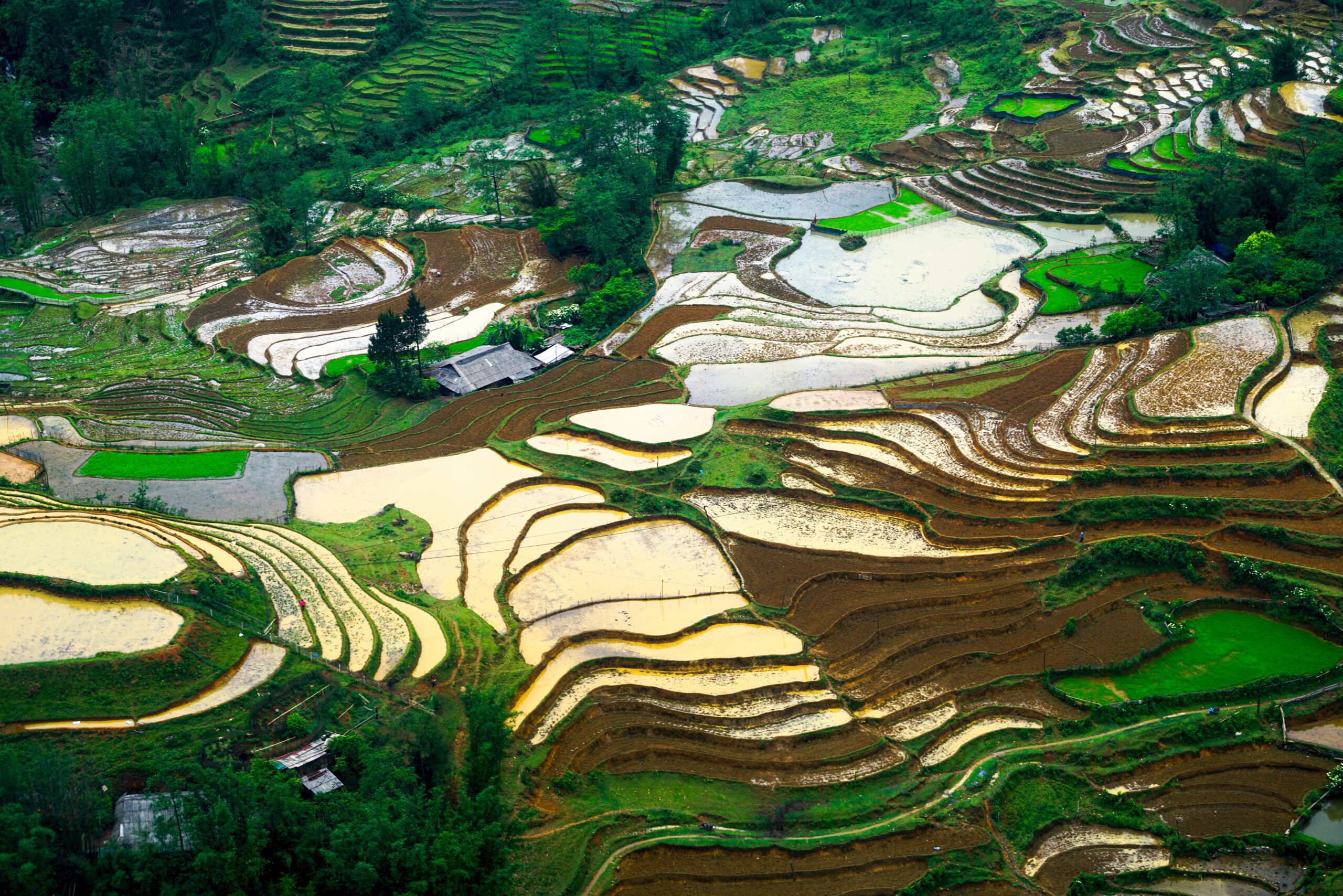
The southwestern province of Yunnan is a favorite among travelers seeking lesser‑known, diverse landscapes and cultures,. One of its most striking natural features is the network of rice terraces in places like Yuanyang.

Why Yunnan’s rural landscapes are unusual

  • Rice terraces that wrap around the hills in intricate patterns
  • Villages that still rely heavily on traditional agriculture
  • A mix of ethnic groups, each with distinct customs and dress

Suggested experiences

  • Sunrise over the Yuanyang rice terraces, watching the light change on the flooded fields.
  • Walks along narrow paths between terraces, stopping in nearby villages.
  • Combining rural Yunnan with cities like Kunming and historical towns like Jianshui.

How to visit on a guided tour

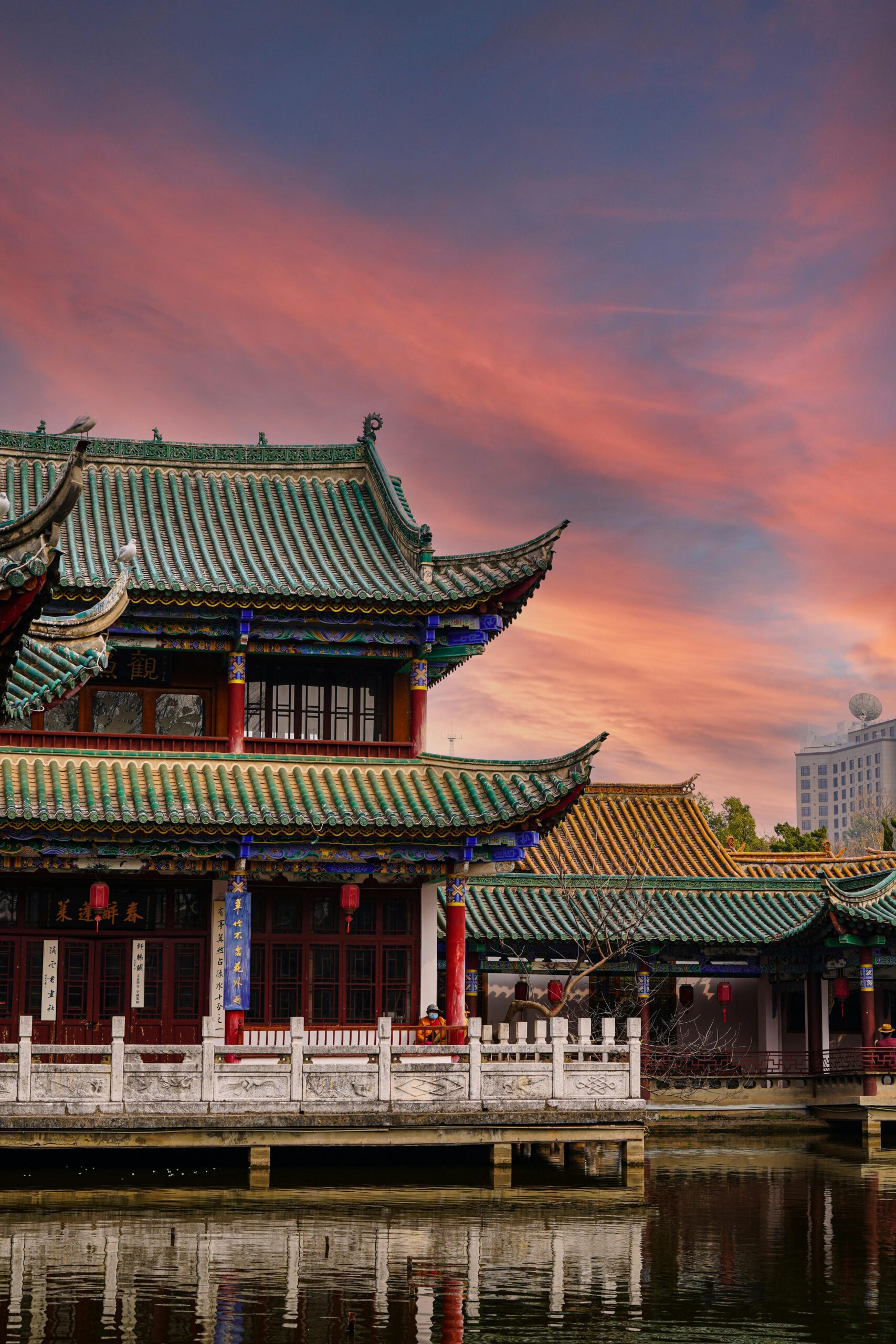
Your existing 6 Days Kunming, Jianshui, Yuanyang Rice Terraces tour is a perfect example of how to turn this off‑the‑beaten‑path region into an accessible itinerary: transport, accommodations and timing around the rice farming calendar are all handled in advance.

A guided trip ensures:
  • You hit the best viewpoints at the right times of day.
  • You can communicate with local families through your guide.
  • You avoid wasting time on slow, indirect transport options.

Unusual Places in China for History and Ancient Architecture


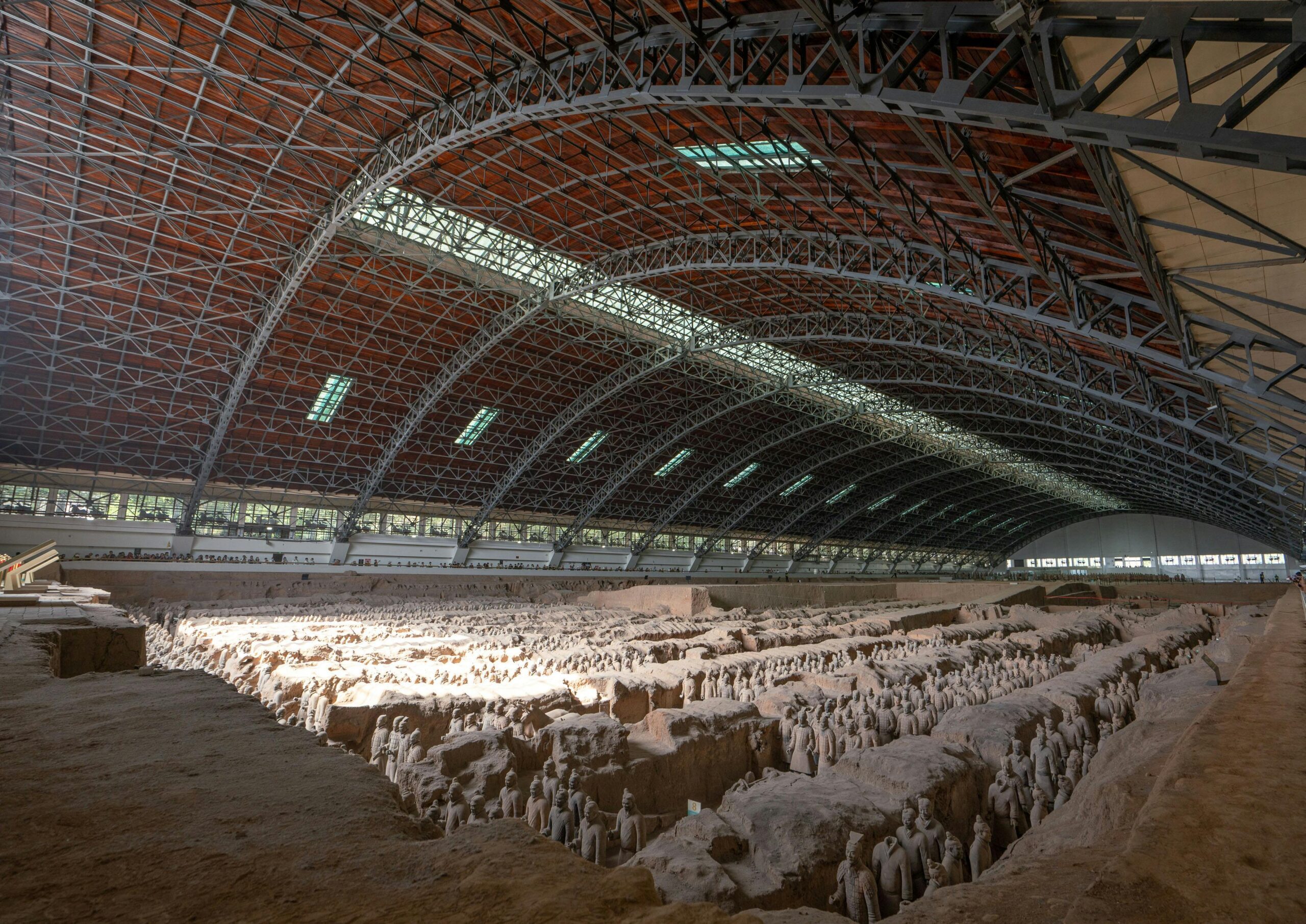
Xi’an Beyond the Terracotta Army

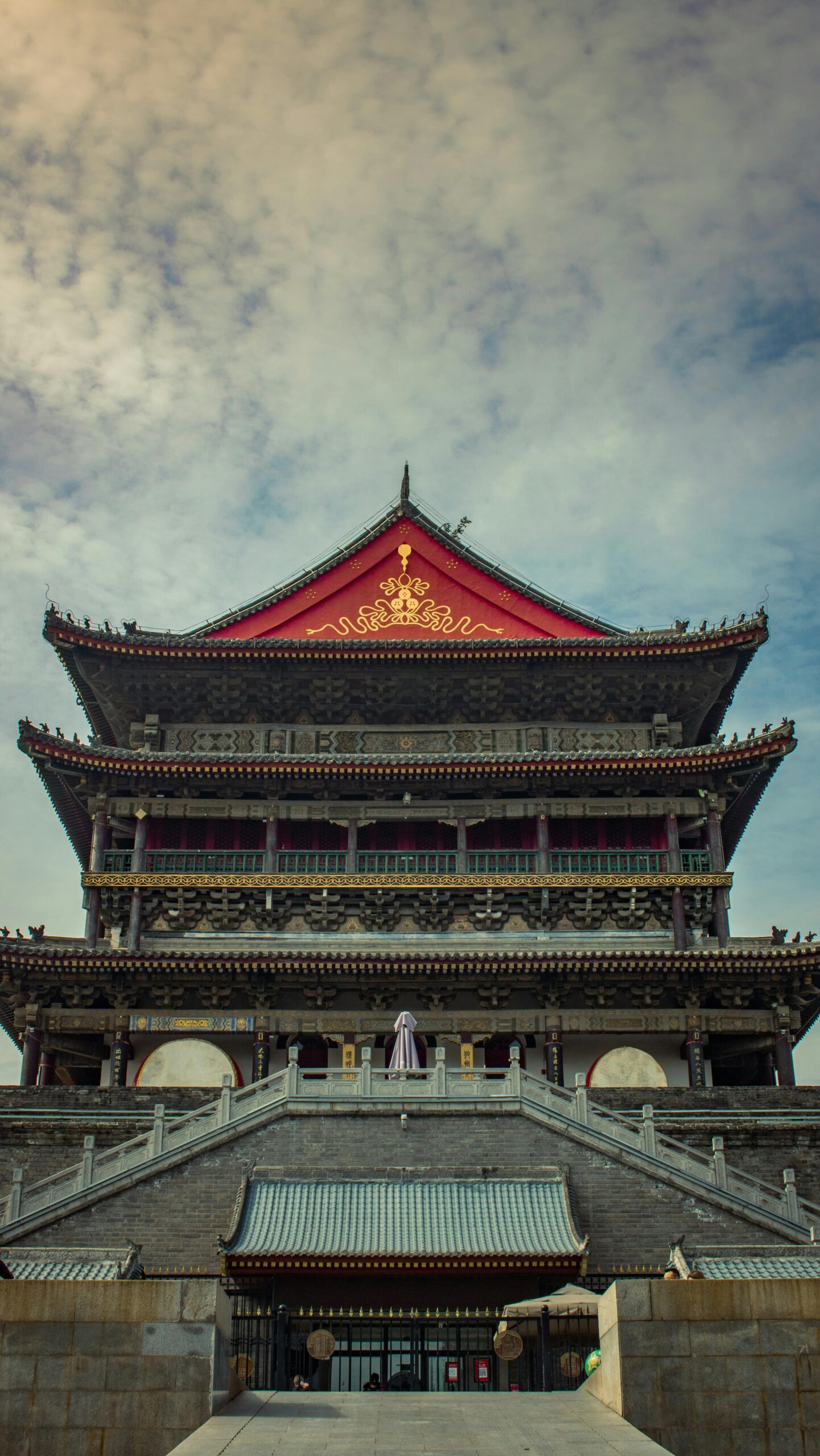
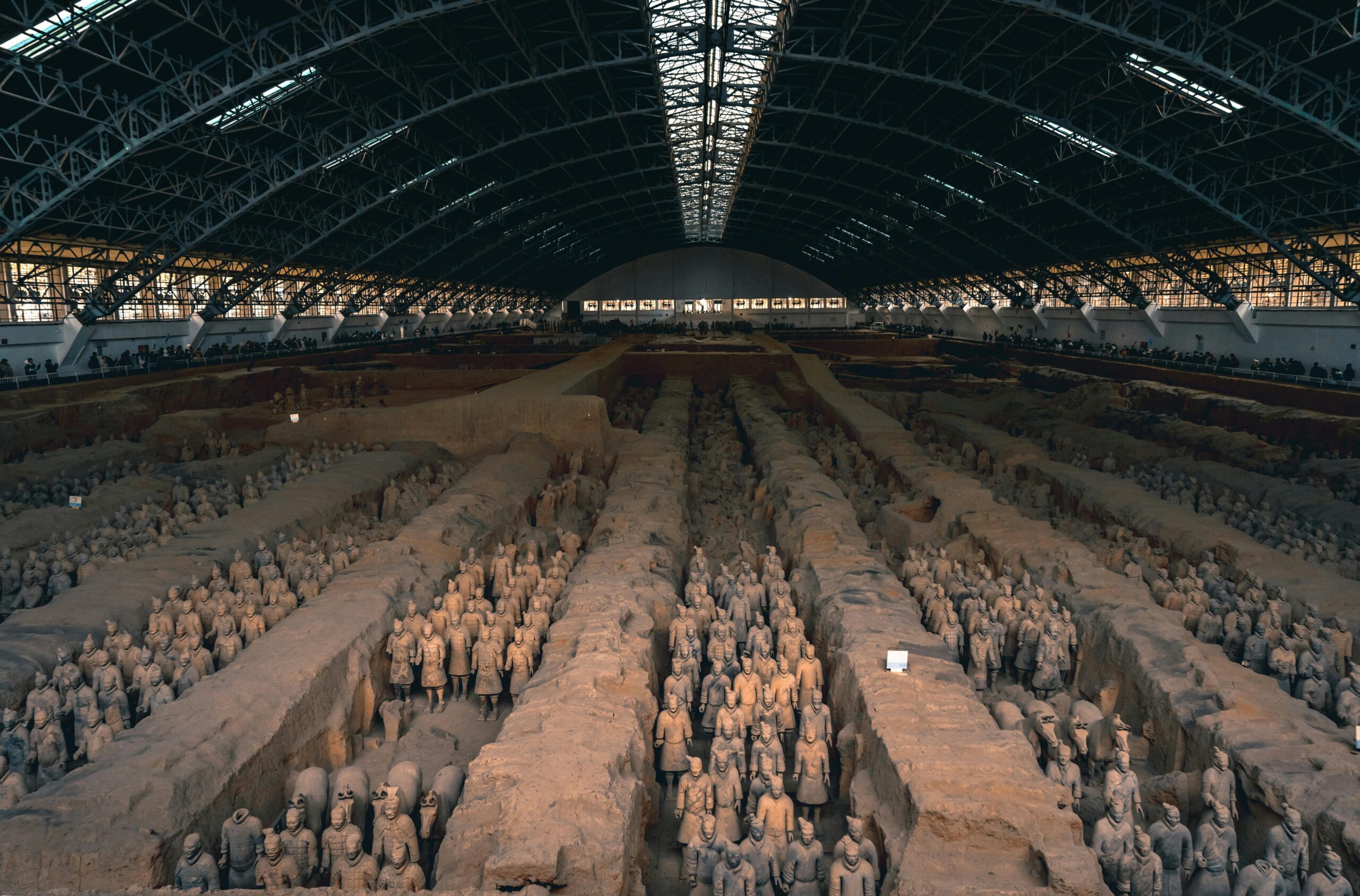
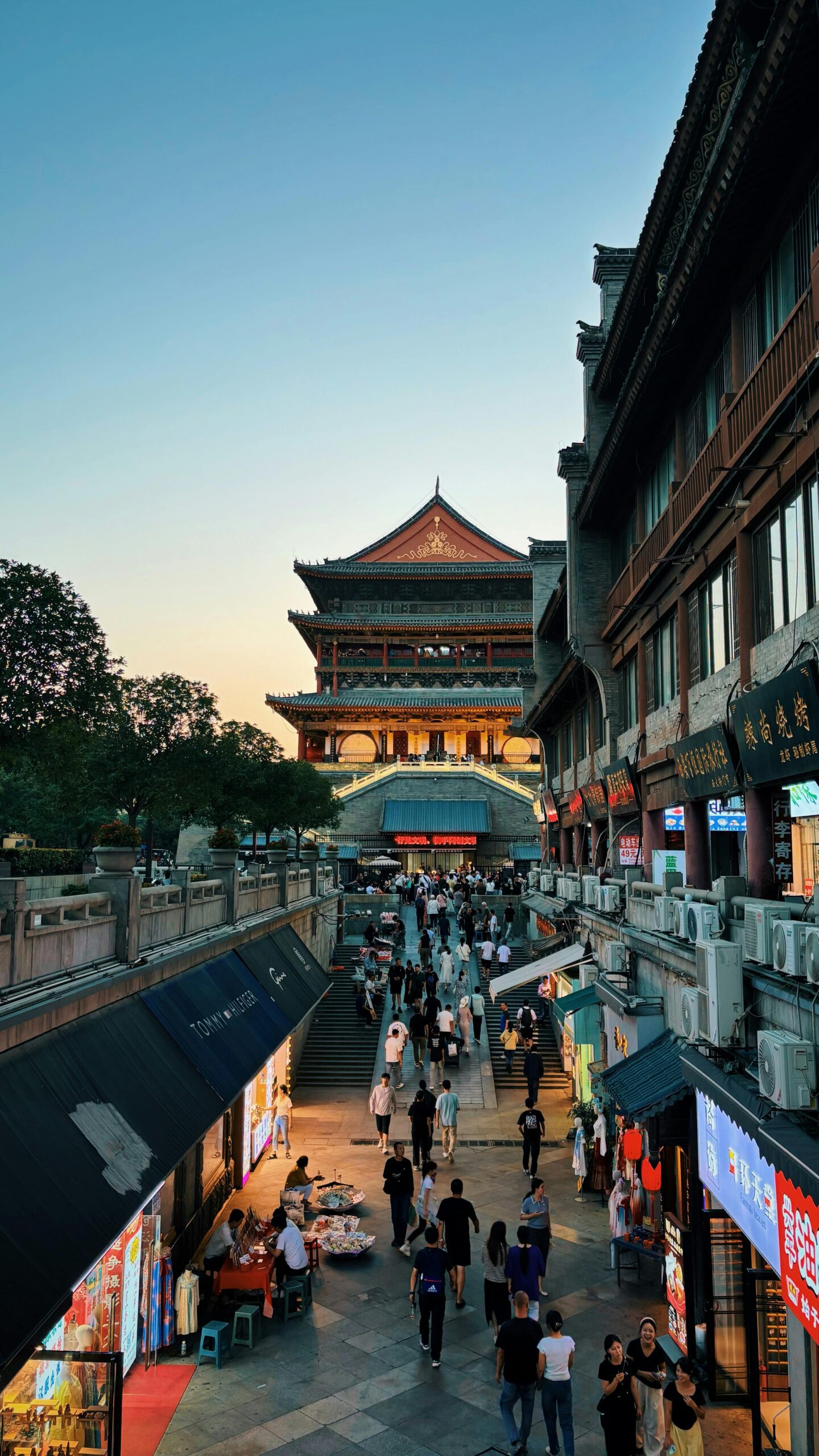
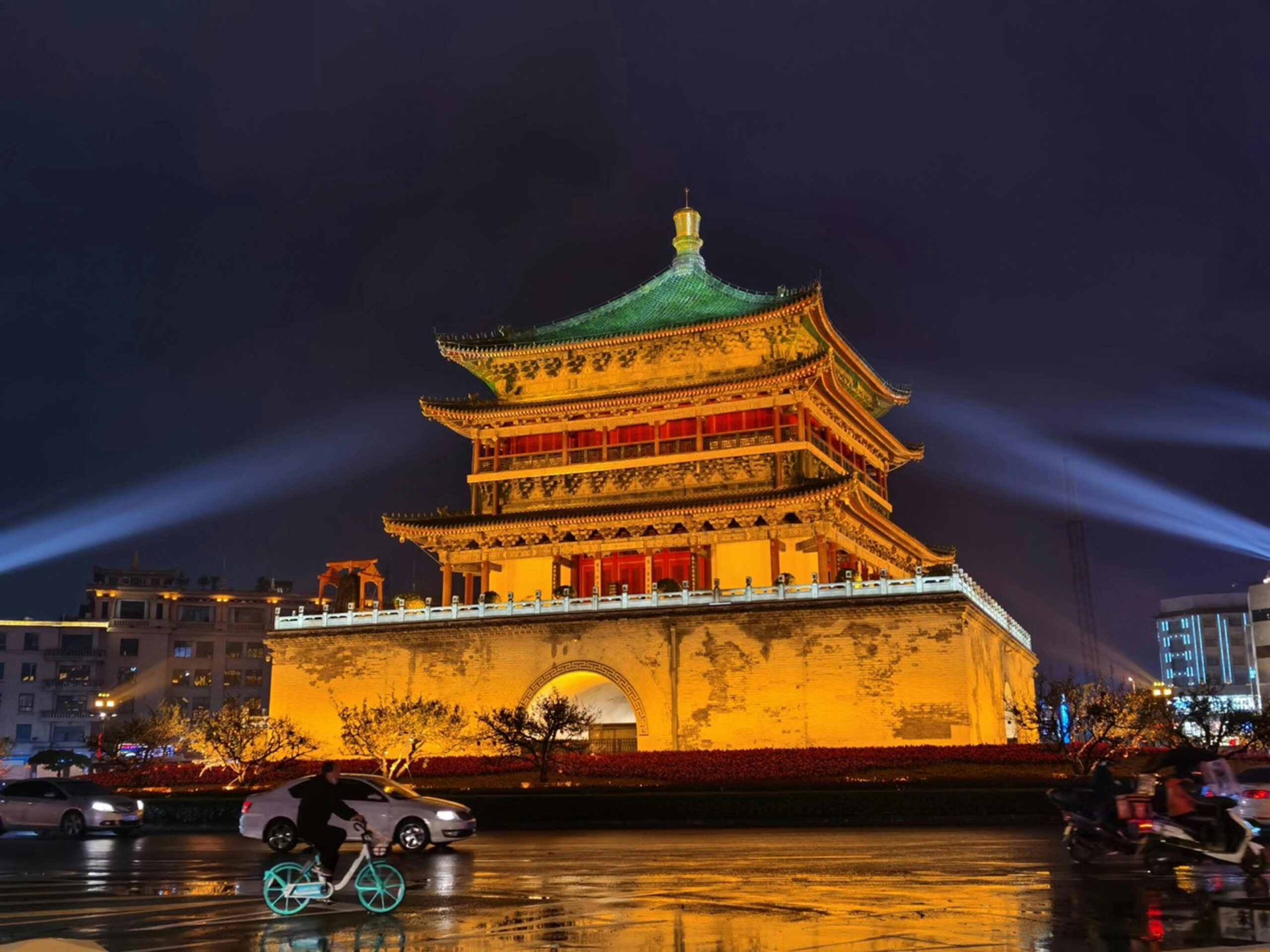
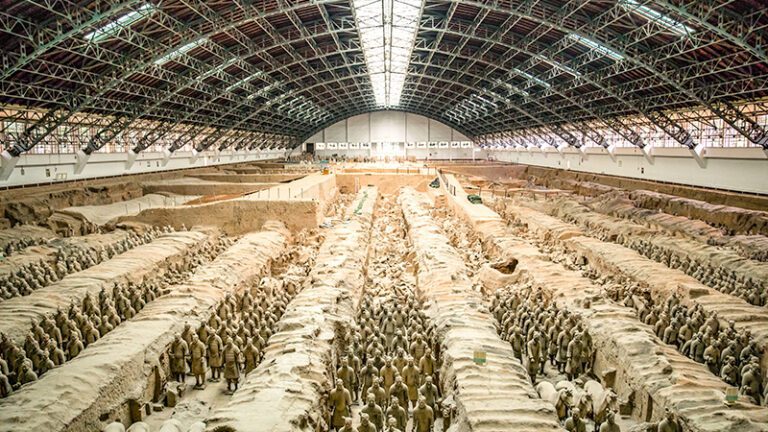
Xi’an is on almost every “best places to visit in China” list, but most visitors only see the Terracotta Army and miss the rest of the city’s unusual charm.

What makes Xi’an unusual (beyond the obvious)

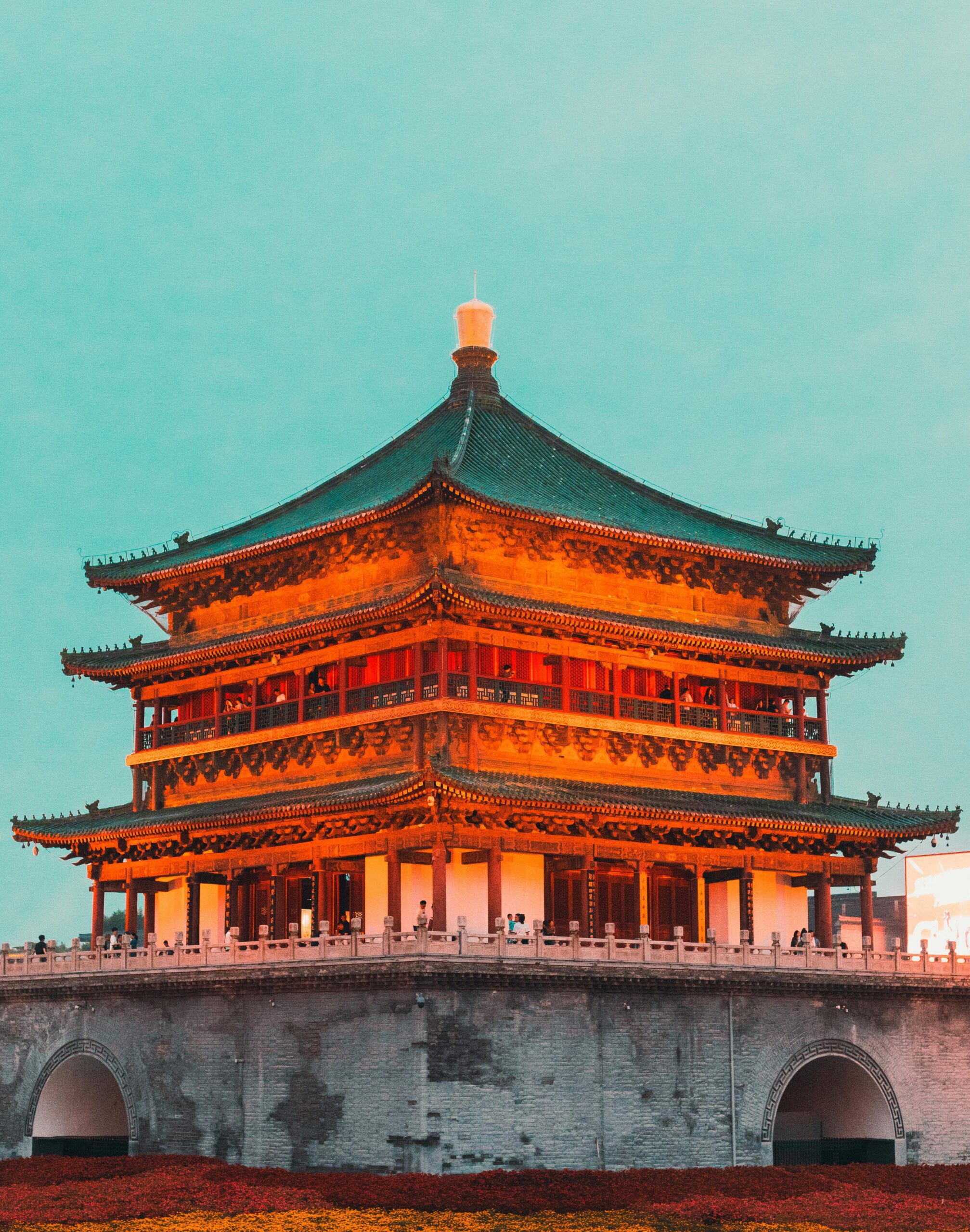
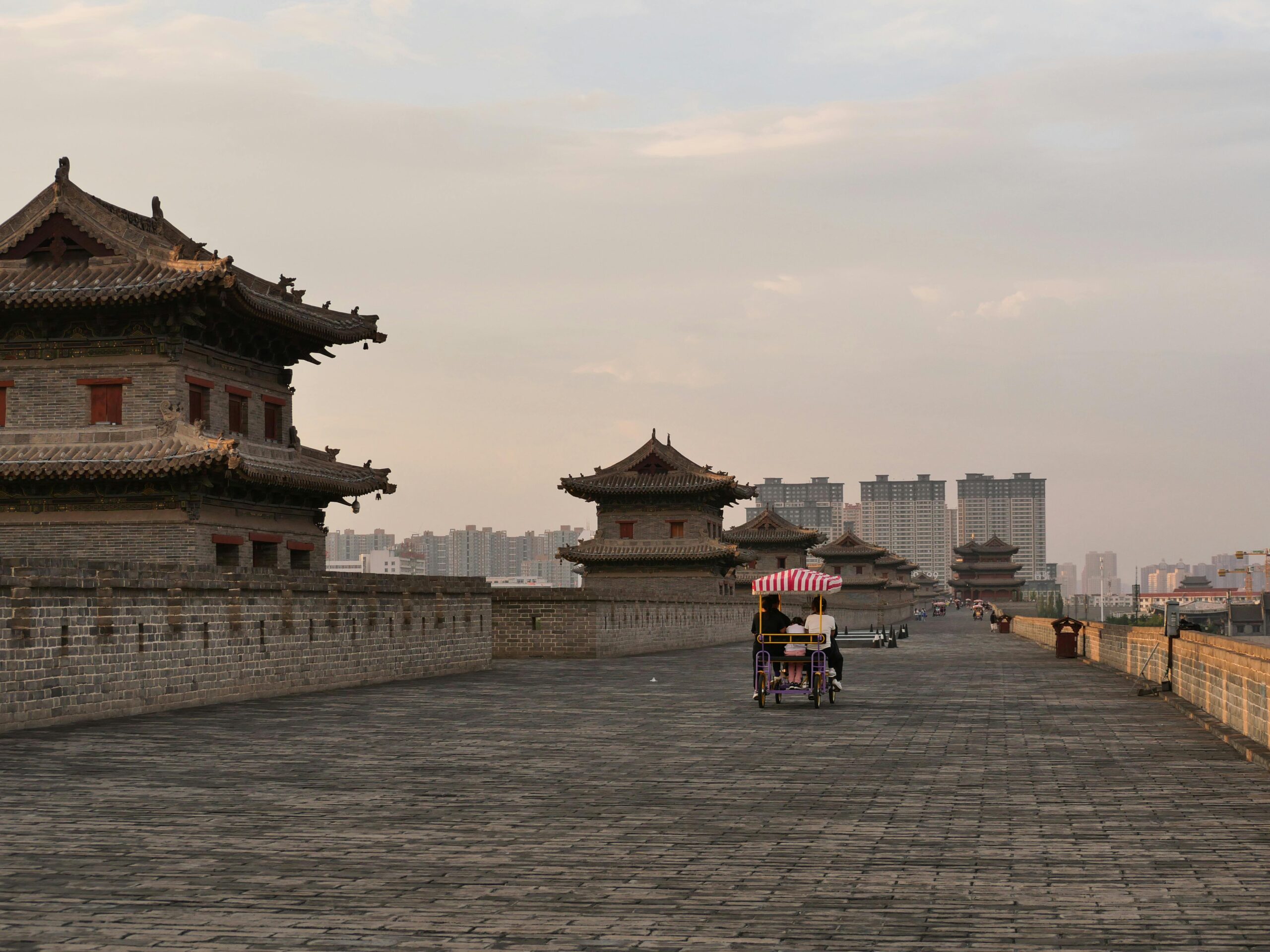
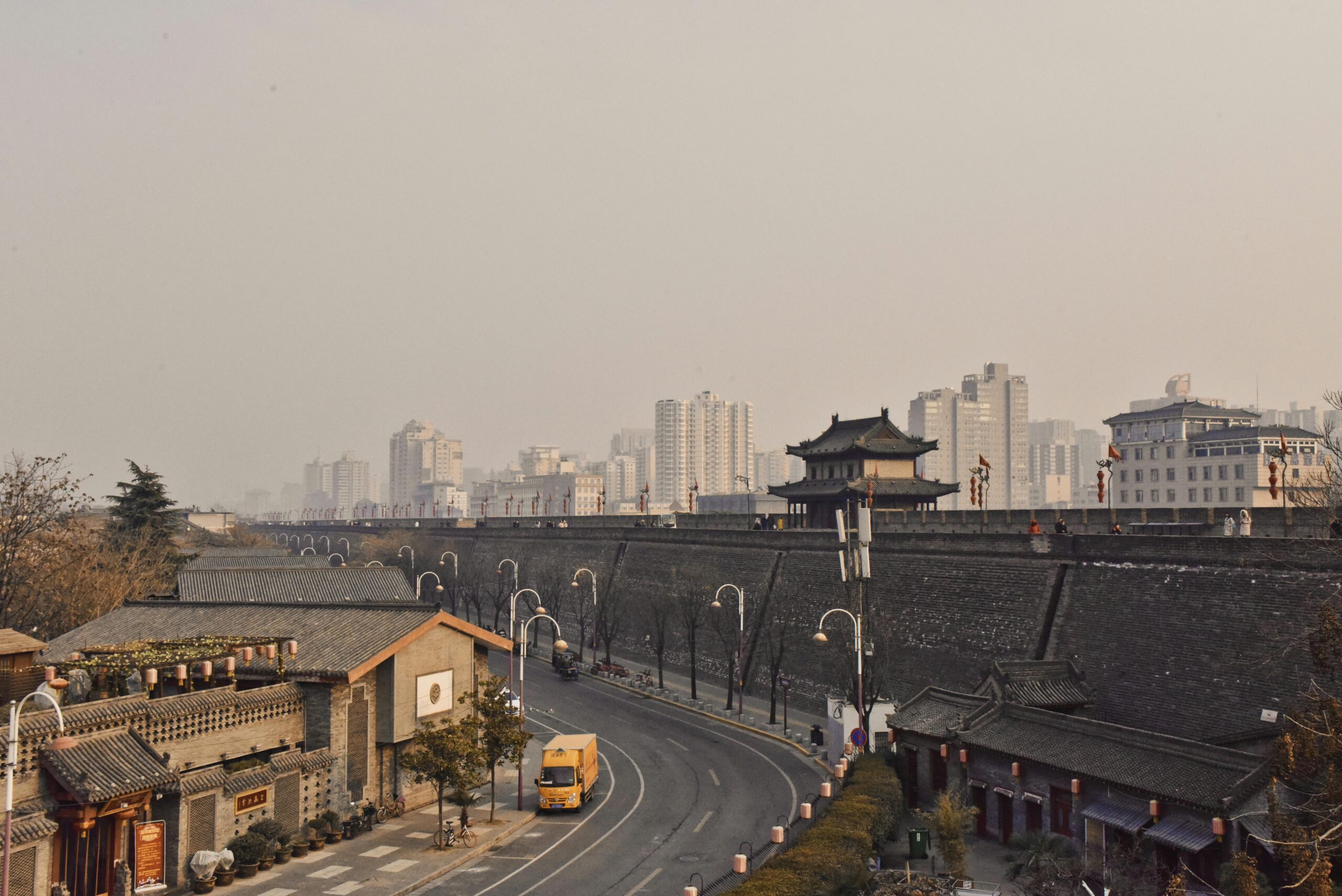
  • One of the few cities in China with a complete city wall, which you can cycle on top of.
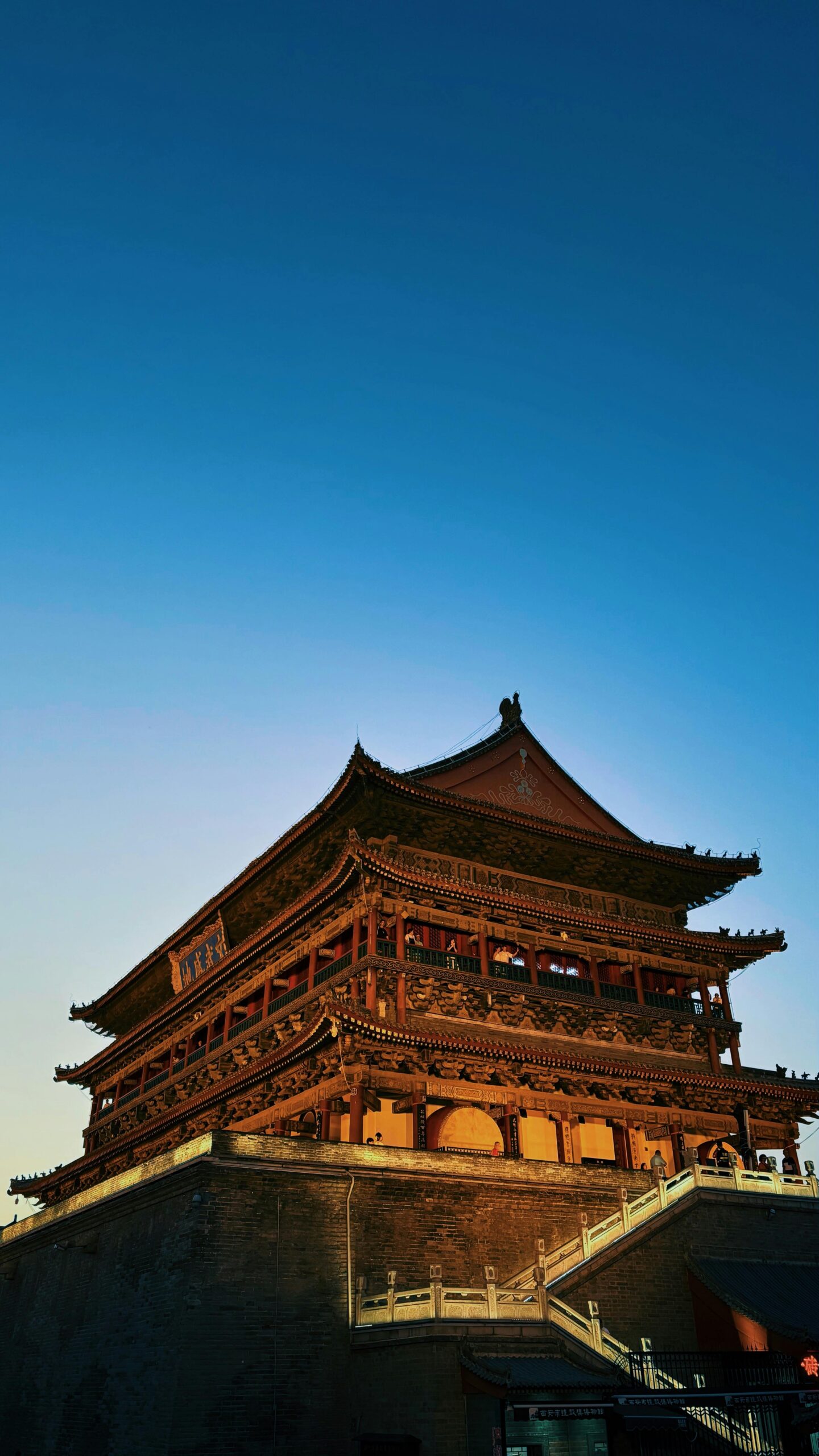
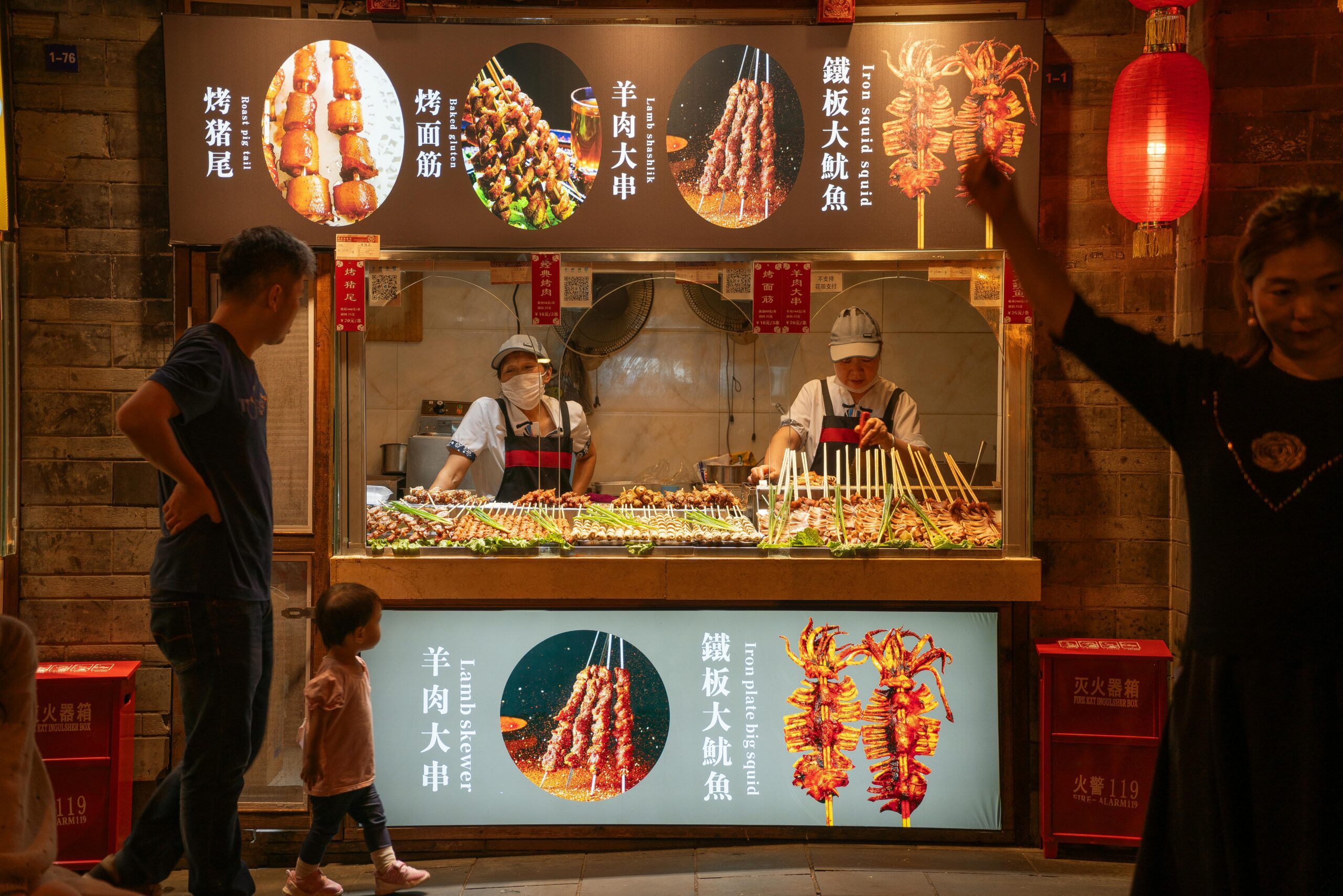
  • The vibrant Muslim Quarter, shaped by centuries of Silk Road trade, with mosques, markets and street food.
  • Historic neighborhoods and temples tucked away from the main tourist routes.

Suggested experiences

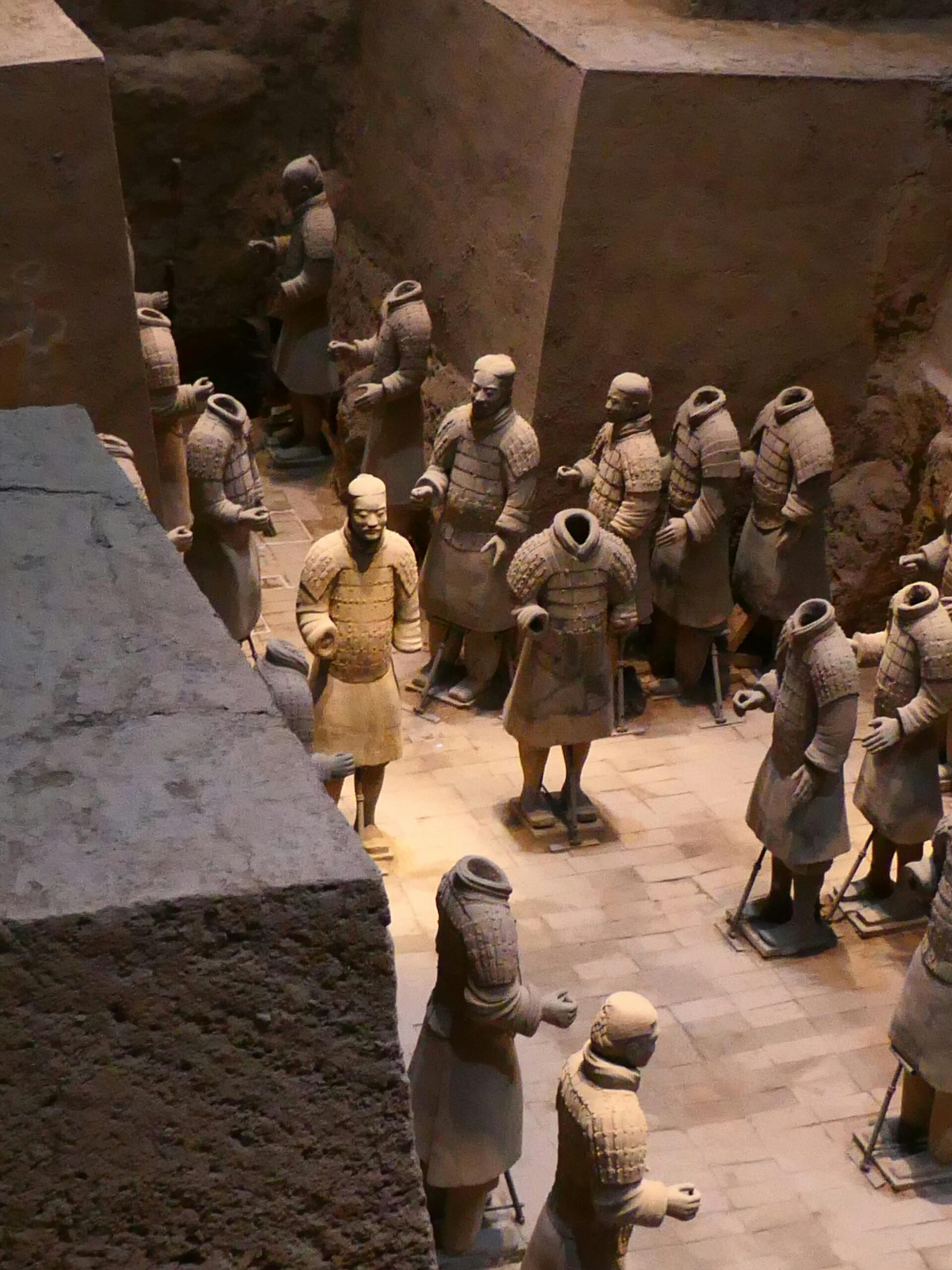
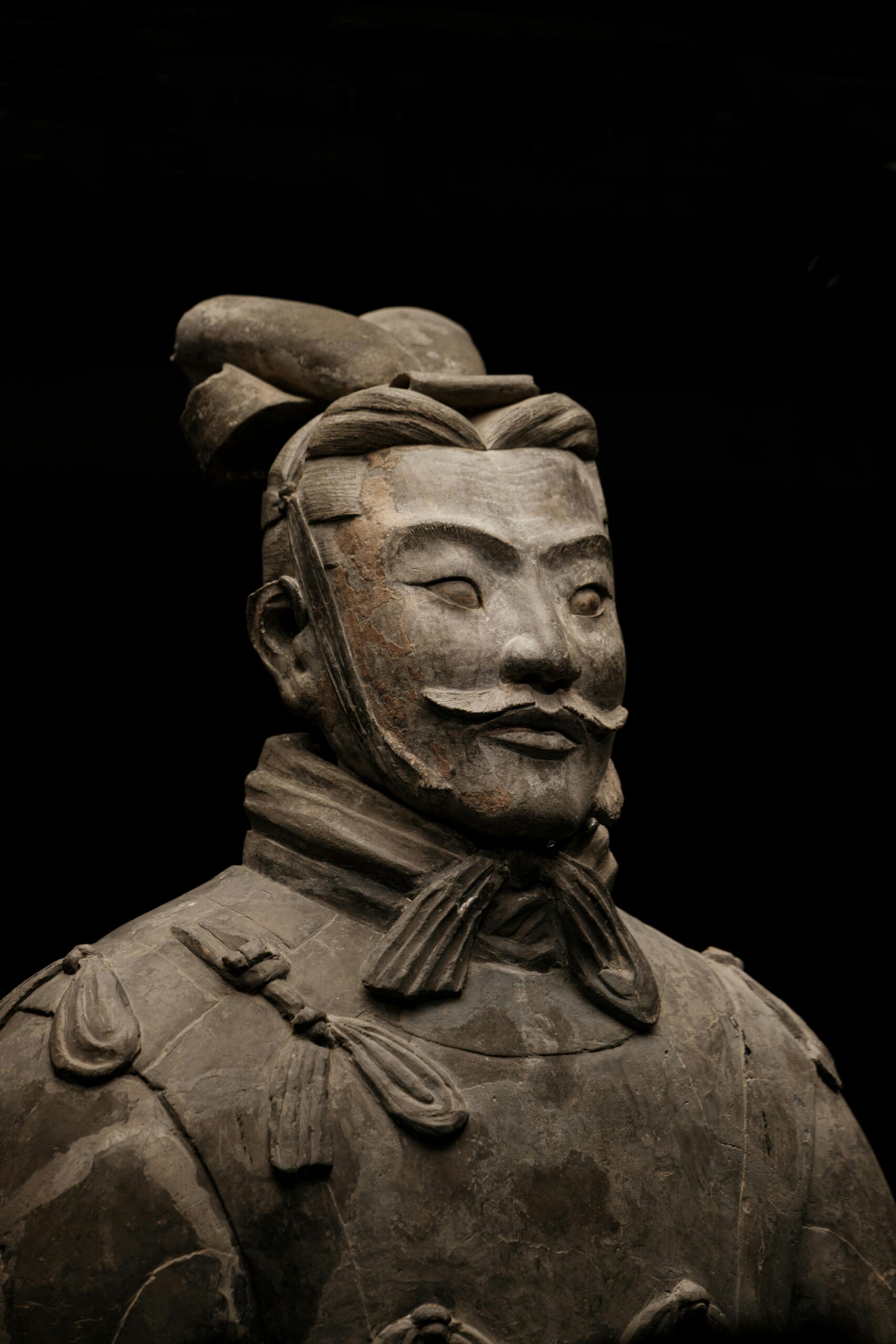
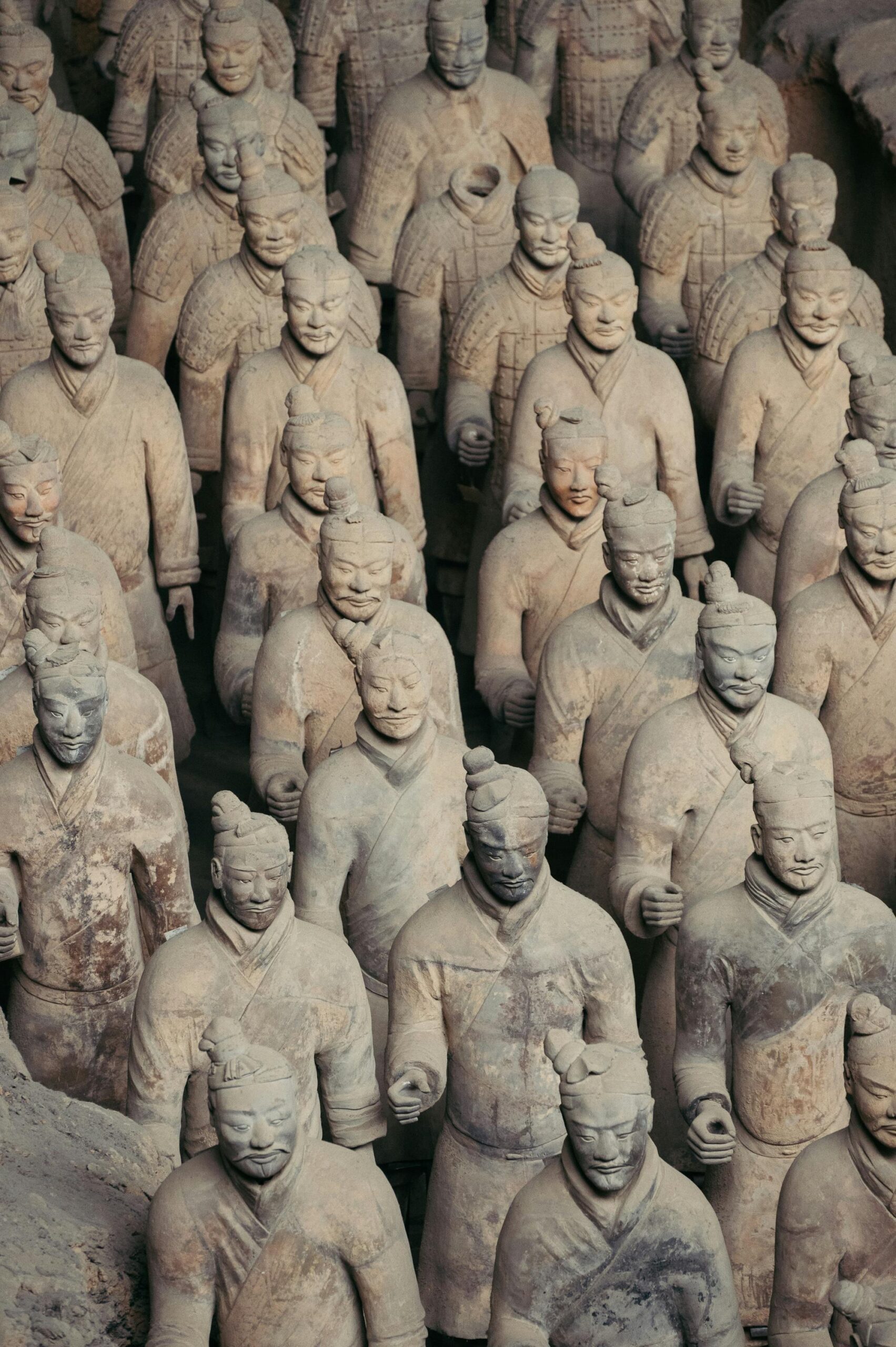
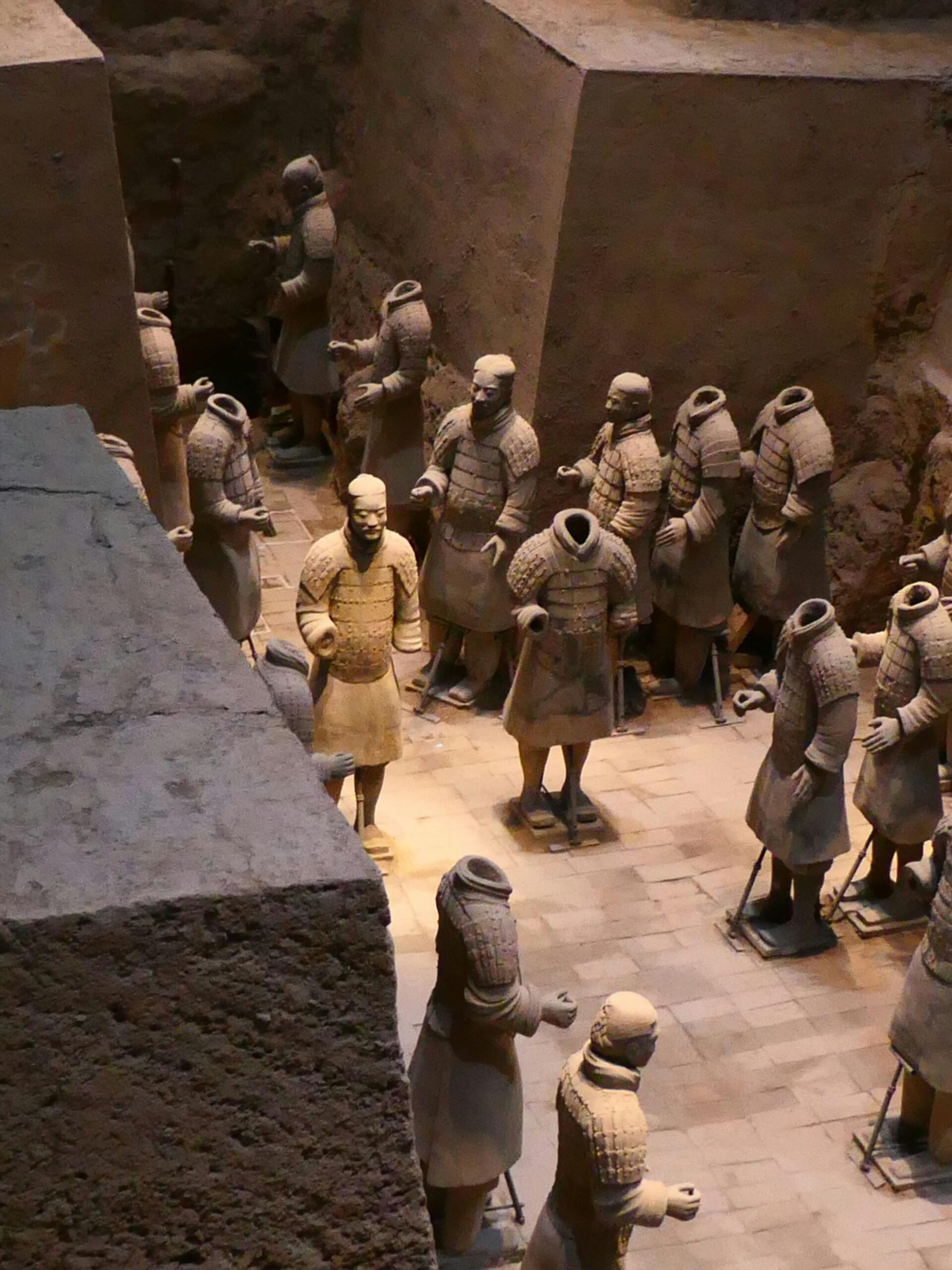
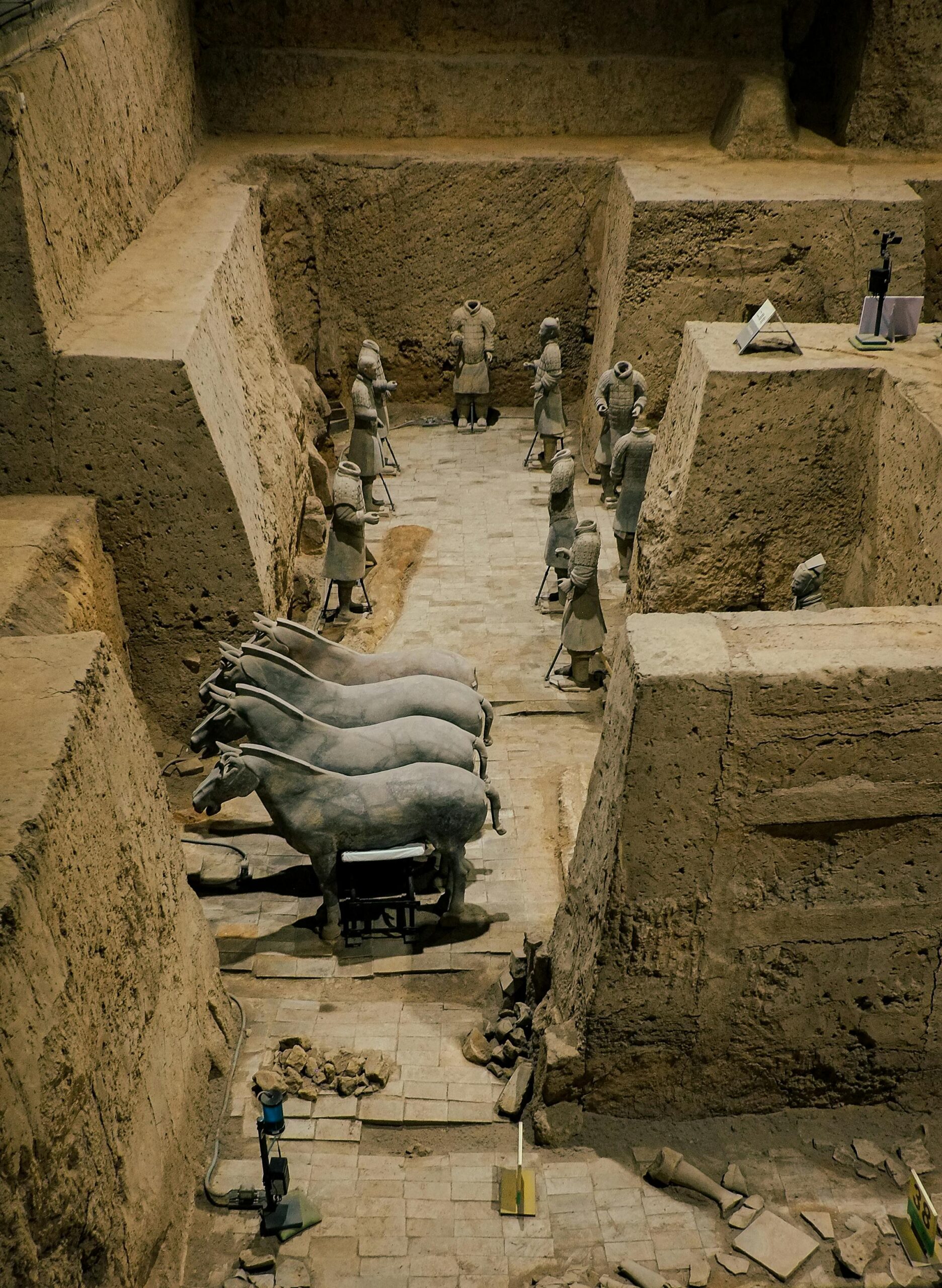
  • Visit the Terracotta Warriors with a knowledgeable guide to understand how they were discovered and restored.
  • Cycle along the city wall for sweeping views of both old and new Xi’an.
  • Join a Muslim Quarter food tour to sample local specialties you might never find alone.

How to visit on a guided tour

Xi’an works very well as a 2–3 day stop in:

  • A first‑time China itinerary (Beijing–Xi’an–Shanghai) with a twist, focusing on local neighborhoods and markets.
  • A longer Silk Road journey heading west into Gansu and Xinjiang.

Guided tours let you go beyond the postcard sites and turn Xi’an into a real cultural experience, not just a checkbox.

Pingyao and Other Walled Towns


Unusual Places In China You Can Actually Visit On A Guided Tour


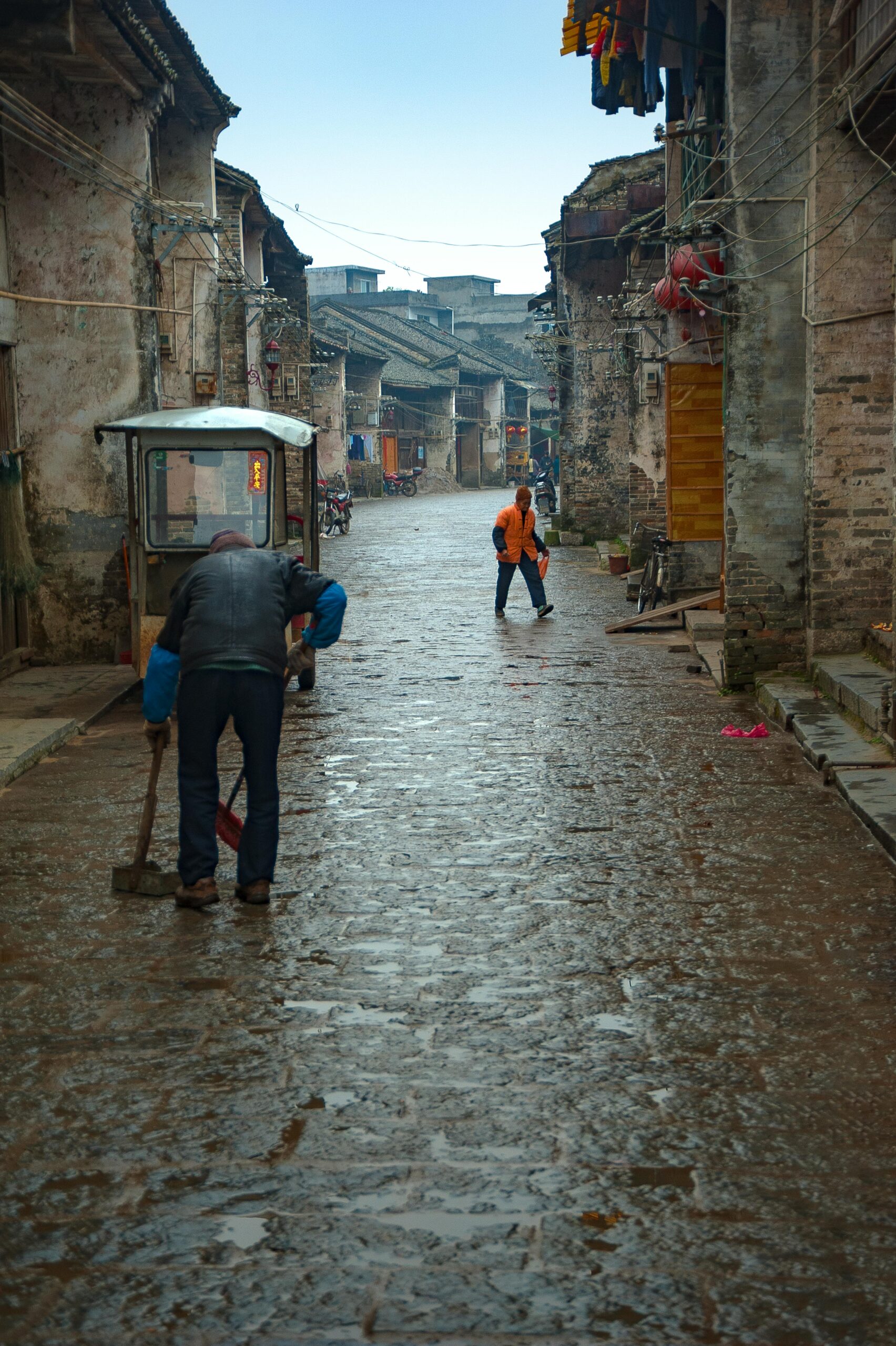
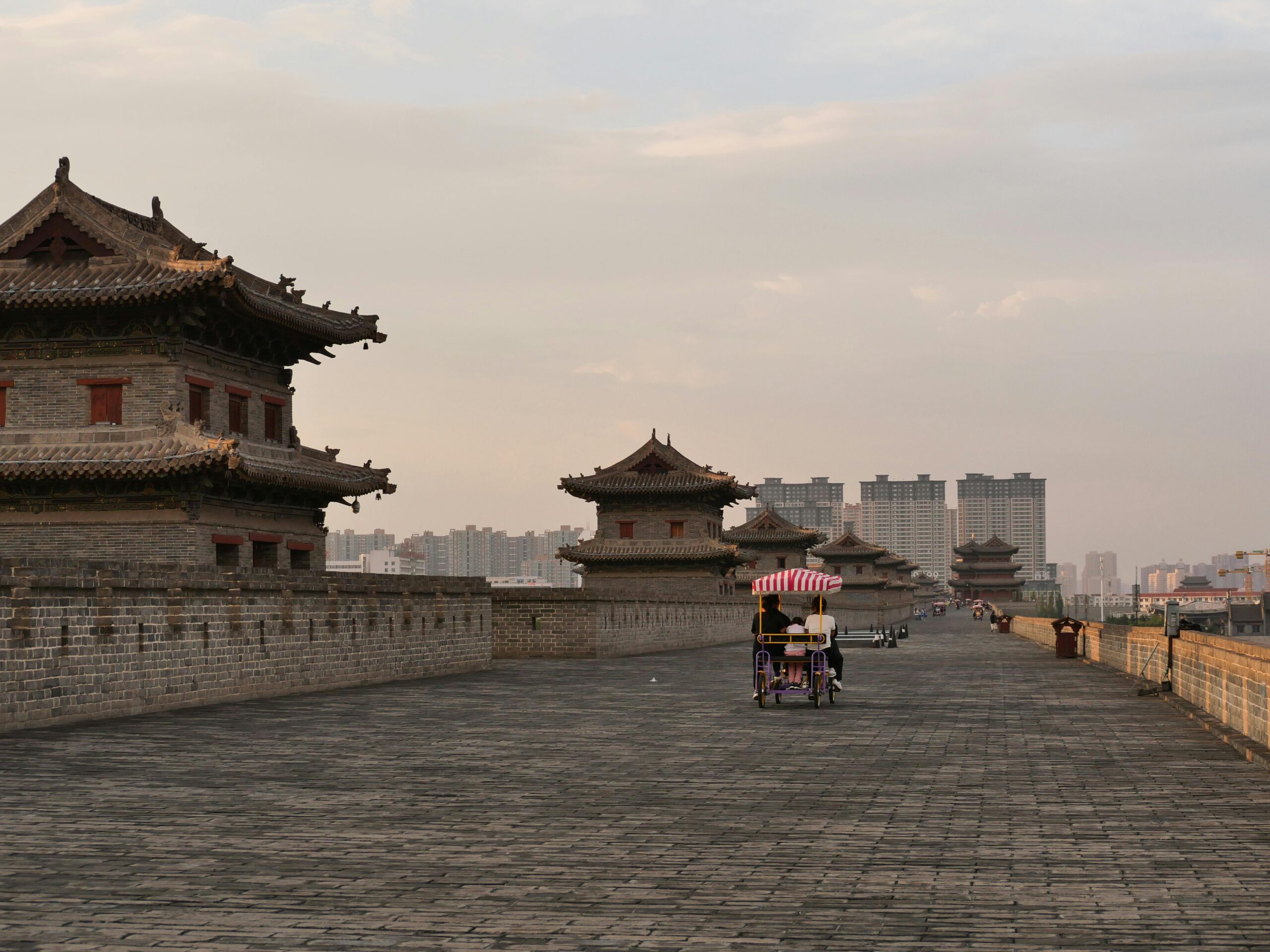
When travelers ask for “ancient China” that still feels authentic, walled towns like Pingyao are frequently recommended in lesser‑known destination lists. They’re atmospheric, walkable, and full of tangible history.

Why Pingyao is a hidden gem

  • A remarkably well‑preserved ancient city wall with towers and gates.
  • Narrow streets lined with courtyard houses, temples and ancestral halls.
  • Fewer foreign visitors than more famous cities, which helps keep the pace slow and the ambiance local.

Suggested experiences

  • Early‑morning walks when shopkeepers are just opening and locals are out for their routines.
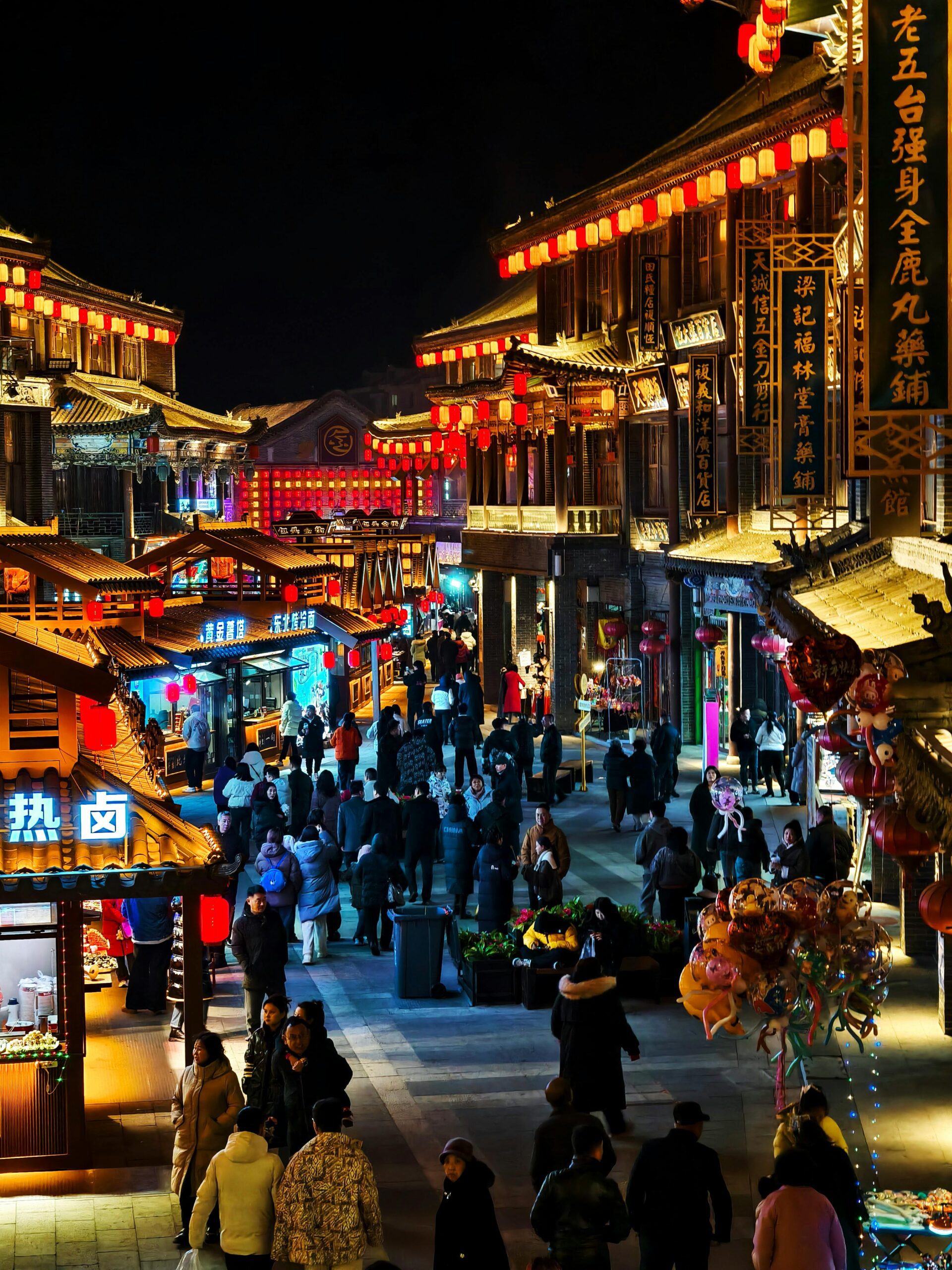
  • Evening strolls under red lanterns, when the town is lit up but relatively quiet.
  • Visiting historical merchant houses and small museums at a relaxed pace.

How to visit on a guided tour

Pingyao is ideal as a stop between Beijing and Xi’an using China’s high‑speed rail network. With a guide:

  • You don’t have to navigate train transfers and local taxis in a foreign language.
  • You can focus on absorbing the town’s details instead of worrying about checking in, finding tickets or getting lost.

Hanging Temples and Cliffside Monasteries


Unusual Places In China You Can Actually Visit On A Guided Tour


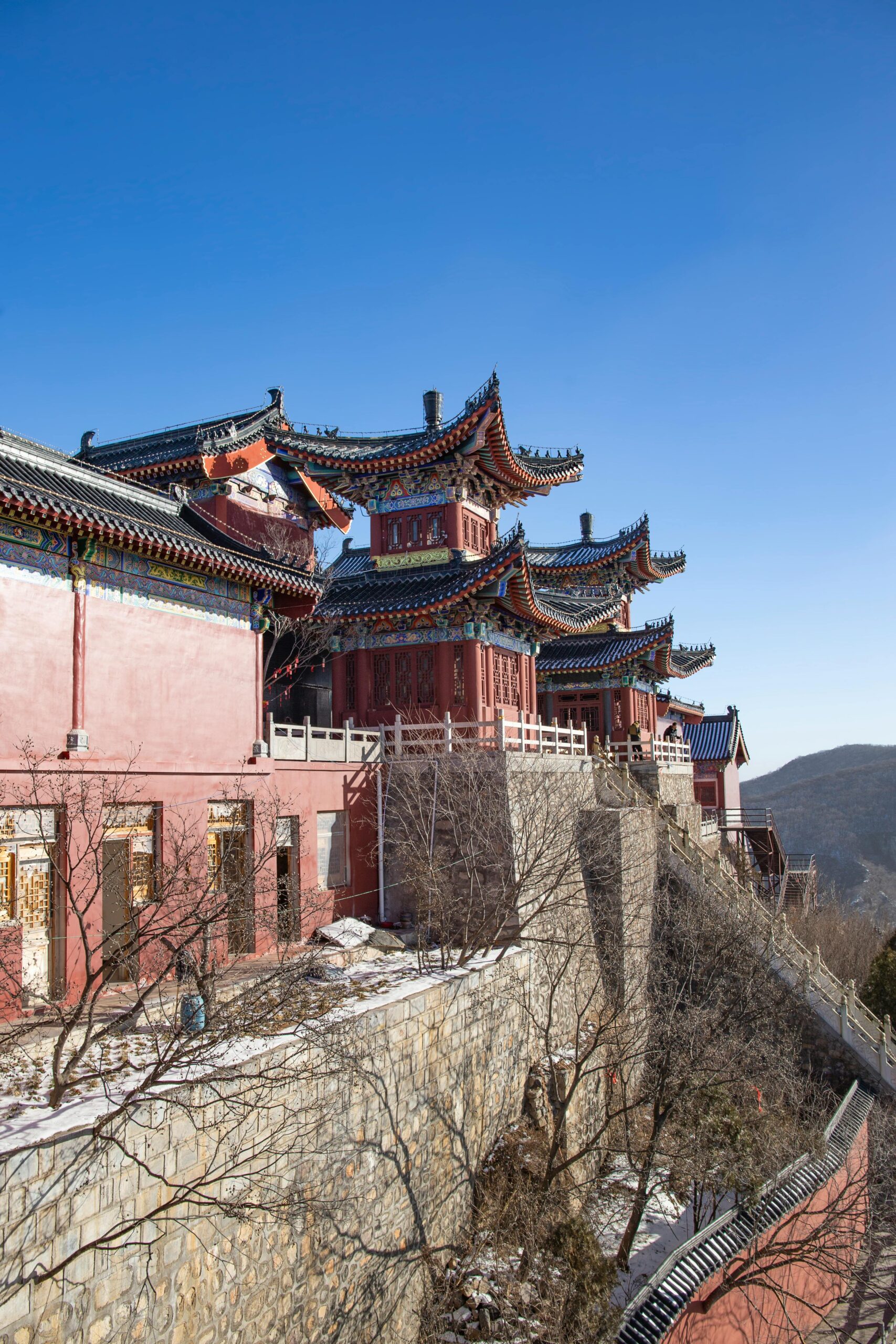
Atlas Obscura and similar sites mention China’s hanging temples among the most unusual places to visit in the country. While some are remote, a handful are realistic to include in a custom tour.

What makes these temples so striking

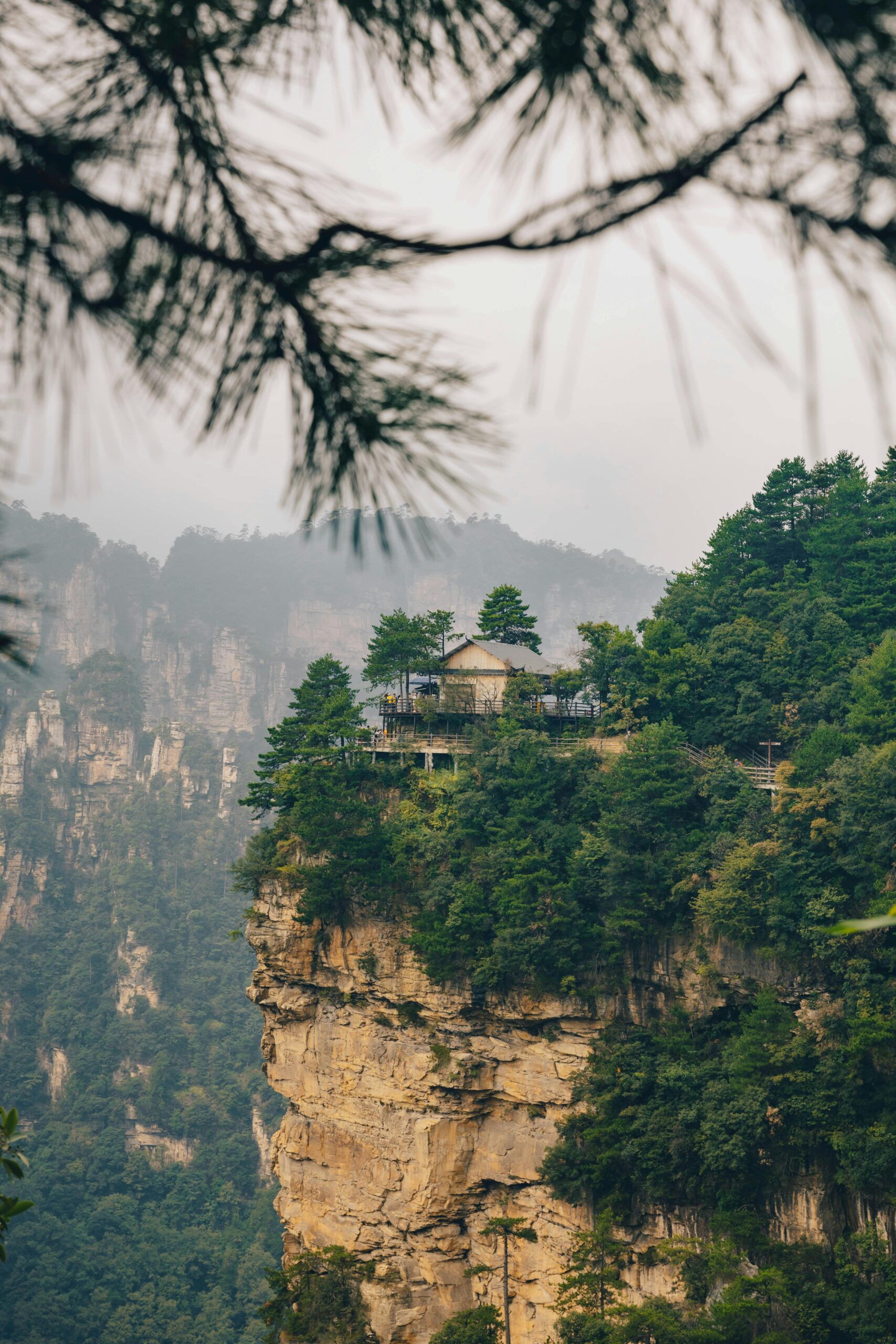
  • Wooden structures anchored directly into cliff faces.
  • Steep stairways and platforms overlooking valleys.
  • A blend of Buddhist, Taoist and Confucian elements in a single complex.

Suggested experiences

  • Half‑day to full‑day visits, giving you time to appreciate both the architecture and the surrounding landscape.
  • Short walks or hikes in nearby hills once you’ve toured the temple.

How to visit on a guided tour

Due to safety and logistics, these are best visited with:
  • A private driver familiar with local road conditions.
  • A guide who can explain the religious and historical context.
  • Proper timing to avoid peak crowds, especially if access involves narrow walkways.

Unusual Places in China for Culture and Food Lovers


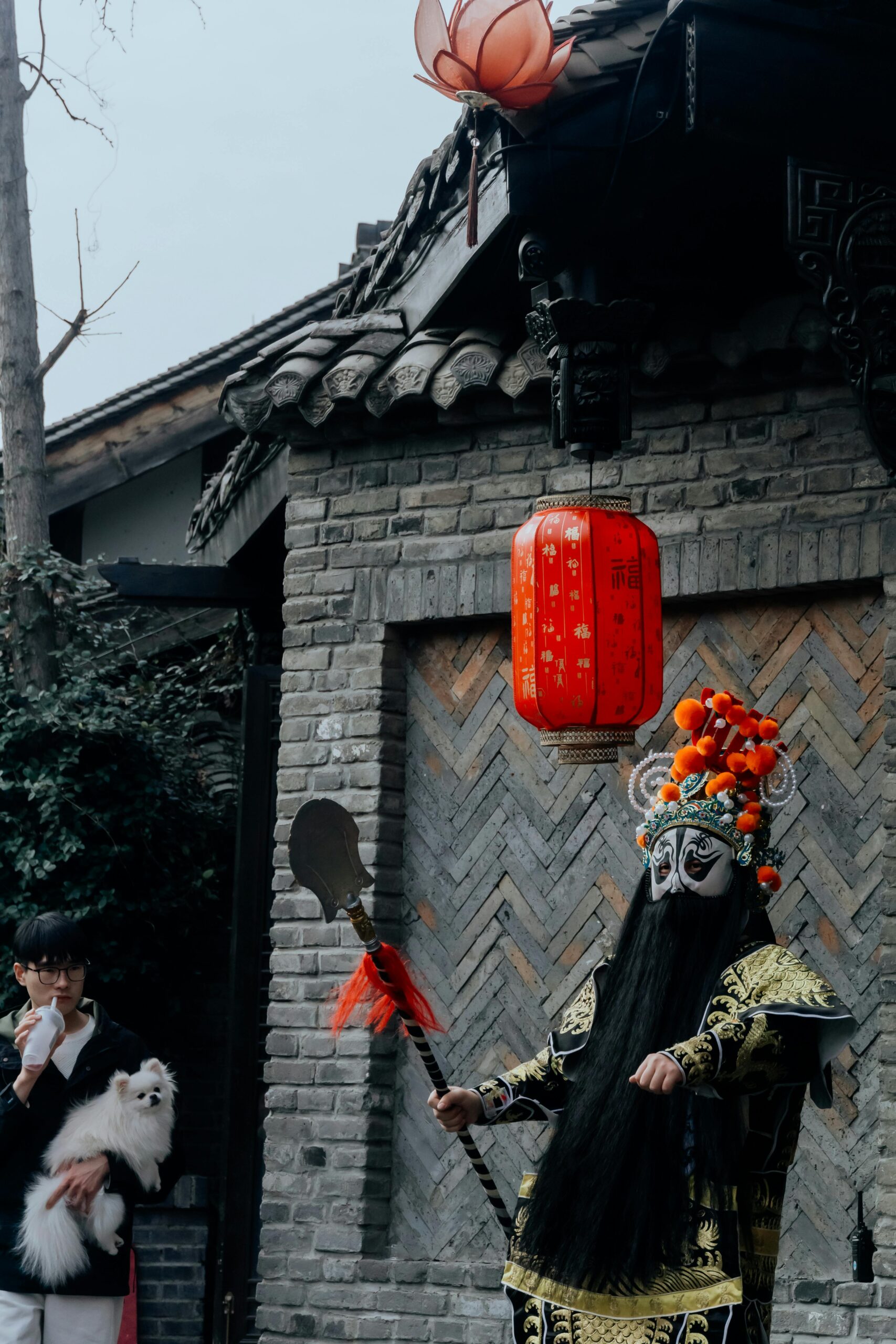
Chengdu: Pandas, Teahouses and Spicy Street Food

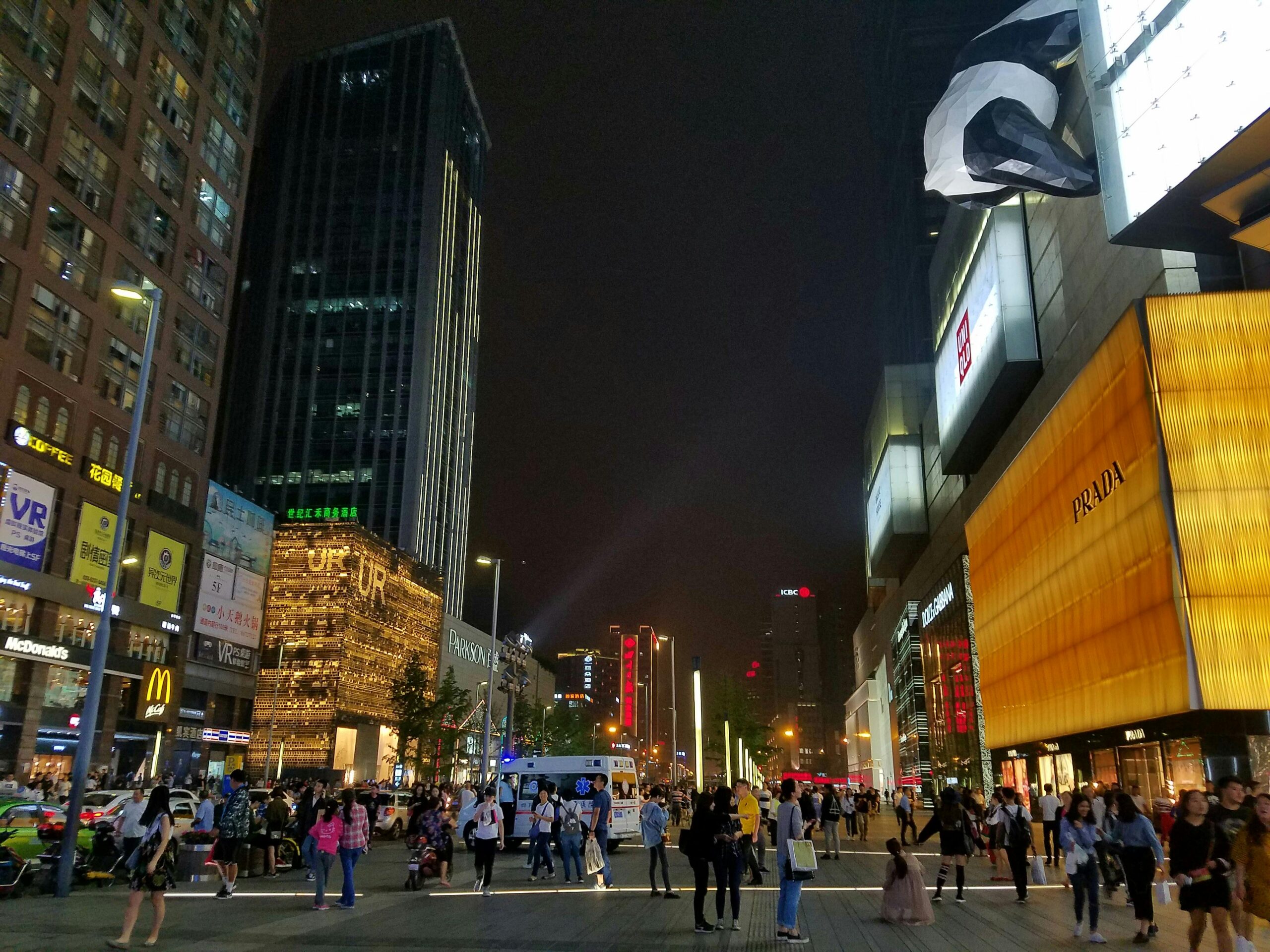
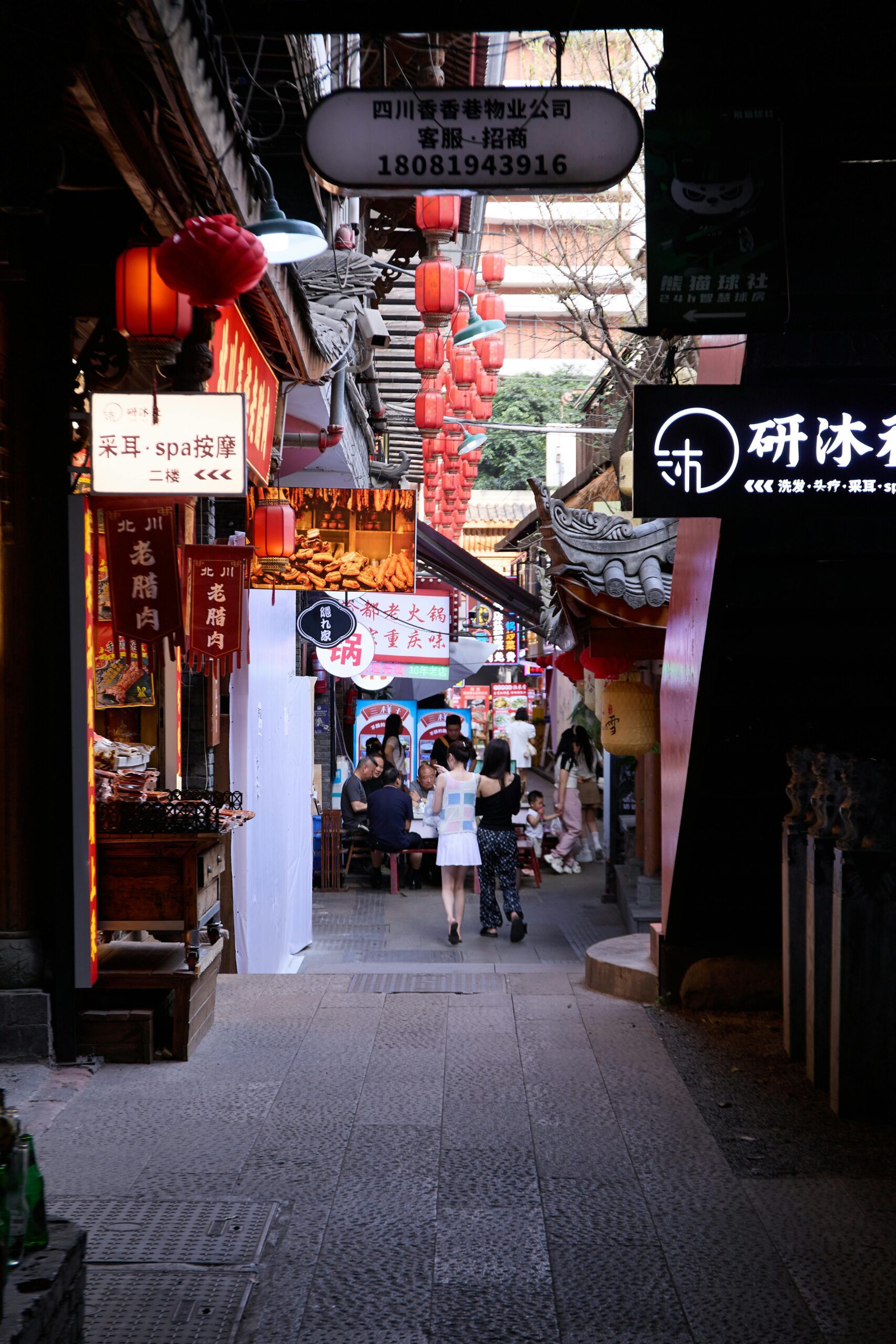
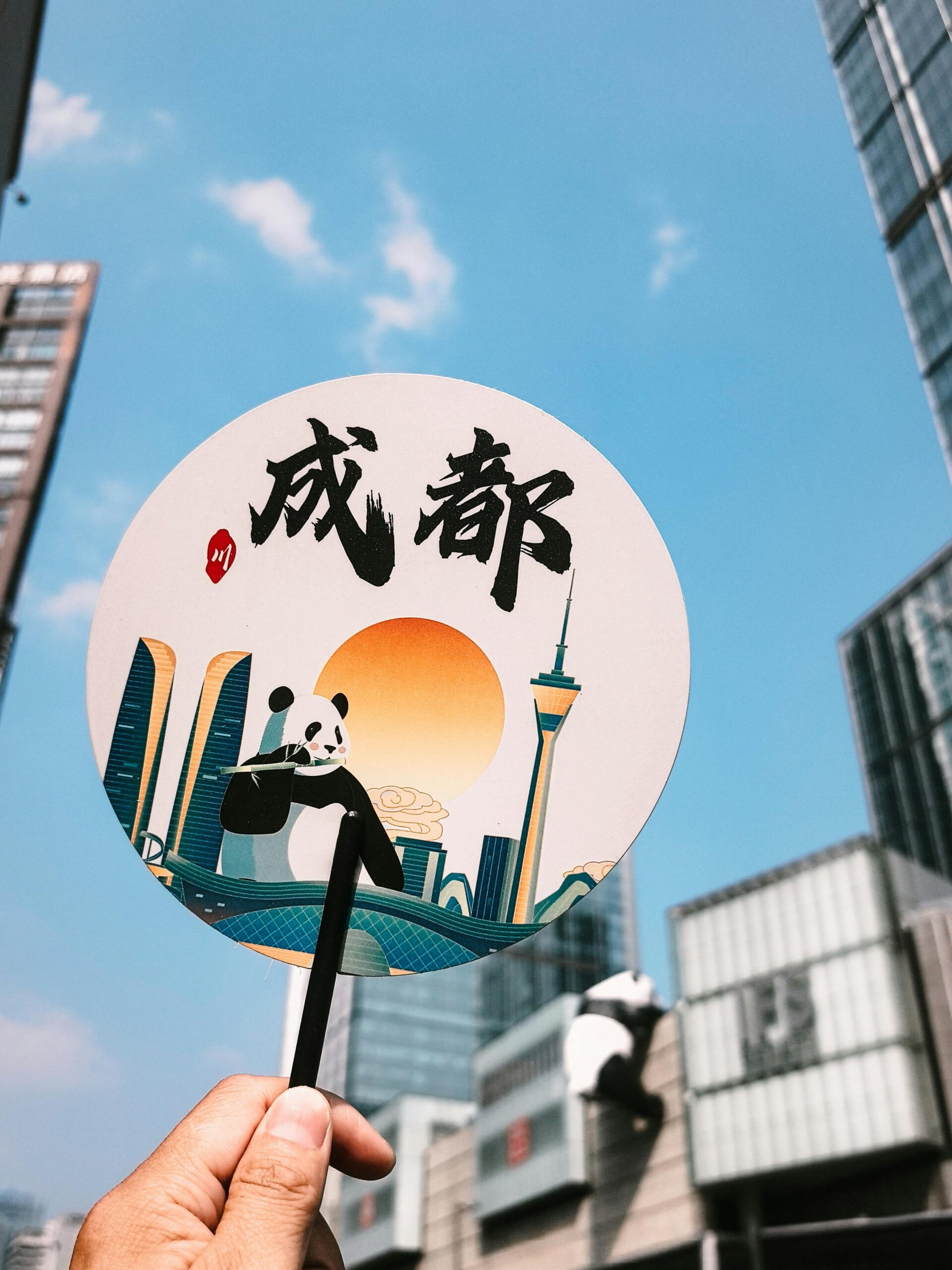
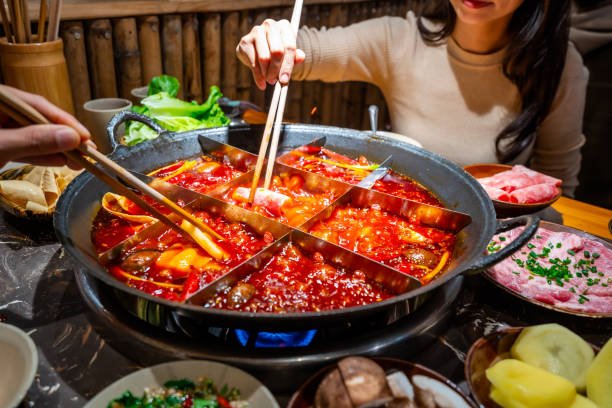
Chengdu is widely known for its panda bases, but it’s also one of the best cities to experience everyday life in western China.

Why Chengdu is unique

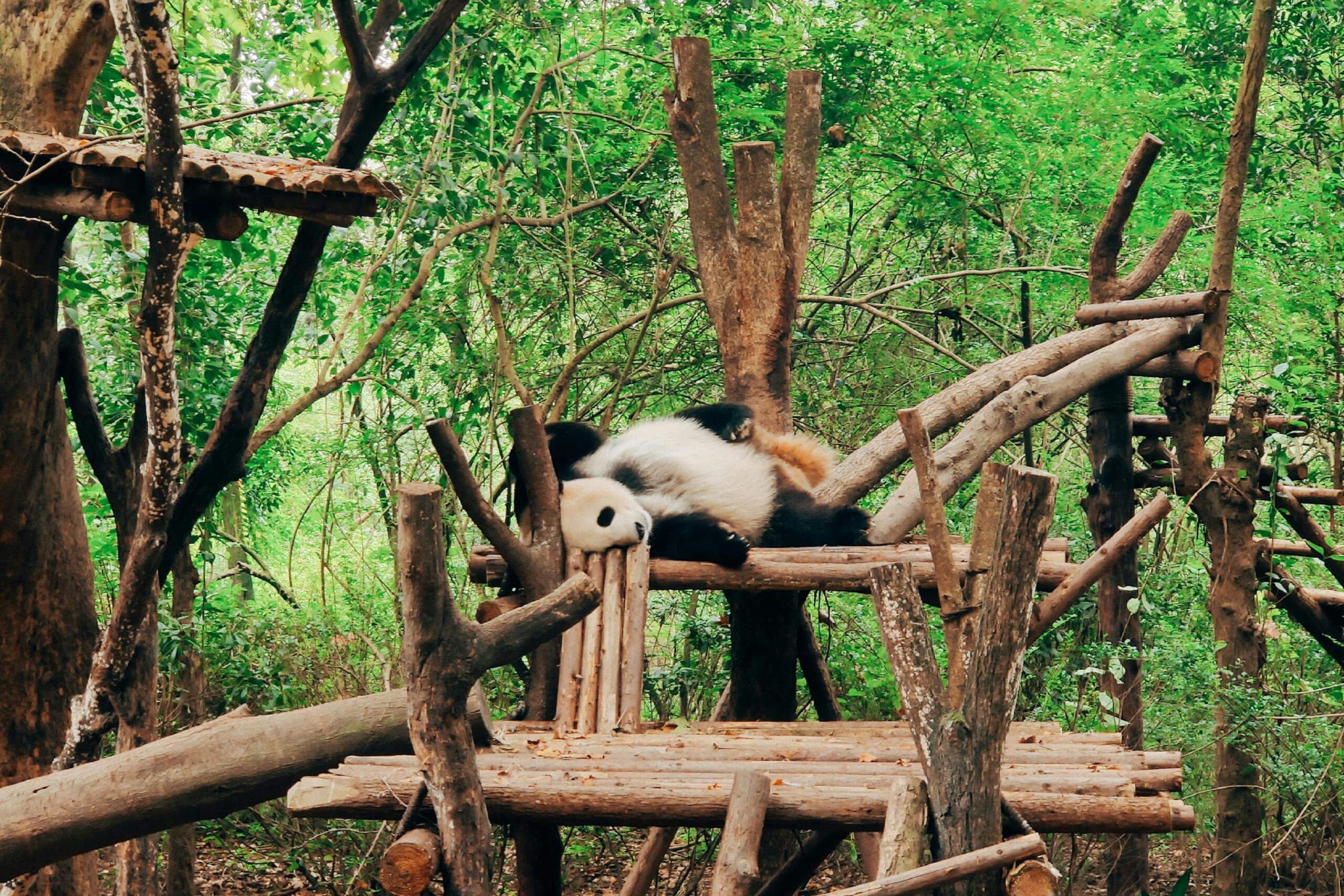
  • Access to giant panda research and breeding centers, where you can watch pandas play, eat and nap at close range.
  • A deep teahouse culture: locals spend hours sipping tea, playing mahjong and catching up with friends.
  • World‑famous Sichuan cuisine, loved for its bold spice and numbing peppercorns.

Suggested experiences

  • Morning visit to a panda base, timed to see feeding and playtime.
  • An afternoon at a traditional teahouse, simply watching the city’s social life unfold.
  • A guided Sichuan food tour or cooking class to explore hotpot, street snacks and home‑style dishes.

How to visit on a guided tour

Chengdu is a natural hub for:

  • Nature‑focused itineraries that extend to Jiuzhaigou, Huanglong or Emei Shan.
  • Cultural routes that include the Leshan Giant Buddha and nearby temples.

A local guide can tailor your food experiences to your spice tolerance and steer you to teahouses and eateries you’d likely never find on your own.

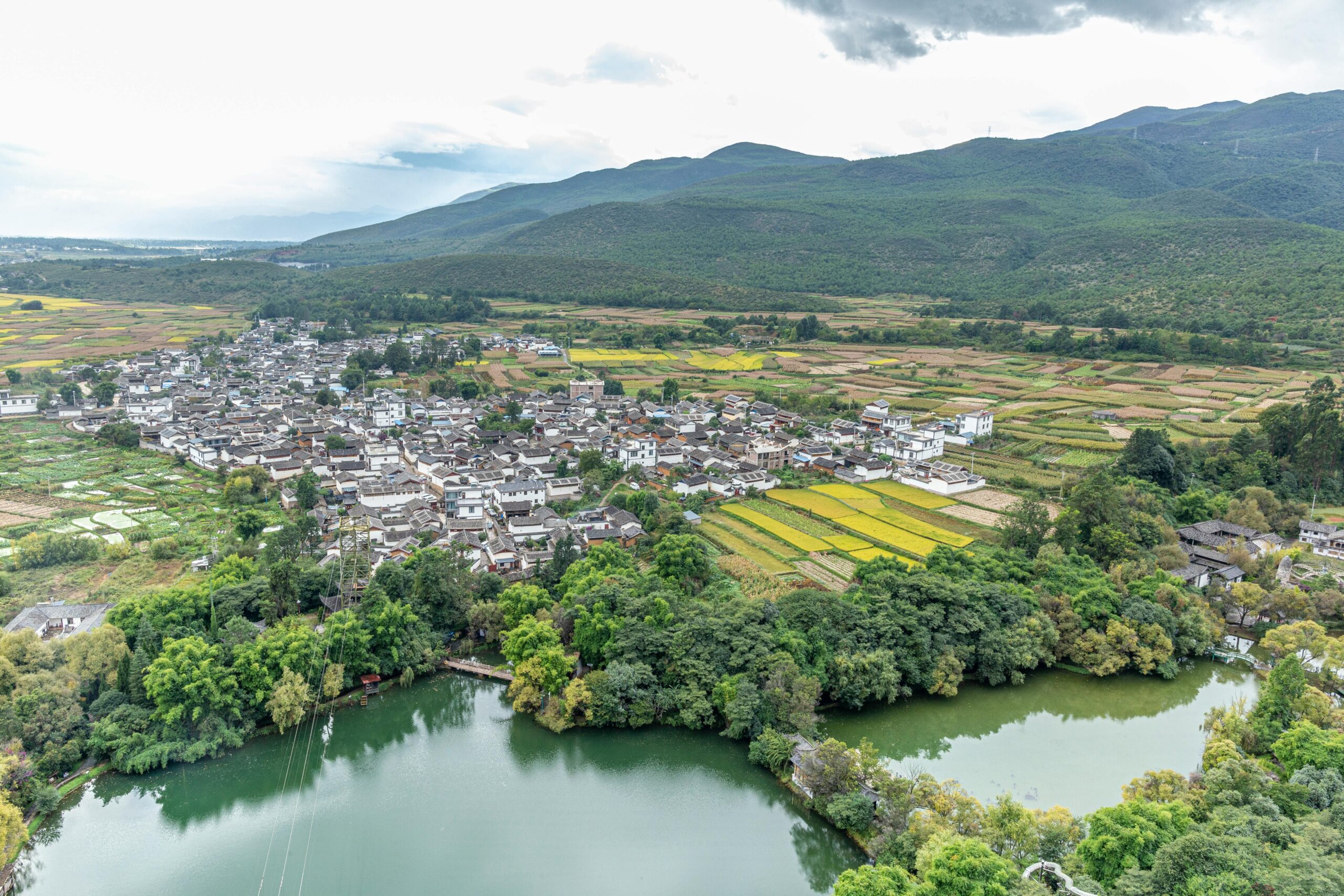
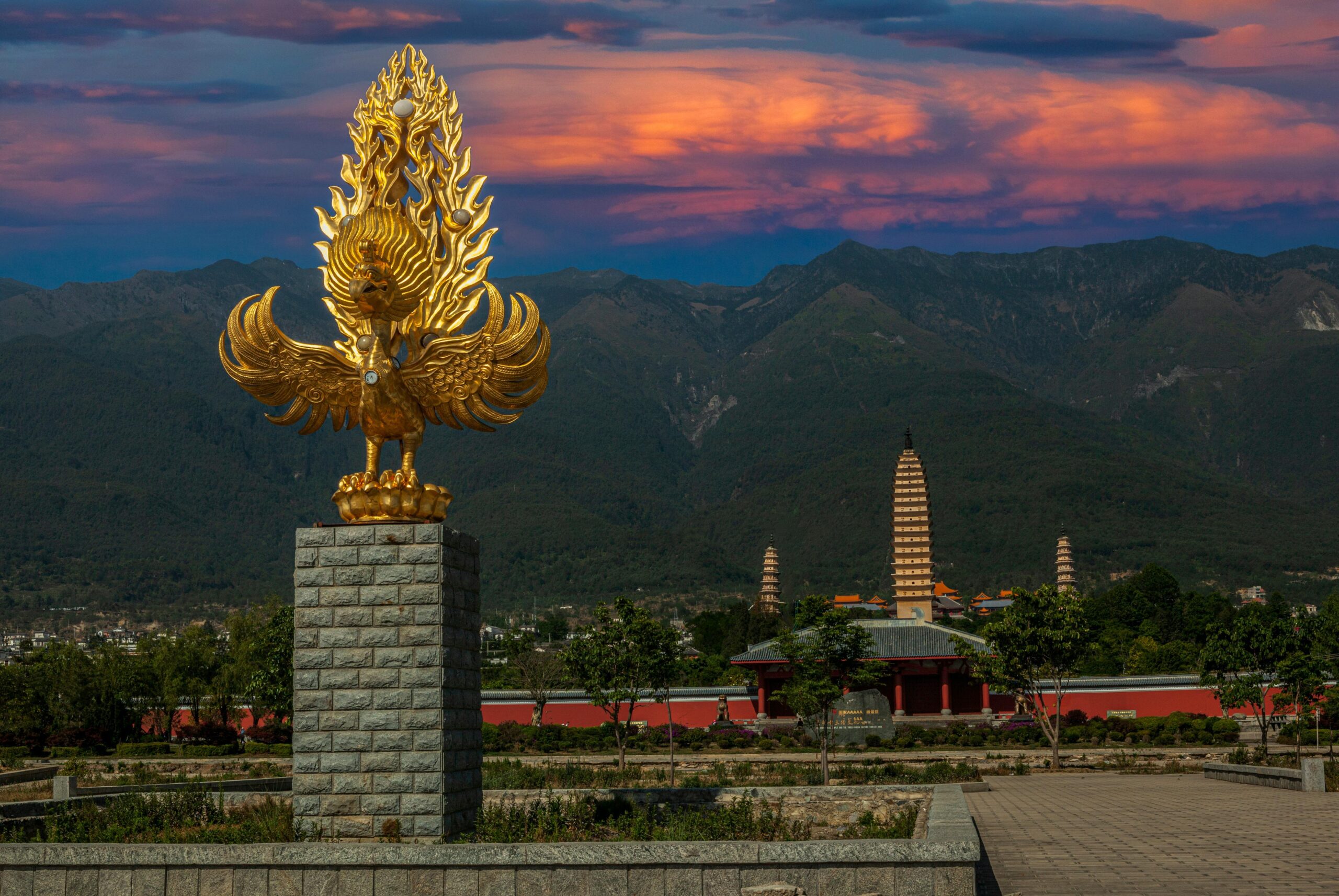
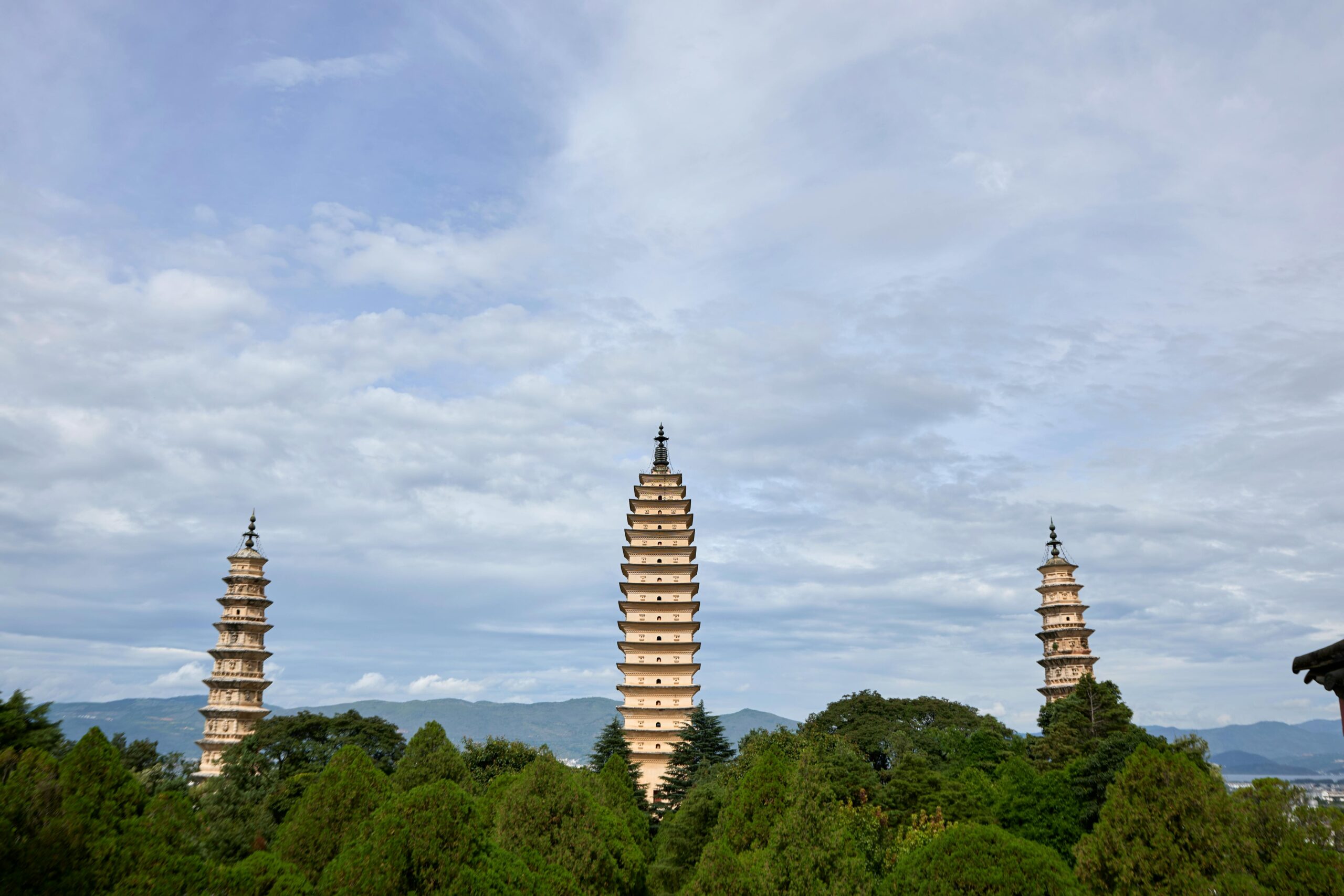
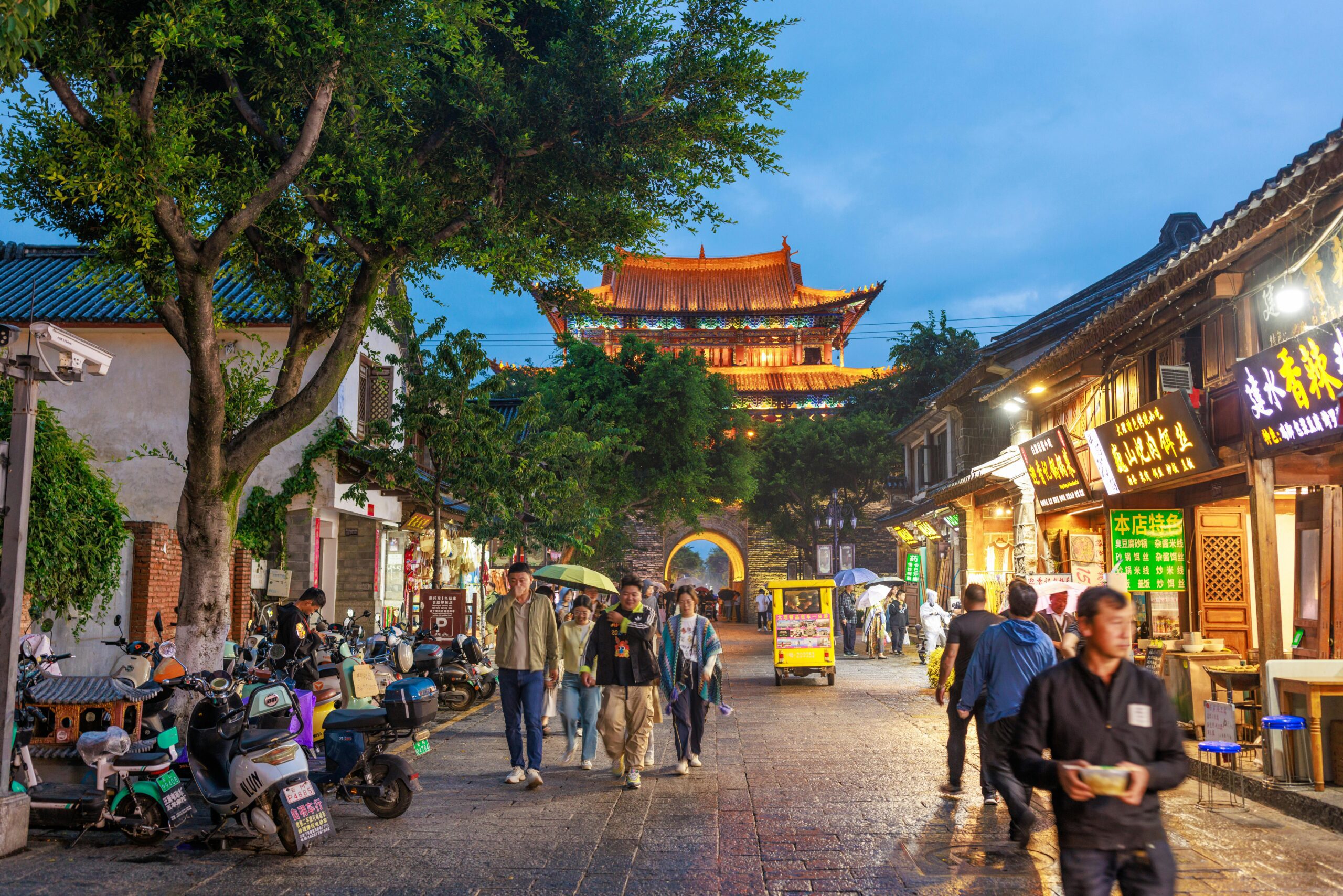
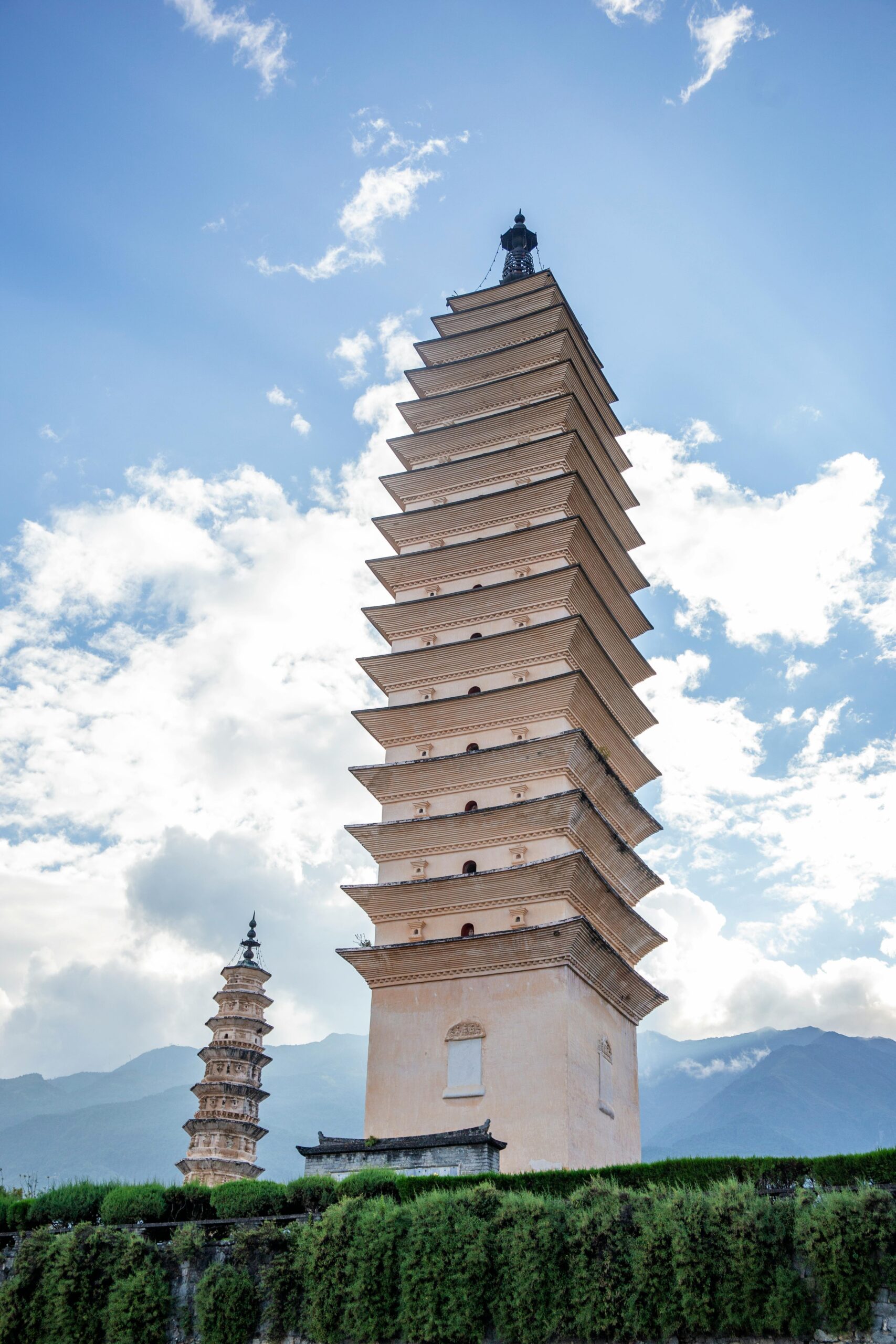
Yunnan’s Minority Villages: Lijiang, Dali and Shangri‑La


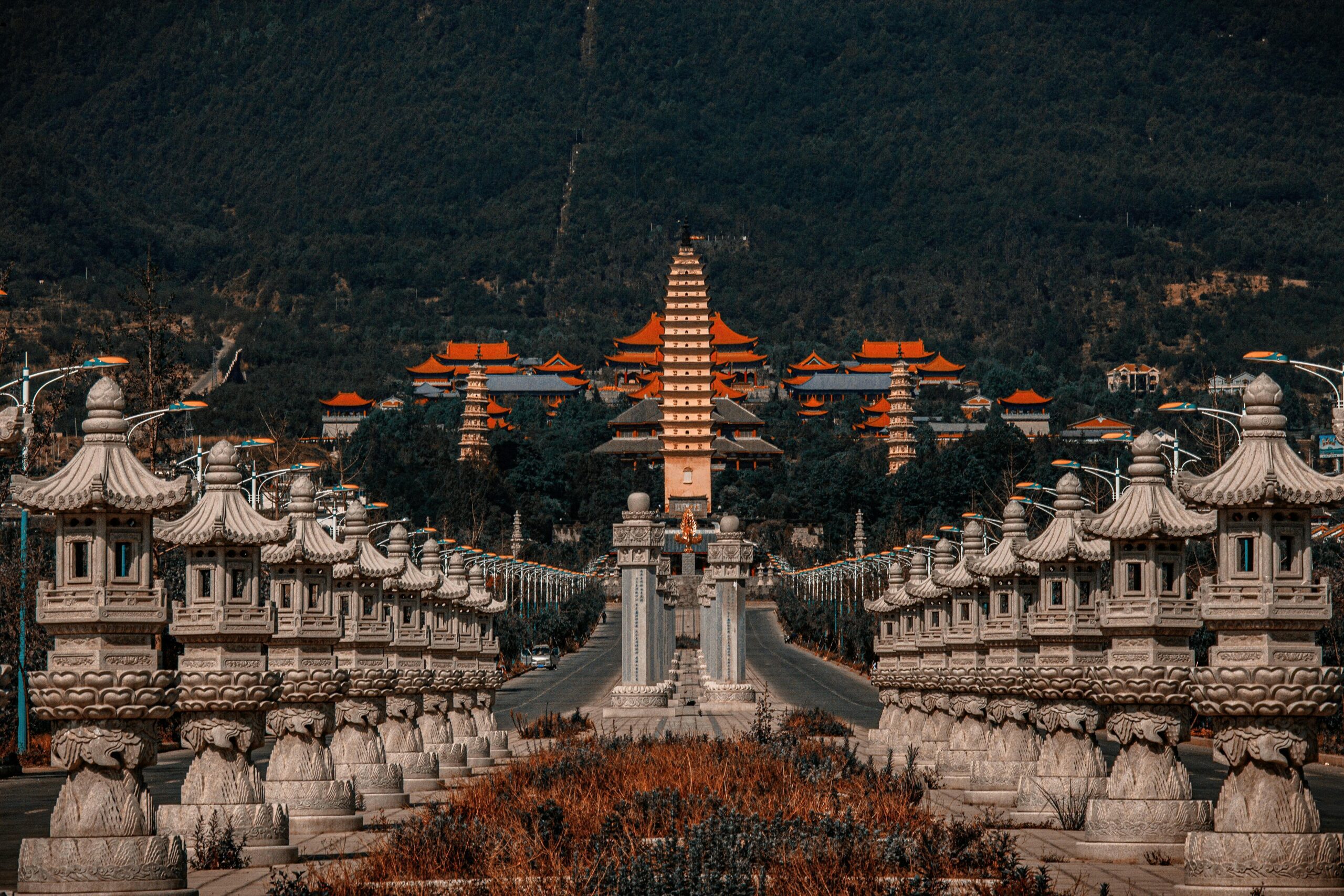
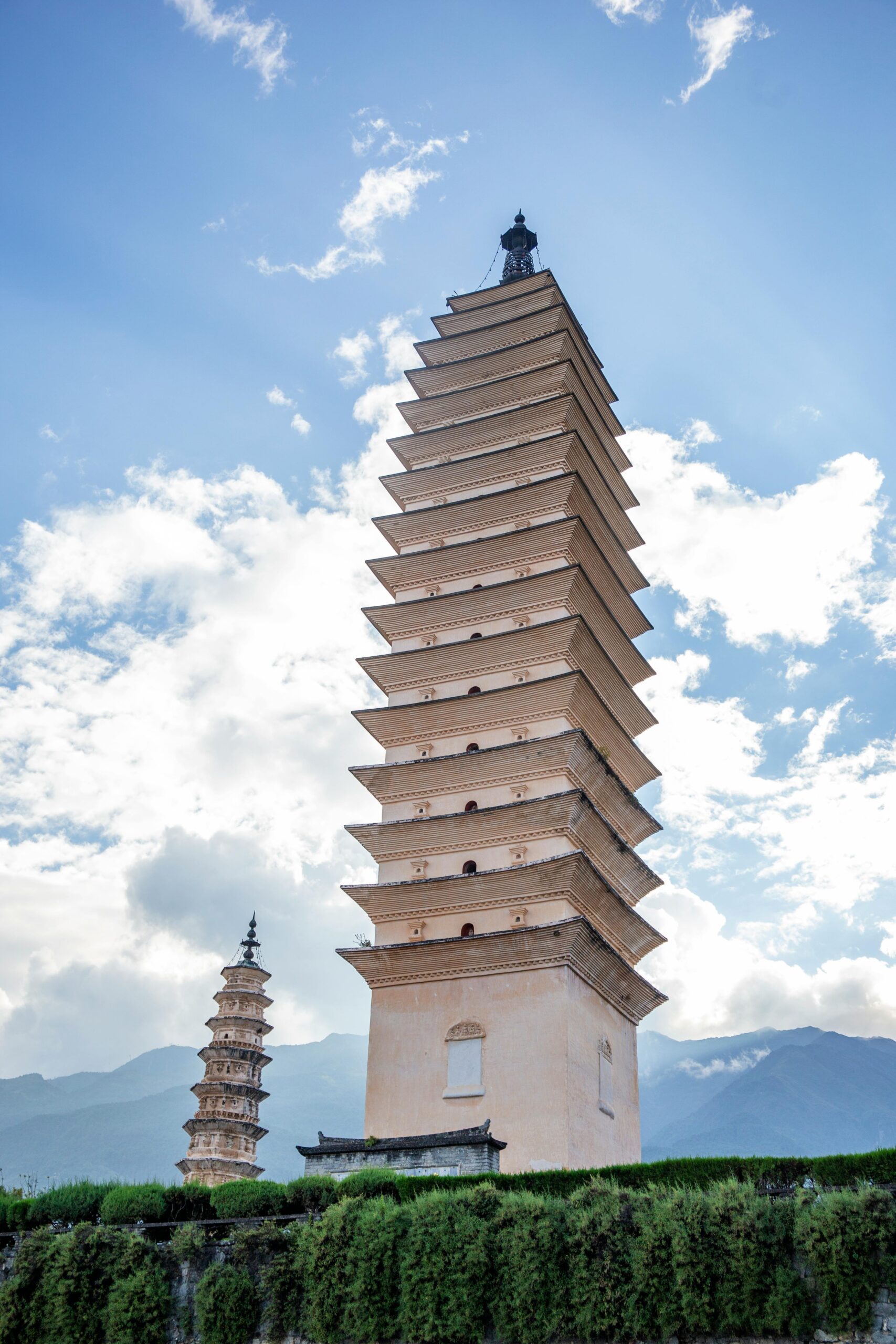
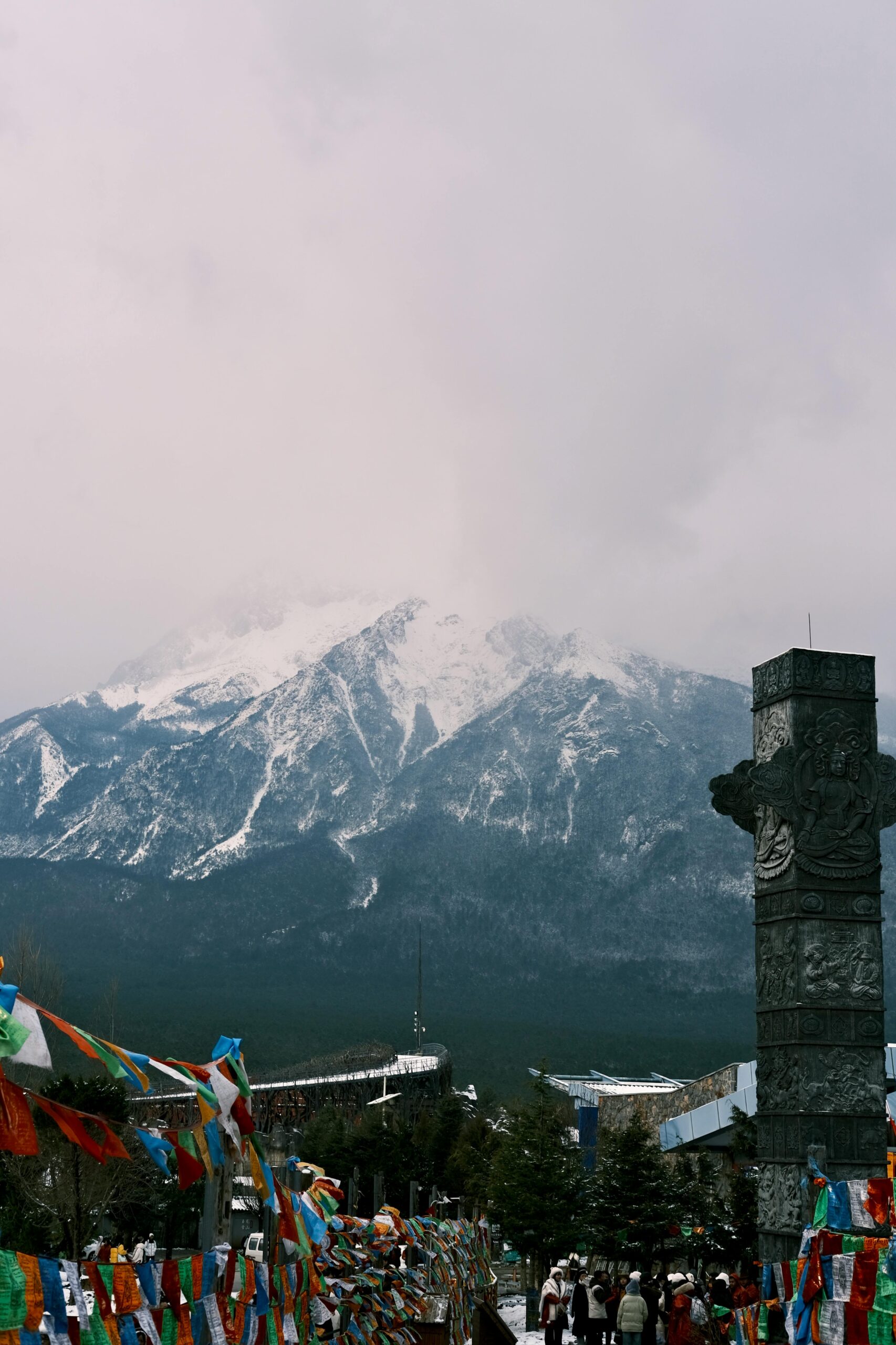
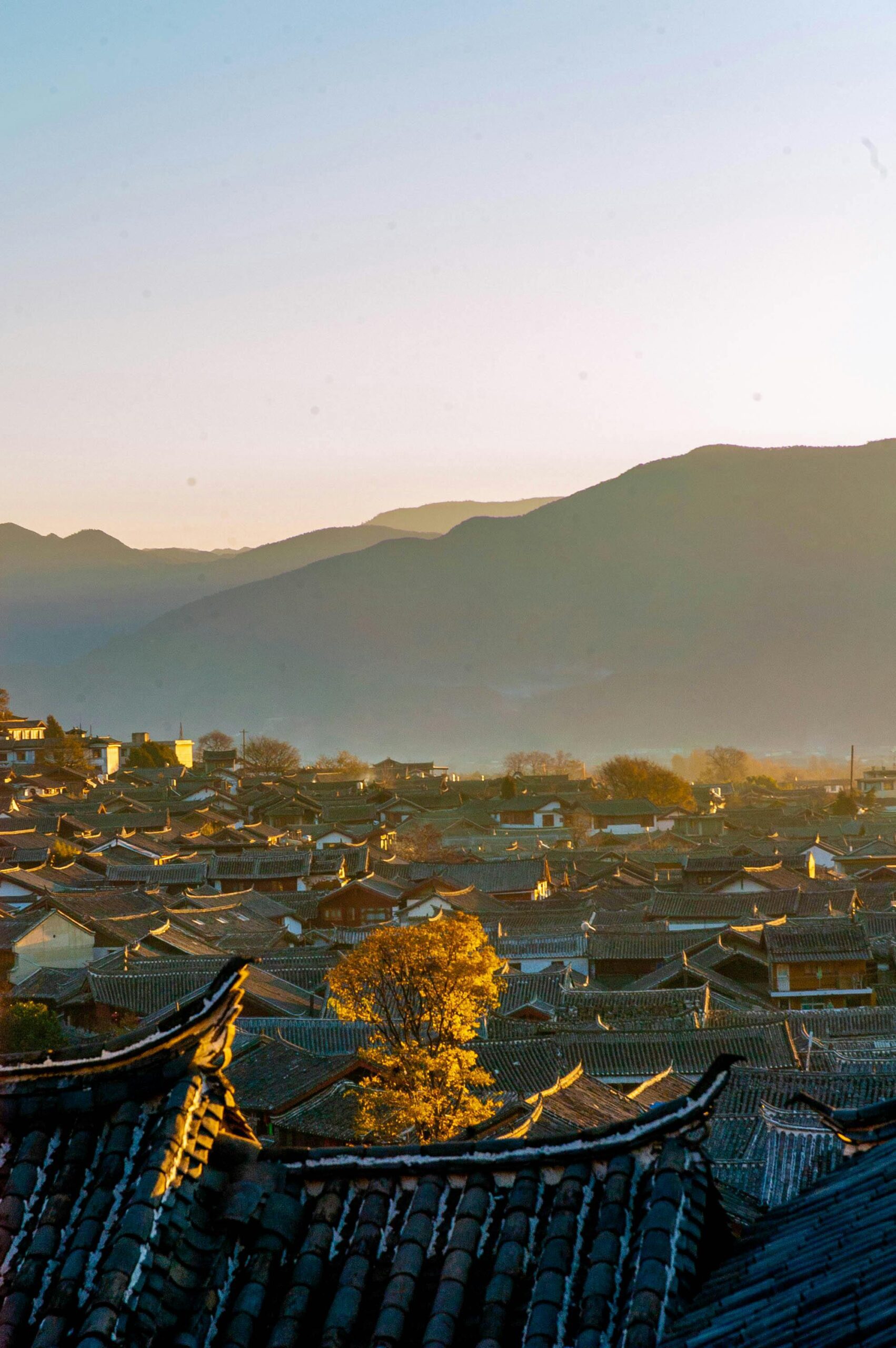
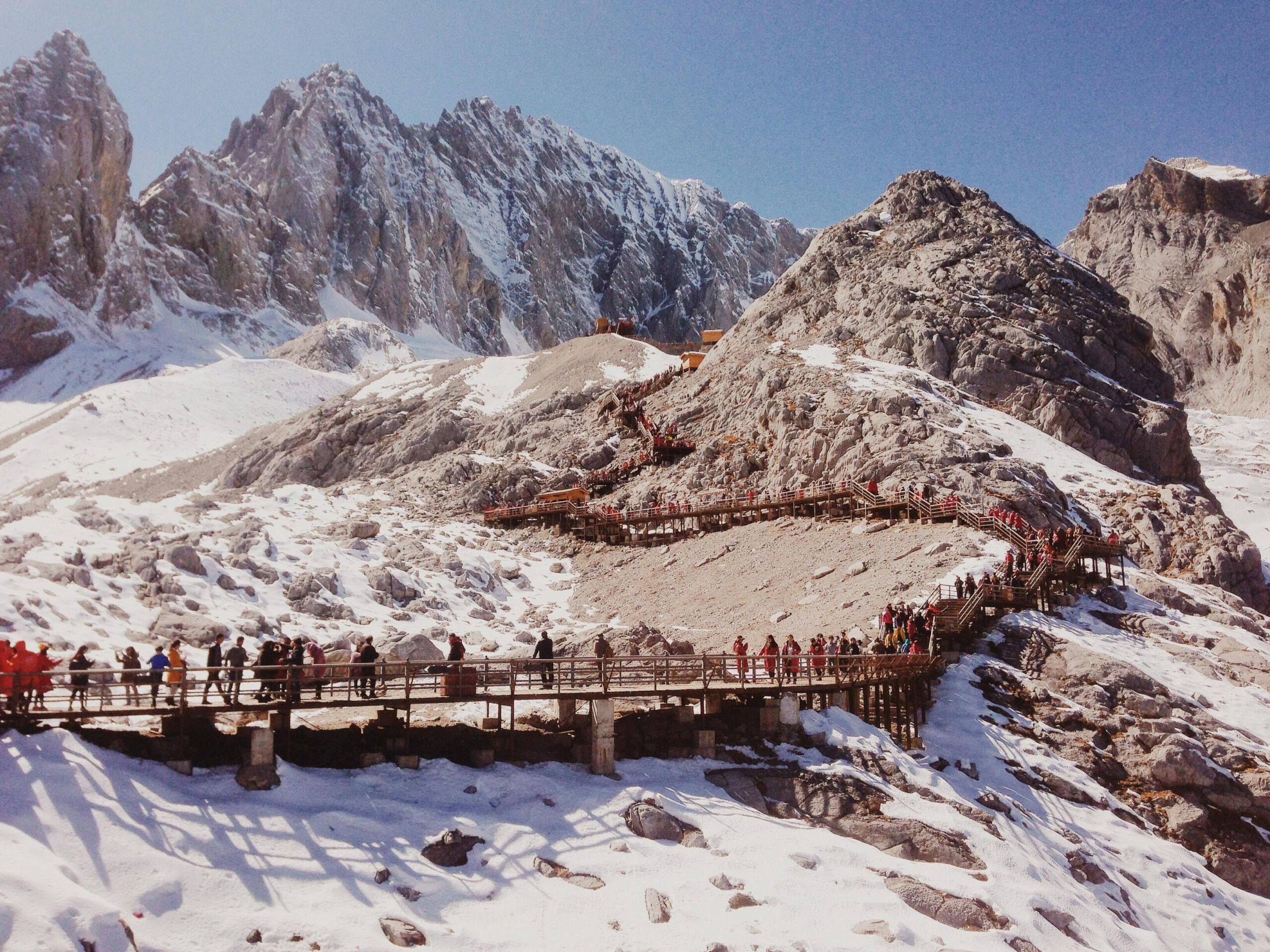
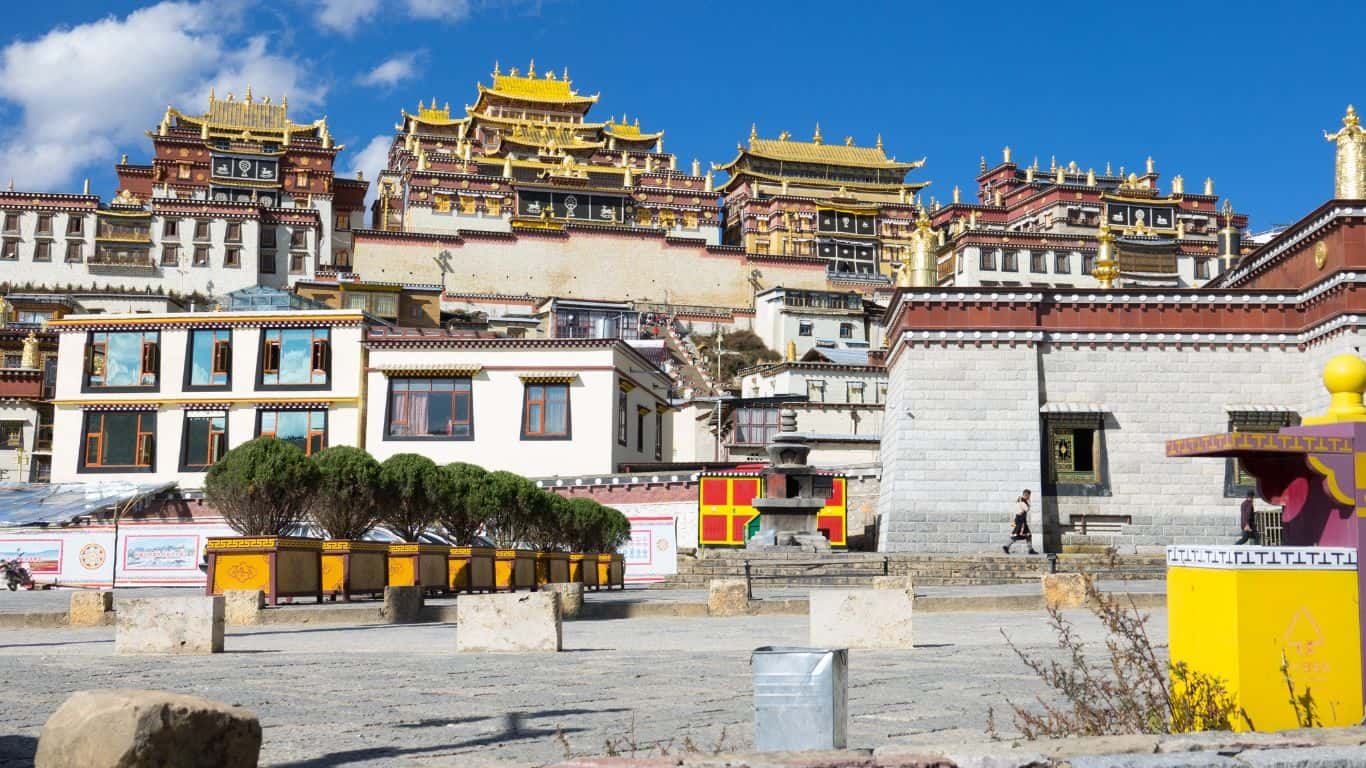
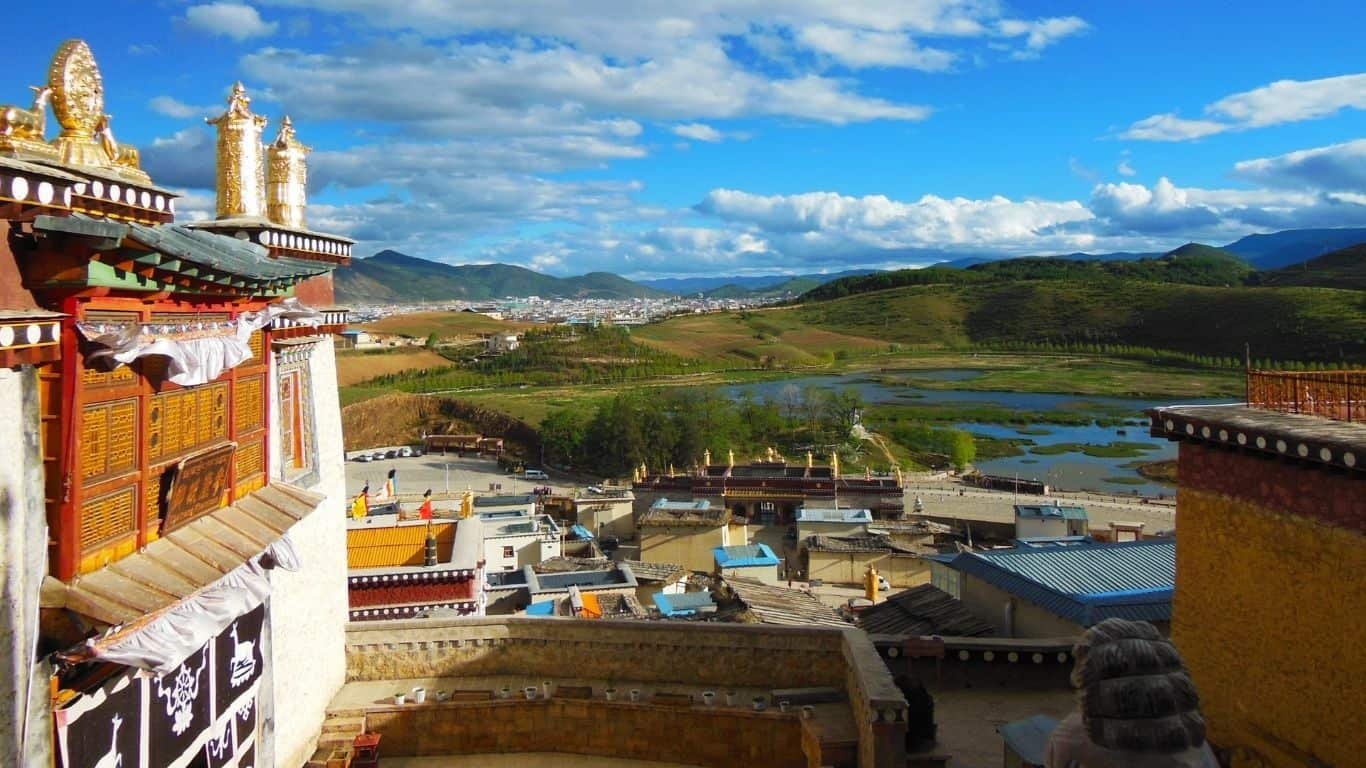
Yunnan stands out in many “unique places in China” round‑ups for its cultural diversity and mountain scenery,. Towns like Lijiang, Dali and Shangri‑La are gateways to minority villages and highland landscapes.

What makes these areas unusual

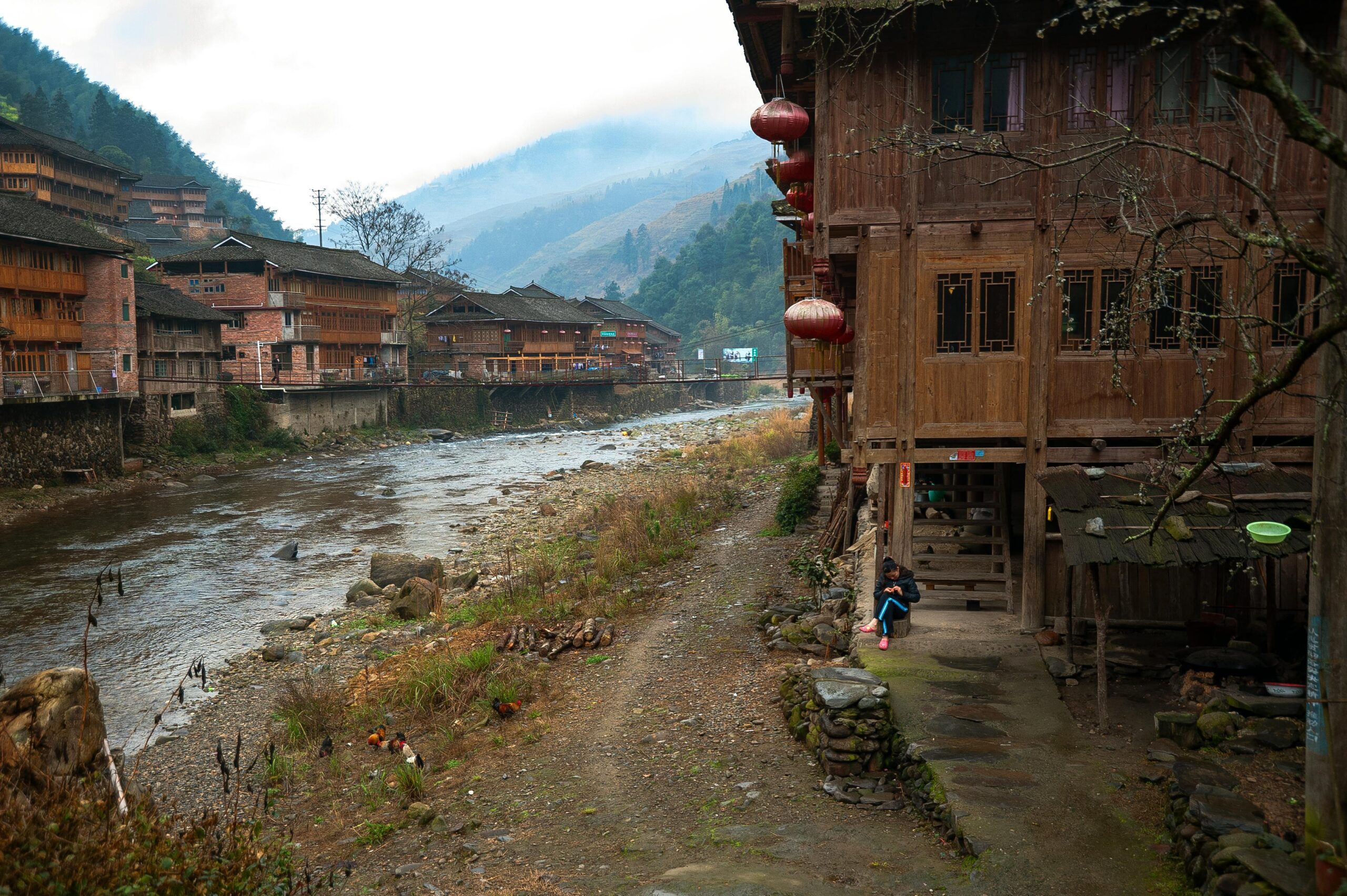
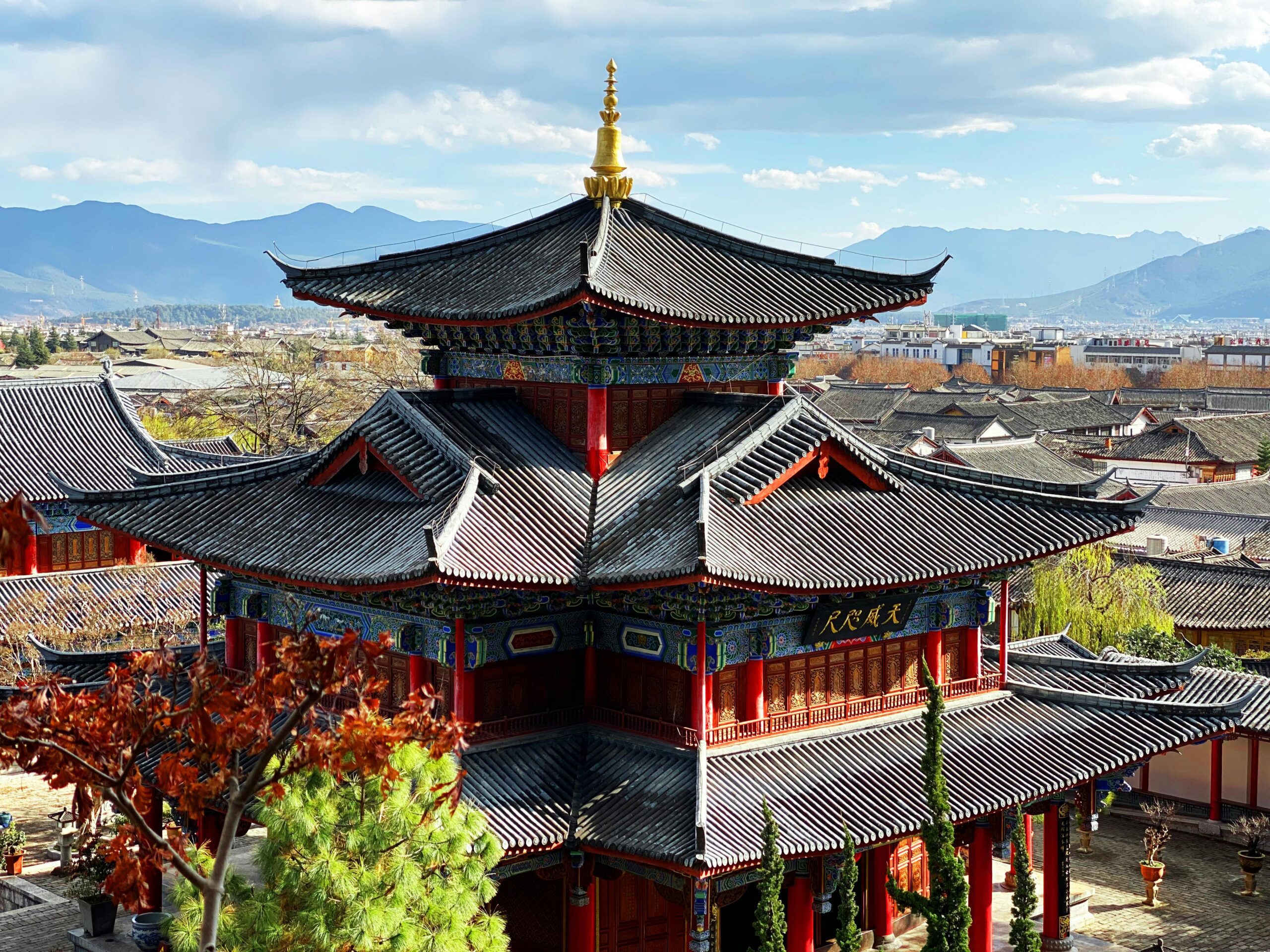
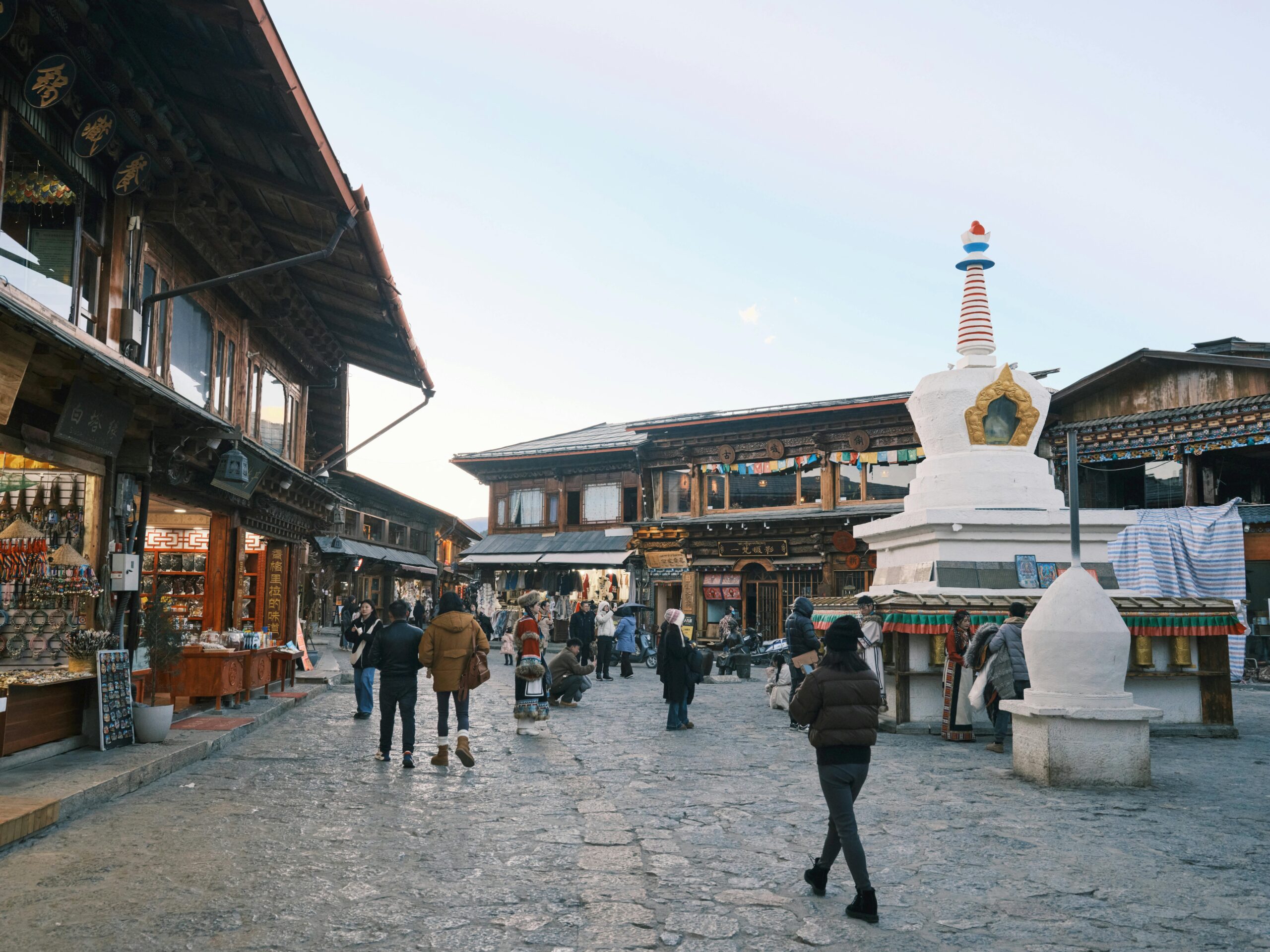
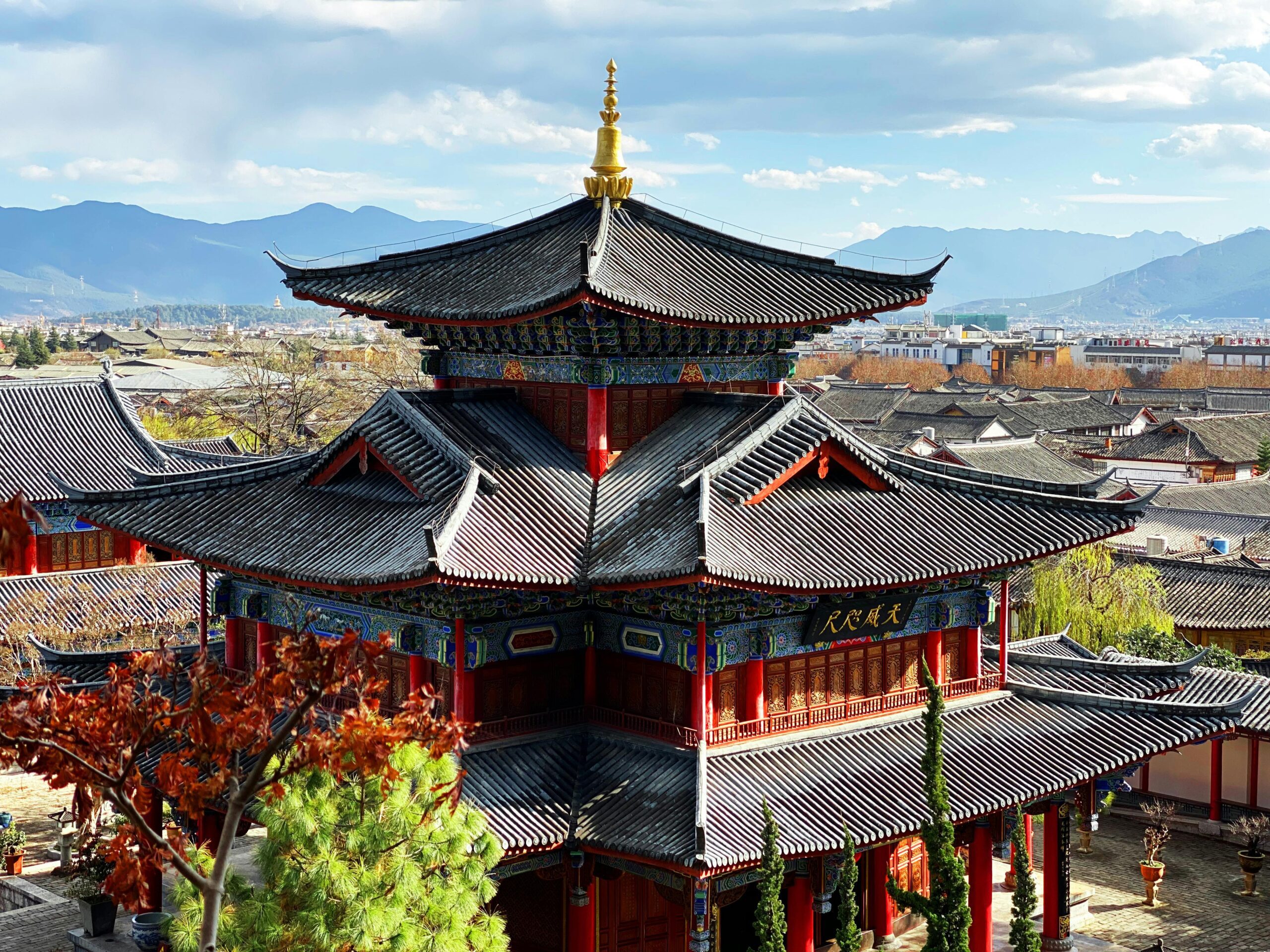
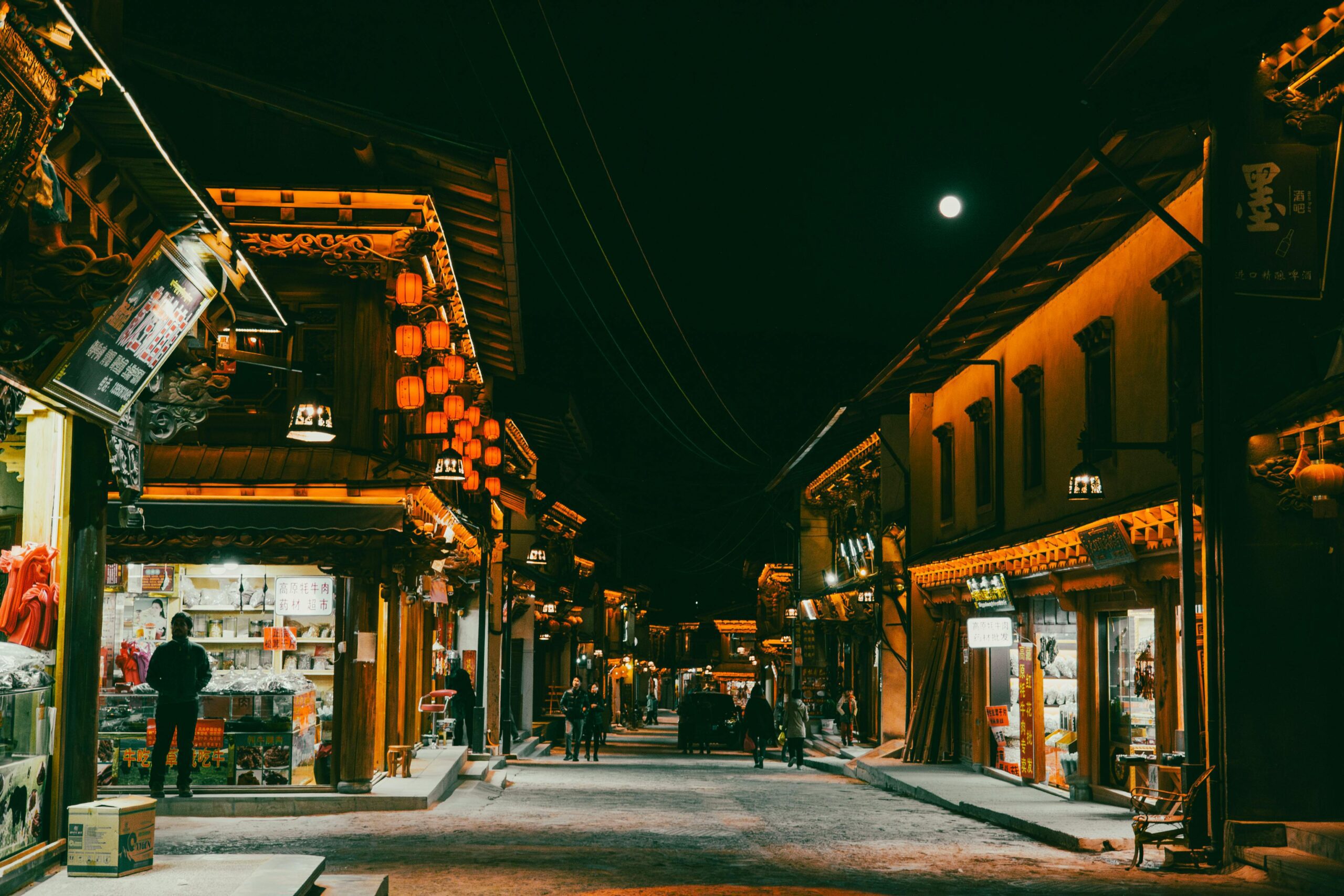
  • Old towns with cobbled lanes, waterways and wooden houses (especially Lijiang and Dali).
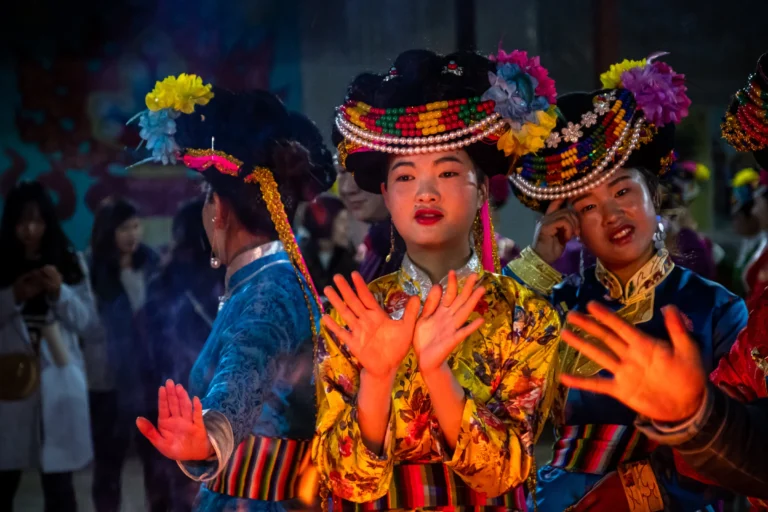
  • A mix of Naxi, Bai, Tibetan and other ethnic groups, each with their own architecture, crafts and festivals.
  • Access to iconic hikes like Tiger Leaping Gorge for active travelers.

Suggested experiences

  • Get lost in the backstreets of Lijiang and Dali at off‑peak hours, when day‑trippers are gone.
  • Visit nearby villages and markets to see daily life beyond the tourist cores.
  • Plan one or two moderate hikes in the surrounding hills or gorges.

How to visit on a guided tour

A 5–7 day Yunnan itinerary might combine Dali, Lijiang and Shangri‑La with time in rural villages. Guided tours help you:
  • Balance popular spots with genuine off‑the‑beaten‑path experiences.
  • Deal with altitude changes and transport between mountain towns.
  • Connect with local hosts and artisans.

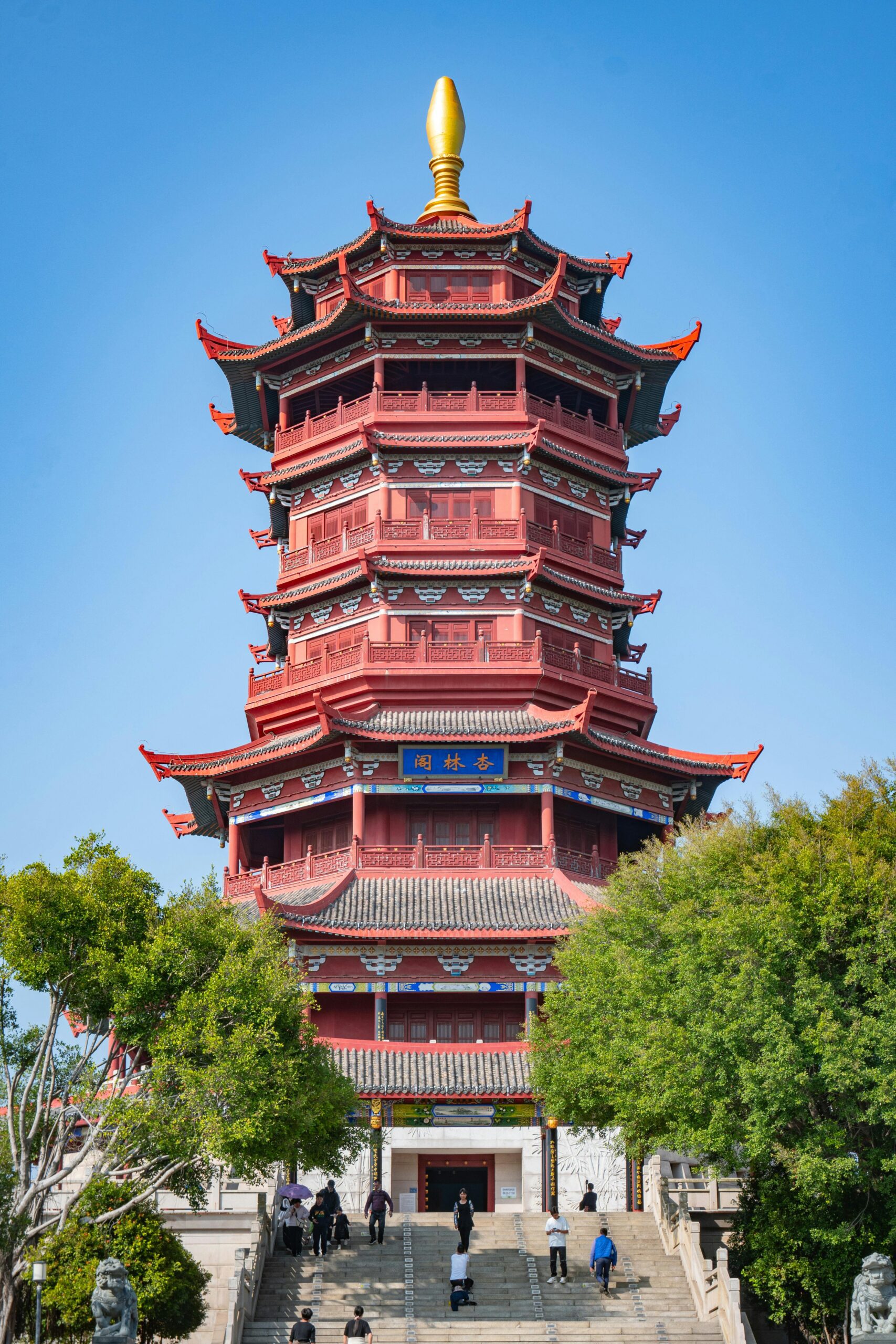
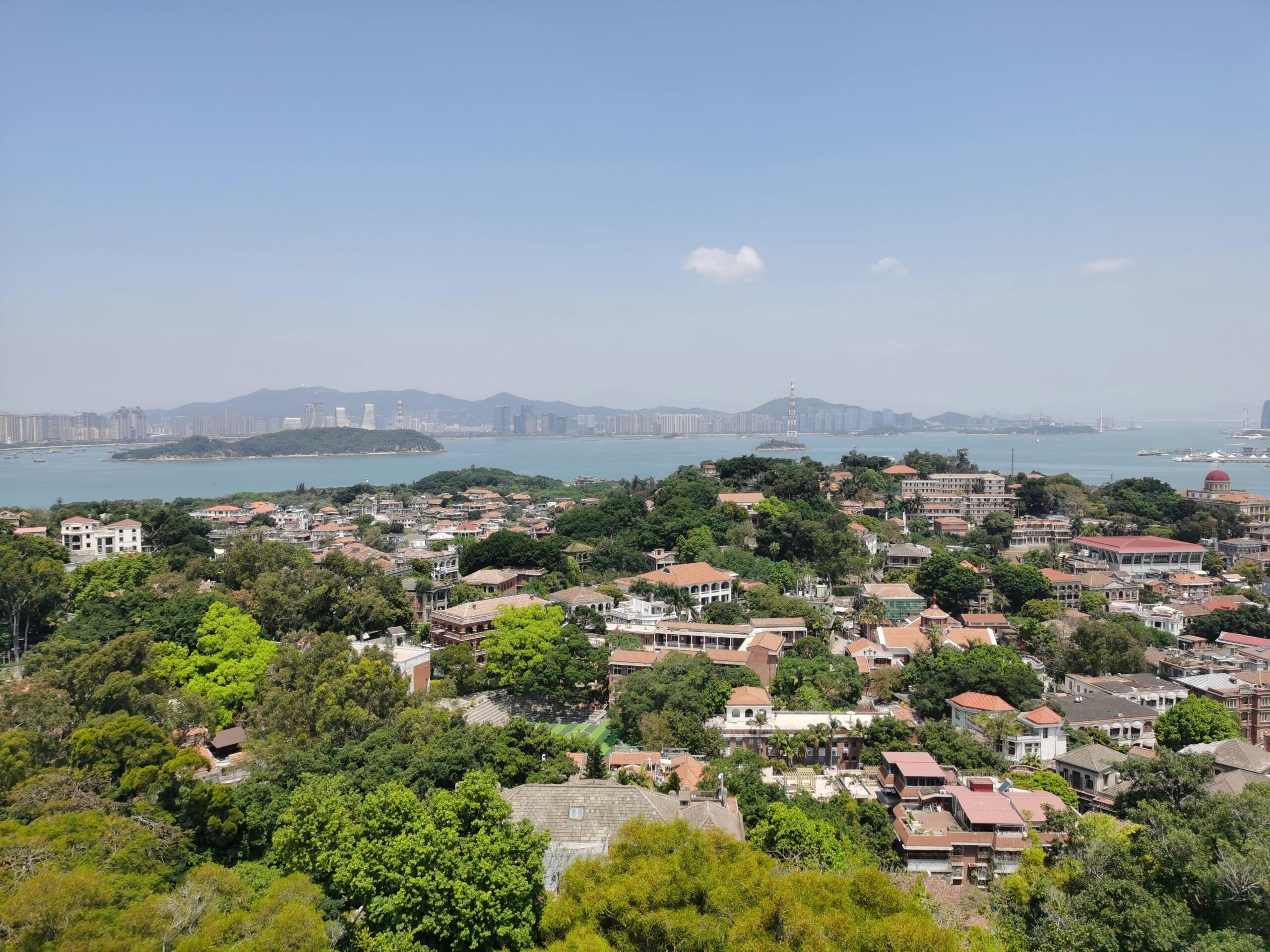
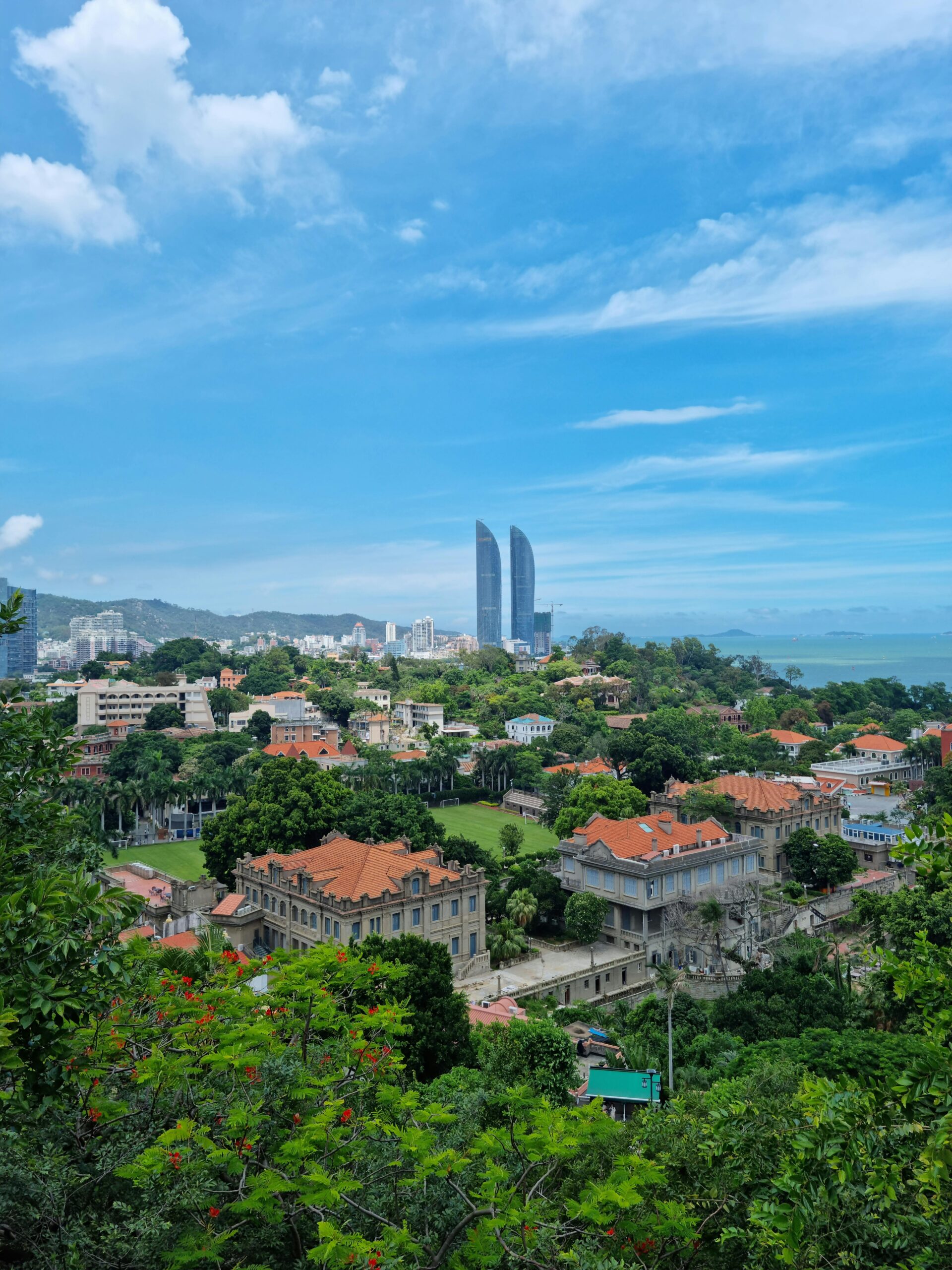
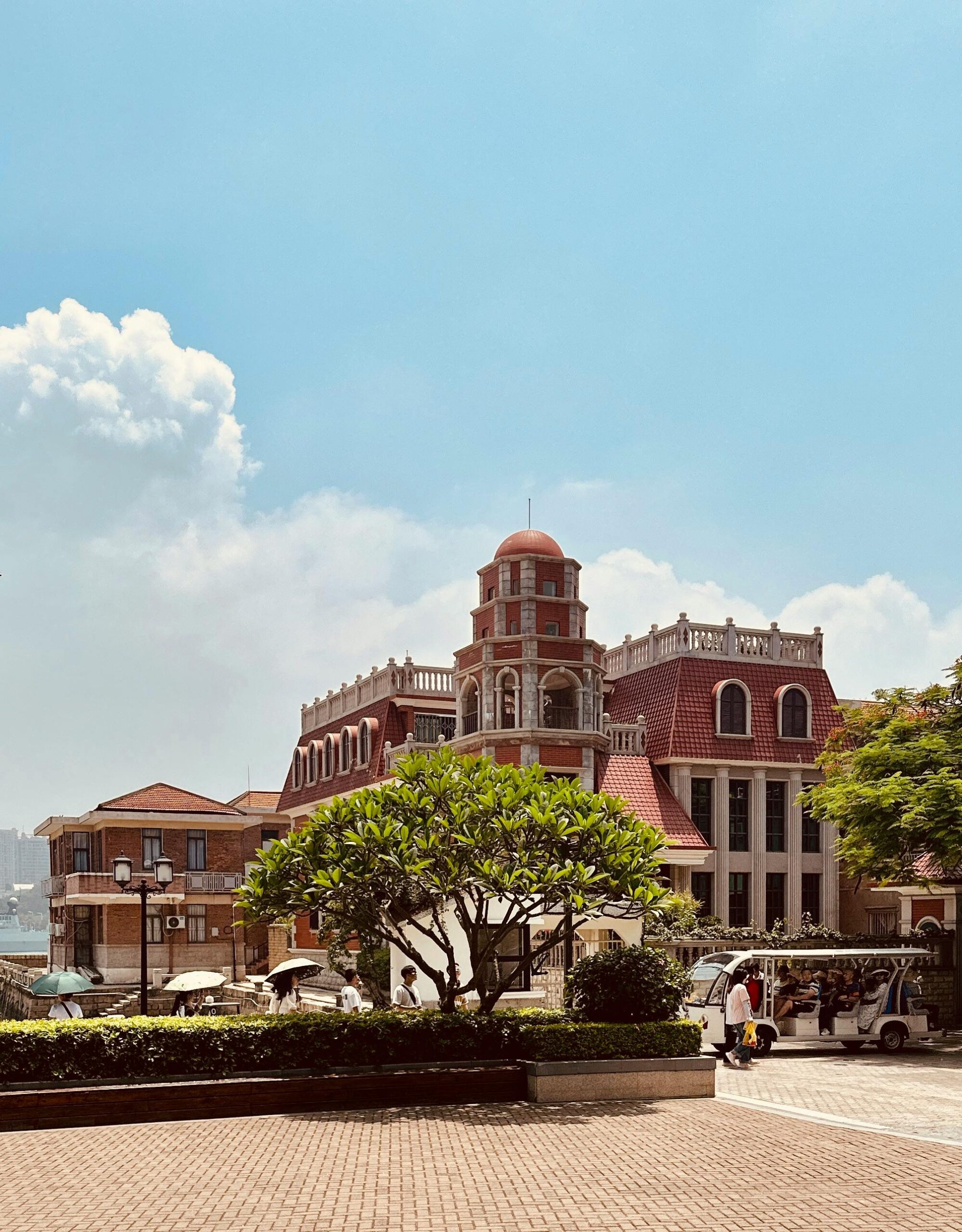
Gulangyu Island: A Car‑Free Colonial Time Capsule


Travel blogs and “cool places in China” lists sometimes highlight Gulangyu Island off the coast of Xiamen as one of the country’s more unexpected destinations.

Why Gulangyu feels so unusual

  • It’s car‑free: you walk everywhere, which immediately slows the pace.
  • The island is dotted with colonial‑era mansions, consulates and churches, reflecting its past as an international settlement.
  • A mix of gardens, seaside promenades and small museums gives it a relaxed, nostalgic vibe.

Suggested experiences

  • Wander the narrow streets without a strict plan, discovering old villas and viewpoints.
  • Climb to one of the island’s hilltops for panoramic views of the coastline and Xiamen’s skyline.
  • Sample local seafood and snacks at family‑run eateries.

How to visit on a guided tour

Gulangyu is easy to add as:

  • A 1–2 day extension from Xiamen.
  • Part of a Fujian province itinerary that also includes tulou (traditional round earthen houses), which are often mentioned as off‑the‑beaten‑path attractions.

With a guide, you can learn more about the island’s complex history and avoid the busiest ferry times and streets.
Unusual Places in China for Adventure and Spirituality


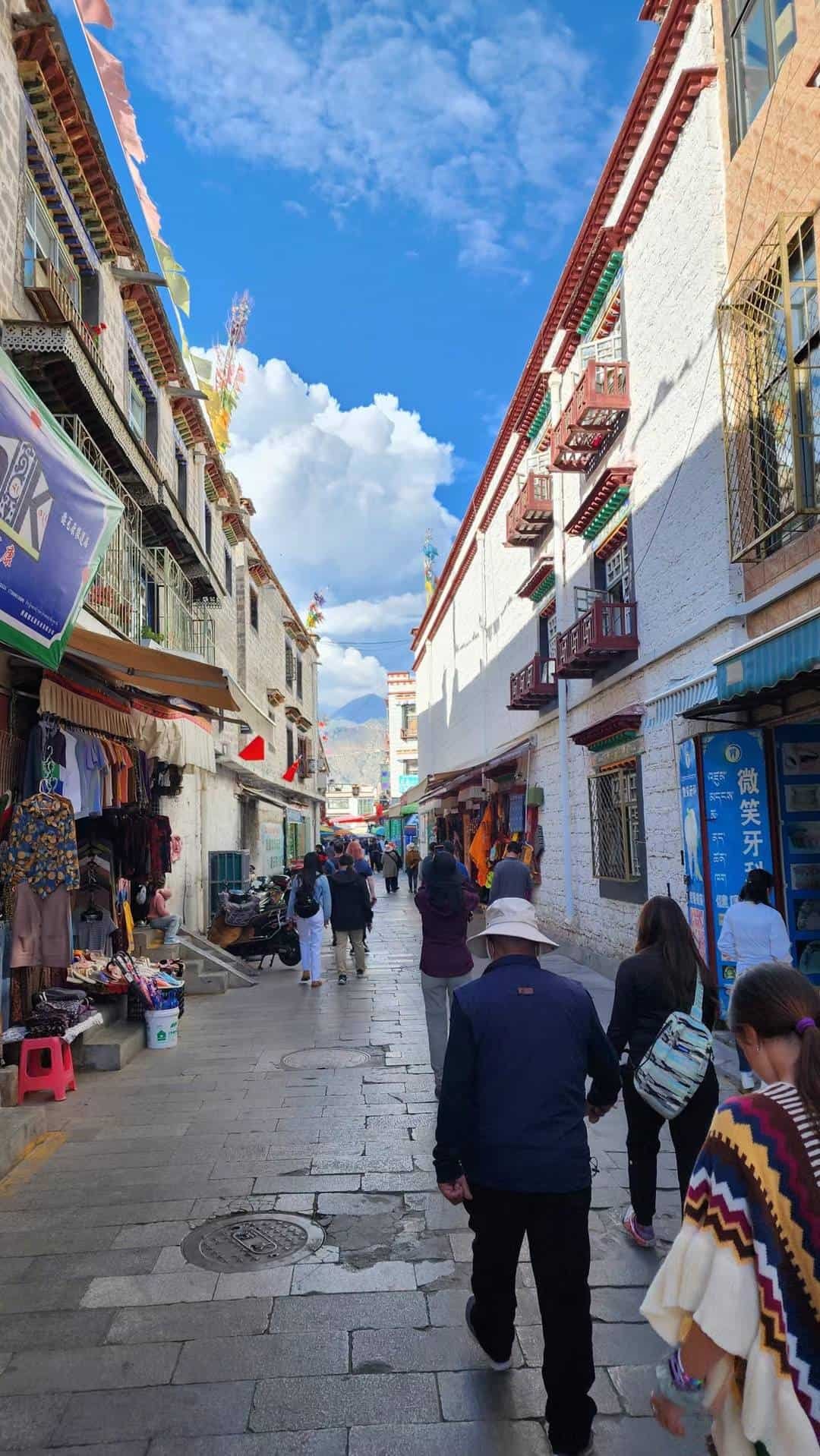
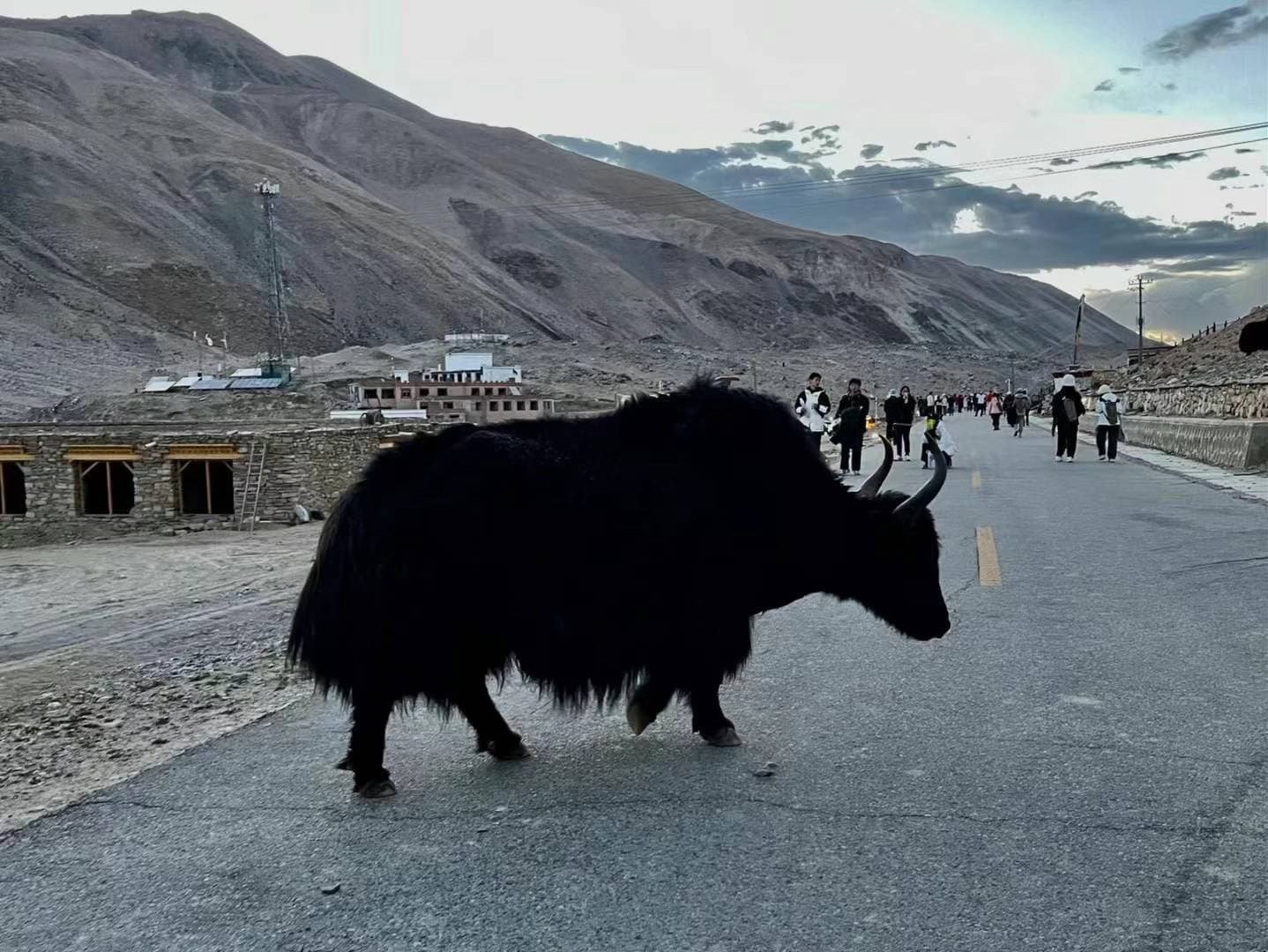
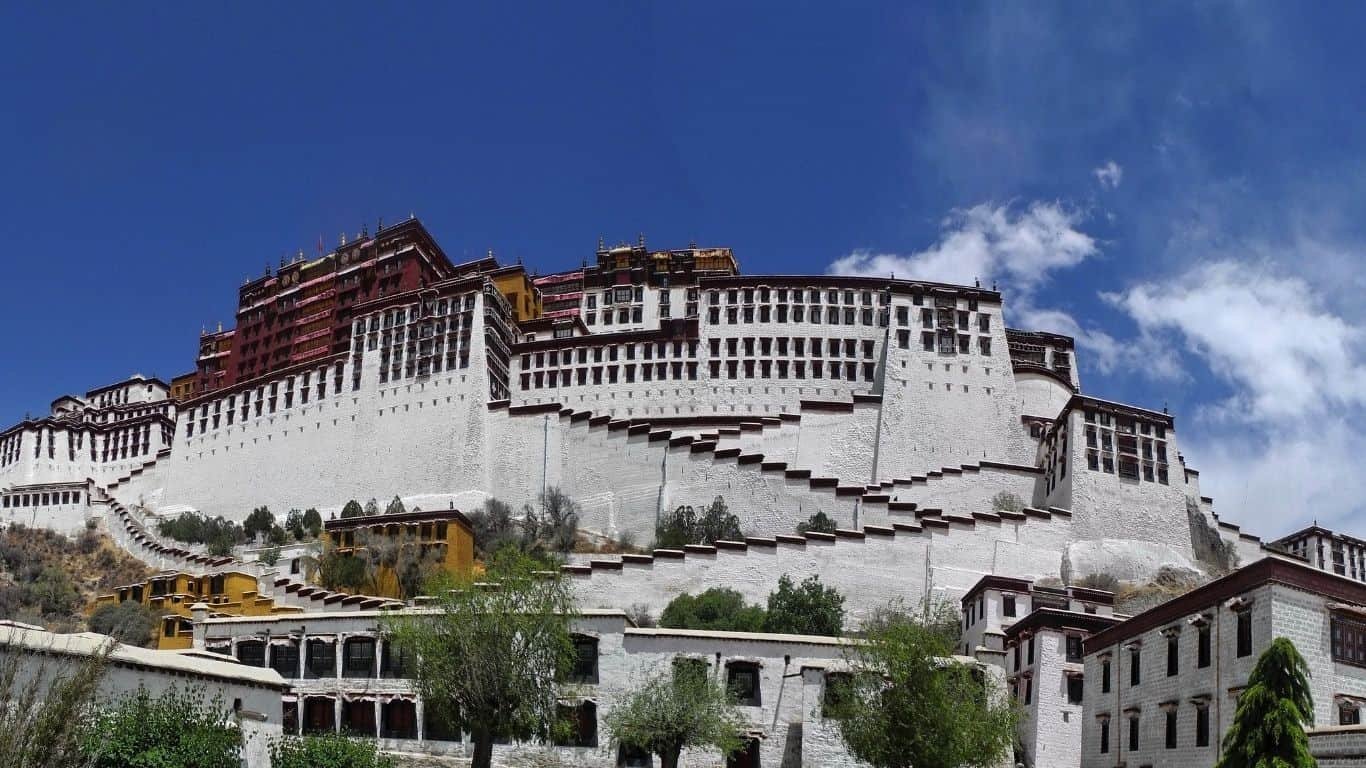
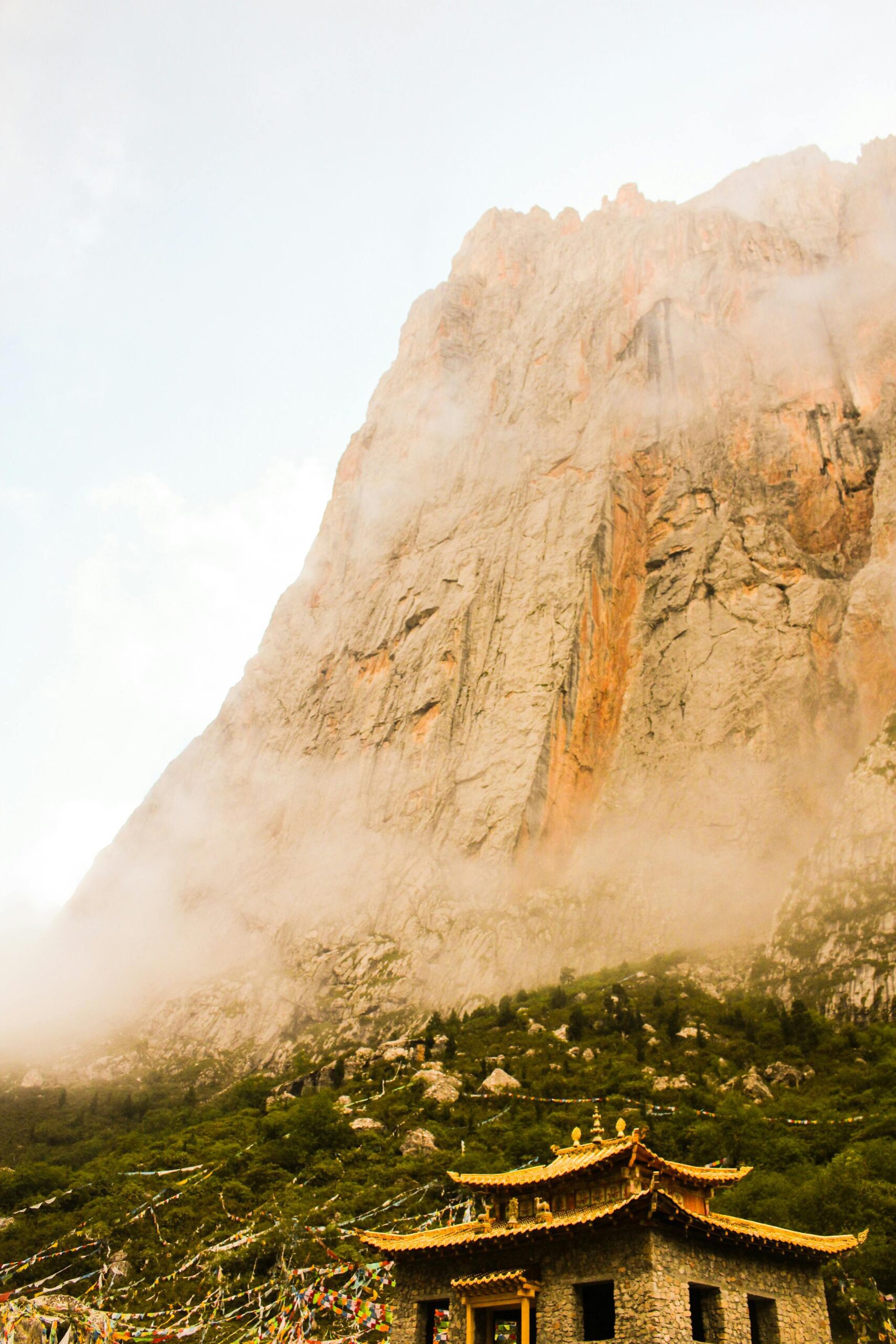
Tibet and Mount Kailash: High‑Altitude Pilgrimage

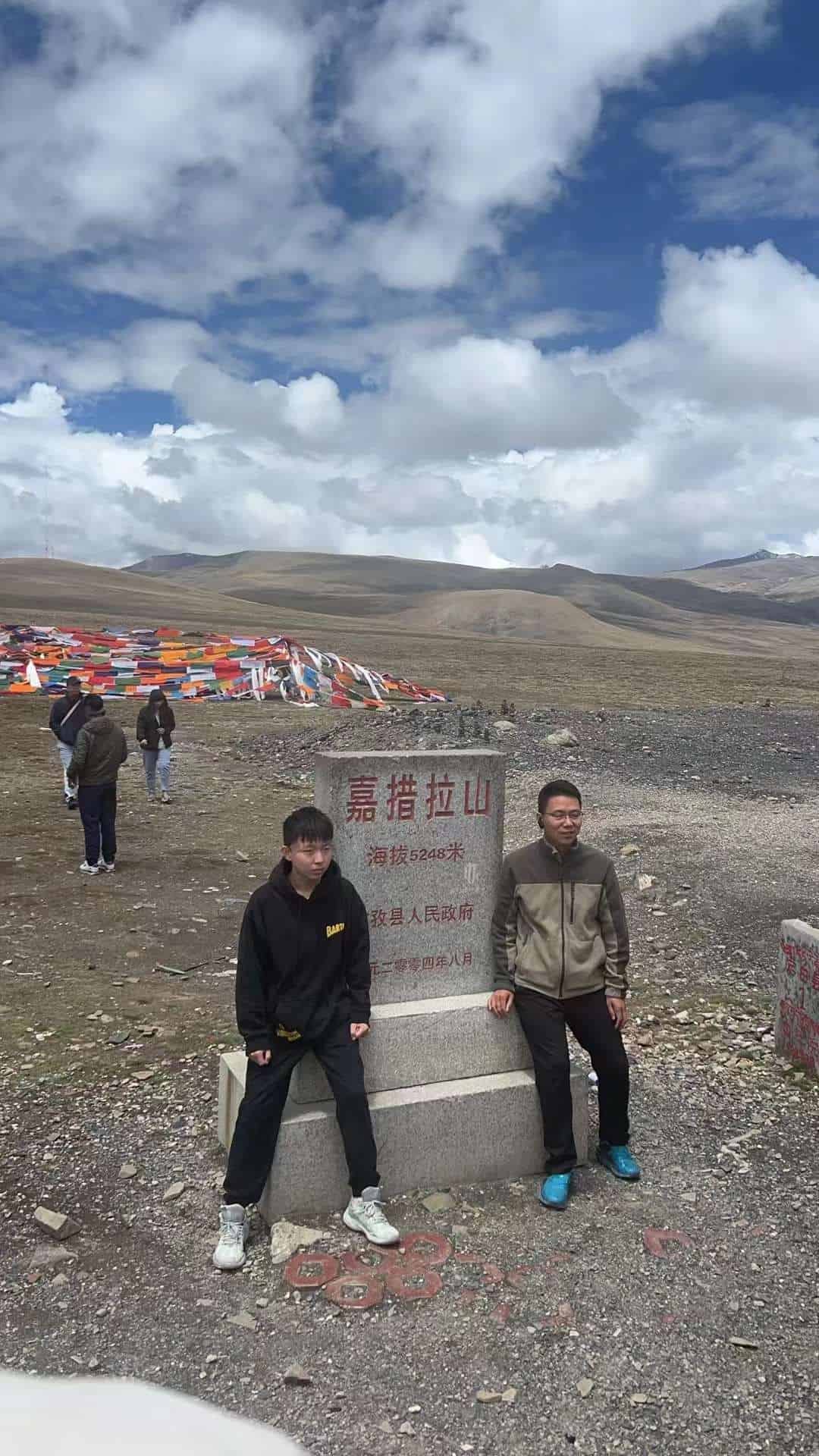
For experienced travelers with enough time, the Tibetan Plateau and sacred sites like Mount Kailash offer one of the most intense spiritual and scenic journeys in Asia.

Why this region is so unique

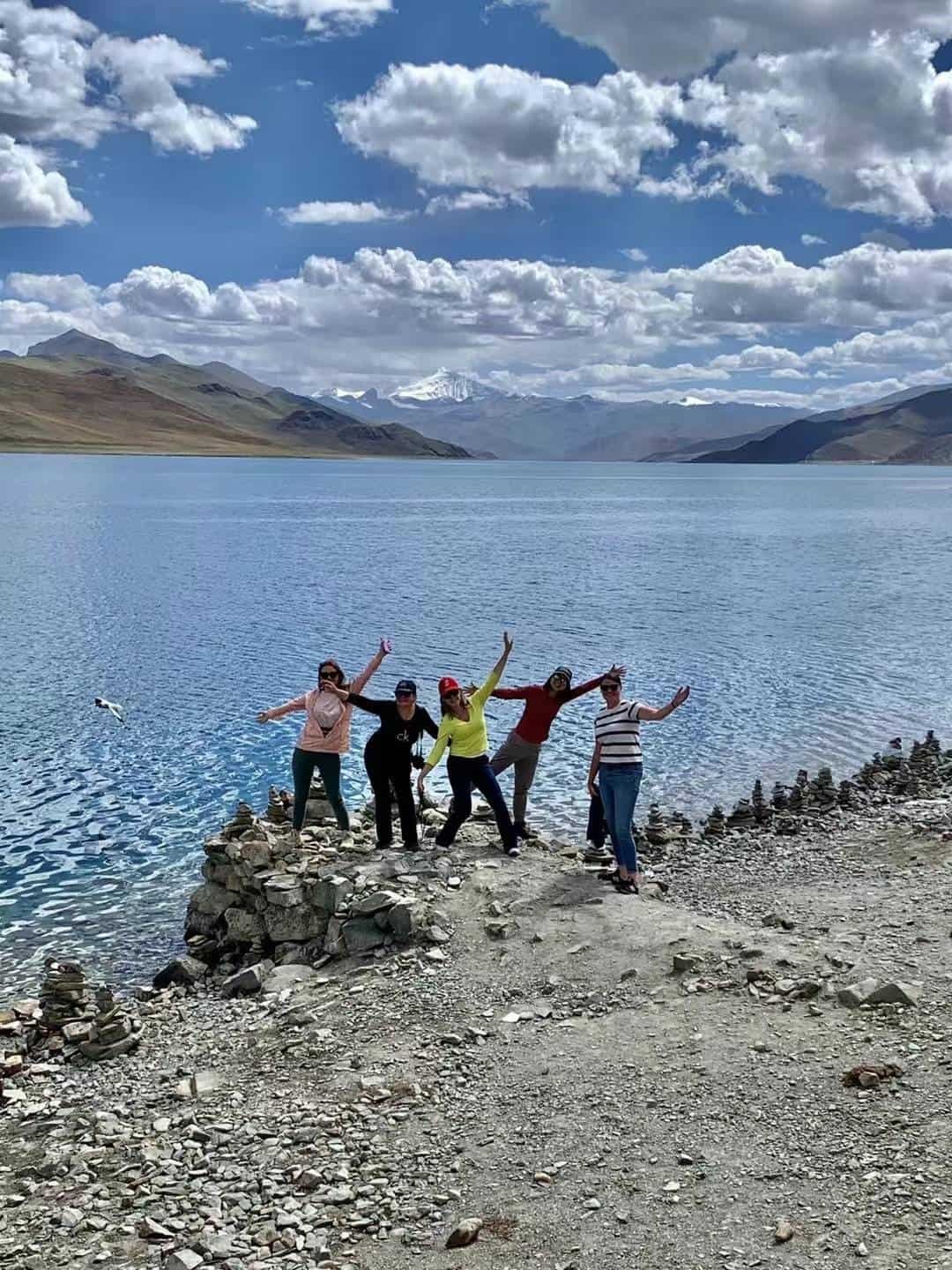
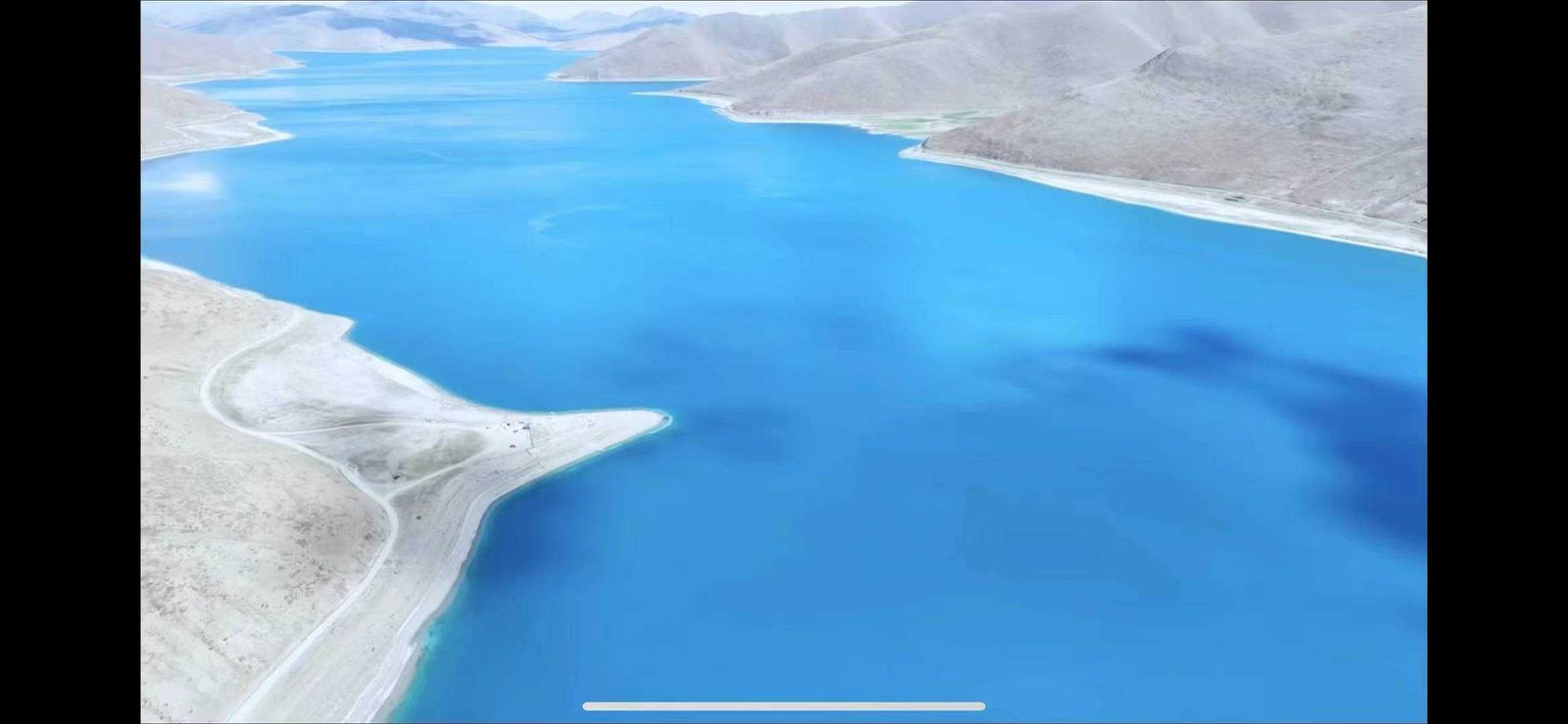
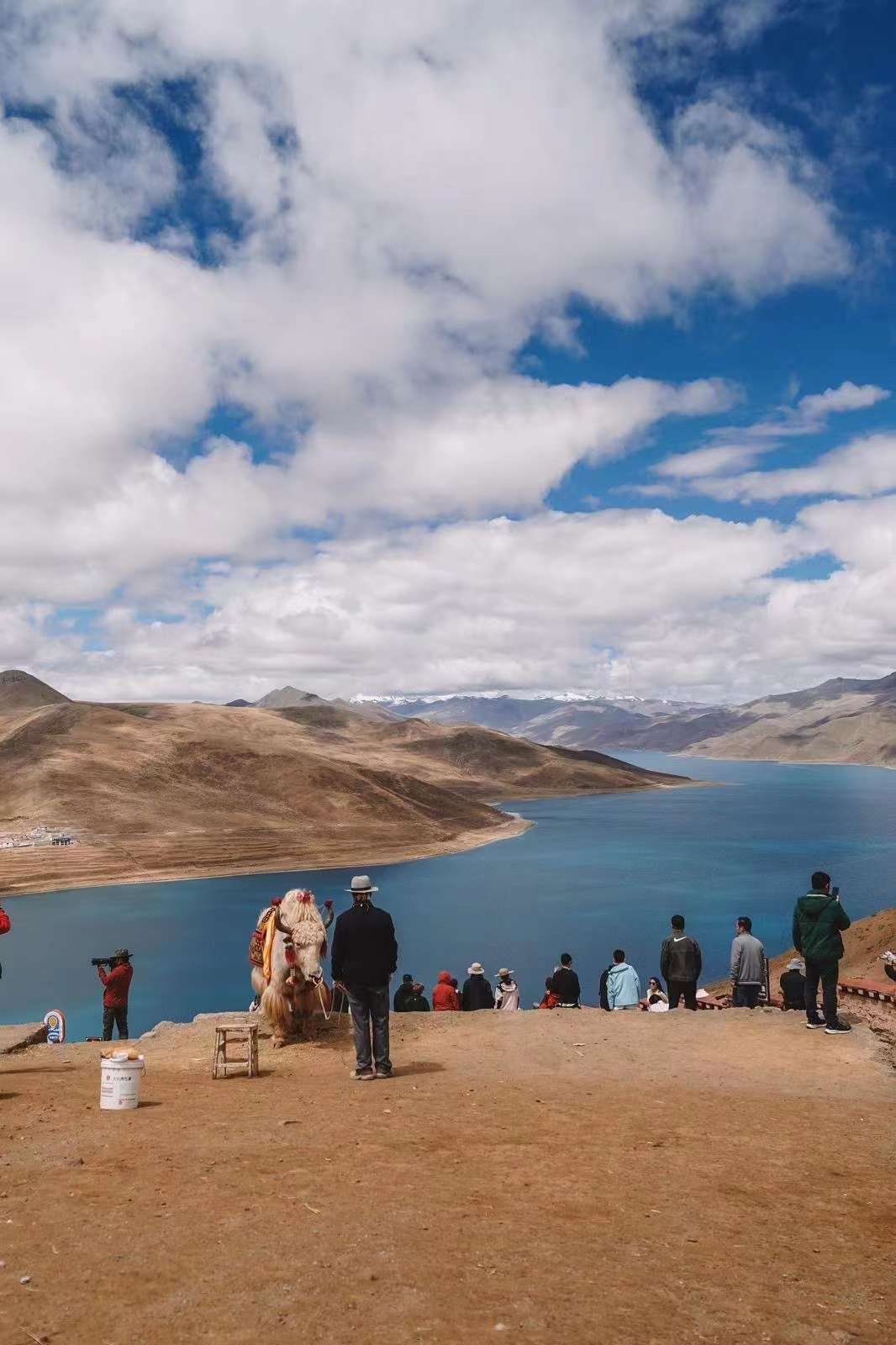
  • Vast high‑altitude landscapes: snow‑capped peaks, turquoise lakes, endless skies.
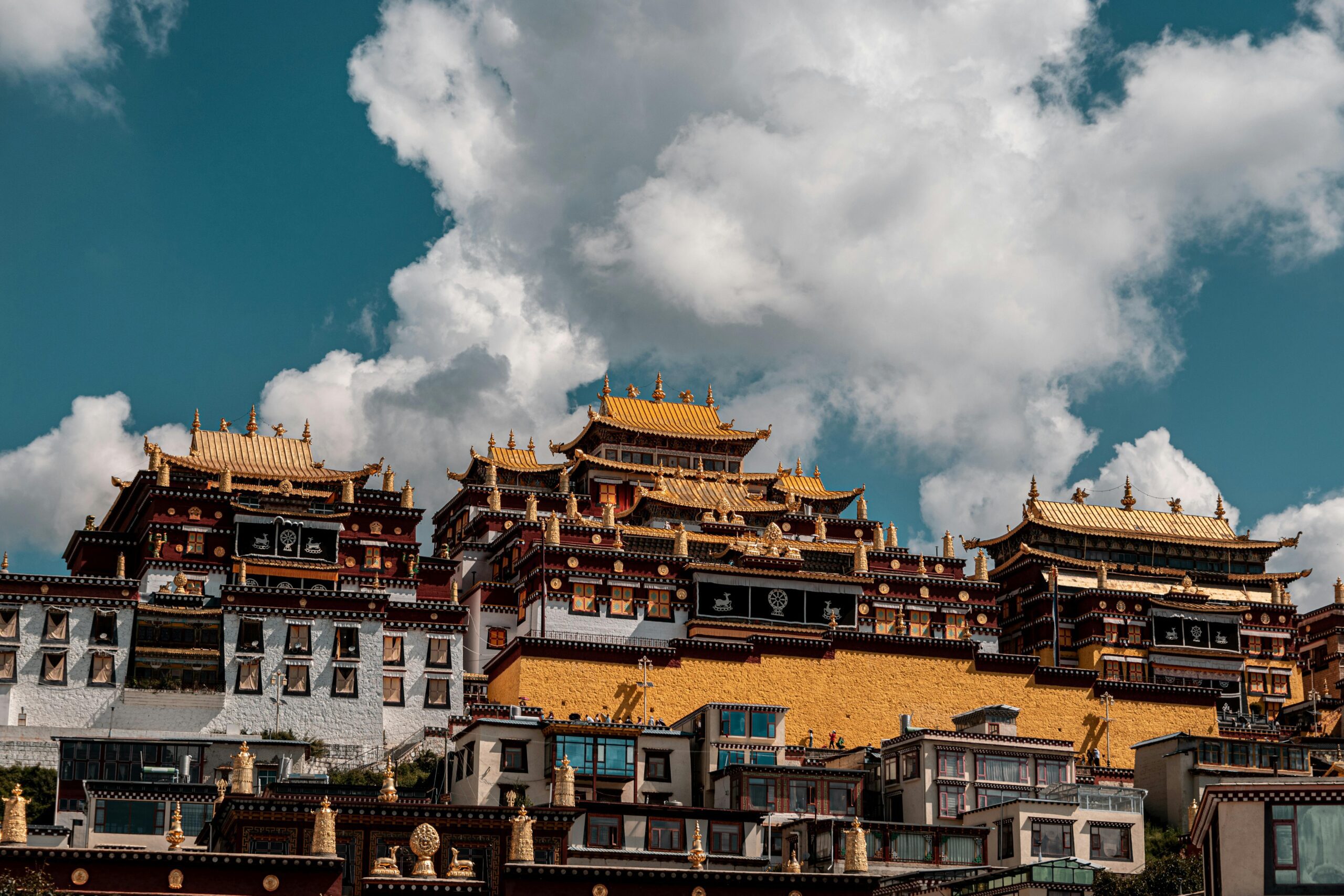
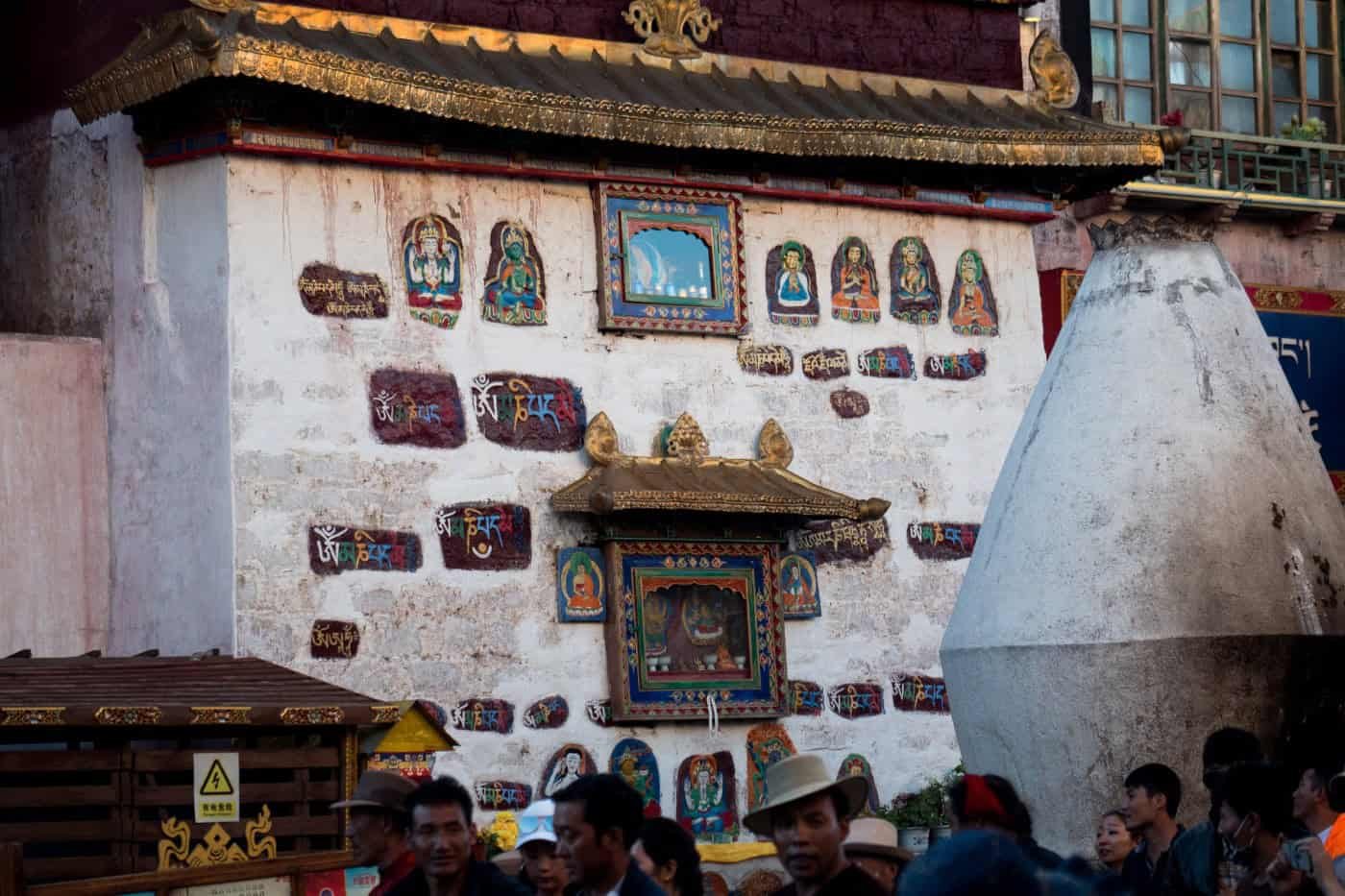
  • Monasteries perched on hillsides and clinging to cliffs.
  • Pilgrims from across Tibet and neighboring regions circling sacred mountains and lakes.

Suggested experiences

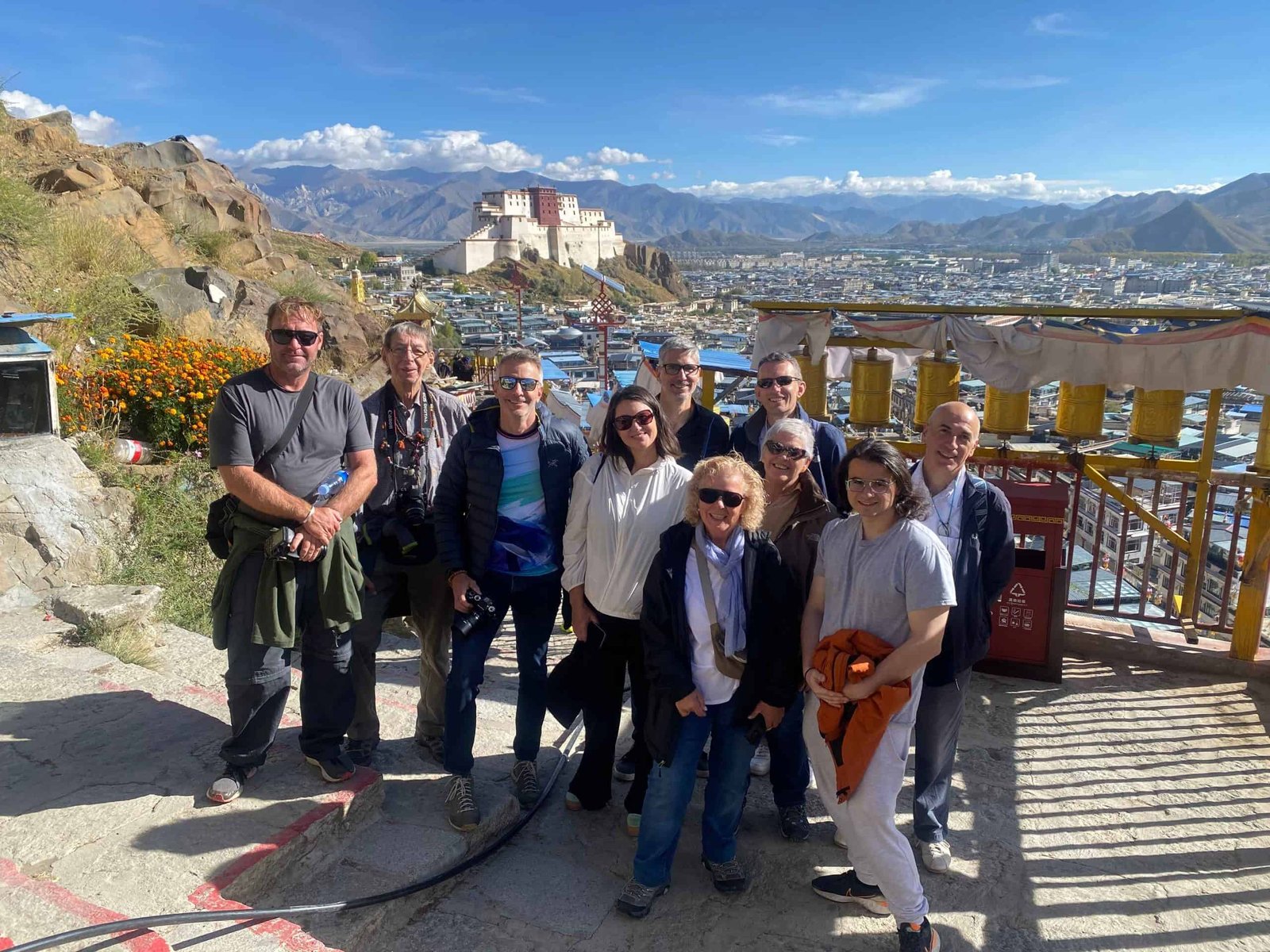
  • Visit key monasteries and towns to understand Tibetan Buddhism and local culture.
  • If you are fit and acclimatized, consider walking part or all of the kora (circumambulation) around Mount Kailash.
  • Schedule rest days for altitude adaptation.

How to visit on a guided tour

Tibet and Kailash are only realistically accessible on organized tours due to:

  • Permit requirements and regulations.
  • The need for careful acclimatization and safety planning.
  • Limited public transport in remote areas.

A specialist operator can customize the route to your fitness level and spiritual or cultural interests.
Silk Road Cities in Gansu and Xinjiang


Ask seasoned China travelers for their favorite off‑the‑beaten‑path regions, and many will point to the Silk Road corridors through Gansu and Xinjiang.

What makes these Silk Road areas unusual

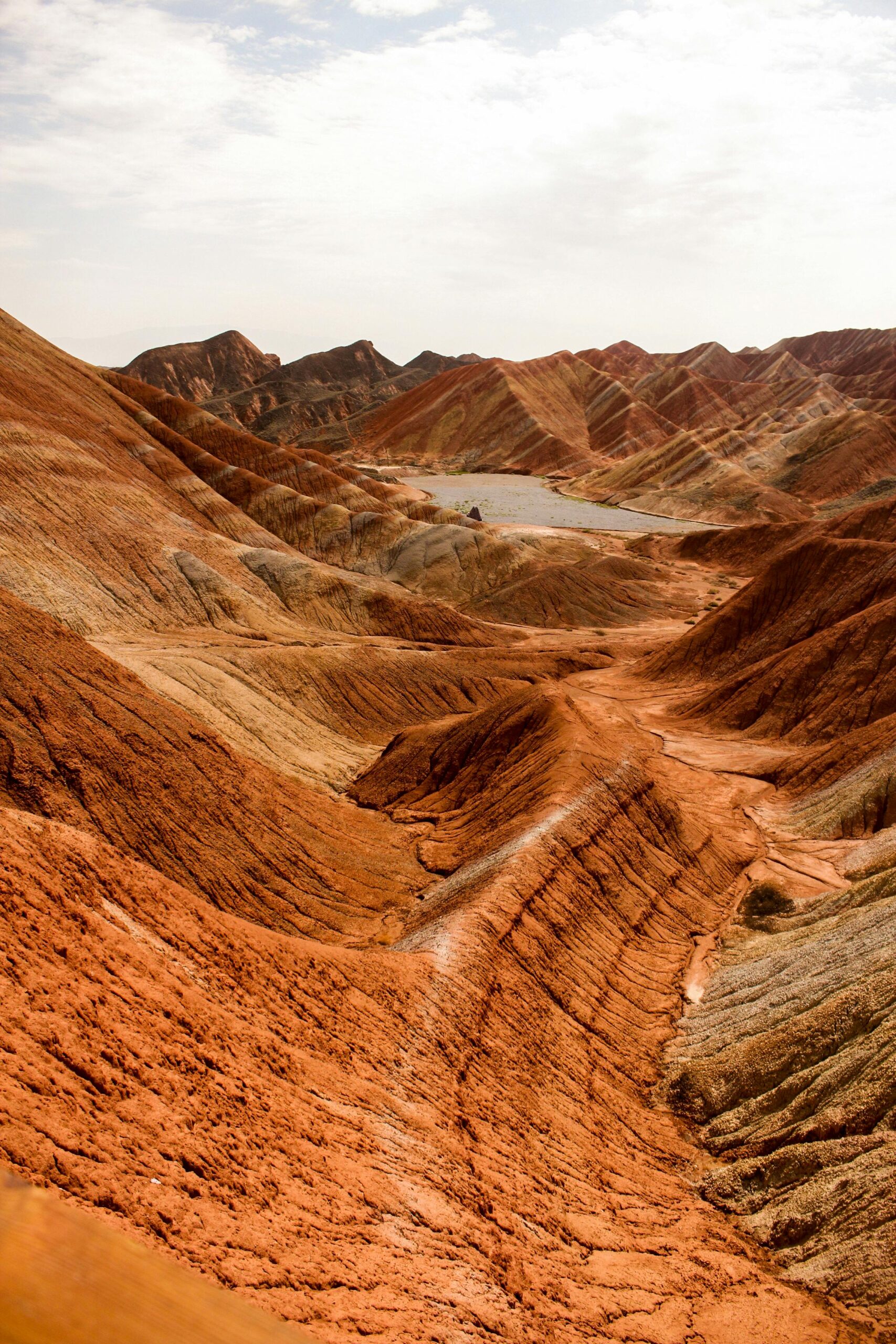
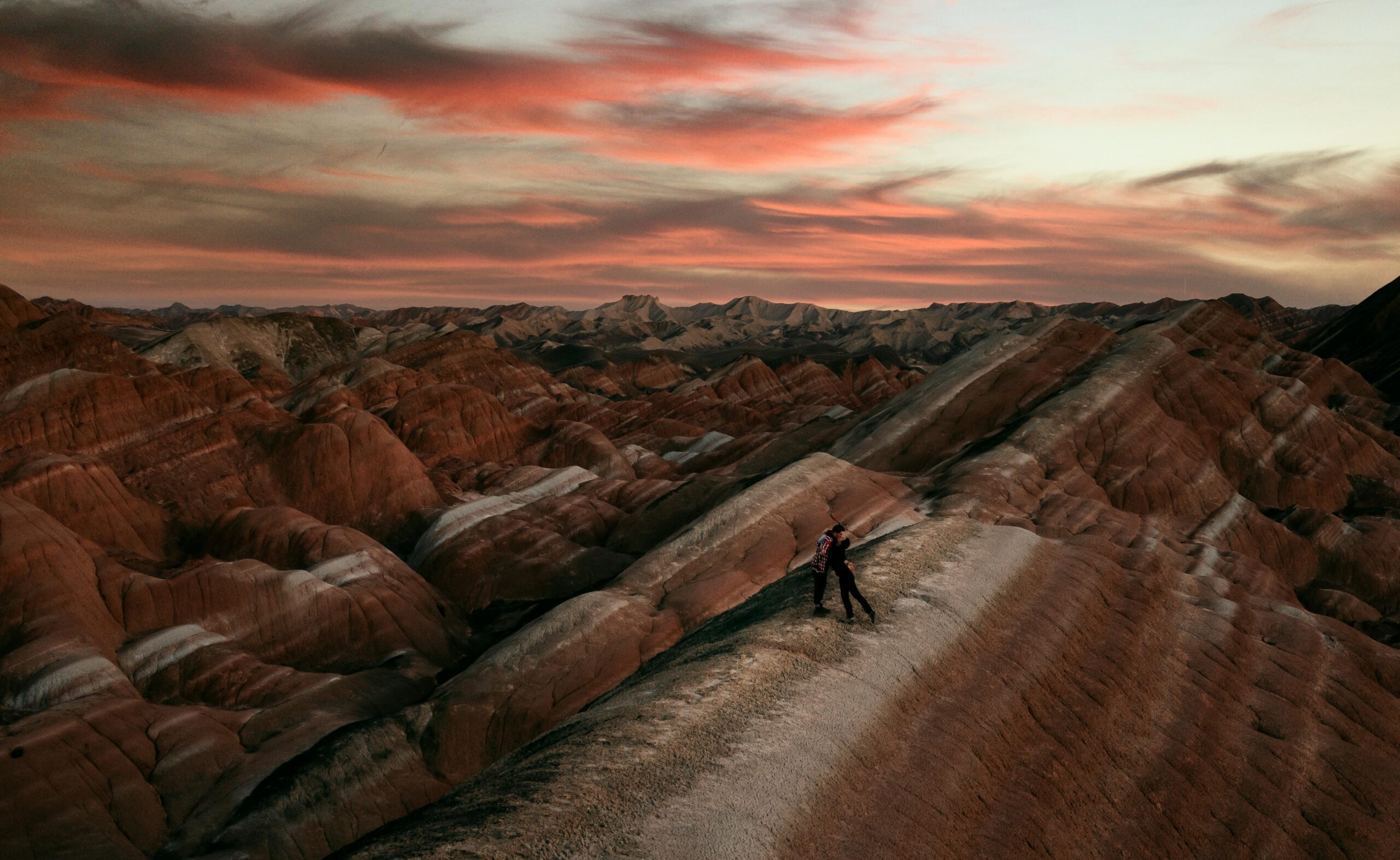
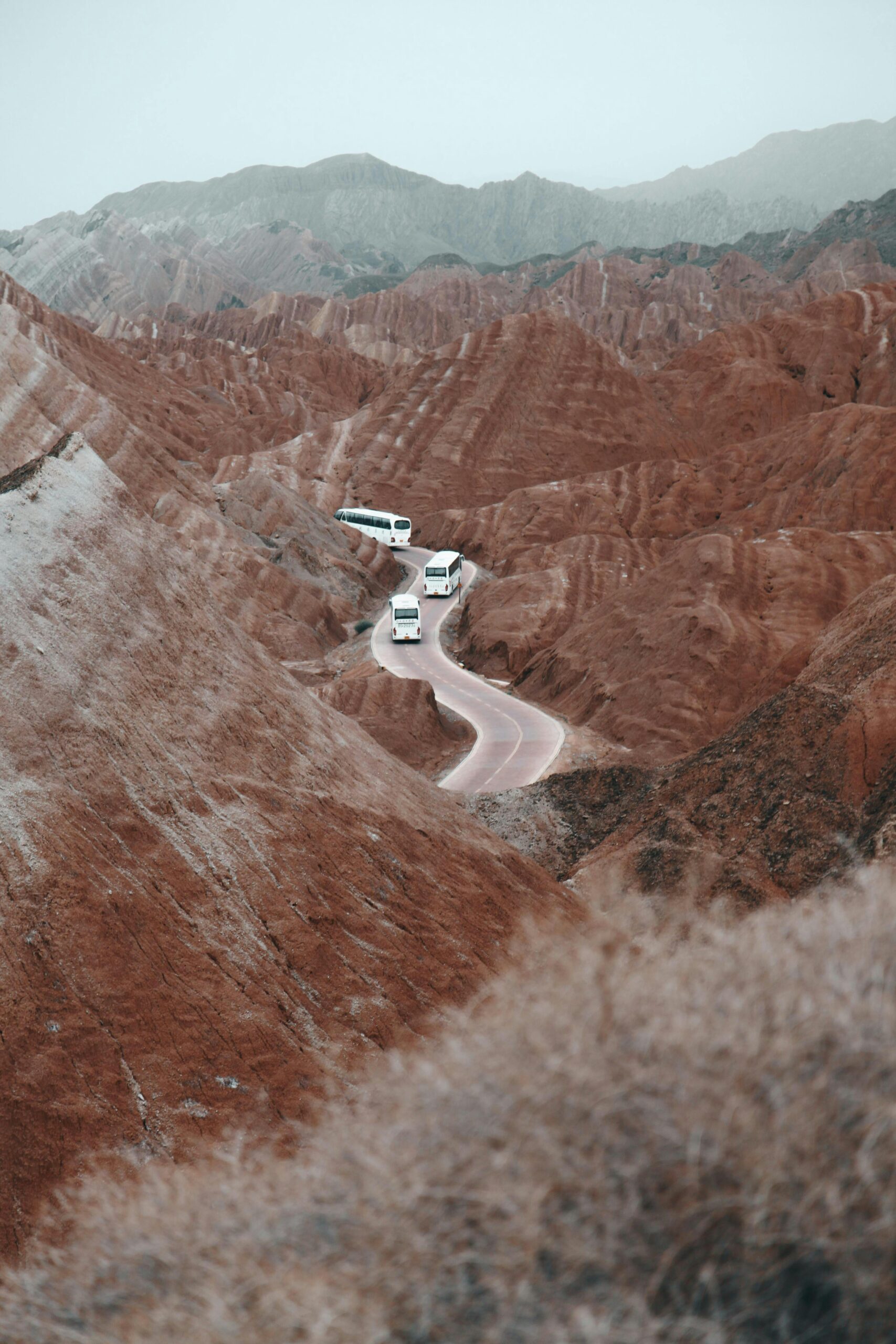
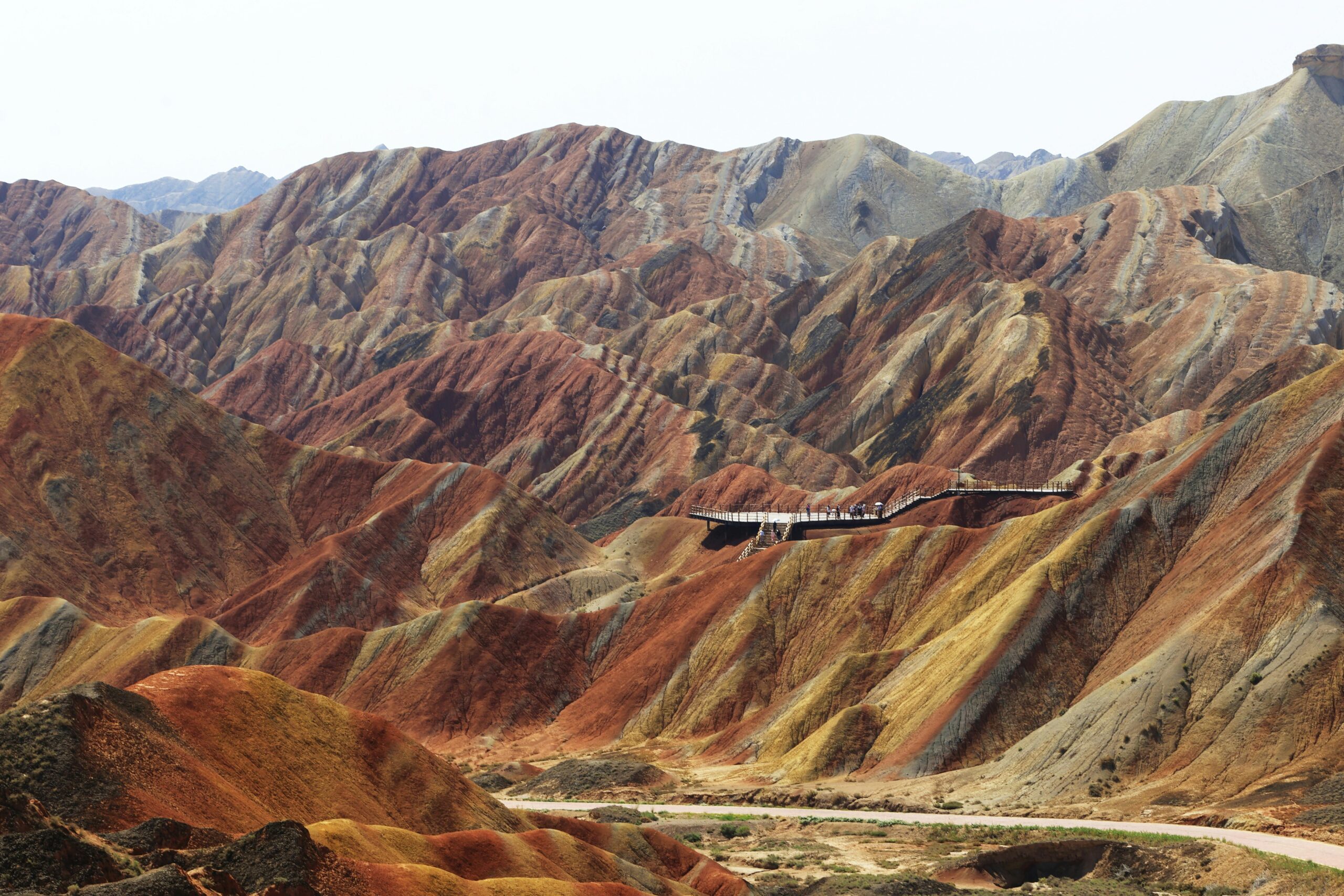
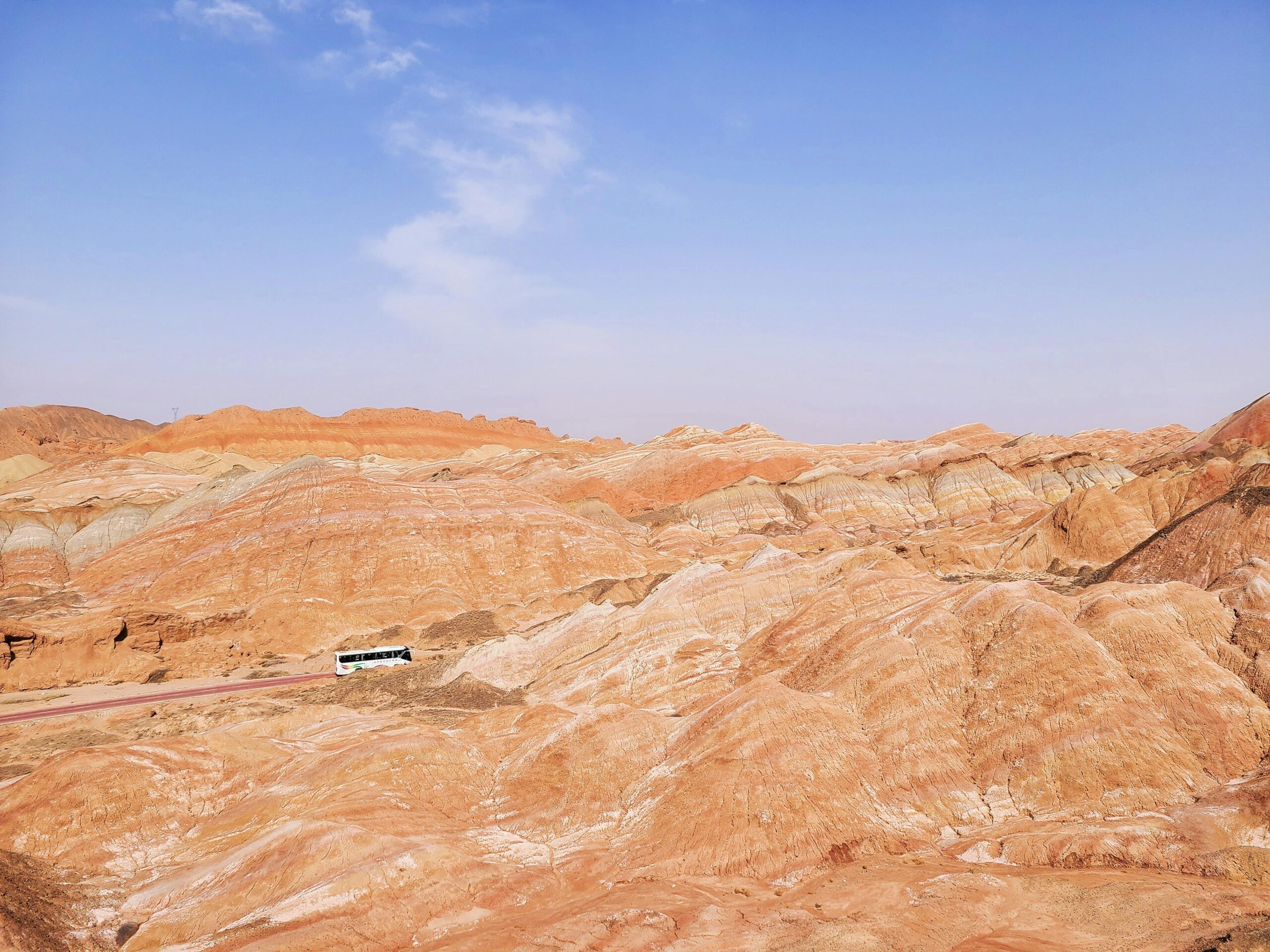
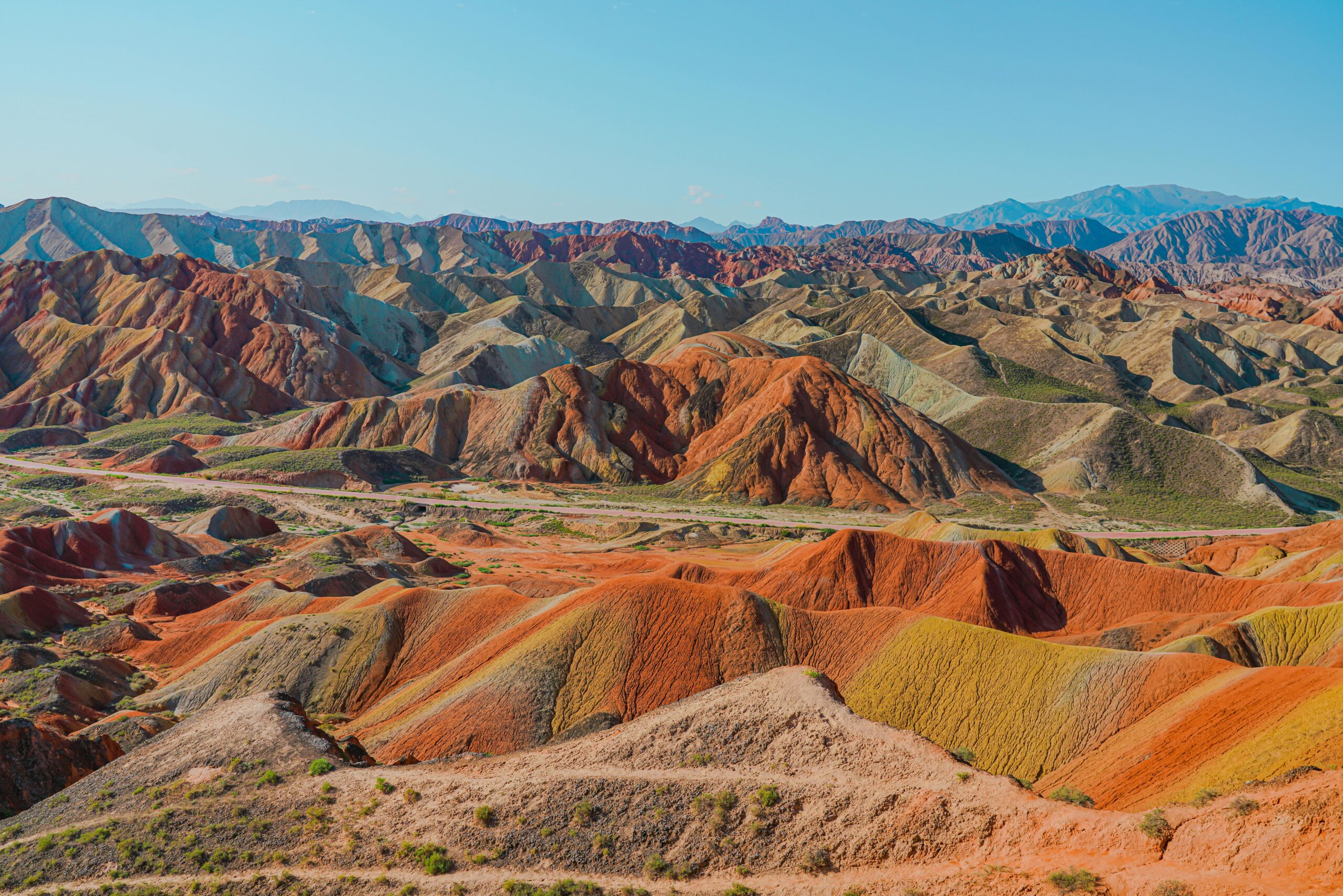
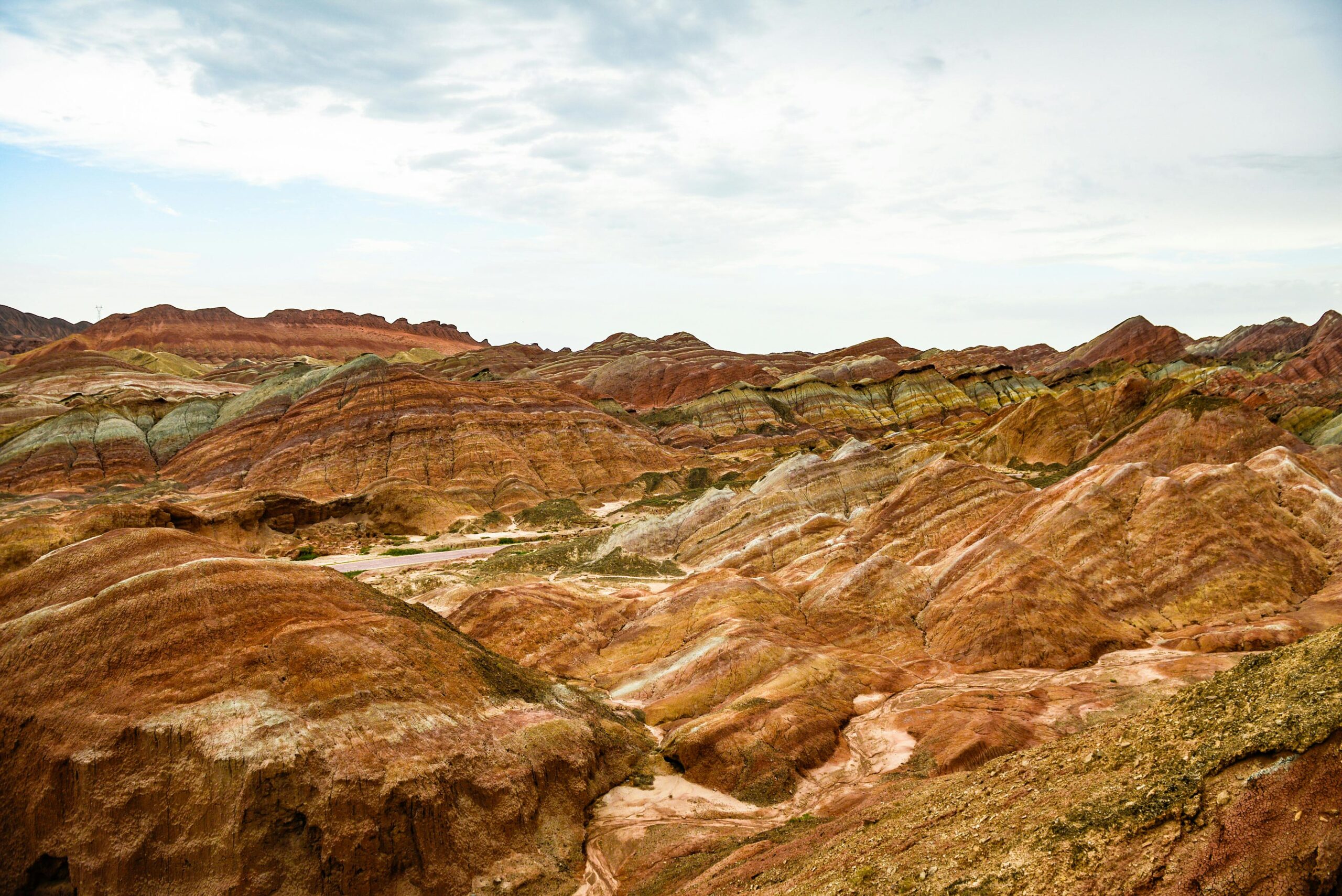
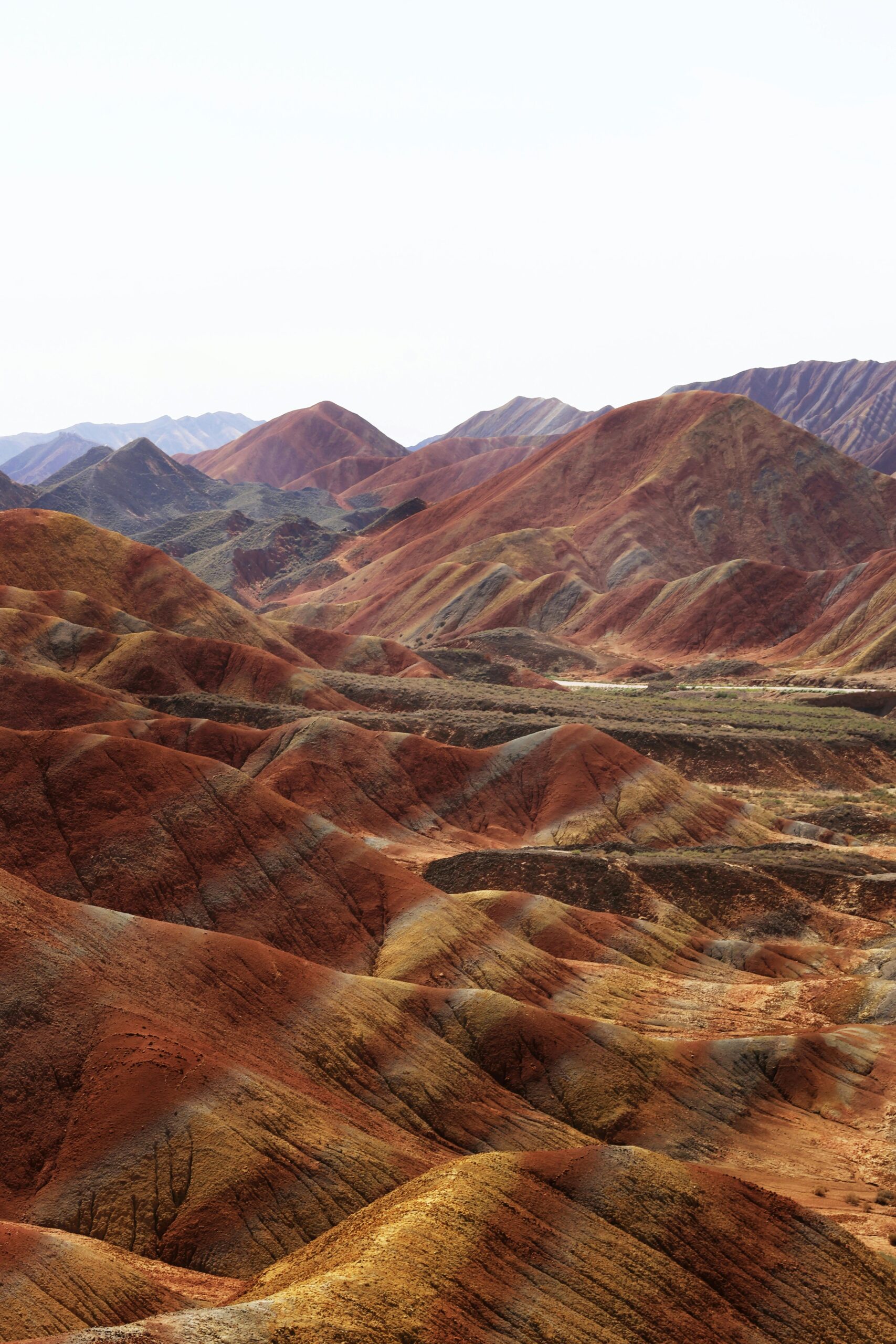
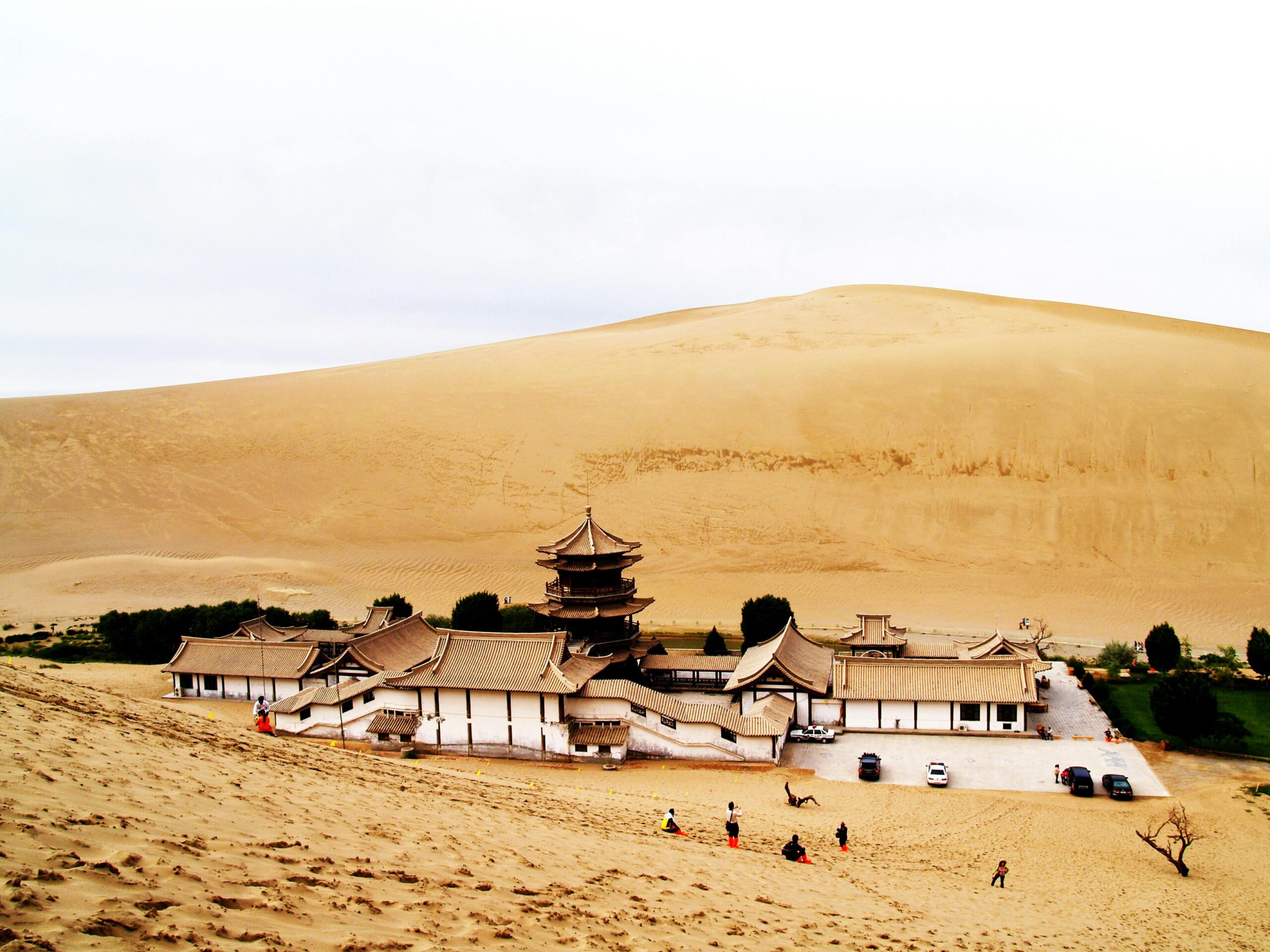
  • Desert landscapes, multicolored rock formations and high passes.
  • Oasis towns with buzzing bazaars and strong Central Asian influences.
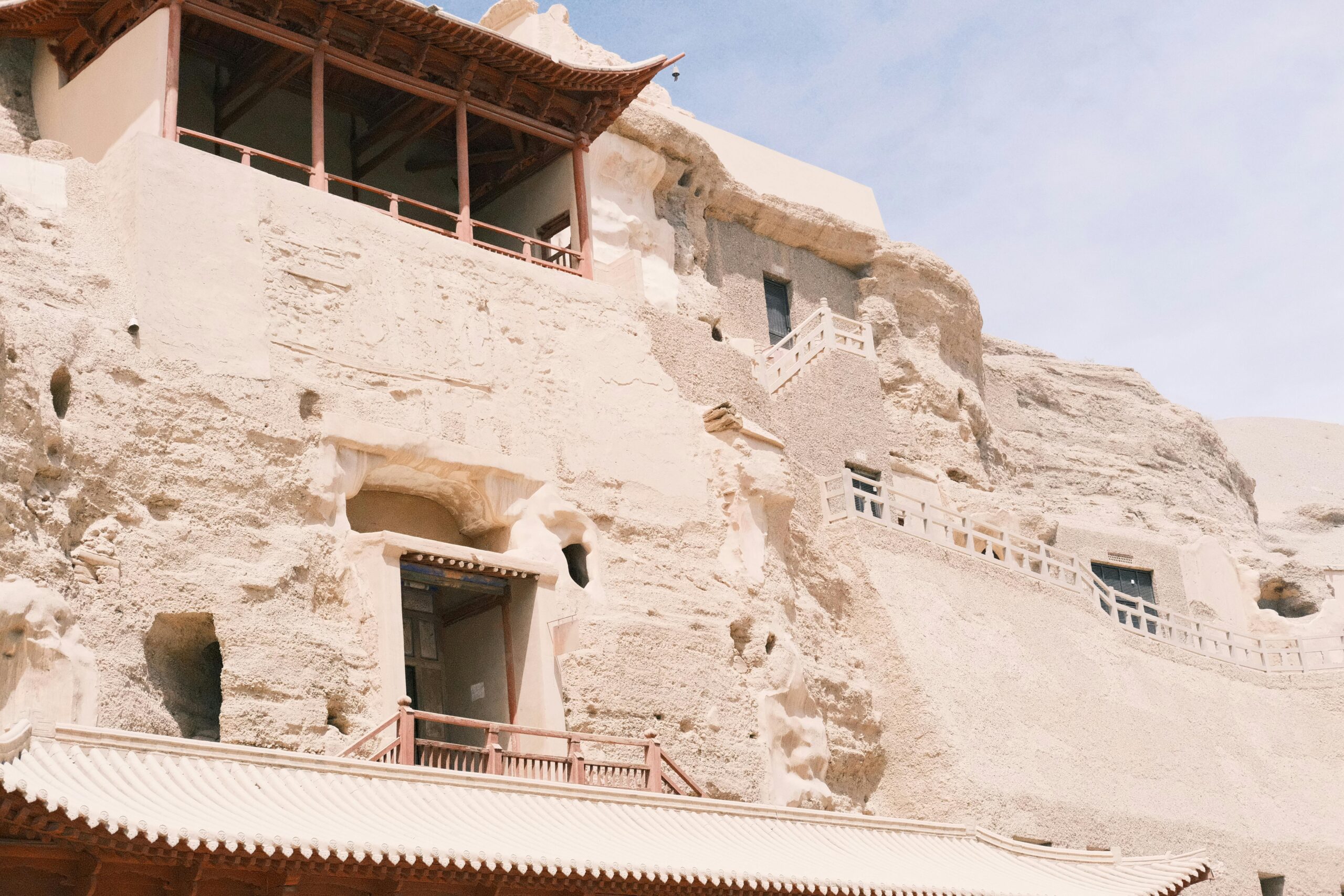
  • Buddhist cave temples and ancient ruins hidden in cliffs and dunes.

Suggested experiences

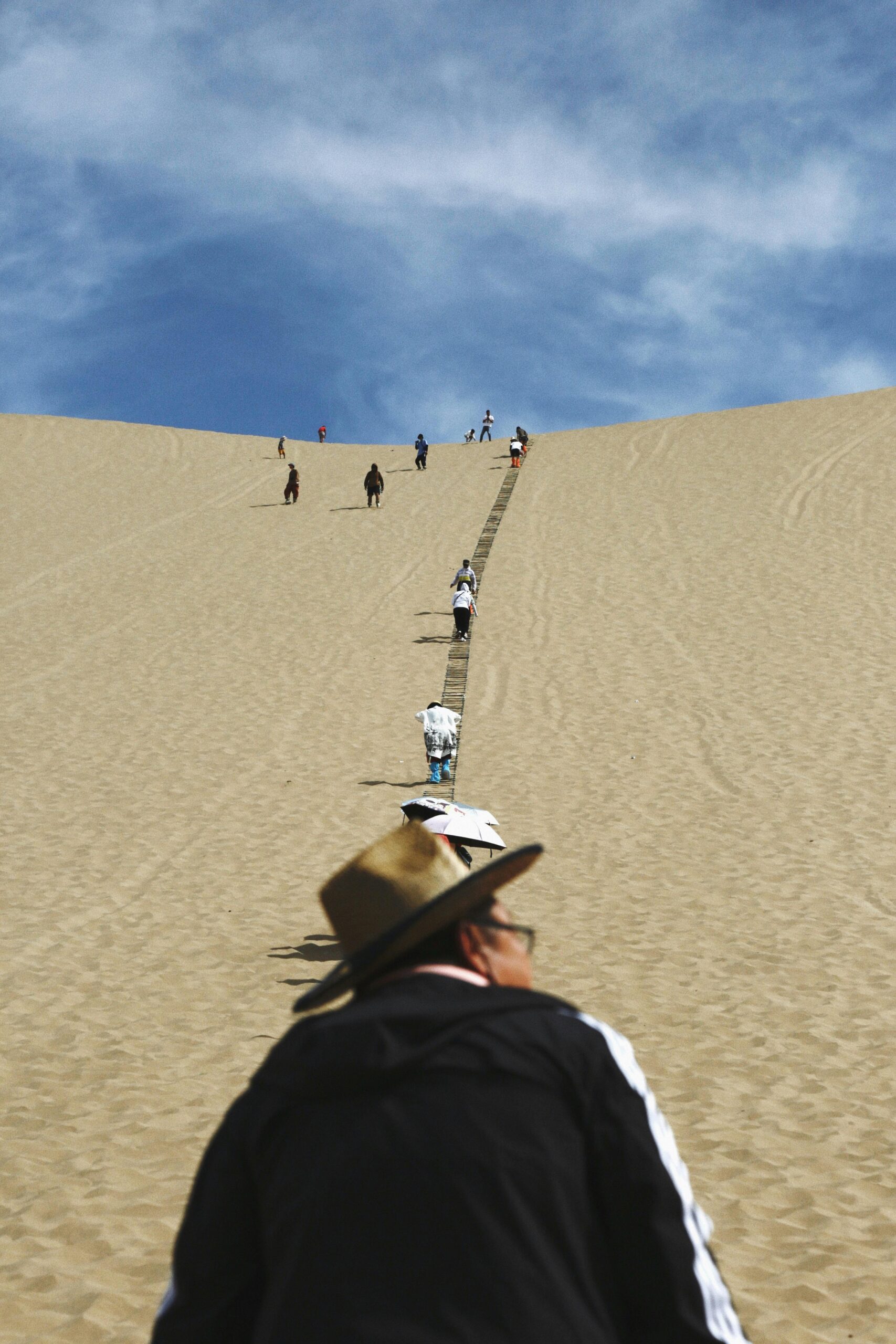
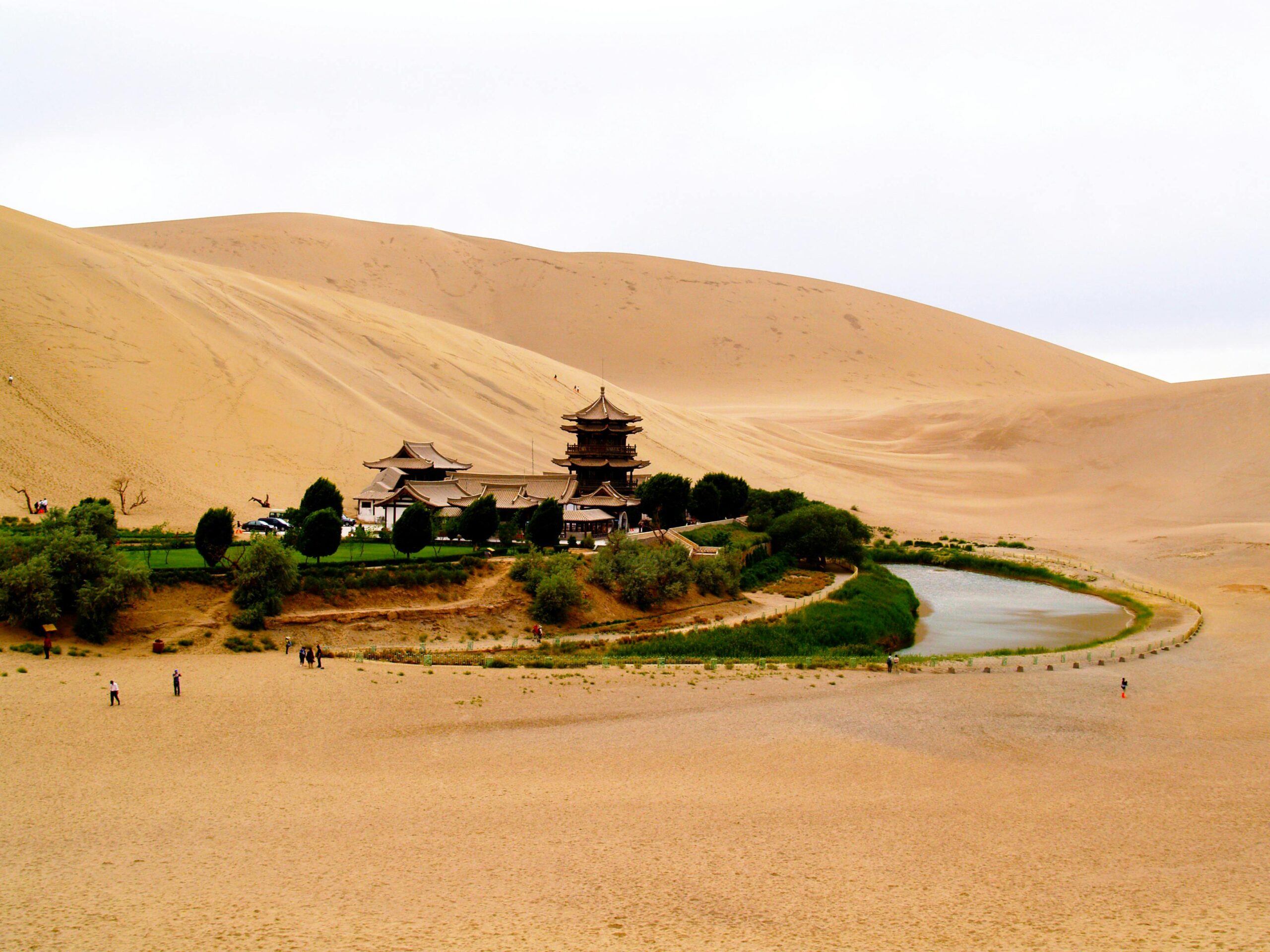
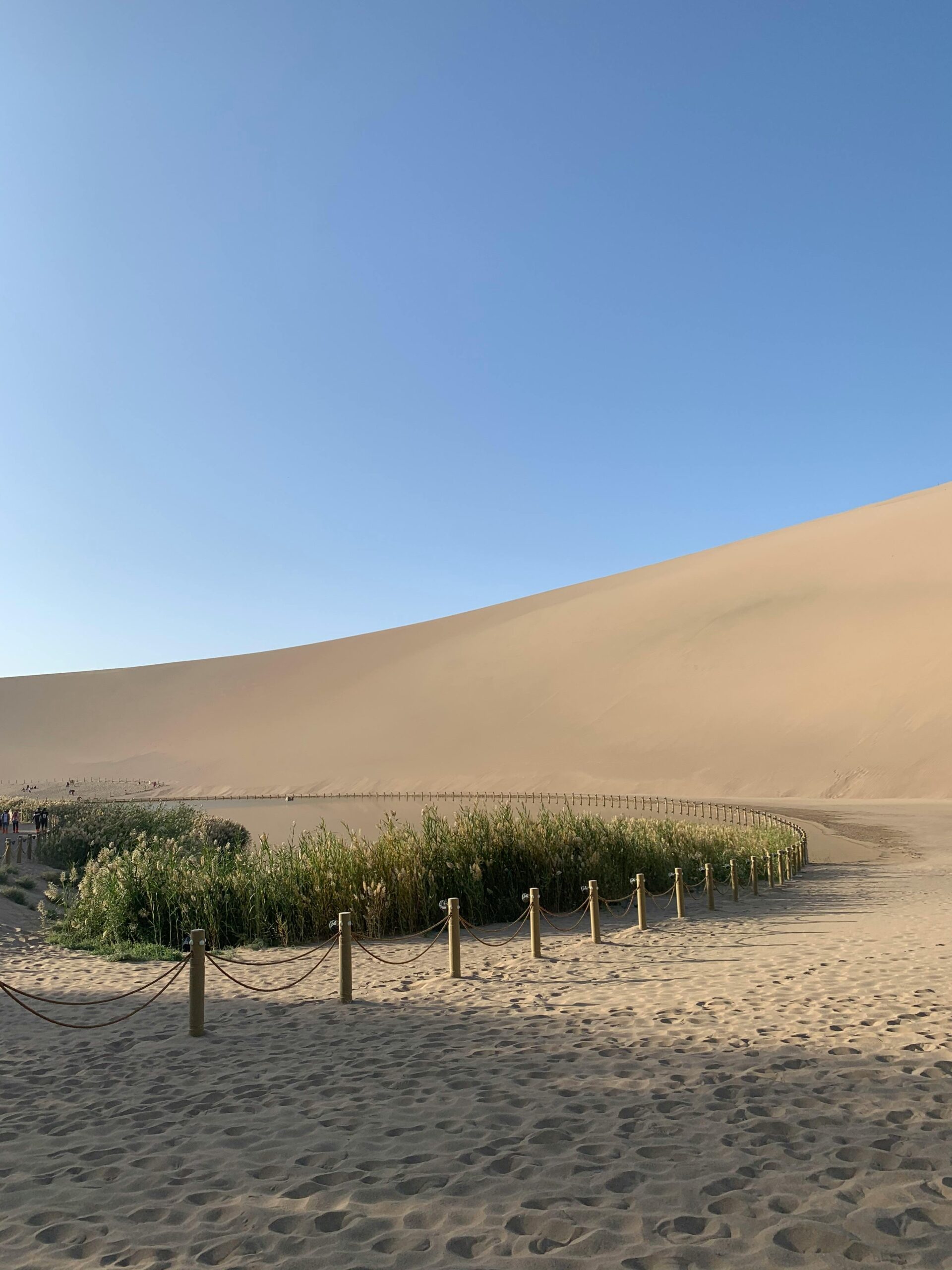
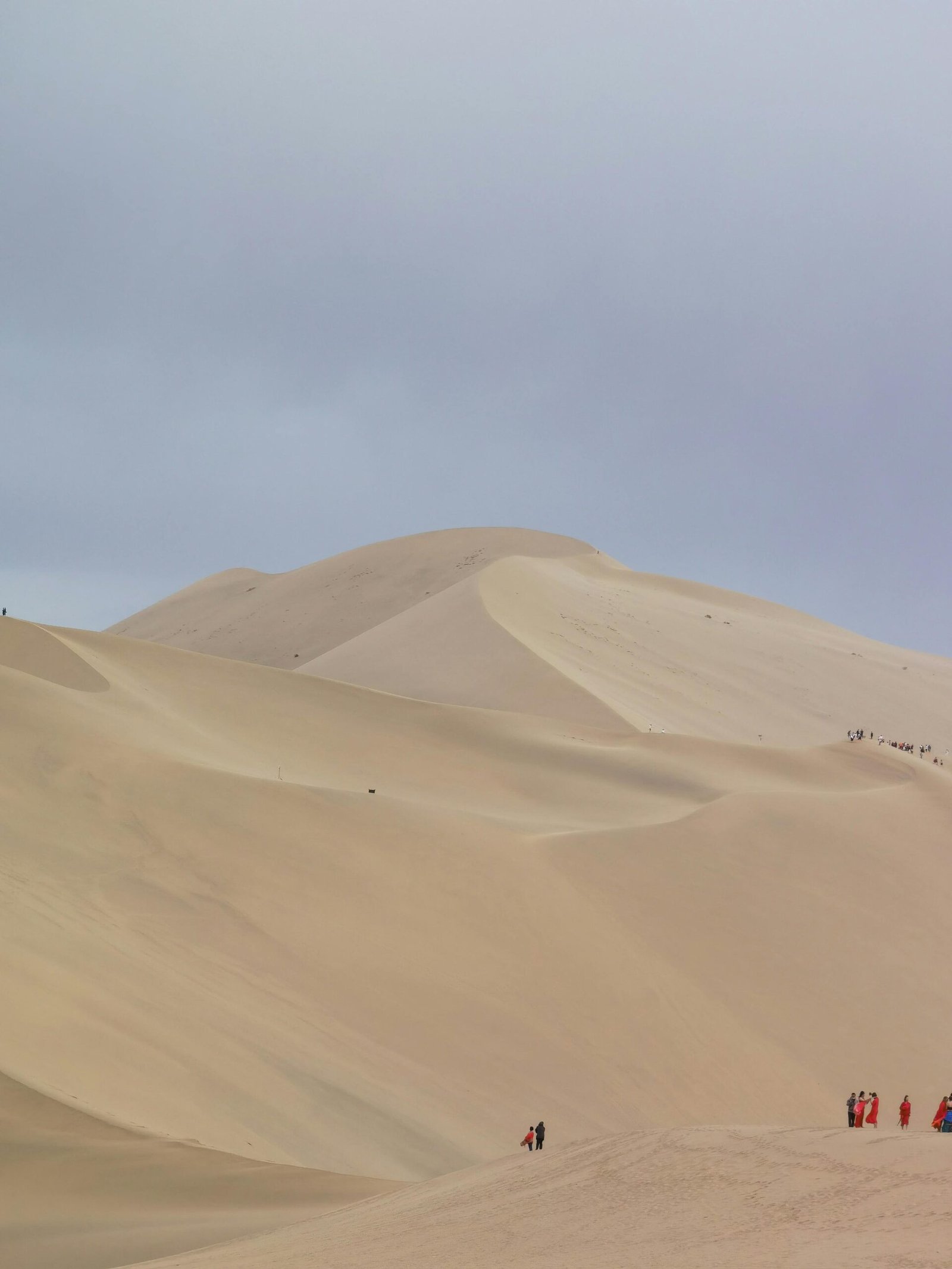
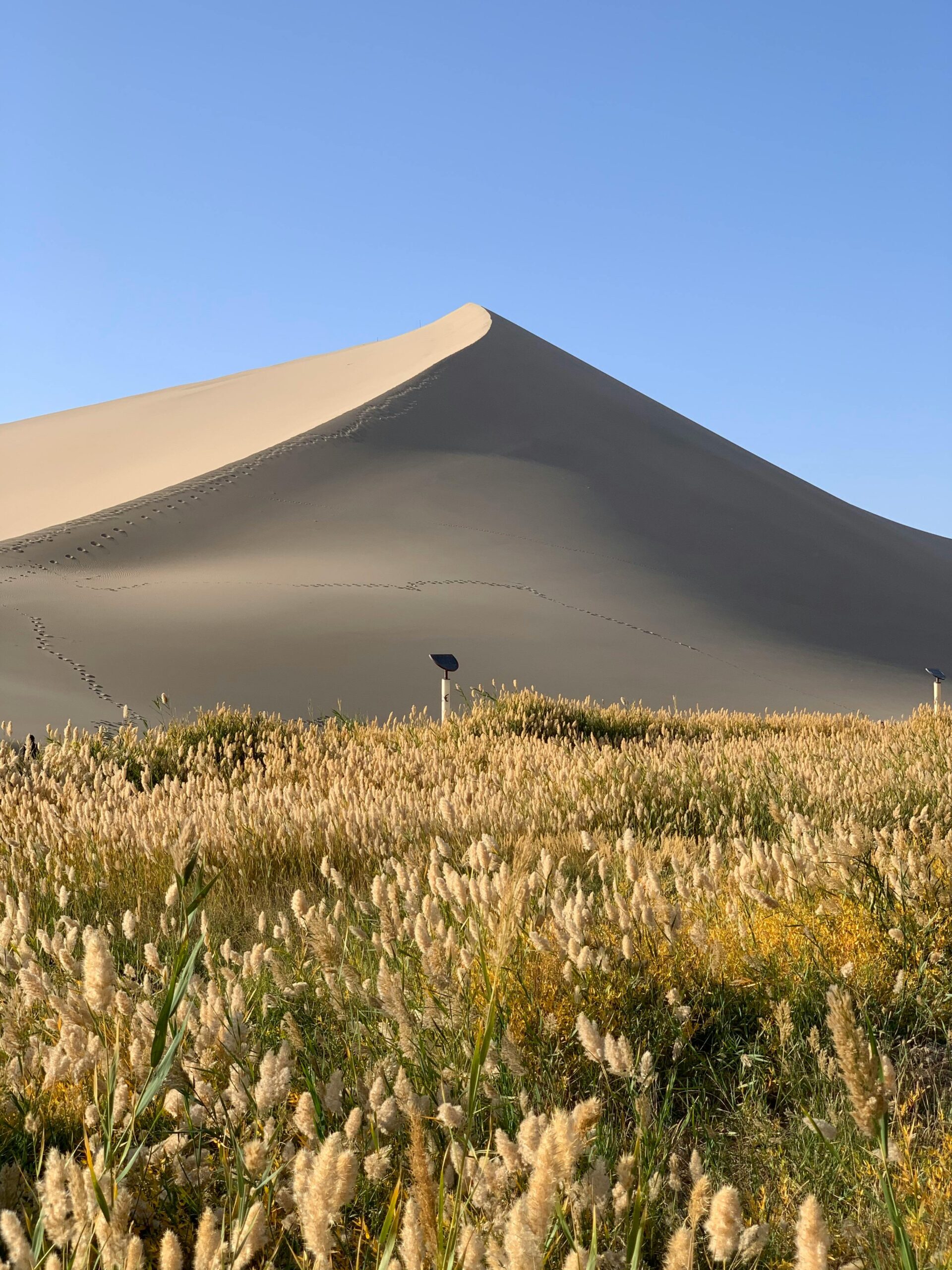
  • Explore Dunhuang’s sand dunes and the Mogao Caves, with their paintings and Buddhist art.
  • Wander through bazaars in cities like Turpan or Kashgar, sampling dried fruits, spices and local breads.
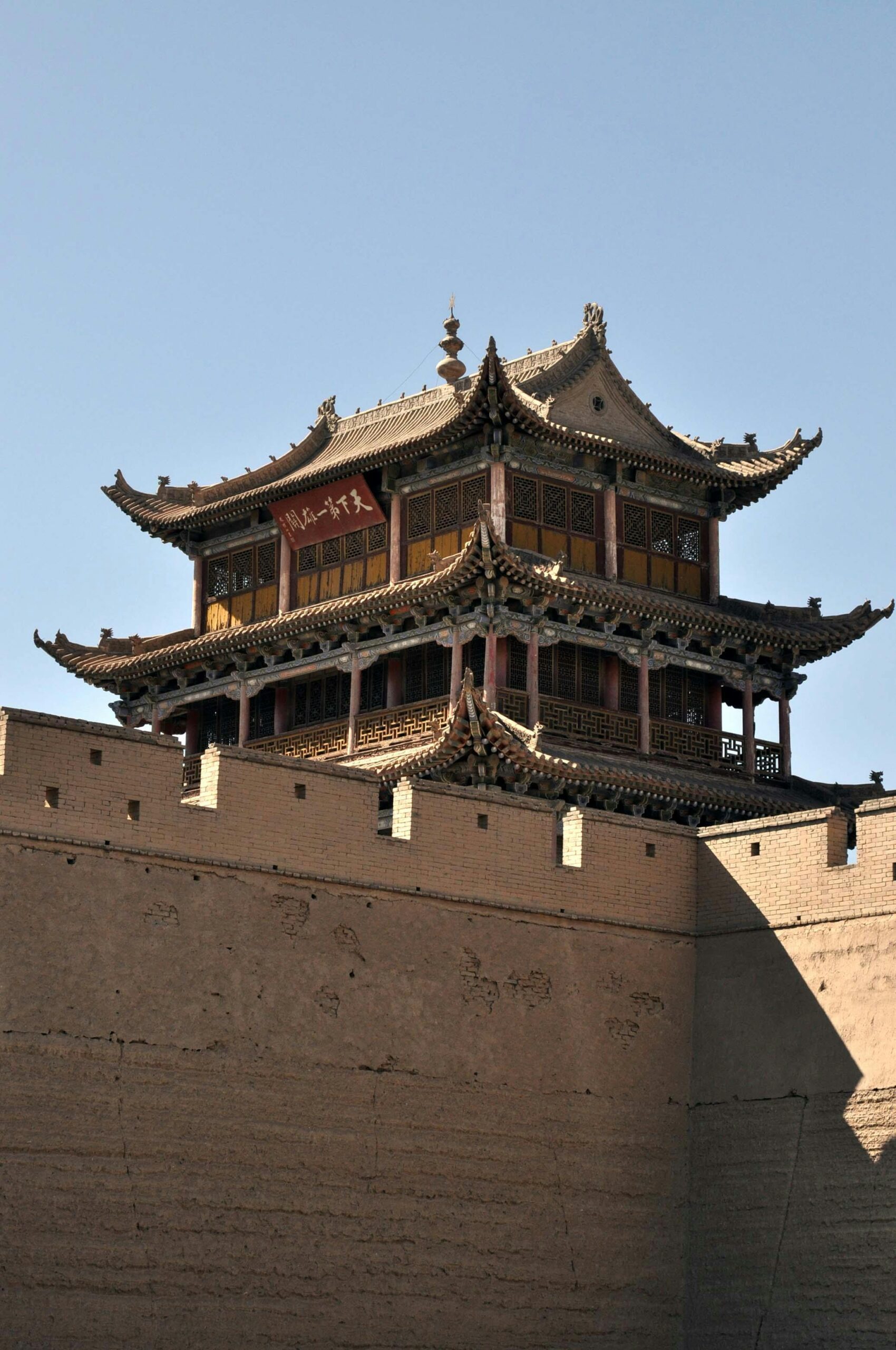
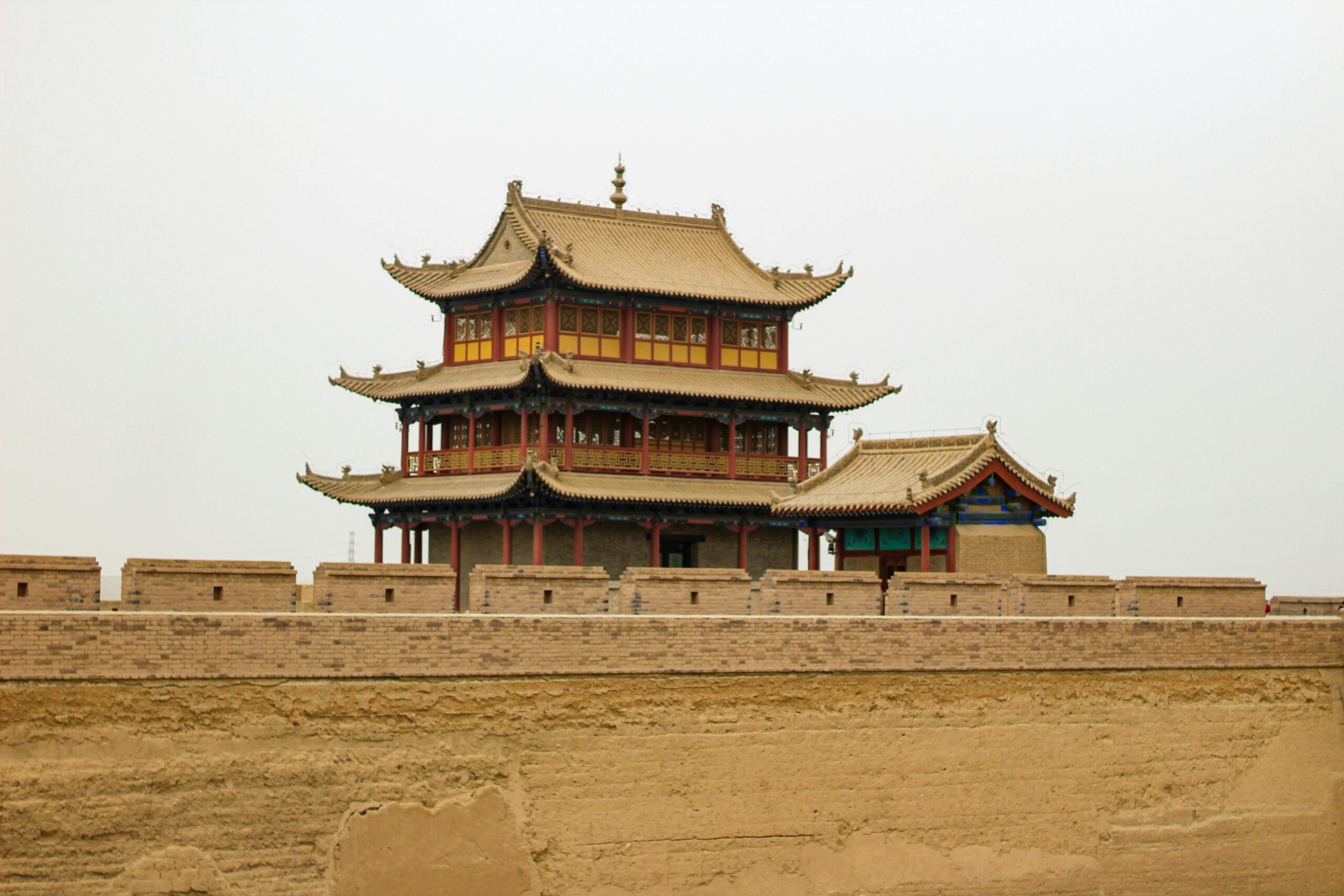
  • Visit sections of the Great Wall and frontier forts far away from the classic Beijing crowds.

How to visit on a guided tour

Silk Road trips are typically:

  • 7–10 days or more, combining several cities and long distances.
  • Easier with a guide who can navigate both language and regional regulations.
  • More rewarding when you have local context for each archaeological and religious site.

How to Build an Itinerary with These Unusual Places (10–14 Days)

It’s one thing to list unusual places in China; it’s another to fit them into a manageable itinerary. Here are two sample routes you can use as a starting point and then customize with YellowBirdTour.

Sample Itinerary 1: Nature & Pandas (10 Days)

Perfect for: nature lovers, photographers, couples or families who enjoy scenic walks but don’t want extreme trekking.

  • Days 1–3: Chengdu
    • Day 1: Arrive, relax, evening food walk.
    • Day 2: Morning at a panda base, afternoon at a teahouse and historic streets.
    • Day 3: Optional day trip to Leshan Giant Buddha.
  • Days 4–7: Zhangjiajie
    • Day 4: Travel to Zhangjiajie, settle in.
    • Days 5–6: Zhangjiajie National Forest Park – pillar forests, quiet trails, viewpoints.
    • Day 7: Tianmen Mountain & Glass Bridge.
  • Days 8–10: Guilin & Yangshuo
    • Day 8: Travel to Guilin/Yangshuo.
    • Day 9: River cruise or bamboo rafting, village visits.
    • Day 10: Cycling, viewpoint hike, departure.

A local agency can fine‑tune the order and transport (flights, trains, private transfers) to minimize backtracking and take advantage of high‑speed rail where possible.

Sample Itinerary 2: Ancient Cities & Hidden Towns (12–14 Days)

Perfect for: travelers interested in history, slower travel, and more traditional urban landscapes.

  • Days 1–3: Beijing (highlight only)
    • Focus on key sites (Forbidden City, Great Wall) without going too deep, so you don’t overlap too much with more general Beijing guides.
  • Days 4–6: Pingyao Ancient City
    • Arrive by high‑speed train.
    • Explore the walled town, merchant houses and temples at a relaxed pace.
  • Days 7–10: Xi’an
    • Terracotta Army, city wall cycling and Muslim Quarter.
    • Add time for local markets and neighborhood walks.
  • Days 11–14: Gulangyu Island or Yunnan
    • Option A: Fly to Xiamen, spend 1–2 days on car‑free Gulangyu.
    • Option B: Fly to Yunnan (Lijiang/Dali) for 3–4 days in ancient towns and minority villages.

Again, tailoring these itineraries to your dates, pace and interests is where a custom trip becomes invaluable.

Practical Tips for Visiting Unusual Places in China

  • Best time to go
    • Avoid major national holidays like the October Golden Week and Chinese New Year, when even remote places can be crowded.
    • Check local weather and agricultural calendars (e.g., for rice terrace planting or flooding seasons).
  • Transport
    • Use high‑speed trains for long‑distance jumps when possible.
    • Rely on private transfers in rural and mountainous regions for flexibility and comfort.
  • Language and logistics
    • English is limited in many off‑the‑beaten‑path areas; guides are very helpful for everything from ordering food to buying tickets.
    • Some attractions (e.g., Tibetan regions, Silk Road sites) have complex permit or ticketing procedures.
  • Health and safety
    • Plan in extra time if you’re visiting high‑altitude regions like Tibet or parts of Yunnan.
    • Pack layers: mountain weather can shift rapidly, even in warmer months.

How YellowBirdTour Can Help You Explore China’s Hidden Side

Planning an itinerary with multiple unusual destinations across China can quickly turn into a full‑time research project. That’s where a local, experienced tour operator comes in.

YellowBirdTour:

  • Has over 15 years of experience arranging trips across China and Asia.
  • Offers destination‑specific guides and tours, such as dedicated content for Fenghuang and Zhangjiajie, and Yunnan rice terraces.
  • Specializes in custom itineraries, including educational and group trips, as well as private journeys,.

Tell uswhich of these unusual places caught your eye — Zhangjiajie’s Avatar peaks, Yunnan’s rice terraces, Gulangyu’s colonial streets, Silk Road towns or Tibetan monasteries — and we’ll help you turn them into a realistic, well‑paced itinerary that fits your timing, budget and travel style.

Explore the World with YellowbirdTour! Share this page with friends and fellow adventurers eager to discover new and exciting tours across Asia and beyond

WhatsApp
Facebook
Telegram
Reddit
Email
X
LinkedIn
Pinterest
Tumblr

Other blogs

// width=
Need help? Our expert support is available for all your tour and booking needs. Message us on WhatsApp for instant travel support.