Is it Safe to Travel to China? Safety Guide, Alerts & Top Tours

Is It Safe To Travel To China? Safety Guide, Alerts & Top Tours

Table of Contents

Is it safe to travel to China right now?  China is generally a safe destination for tourists in day-to-day terms (low violent crime in most tourist areas), but “safe” depends on what kind of traveler you are and what you’re doing: city travel (Beijing/Shanghai) is different from remote regions, and flying vs overland planning changes your risk profile.

In this updated guide, we answer the exact questions people are searching:

  • Is China safe to visit and is China safe to travel in 2026?
  • Is it safe to go to China right now if you’re American?
  • Is it safe to fly to China right now (and what to check before you fly)?
  • Is Beijing safe to visit and is Shanghai safe to visit?


Here’s your updated guide, including official travel advisories, health guidelines, and the best way to explore the country with YellowBird Tour.


Is China safe to visit in 2026? (What most tourists experience)

For most visitors, is China safe to visit in 2026 has a simple answer: yes, especially on classic routes (Beijing–Xi’an–Shanghai, Guilin/Yangshuo, Chengdu, etc.). Serious crime against foreign visitors is generally uncommon, but that doesn’t mean you can switch your brain off.

What most tourists actually experience in China tends to fall into 4 buckets:

  1. Everyday safety is usually fine in big cities
    You’ll likely feel comfortable walking in central areas, using metro systems, and sightseeing. The “safety” issues are rarely violent-crime related for typical tourists.
  2. Crowds + tourist hotspots = petty theft risk
    The most realistic “crime” scenario is simple: crowded markets, major attractions, and transit hubs. Keep your phone and passport secure, use a crossbody bag, and don’t leave valuables in open backpacks.
  3. Logistics can feel like the real challenge
    A lot of travelers confuse “logistics friction” with “unsafe”. The common pain points are:
  1. Tourist-targeted scams exist (mainly where tourists concentrate)
    The most common pattern is being approached near famous sights with a friendly invitation that turns into an overpriced bill or a pressured purchase. The best defense is boring but effective: politely decline, keep walking, and book experiences through reputable operators.

If you want an official baseline for “China safe to visit / China safe to travel” for your nationality, check:

Is it safe to travel to China right now? (March 23, 2026 update)

Is it safe to travel to China right now? As of March 23, 2026, for most tourists on classic itineraries, it’s generally safe—but “right now” is really about planning around real-world variables: seasonality, crowds, and making sure your trip doesn’t get derailed by avoidable problems.

1) Weather/seasonality (what changes “right now”)

Late winter / early spring travel can mean:

  • Big temperature swings (especially in the north)
  • More comfortable sightseeing in some cities (fewer summer crowds)
  • In some scenic regions, weather can impact visibility and outdoor comfort

The safety angle here isn’t dramatic—it’s practical: dress right, plan flexible days for outdoor scenery, and don’t push aggressive schedules if weather slows transport.

2) Big events + holiday travel = crowded transport (and stressed travelers)

China’s long public holidays can massively increase crowds and prices. The “risk” isn’t danger—it’s:

  • Packed trains
  • Long queues at top attractions
  • Higher chance of petty theft simply because of density

If you must travel during peak dates, book trains/hotels early and keep your itinerary simple.

3) The practical “right now” checklist (this prevents 90% of problems)

If your reader only does one thing, make it this checklist:

  • Passport validity checked
  • Visa/entry requirements confirmed for their nationality (rules change; don’t rely on old blog posts)
  • Save your hotel name + address in Chinese (screenshot it)
  • Connectivity plan: SIM/eSIM roaming, so you can use maps, translation, ride-hailing
  • Payment plan: set up Alipay/WeChat Pay + carry some cash backup
  • Travel insurance purchased
  • Read the latest official travel advice before departure (US/UK links above)

This is what “right now” safety looks like in real life: fewer surprises, fewer stressful moments, fewer “we’re stuck at the station” stories.

Is it safe for Americans to travel to China right now? (What to know + how to reduce risk)

Is it safe for Americans to travel to China right now? Many Americans travel in China without issues, especially on standard tourist routes. The most important thing is to travel in a way that avoids avoidable complications.

Common concerns for Americans (and how to reduce risk)

  1. Follow local laws and avoid unnecessary friction
    China’s legal environment is different from the US. The safest travel style is “low drama”:
  • Don’t get into arguments with strangers
  • Avoid anything that looks like a protest/demonstration
  • Be careful with sensitive discussions in public settings
  1. Keep documents secure and accessible
  • Carry your passport safely (hotel safe when possible; otherwise keep it on you)
  • Keep digital copies of passport + visa + travel insurance
  • Have your accommodation details saved offline
  1. Use reputable hotels and transport
  • Use official taxis/ride-hailing pickup points
  • Avoid unlicensed “guides” who approach you in tourist zones
  • Don’t follow strangers to “special tea houses / art shows / bars” near landmarks
  1. Have consular contact info + travel insurance ready
    This isn’t because China is “unsafe”—it’s because it makes you resilient if something goes wrong (lost passport, medical issue, etc.).


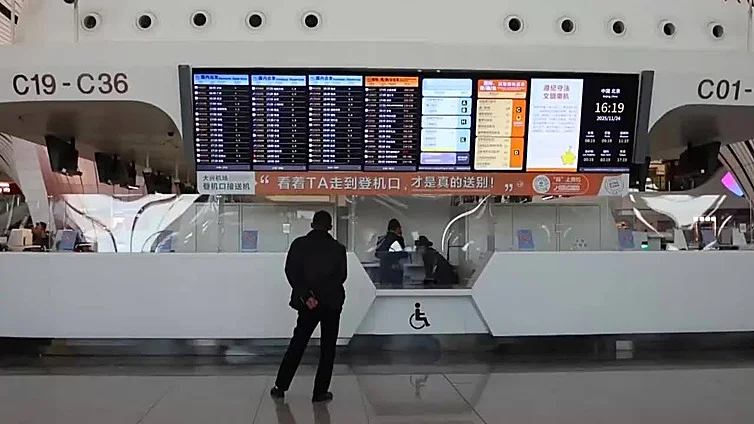
Is it safe to fly to China right now? (Airports, entry, and common pitfalls)


Cheap Flights To Asia In 2026 : How To Pay Less, Avoid Disruptions, And Build A Smarter Route


Is it safe to fly to China right now? From an aviation safety standpoint, flying to China is generally safe. What’s changed in the current travel landscape (March 2026) is less about “the plane is unsafe” and more about routing, disruptions, and cost—especially on Europe–Asia itineraries that normally rely on Middle East hubs.

Over the past weeks, there have been reports that Asia–Europe airfares surged after key Gulf airport closures, with airlines rerouting passengers and capacity tightening on certain corridors. Major media have also described how Middle East airspace closures forced long-haul reroutes, increasing fuel costs and causing knock-on delays and cancellations. In short: flights may be safe, but they can be longer, more expensive, and more disruption-prone right now depending on your origin and transit points.

If you’re planning flights to China, this guide helps you cut costs and reduce disruption risk: cheap flights to Asia in 2026.

What “right now” means for flights to China (March 2026)

Here’s what travelers should realistically plan for:

  • Some routes may be suspended or rerouted
    If your itinerary transits through affected Middle East hubs/airspace, you may see schedule changes, detours, or last-minute rebooking.
  • Higher prices on certain long-haul routes
    Reuters reported that ticket prices on Asia–Europe routes soared after the closure of key Middle Eastern hubs. That can indirectly impact flights to China too—especially if you typically route via the Gulf.
  • Longer travel time + bigger jet lag
    Reroutes can add hours. That’s not a safety problem, but it becomes a health/comfort issue (fatigue, missed connections, rough arrival day).

Common pitfalls when flying to China (and how to avoid them)

These are the mistakes that cause the most stress for tourists—especially when routes are volatile.

  1. Booking connections that are too tight
    If schedules are shifting, tight connections are where trips die. Give yourself buffer time, especially if you have to change terminals or clear security again.
  2. Choosing a transit route that’s vulnerable “right now”
    If you have options, consider routings that avoid the most disrupted transit zones. Some airlines are reportedly boosting direct flights as passengers avoid Middle East connections.
  3. Arriving late at night without a plan
    Even in safe cities, late-night arrivals + fatigue + language barrier = bad decisions. Pre-book your airport transfer or use the official taxi/ride-hailing pickup zones.
  4. Not preparing for “first 2 hours in China” logistics
    Have these ready before landing:
  • Hotel name + address in Chinese (screenshot)
  • SIM/eSIM plan so you can use maps/translation
  • Payment plan (Alipay/WeChat Pay setup + some cash backup)
  • A printed or offline copy of key bookings (in case Wi‑Fi is shaky)
  1. Assuming “flight is the hard part”
    The flight is usually fine. The real friction is the landing sequence: immigration flow, getting online, getting transport, and paying for basics.

Quick checklist before you fly

  • Reconfirm your flight(s) 24–48 hours before departure (and again on travel day)
  • Avoid ultra-tight connections
  • Keep essentials in carry-on (meds, charger, one day of clothing)
  • Save your hotel details offline
  • Check your government’s latest China travel advisory before departure.


Is Beijing safe to visit? (What tourists should watch for)


4 Days Beijing Classic Tour

Is Beijing safe to visit? For most travelers, yes—Beijing is generally safe and well-policed in tourist areas. The “watch-outs” are mostly the classic big-city stuff: crowds, petty scams, and not getting talked into something you didn’t plan to buy.

1) Tourist-area scams (thetea house / art student / friendly English chat套路)

The most common scam pattern in Beijing is simple:

  • You’re near a major sight (busy pedestrian areas, famous landmarks, shopping streets).
  • Someone friendly starts chatting in English and invites you for tea, atraditional ceremony”, an art gallery visit, or a quick drink.
  • You get presented with a wildly inflated bill and pressure to pay.

How to avoid it without being rude:

  • Use a default line:No thanks, we have plans and keep walking.
  • Don’t follow strangers to a second location, even if they seem polite.
  • If you do sit down somewhere, ask for the menu with prices first and confirm total cost.

2) Subway crowds + pickpocket common sense

Beijing’s subway is safe, fast, and usually the best way to get around—but crowds are where tourists get sloppy.

  • Keep your phone and wallet out of back pockets.
  • Use a crossbody bag and keep it in front of you in packed trains.
  • If you’re carrying your passport, keep it in an inside pocket and don’t flash it around.

3) Taxis, ride-hailing, andwrong car mistakes

Beijing is not a place where you want to guess your transport at night.

  • Use official taxi lines at airports/stations.
  • If you use ride-hailing, match the plate number before getting in.
  • Avoid randomtaxi offers from people approaching you inside terminals.

4) Solo travel in Beijing

Solo travel is generally fine with basic precautions:

  • Stay in well-connected areas.
  • Keep a screenshot of your hotel name/address in Chinese for taxi/locals.
  • Avoid late-night wandering in unfamiliar backstreets (not because it’s “dangerous”, but because it’s easy to get lost and stressed).


Is Shanghai safe to visit? (Solo travelers, nightlife, and transport)


4 Days Shanghai City Tour


Is Shanghai safe to visit? Generally, yes—Shanghai is one of China’s most international, tourist-friendly cities. It’s modern, easy to navigate, and used to foreign visitors. Your main safety focus is not violent crime; it’s nightlife awareness, scams in tourist-heavy zones, and practical transport/payment readiness.

1) Nightlife safety (simple rules that actually work)

Shanghai has great bars and nightlife areas. To keep it smooth:

  • Watch your drink (standard rule everywhere).
  • Don’t accept “we know a special place” invites from strangers on the street—those can lead to overpriced bills.
  • If you’re out late, use official taxis/ride-hailing instead of walking long distances.

2) Tourist-heavy areas: inflated prices vs actual scams

In super central areas, you’ll see:

  • Normal price inflation (tourist pricing)
  • Occasionally, setups where you’re steered into a venue with unclear pricing

How to avoid it:

  • Choose places with clearly displayed menus/prices.
  • Pay attention to what you order and confirm prices if something feels vague.
  • If a venue feels pushy, leave early—don’t wait for the bill surprise.

3) Transport: super safe, but don’t improvise at 1 a.m.

Shanghai’s metro is excellent; crowds happen at rush hour.

  • Same pickpocket common sense as any major city.
  • For late-night returns, ride-hailing is usually easier than metro closures/last trains.

4) Solo travel in Shanghai

Shanghai is a strong solo-travel city:

  • Lots of safe, walkable central areas
  • Easy navigation with maps (as long as you have connectivity)
  • Just keep your plan simple at night and don’t follow strangers to unknown venues.


China safe to travel: the real risks (not the myths)


Is It Safe To Travel To China? Safety Guide, Alerts & Top Tours


  • petty scams (photo/tea/art “invitation”)
  • payment friction (WeChat/Alipay)
  • health: air quality in some seasons, food/water common sense
  • natural risks: mountains/trekking vs city travel

Safety tips that make your trip smoother (and safer)

  • copy of passport + emergency contacts
  • use a VPN (si lo mencionas, sin prometer que “funciona siempre”)
  • money: don’t rely only on cards (link al post “How to pay in China as a foreigner 2026”)
  • avoid unlicensed “guides” in tourist zones
  • keep hotel card with address in Chinese


How Safe Is China for Tourists in 2026?


Is It Safe To Travel To China? Safety Guide, Alerts & Top Tours


China continues to rank as a very safe country for international tourists.
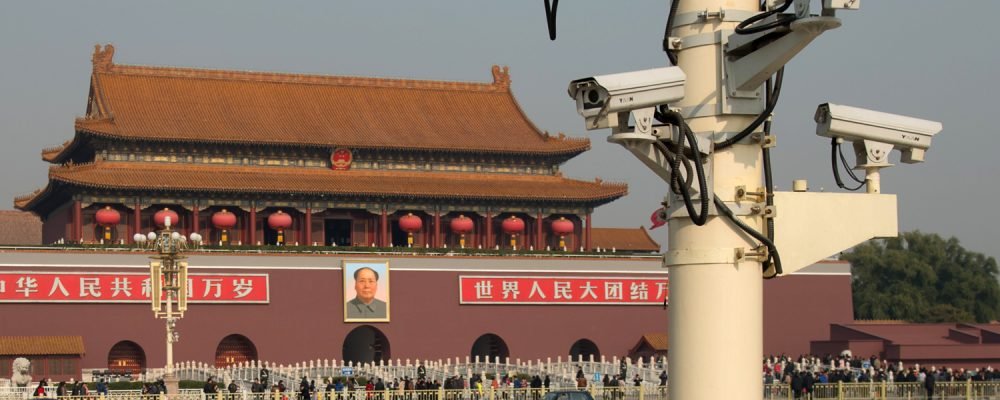
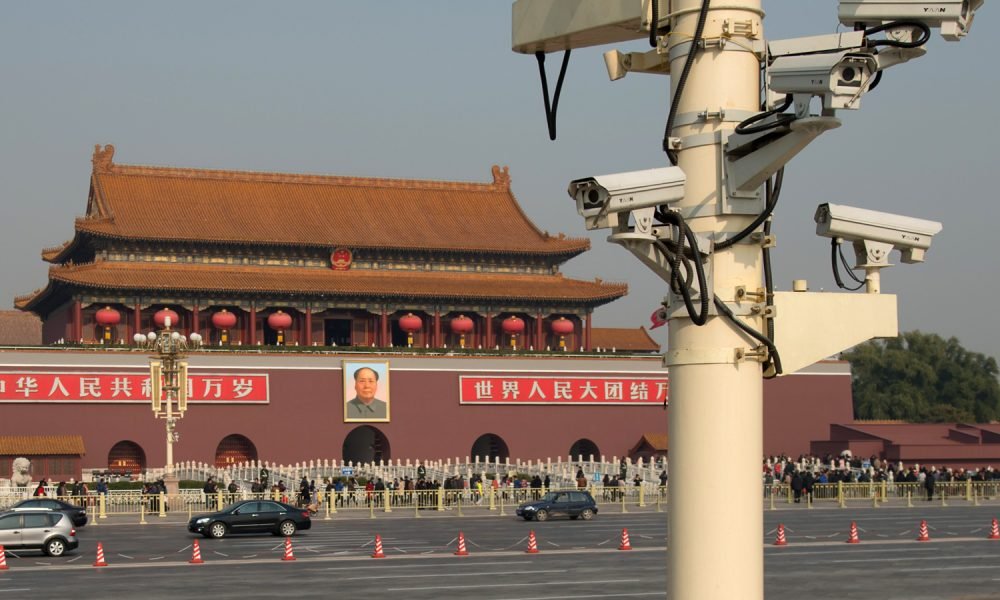
Serious crime involving foreigners is rare, petty theft is much less frequent compared to Western countries, and security presence remains high in public places.

Thanks to the country’s strict rules and strong police presence, most travelers can explore with confidence—including solo travelers, families, and seniors.

Recent experience through 2025 shows:

  • Crime affecting tourists is very low.
  • Major cities, airports, railway stations, and famous attractions continue to operate safely—even through travel booms like Golden Week.
  • Health protocols for travelers are now standard and COVID-19 restrictions have long since relaxed.
  • Locals remain friendly and helpful, even with increasing numbers of foreign visitors.

Practical tips:

  • Keep an eye on your bags in crowds.
  • Use official taxis or ride hailing apps.
  • Drink only bottled or filtered water.
  • You can roam alone in urban areas—even late at night—with minimal worry.


2026: Latest China Travel Advisories & Warnings

Tour In Western Sichuan: Bipenggou, Xiling Snow Mountain & Ethnic Villages

Official advice from governments as of October 2025:

  • Canada: Overall risk is very low for most travellers. Routine travel vaccinations are sufficient, but consider regional health risks if visiting rural or remote areas.
  • USA: “Exercise increased caution.” The main U.S. warning is about the arbitrary enforcement of local laws and potential exit bans, not about street safety or major crimes.
  • Australia: “Exercise a high degree of caution.” No specific new risks, standard traveller advisories only.
  • UK: Terrorist attacks can’t be ruled out, but foreigners have not been targeted; warnings are general, as attacks can happen anywhere in the world.

There are NO active warnings at this time limiting tourist travel to China’s main attractions or cities. Most concerns relate to legal differences, registration requirements, and the need to respect local customs—not street safety.

Current travel action points:

  • Register your trip with your embassy if you’re staying long-term.
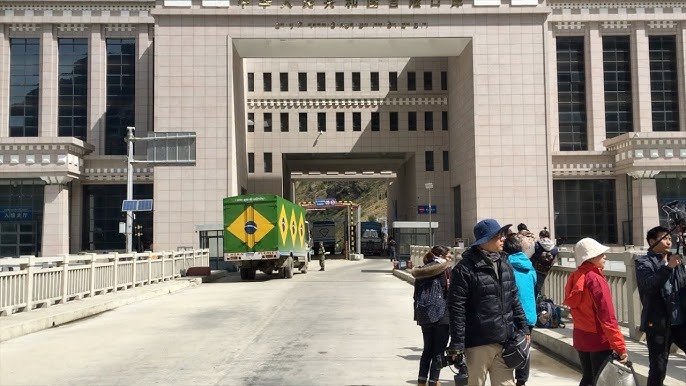
  • Be aware: Some sensitive regions (select provincial borders, Xinjiang, Tibet during unrest) can see temporary restrictions. These do not affect 99% of tourist itineraries.
  • Check entry and exit policies, especially for long stays (rare “exit bans” in legal or business disputes for foreigners, not leisure tourists).

China’s Visa-Free Expansion 2026 and Entry

2025 has seen a major surge in inbound travel, thanks to expanded 30-day visa-free entry to China for many countries across Europe, Asia, and Latin America—including France, Germany, Spain, Brazil, Indonesia, and others.

  • This policy is officially valid through all of 2025 and through 2026 for most listed countries.
  • Always confirm your eligibility with your local Chinese consulate as the list is updated frequently.


Recent Travel Experience: Golden Week & Travel Boom


Is It Safe To Travel To China? Safety Guide, Alerts & Top Tours


Hundreds of millions of people traveled across China during Golden Week in October 2025—with no increase in tourist-targeted crime, and only the usual issues of crowding at key sites.
Travel infrastructure—including trains, airports, and tourist services—operated smoothly despite record-breaking numbers.

Tip: It’s strongly advised to avoid traveling during Chinese public holidays like Golden Week, Labor Day (May 1), and the Lunar New Year, as crowds peak and accommodation prices soar.

Health & Medical: October 2025 Updates

  • No COVID-19 travel restrictions remain as of late 2025.
  • All travelers should be up to date on routine immunizations, and the CDC reiterates the importance of having full MMR vaccine coverage.
  • Some travelers to rural areas may consider Japanese encephalitis vaccine.
  • Healthcare in big cities is high-standard; take prescription meds with you and keep them labeled.


Is It Safe to Visit China with Family or Solo in 2026?

It absolutely is. China’s tourism systems are running at record capacity, and group, solo, and family travellers are welcomed everywhere. English-speaking guides, clear signage, and better mobile translation assistance mean visitors can navigate with ease—even when traveling independently or with children


Safe and Unforgettable China Tours with YellowBird Tour

The safest way to discover China is through a credible, expert travel agency like YellowBird Tour, which offers:

  • Over 15 years of China/Asia experience.
  • Native, English-speaking guides in every destination.
  • Small group sizes for personalized, attentive care.
  • Carefully chosen hotels, safe transportation, and full pre-trip briefing.

Top-Rated China Tours for Every Traveler

Here are some handpicked tours recommended for safe, stress-free exploration:

4 Days Shanghai City Tour

Highlights: Oriental Pearl TV Tower, Shanghai Museum, Huangpu River Cruise, The Bund, Nanjing Road, Yu Garden, Old Town, French Concession, Xintiandi, Jade Buddha Temple.
Ideal for first-time visitors to China’s most futuristic and cosmopolitan city. All city travel and accommodation included!

See full itinerary & price →

8 Days Guangxi Tour with Detian Waterfall

Highlights: Li River Cruise, Yangshuo, Longji Rice Terraces, Minority Villages, Reed Flute Cave, Detian Waterfall, and more.
Experience breathtaking landscapes and unique local cultures with the guidance of local experts.
Explore the tour →

5 Days Magic Chongqing Tour

Highlights: Dazu Rock Carvings (UNESCO), Yangtze River Cableway, Night Cruise, Ancient Town, 131 Sky Deck, city parks.
Great choice for travelers looking for ancient culture blended with modern city energy.
Full details here →

5 Days Guizhou Authentic Minority Villages Tour

Explore the real, off-the-beaten-path Southwest China with visits to ethnic Dong and Miao communities. Participate in batik and papermaking workshops, attend local festivals, and discover ancient traditions safely, guided by locals.
See the route →

4 Days Beijing Classic Tour

Highlights: Mutianyu Great Wall, Tian’anmen Square, Forbidden City, Summer Palace, Ming Tombs.
A perfect introduction to China’s historic capital—well-paced, safe, and enriching.
See this tour →

3 Days Huangshan & Hongcun Tour

Highlights: Legendary Yellow Mountain, Hongcun Ancient Village (UNESCO), scenic cable car rides, mountain sunrises and sunsets, Tunxi Ancient Street.
Perfect for lovers of nature, photography, and traditional architecture.
Tour details →

Want to travel China safely with local support?

Traveling with an English-speaking local guide reduces the most common “tourist stress” risks: getting scammed in hotspots, transport confusion, and last-minute ticket issues. Browse small-group and private routes here:

Safety Tips for Travelers in China

  1. Respect Local Laws and Customs
    China can be stricter than Western countries in some respects—never take photos of government sites, police, or military; avoid political discussions in public.
  2. Stay Connected
    Access to some Western social media and Google services is limited. Use a VPN if you need them and always have your hotel info written in Chinese!
  3. Health and Hygiene
    Bring needed prescription meds (with labels). Tap water is NOT drinkable—buy bottled.
  4. Food
    China offers delicious (and safe) cuisine. Street food is popular—just use normal precautions (busy stalls = fresher).
  5. Scams
    As in any big tourist area, beware “tea ceremony” or “art show” scams; don’t follow strangers off main streets.
  6. Emergency Contacts
    Keep embassy numbers handy and always know your hotel’s name in Mandarin.

Why Book China Tours With YellowBird Tour?

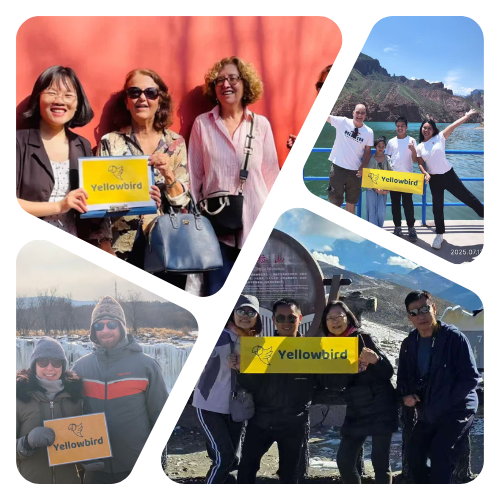
  • Proven safety record, hundreds of happy travelers reviews
  • Local English-speaking guides who know every shortcut and safety tip
  • Centrally located, pre-screened hotels
  • Assistance with emergencies or travel disruptions
  • No hidden fees; transparent pricing with insurance included
  • Responsive 24/7 support via WhatsApp or WeChat

Choose from safe small-group journeys, private tours, and even tailor-made routes across China and Asia.
Browse all China tours here

FAQs — Is it safe to travel to China right now?

Is it safe to travel to China right now?
As of March 23, 2026, China is generally safe for tourists in major cities. Check current travel advisories for your passport country and plan for common issues like scams in tourist hotspots and payment/app setup.

Is it safe to go to China right now?
For most travelers visiting classic routes, yes—if you follow local laws, use common-sense precautions, and avoid risky setups (unofficial tours, questionable invitations near hotspots).

Is China safe to visit in 2026?
Yes for typical tourist travel, especially Beijing, Shanghai, Xi’an, Guilin, Chengdu, etc. Remote regions and border areas require more planning and sometimes permits.

Is it safe for Americans to travel to China?
Many Americans visit safely, but you should read the U.S. travel advisory, follow local laws, and keep documents and emergency info organized.

Is it safe to fly to China right now?
Flying itself is normal; the key is having correct documents for check-in/boarding, a solid arrival plan (SIM/eSIM, payment apps, hotel address), and avoiding sketchy transfers.

Is Beijing safe to visit?
Generally yes. Watch for tourist scams around major attractions and keep an eye on belongings in crowded areas.

Is Shanghai safe to visit?
Generally yes. Use standard big-city precautions for nightlife and keep transport simple with official taxis or ride-hailing.

FAQ 2026

Q: Is it safe to travel to China now?
A: Yes, for 99% of travelers the risk is very low. No major crime spikes or terror attacks affecting tourists have been reported.

Q: What are the most common risks?
A: The most common risk is petty theft in crowded markets and stations, which is rare. Always stay aware in crowded places

Q: Any current travel restrictions?
A: No for most tourists. Some business travelers are advised to review “exit ban” laws in case of business/legal disputes. Some border regions may have sporadic travel advisories.

Q: Should I travel during national holidays?
A: It’s best to avoid them if possible—crowds and prices soar during long public holidays like Golden Week .

Q: Does China still require health measures post-pandemic?
A: No COVID-19 restrictions remain, but stay up to date on standard vaccines (measles, MMR)


Conclusion

China remains one of the world’s safest and most exciting countries for tourists in 2025-2026. With expanded visa-free access, improved infrastructure, and official advisories listing risks as low for most visitors, you can travel confidently—especially with a top agency like YellowBird Tour.

Start planning your China adventure today and discover a land where travel is not just safe, but unforgettable.

Explore the World with YellowbirdTour! Share this page with friends and fellow adventurers eager to discover new and exciting tours across Asia and beyond

WhatsApp
Facebook
Telegram
Reddit
Email
X
LinkedIn
Pinterest
Tumblr

Other blogs

//
Need help? Our expert support is available for all your tour and booking needs. Message us on WhatsApp for instant travel support.
Hi there! 👋 How can we assist you with your Asia travel plans today?
Cropped-noun-parrot-739612.png

Play Yellowbird Travel Match and let destiny choose your trip

Sometimes the best journey is the one you didn’t plan.
Just 3 quick questions to reveal your surprise Asia tour.

We’ll use your answers to suggest a real Asia tour that fits you. We never share your email or track your behavior.