Silk Road Tour China: The Complete Guide to Routes, Highlights & 2026 Packages
Picture this: you’re standing at the edge of a desert at golden hour. In front


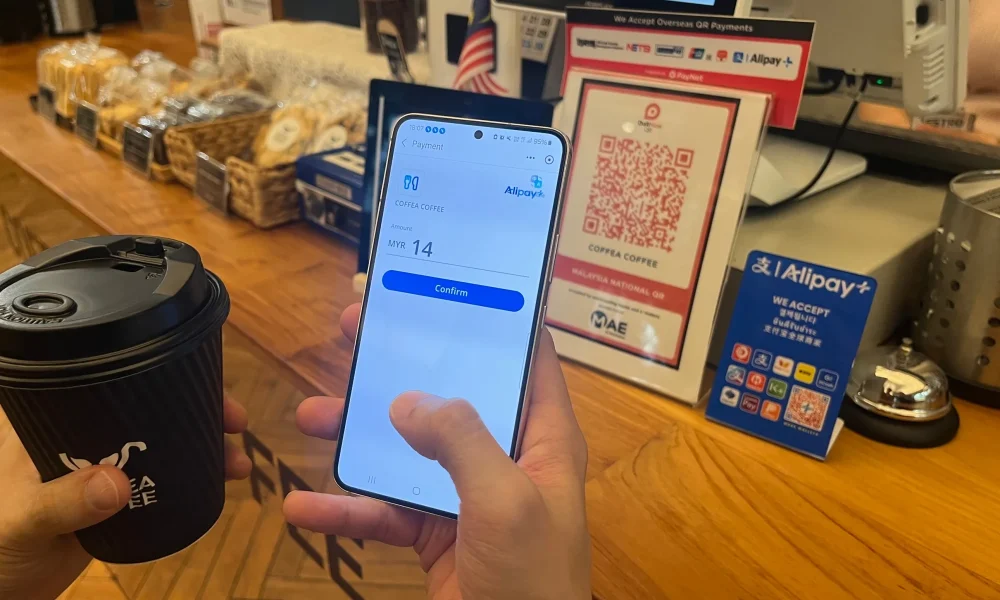
How to Pay in China as a Foreigner is one of the first questions you’ll have when you arrive, because China is one of the most mobile‑payment‑driven countries in the world. Locals buy everything—from a bottle of water to a train ticket—by scanning QR codes with WeChat Pay or Alipay. Cash and plastic cards still exist, but you’ll quickly notice that phones rule.
For foreign travelers, this can be confusing:
This guide explains how to pay in China as a foreigner in 2026, step by step, including:
Want fewer payment headaches? On many YellowBirdTour itineraries, major costs (hotels, transport, key tickets) are arranged in advance—so you mainly pay for personal extras. Use our Tour China search engine .
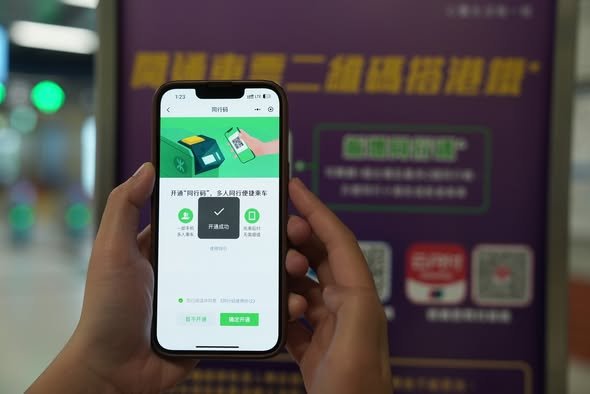
Over the past decade, China has moved from mostly cash to almost entirely mobile payments:
For locals, these apps link to Chinese bank accounts or UnionPay cards, allowing instant, cashless payments everywhere.
For visitors, this creates two main challenges:
This is one reason traveling with a guided tour operator like YellowBirdTour is helpful:
If you’re wondering about the best payment method in China, the practical answer for 2026 is: Alipay or WeChat Pay in China, backed up by a little cash (RMB) and a physical card for hotels. Mobile QR payments are accepted almost everywhere, while foreign credit cards are still hit‑or‑miss in local places.
If you can, set up both apps before you arrive. If one fails at a specific merchant, the other often works.
For convenience, the best way to pay like a local is with:
Both now provide international features that let many foreigners:
You won’t have every feature a Chinese resident has, but you can generally handle day‑to‑day spending this way.
For most visitors, Alipay or WeChat Pay for tourists is not an either/or choice—it’s a “set up both” strategy. When one wallet fails at a specific merchant, the other often works. If you only set up one, you’re more likely to hit a dead end at small vendors.
In real travel terms, Alipay vs WeChat Pay for foreigners in China 2026 comes down to what links successfully to your card and what your daily itinerary needs. Set up both apps, link at least one international card, and keep cash as a fallback.
Travelers sometimes search for Alipay to WeChat Pay transfers. In practice, treat them as separate wallets: set up both, and switch apps if a payment fails—don’t rely on cross‑app transfers during a short trip.
Foreign credit/debit cards (Visa, MasterCard) are partially usable:
Typically accepted at:
Much less likely to be accepted:
So cards are useful, but not enough on their own.
Yes—you can pay with credit card in China, but mostly in international hotels, larger stores, and tourist‑facing businesses. For everyday spending (small restaurants, street food, markets), QR wallets are still the practical solution.
Apple Pay in China isn’t the default payment method most merchants expect day‑to‑day. Even if it works in some places, QR payments (Alipay/WeChat Pay) are still the most reliable setup for travelers.
A Revolut card in China can be a useful backup for ATM withdrawals and hotel deposits. In real travel terms, Revolut is great for cash withdrawals and some card‑friendly venues, but you’ll still want Alipay/WeChat Pay for QR payments.
Some travelers use PayLah in China via QR/UnionPay flows, but acceptance can vary by merchant setup. Treat it as an extra option—not your only plan. Keep Alipay/WeChat Pay and cash as backup.
Despite the mobile boom, cash (人民币 / RMB / CNY) is still important for travelers. YellowBirdTour recommends carrying some yuan in cash for markets and smaller vendors.
Cash is a reliable backup when:
Having mobile data is crucial. YellowBirdTour can help you buy a Chinese SIM card or arrange connectivity, which also supports payment app reliability.
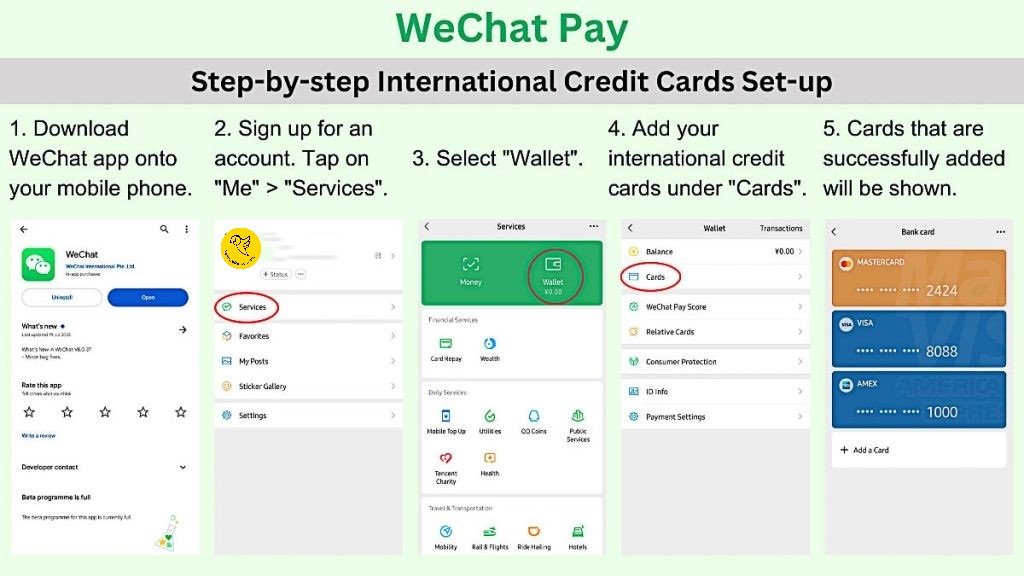
Inside WeChat:
Important notes:
If one card fails, try another card from a different bank, or set up Alipay and link the same card there.
For WeChat Pay for foreigners, it’s normal to see tourist-style limits and occasional verification steps. A 3% transaction fee may apply for single transactions above 200 RMB when using international bank cards, so don’t be surprised if larger payments show a small surcharge. Keep Alipay and cash as backups.
Once your card is linked and WeChat Pay is active, you’ll mostly pay in two ways:
Pros:
Cons:
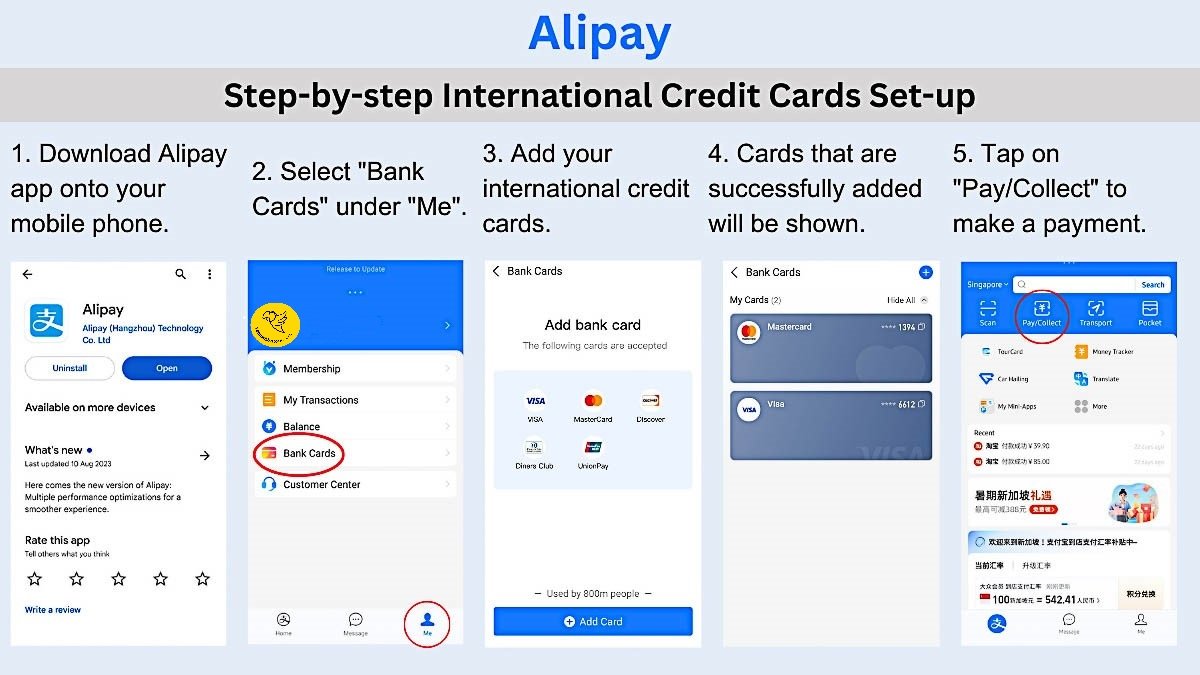
Alipay set up is usually: download → register → verify identity if prompted → link your card → pay by QR.
Alipay spending limit: foreign-card users can face spending limits (per transaction/day/year) depending on verification and card issuer, so don’t rely on one card only—link a backup card if possible and set up WeChat Pay too.
Alipay supported countries: travelers often ask about “supported countries,” but in practice the biggest variable is whether your bank/card issuer allows linking and China transactions. If your card fails in Alipay, try another card or use WeChat Pay.
Alipay Tour Pass / Alipay Tour Card for foreigners 2026: some visitors use tourist-oriented virtual card products (often discussed online as a “tour pass/tour card” concept) if standard card-linking is unreliable. Availability and rules can change by version and region—check the in-app tourist/international section.
Alipay 2026 scan fu card activity rules: Alipay sometimes runs seasonal in-app promotions (for example “Fu”/fortune-style campaigns). These are promotional activities and their rules change frequently, so treat them as a bonus—not a payment method you should plan around.
In big cities and tourist areas, you’ll see WeChat Pay/Alipay everywhere. Some mid-to-high-end places accept Visa/MasterCard. In more local neighborhoods, expect QR codes and cash.
Street food & small stalls: many accept only mobile payments or cash. Carry small bills for snacks and small purchases.
Tipping: not mandatory, but appreciated by guides and drivers. Cash is the easiest.
Malls and department stores often accept cards. Local markets and small shops commonly use mobile payments and may prefer cash from foreigners.
Didi rides are typically paid in-app (cashless). If you need a cash option, you may need to take a regular taxi instead of an app ride, depending on the city.
High‑speed trains & metro tickets can often be purchased via app, kiosk, or ticket window; your tour operator may pre‑book key segments.
On YellowBirdTour packages, many hotels/transport/tickets are arranged as part of the tour. You mainly use your own payments for personal extras and shopping.
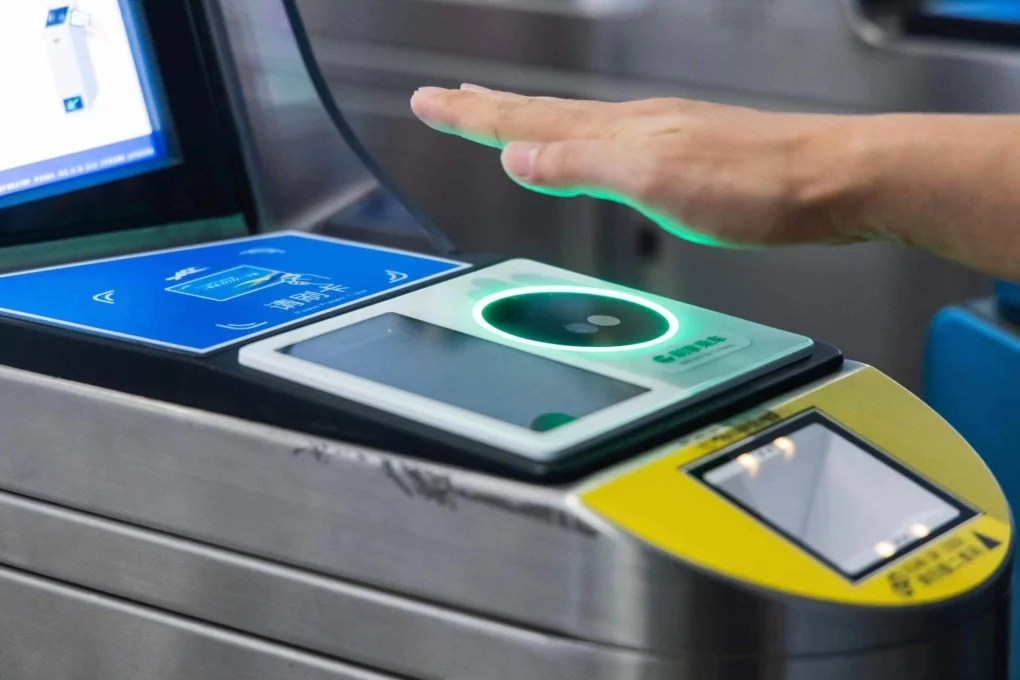
Face and palm payments exist in China, but they’re mainly designed for residents with deeper local bank/ID integration. For short-term tourists, they’re interesting to see but not essential.
Cash is still useful for small markets, some local vendors, and as a backup when an app fails. YellowBirdTour recommends carrying some RMB.
A common cushion is around ¥500–1,500 per person for snacks, small souvenirs, tips, and backup.
Fix: try another card, try the other app, or rely on cash + cards where accepted.
If Alipay not working happens at checkout, it’s usually one of these:
Fix: switch to WeChat Pay, try another linked card, or use cash and keep moving.
Modern versions of WeChat and Alipay often allow registration with foreign phone numbers. But a Chinese SIM/eSIM improves reliability for SMS codes and data coverage. YellowBirdTour can help with connectivity.
If you mean “can I use a Philippines-issued Visa/Mastercard to set up WeChat Pay and pay in China,” many international cards can be linked, but eligibility depends on your bank and verification. If you mean “use WeChat Pay in the Philippines for local merchants,” that’s a separate cross-border product question and depends on local availability.
YellowBirdTour can help you get connectivity so you can receive verification codes, use maps, and keep WeChat/Alipay working reliably.
Local English-speaking guides can tell you where cards usually work, where QR is expected, and when to use cash.
On most YellowBirdTour China itineraries, you don’t have to worry about big-ticket payments:
This means that even if your payment setup isn’t perfect, you’re covered for the most important parts of the trip.
Ready to plan your China trip? Browse YellowBirdTour tours here: https://www.yellowbirdtour.com/tours/ and filter quickly here: https://www.yellowbirdtour.com/all-tours/
No. YellowBirdTour notes that Visa and MasterCard are accepted in some hotels, tourist restaurants, and stores in major cities, but not widely in markets, small shops, or local eateries.
Yes. You should still carry some RMB cash for small vendors, rural areas, and as a backup when mobile payments fail or aren’t supported.,
WeChat Pay and Alipay are mainstream, secure platforms used by hundreds of millions of people. As always, protect your phone with a PIN/biometric lock, avoid sharing verification codes, and monitor your card statements.
In many cases, cash tips are simplest. Tipping isn’t mandatory but is appreciated on private or group tours. Some guides may be able to accept WeChat/Alipay transfers if you have full functionality and are comfortable with the Chinese interface.
YellowBirdTour packages include major costs (accommodation, main attractions, most local transport, many meals), provide SIM card assistance, and offer advice on payment methods on the ground., You focus on enjoying your trip while they handle the complex parts.
With a bit of preparation—installing WeChat and Alipay, bringing at least one Visa/MasterCard, and carrying some RMB cash—you’ll be able to pay smoothly across China. Joining a YellowBirdTour China itinerary adds an extra safety net: knowledgeable guides, pre‑paid logistics, and local support whenever you need it.
Most foreigners pay with Alipay or WeChat Pay in China (QR payments) after linking an international card, plus a small cash backup (RMB). Credit cards work mainly in international hotels and larger, tourist-facing businesses.
In many cases, yes. You can usually register with a foreign phone number and try linking an international Visa/MasterCard. Setup success depends on your card issuer and verification steps, so it’s smart to set up Alipay as a backup too.
Ideally, use both. If one app fails at a merchant (or your card doesn’t link smoothly), the other often works. For travel convenience, the best setup is Alipay + WeChat Pay + some cash.
With some international-card setups, a small service fee may appear for larger transactions (often mentioned for payments above 200 RMB). If you want to avoid surprises, keep everyday purchases under that threshold when possible—or simply accept the small fee for convenience.
First, check your internet connection (signal/Wi‑Fi) and try again. If it still fails, switch to WeChat Pay, try another linked card, or use cash. Payment failures are usually caused by connection issues, bank verification, limits, or the merchant’s setup for foreign-linked wallets.
No. Visa/MasterCard acceptance in China is strongest in international hotels, major malls, and higher-end restaurants—especially in big cities. Small restaurants, street food stalls, markets, and local taxis often prefer QR payments or cash.
A practical backup amount is ¥500–1,500 per person for snacks, small shopping, tips, and situations where mobile payments fail or aren’t supported.
Sometimes, but it’s not the default payment method most local merchants expect. For tourists, QR payments (Alipay/WeChat Pay) are still the most reliable daily solution.
It can be a useful backup for ATM withdrawals and hotel deposits, but you’ll still want Alipay/WeChat Pay for QR payments in most everyday situations.
Some travelers use PayLah for QR payments in mainland China, but acceptance can vary depending on the merchant’s QR setup. Treat it as an extra option, not your only plan—keep Alipay/WeChat Pay and cash as backup.
Often you can register with a foreign number, but having a China SIM/eSIM can make life easier (SMS verification codes, better data coverage, more reliable payments on the go).
Yes. Setting up apps, linking cards, and passing verification is much less stressful when you have stable internet and time. Do it before departure if possible, and carry cash as a backup on arrival day.
Picture this: you’re standing at the edge of a desert at golden hour. In front

Most travelers think of China tour package from Kathmandu Nepal. The place where trekkers collapse

A good Sanya itinerary 5 days should feel like a vacation, not a logistics exam.

If you’ve ever seen a classical Chinese ink painting — misty limestone peaks rising vertically

Is it safe to travel to China right now? China is generally a safe destination

Avatar Mountains in Zhangjiajie are one of those places that look photoshopped in real life: