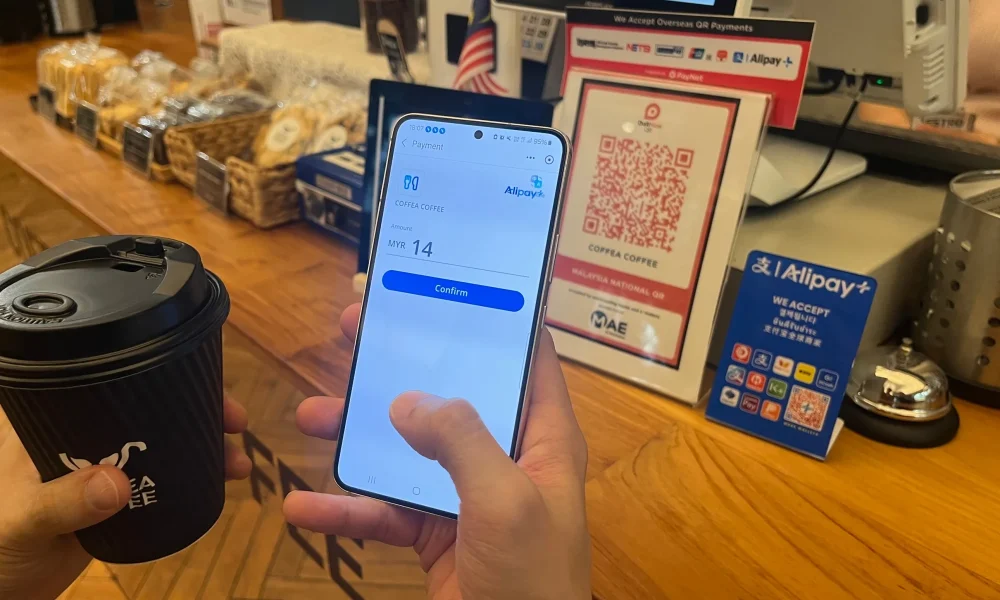
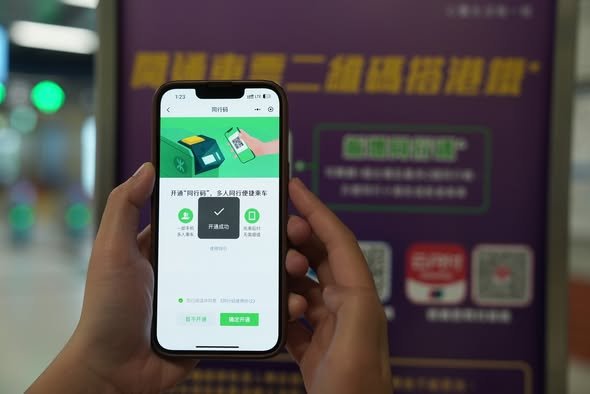
China is one of the most mobile‑payment‑driven countries in the world. Locals buy everything—from a bottle of water to a train ticket—by scanning QR codes with WeChat Pay or Alipay. Cash and plastic cards still exist, but you’ll quickly notice that phones rule.
For foreign travelers, this can be confusing:
Can you use WeChat Pay or Alipay without a Chinese bank account?
Do Visa and MasterCard work?
How much cash do you actually need?
This guide explains how to pay in China as a foreigner in 2026, step by step, including:
Using WeChat Pay and Alipay with foreign cards
Where your Visa/MasterCard will (and won’t) work
When you still need cash (RMB)
How QR, facial and palm payments work—and what’s realistic for tourists
How YellowBirdTour supports you with payments on their China tours
I’ve checked YellowBirdTour’s latest FAQs and China articles for payment and practical travel info and integrated what’s relevant.
Why Paying in China Feels Different for Foreigners
From Cash to Mobile First: How China Became a QR Economy
Over the past decade, China has moved from mostly cash to almost entirely mobile payments:
WeChat Pay (Weixin Pay) and Alipay dominate daily life.
Street food stalls, taxis, small shops and even temple donations are often done via QR codes, not cash.
Many young Chinese rarely carry a wallet at all.
For locals, these apps link to Chinese bank accounts or UnionPay cards, allowing instant, cashless payments everywhere.
What This Means for Tourists on a China Trip
For visitors, this creates two main challenges:
Foreign cards aren’t accepted everywhere.
YellowBirdTour notes that international cards (Visa, MasterCard) are usually accepted in high‑end hotels and tourist restaurants/shops, but far less in small local places.
Many small vendors expect mobile payment.
Mobile payments are the norm even for very small expenses, so walking around with only a foreign card can be limiting.
This is one reason traveling with a guided tour operator like YellowBirdTour is helpful:
They pre‑arrange hotels, local transport, and main attraction tickets, so major expenses are taken care of.
They can help with exchanging money, SIM cards and payment setup, easing the stress of daily transactions.
Main Ways to Pay in China as a Tourist in 2026
Option 1 – Mobile Payments (WeChat Pay & Alipay)
For convenience, the best way to pay like a local is with:
WeChat Pay
Alipay
Both now provide international features that let many foreigners:
Register with a foreign phone number
Link a foreign credit card (Visa/MasterCard) or use special tourist products
Pay Chinese merchants via QR codes
You won’t have every feature a Chinese resident has, but you can generally handle day‑to‑day spending this way.
Option 2 – Foreign Credit and Debit Cards
Foreign credit/debit cards (Visa, MasterCard) are partially usable:
Typically accepted at:
Mid‑ to high‑end hotels
Some tourist restaurants
Major department stores and luxury shops in big cities,
Despite the mobile boom, cash (人民币 / RMB / CNY) is still important for travelers:
YellowBirdTour explicitly recommends carrying some yuan in cash for markets and smaller vendors.,
Cash is a reliable backup when:
Your app or card fails
The merchant doesn’t support foreign-linked wallets
You’re in rural or older neighborhoods
We’ll discuss later how much cash it makes sense to carry.
Option 4 – UnionPay and Prepaid Solutions
Other options you might encounter:
UnionPay: China’s domestic card network, widely accepted. Some foreign banks issue UnionPay cards. If you have one, it can work well in ATMs and shops in China.
Prepaid virtual cards / “tour cards”: Some wallets offer temporary virtual cards funded by foreign cards, designed for short‑term stays. Availability and branding change over time, but the concept is the same: a spending limit, short validity, simple top‑up.
Using WeChat Pay as a Foreigner
Step 1 – Set Up WeChat and Verify Your Account
Download WeChat
Get it from the App Store or Google Play before you arrive.
Sign up with your phone number
You can usually use a foreign number.
You’ll receive an SMS code to verify.
Fill in your basic profile
Name, region, etc.
Real‑name verification
For full WeChat Pay functions, you may be asked to provide ID info (passport details) and possibly a photo.
Follow the prompts in the WeChat Pay / Wallet section.
Having mobile data is crucial for this. YellowBirdTour notes that they can help you buy a Chinese SIM card or arrange connectivity, which also supports payment app reliability.
Step 2 – Linking a Foreign Bank Card (Visa/MasterCard)
Inside WeChat:
Open Me → Services → Wallet / WeChat Pay (labels may vary slightly in English version).
Tap Cards or Add a Card.
Enter your Visa/MasterCard details:
Name (must match your passport and card)
Card number, expiry, CVV
Complete any 3D Secure / SMS verification from your bank.
Important notes:
Not every foreign card works. Some banks block China-related transactions by default or don’t support this linkage.
There may be spending limits and occasional extra verification.
If one card fails, try:
Another card from a different bank
Setting up Alipay instead and linking the same card there
Step 3 – Paying by Scanning QR Codes
Once your card is linked and WeChat Pay is active, you’ll mostly pay in two ways:
Scan merchant’s QR code
Choose “Scan” in WeChat.
Point your camera at the store’s static QR code.
Enter the amount (if needed) and confirm payment.
Show your QR code to be scanned
Tap “Money” or your Payment Code.
A dynamic QR or barcode appears.
The cashier scans it, the amount is deducted, and you’re done.
You’ll see this everywhere: restaurants, convenience stores, taxis, ticket windows.
Pros and Cons of WeChat Pay for Tourists
Pros:
Extremely convenient; works almost everywhere once set up.
Integrates with chat, maps, small services you’ll use anyway.
Helps avoid fumbling with cash for small expenses.
Cons:
Setup can fail with some foreign banks.
Some merchants may not yet fully support foreign‑linked WeChat wallets, though this is improving.
You rely on internet access and a charged phone.
Even with limitations, it’s worth trying to set up WeChat Pay before or at the start of your trip.
Using Alipay as a Foreigner
Alipay International Features for Tourists
Alipay has invested heavily in international users:
English interface option in many menus.
A specific “International” or “Tourist” mode in some versions when you register with a foreign number or passport.
Partnerships with global card networks to let you link foreign cards directly.
It is designed so short‑term visitors can pay by QR, even without a Chinese bank account.
Linking Foreign Credit Cards to Alipay
Typical steps:
Download Alipay app.
Register with your phone number (foreign or local Chinese number).
Go to your Wallet / Cards section.
Tap “Add Card” and input:
Card number, name, expiry date, CVV
Complete any verification required by your card issuer.
Optionally fill in passport info if requested for identity checks.
You may see:
Spending or balance limits specific to foreign users.
Alipay automatically handling currency conversion (from USD/EUR etc. into RMB), usually with a small fee.
Tourist‑Focused Products (e.g., Tour Cards)
At times, Alipay has offered tourist‑oriented features such as:
Virtual “tour cards” funded by your foreign credit card
Short validity (e.g., 30–90 days)
A maximum spending limit
Check inside Alipay’s wallet or the international/tourist section for the current product name and terms; these can change, but the concept remains: a controlled, temporary payment tool for visitors.
QR Code Payments With Alipay
As with WeChat Pay, Alipay works via QR:
Scan to pay: You scan the merchant’s QR code, enter the amount, and confirm.
Show to pay: You show your payment QR; the cashier scans and charges you.
Most merchants that accept Alipay from locals now also accept foreigner-linked Alipay, but if a transaction fails, be ready to switch to WeChat, card, or cash.
Practical Payment Scenarios on a China Tour
Paying in Restaurants, Cafés and Street Food Stalls
Restaurants & cafés:
In big cities and tourist areas:
Locals pay with WeChat Pay or Alipay.
Some mid‑ to high‑end places accept Visa/MasterCard.
You can often choose among mobile pay, card, or cash.
In more local neighborhoods:
Expect QR codes and cash only.
Street food & small stalls:
Many accept only mobile payments or cash.
If you don’t have WeChat/Alipay set up, carry small bills for snacks, tea, and small purchases.
Tipping:
YellowBirdTour notes that tipping is not mandatory in China but is appreciated by guides and drivers, especially on private or group tours.
You can tip in cash most easily.
Depending on your guide, you may also arrange a mobile transfer if you both use the same app.
Shopping, Markets and Souvenir Stores
Tourist souvenir shops, malls, department stores:
Often accept foreign credit cards, especially in big cities and tourist hubs.,
Local markets and small family shops:
Commonly use mobile payments and may prefer cash from foreigners.
Don’t assume they can process Visa/MasterCard.
For a smoother experience:
Use WeChat/Alipay when you can.
Have cash ready in markets.
Use cards mainly in larger, more formal shops.
Transport: Taxis, Didi, High‑Speed Trains and Metro
Taxis:
Many drivers prefer WeChat Pay/Alipay or cash.
Some may accept Didi (ride‑hailing app) payments.
High‑speed trains & metro:
Tickets may be purchased by mobile app, kiosk, or ticket window.
At stations, you can often pay with cash or card; your tour operator may pre‑book key segments.
Domestic flights & long‑distance transport:
Usually booked and paid in advance by your agent (e.g., YellowBirdTour), then you only handle small local transfers.
On a YellowBirdTour package, many transfers (airport pickup, private transport, intercity travel) are already arranged and paid as part of the tour, so you mainly use your own payment methods for personal extras.
Hotels and Attractions
Hotels:
YellowBirdTour packages include 4‑star accommodations on many tours.
At these hotels, you can typically:
Let YellowBirdTour handle payment as part of your package.
Use Visa/MasterCard for incidentals or extra nights.,
Attractions:
Main entrance fees are often included in tour packages.
For optional extras (e.g., audio guides, small museum shops), cash or mobile pay is safest.
Advanced & Emerging Payment Methods: Face and Palm Pay
Face Payment in China (Smile to Pay)
In some supermarkets, fast food chains, and convenience stores, you may see face-recognition payment terminals:
Users with Chinese bank accounts and fully verified wallets can pay by simply looking at a screen; the system matches their face to their account.
It’s fast and futuristic—but currently designed for Chinese residents or long‑term users with locally integrated IDs and bank accounts.
For short‑term foreign tourists, this is not a realistic or necessary option.
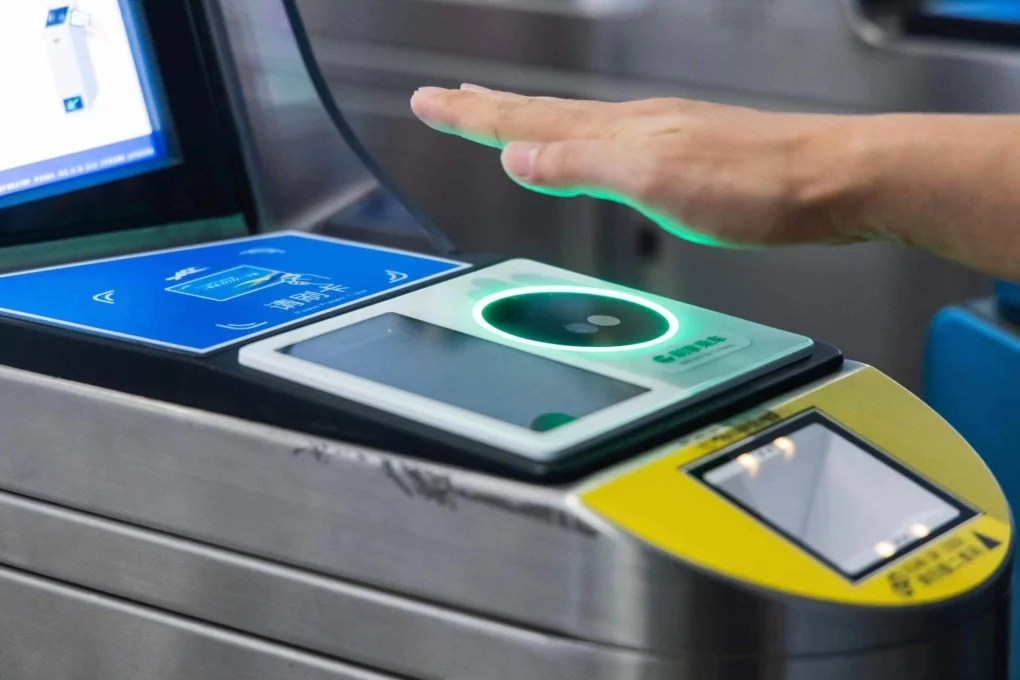
Palm / Hand Payments and Other Biometric Options
China is also piloting:
Palm / hand‑vein payment systems in certain chains.
Other biometric methods (voice, fingerprints) in limited settings.
These systems again require:
Deep integration with local banks and IDs.
Consents that foreign tourists typically don’t have.
They’re interesting to observe but not part of your practical toolkit as a visitor.
Why Foreigners Should Still Rely on QR, Card and Cash
Because of regulatory requirements and how these biometric systems are linked to Chinese financial infrastructure, tourists are best off relying on:
QR‑based mobile payments (WeChat Pay, Alipay) with foreign cards where possible
Foreign credit/debit cards in larger hotels and shops
Cash (RMB) as a universal backup,
How Much Cash Do You Still Need in 2026?
When Cash Is Still King
Even in 2026, there are situations where cash is simplest:
Small markets and local snack stalls
Older taxi drivers who aren’t comfortable with foreign-linked wallets
Rural areas and small towns away from major tourist routes,
YellowBirdTour explicitly advises travelers to carry some Chinese yuan in cash for smaller vendors.
How Much Cash to Carry and Where to Exchange
A typical guideline for a comfortable cushion (excluding big expenses covered by tour packages):
Around ¥500–1,500 (roughly USD 70–200) in cash per person for:
Snacks, drinks, small souvenirs
Occasional taxis and tips
Backup if a digital payment fails
You can obtain RMB by:
Exchanging currency at:
Airports
Major banks
Licensed exchange counters,
Withdrawing from ATMs with a foreign card:
Check with your bank about fees and limits.
Currency, Denominations and Basic Money Etiquette
Official currency: Chinese Yuan (CNY / RMB).
Common banknotes: ¥1, ¥5, ¥10, ¥20, ¥50, ¥100.
Keep notes flat and undamaged; badly torn notes may be refused.
Coins are used less frequently but still circulate for small change.
Common Problems and How to Fix Them
My Foreign Card Won’t Link to WeChat or Alipay
Possible reasons:
Your bank blocks online transactions linked to China by default.
Your card doesn’t support the required online/foreign merchant verification.
Data mismatch (name or expiration not matching what the app expects).
What you can do:
Try another card (different bank/network).
Try the other app (if WeChat fails, try Alipay, or vice versa).
If neither works, plan to rely on:
Foreign cards where accepted
Cash for daily expenses
My Mobile Payment Is Declined at the Register
Common causes:
Temporary internet connection issues.
Daily or transaction limits reached.
Merchant’s system not fully updated for foreign‑linked wallets.
In the moment:
Check your signal or Wi‑Fi.
Try the other app if both are installed.
If it still fails, use cash or your physical card.
When with a guide, ask them to help communicate or suggest an alternative.
I Don’t Have a Chinese Phone Number – Can I Still Pay?
Modern versions of WeChat and Alipay often allow registration with foreign phone numbers, making it possible to:
Sign up
Link foreign cards
Use QR payments in many places
However:
Having a Chinese SIM/eSIM improves:
Reliability of SMS codes
Data coverage on the go
YellowBirdTour specifically mentions they can assist with local SIM cards and connectivity, which indirectly makes using mobile payments easier.
How YellowBirdTour Helps You Handle Payments in China
Booking with YellowBirdTour doesn’t just give you an itinerary; it also makes day‑to‑day logistics—including payments—much easier.
Help With SIM Cards, Apps and Getting Online
YellowBirdTour highlights:
They can help you buy a Chinese SIM card or set up connectivity, so you:
Have reliable internet
Can receive verification codes for payment apps
Stay in touch with guides and services
Being online makes WeChat/Alipay and other travel apps far more reliable.
Advice on When to Use Cash, Card or Mobile Pay
Local, English‑speaking guides:
Know where foreign cards are likely accepted and where they aren’t.,
Can advise each day:
“Here you can use card or mobile pay.”
“This market prefers cash.”
Help you interpret signs and QR codes at stalls, ticket windows, and shops.
Taking the Stress Out of Group Expenses
On most YellowBirdTour China itineraries, you don’t have to worry about big-ticket payments:
Packages typically include:
4‑star accommodations and most meals
Main attraction entrance fees
All local transport on the itinerary
Bottled water and other essentials
You mainly use your own payments for:
Extra snacks and drinks
Personal shopping
Optional activities
Tips for guides and drivers
This means that even if your payment setup isn’t perfect, you’re covered for the most important parts of the trip.
FAQ: Paying in China as a Foreigner
Can I use my foreign Visa or MasterCard everywhere in China?
No. YellowBirdTour notes that Visa and MasterCard are accepted in some hotels, tourist restaurants, and stores in major cities, but not widely in markets, small shops, or local eateries.
Do I still need cash if I set up WeChat Pay or Alipay?
Yes. You should still carry some RMB cash for small vendors, rural areas, and as a backup when mobile payments fail or aren’t supported.,
Is it safe to use mobile payments in China?
WeChat Pay and Alipay are mainstream, secure platforms used by hundreds of millions of people. As always, protect your phone with a PIN/biometric lock, avoid sharing verification codes, and monitor your card statements.
Can I tip guides and drivers via mobile payment?
In many cases, cash tips are simplest. Tipping isn’t mandatory but is appreciated on private or group tours. Some guides may be able to accept WeChat/Alipay transfers if you have full functionality and are comfortable with the Chinese interface.
How do YellowBirdTour packages help with money and logistics?
YellowBirdTour packages include major costs (accommodation, main attractions, most local transport, many meals), provide SIM card assistance, and offer advice on payment methods on the ground., You focus on enjoying your trip while they handle the complex parts.
With a bit of preparation—installing WeChat and Alipay, bringing at least one Visa/MasterCard, and carrying some RMB cash—you’ll be able to pay smoothly across China. Joining a YellowBirdTour China itinerary adds an extra safety net: knowledgeable guides, pre‑paid logistics, and local support whenever you need it.
Explore the World with YellowbirdTour! Share this page with friends and fellow adventurers eager to discover new and exciting tours across Asia and beyond