 English
Travel through Asia
China in September & October 2026: Golden Week, Weather & Best Places
⚠ China autumn travel alert: September–October 2026 China has two major public holiday periods coming
 EnglishEnglish
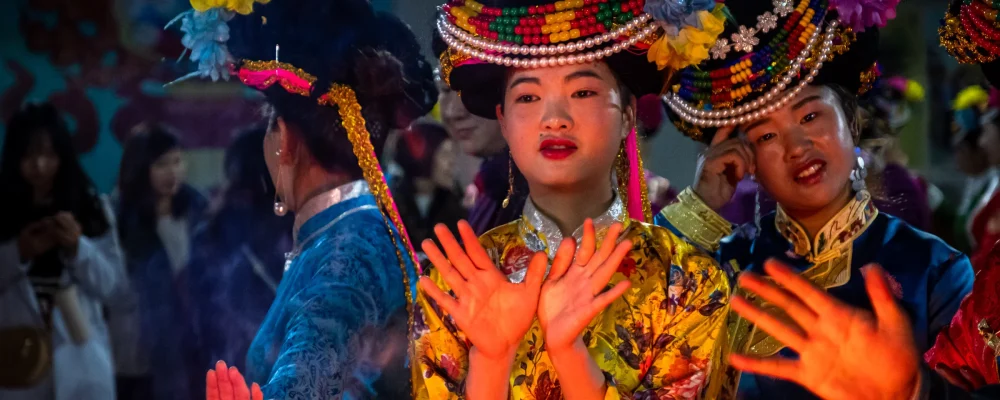

Luoshui Village Mosuo is one of those travel surprises that makes you re-check your map and think, “How is this not on everyone’s Yunnan itinerary?” Set on the shore of Lugu Lake—in the highlands near the Yunnan–Sichuan border—Luoshui is a visitable Mosuo village linked to one of the most talked-about family systems in Asia: a matrilineal culture often nicknamed China’s “Kingdom of Women.”
If your trip is already taking you to Dali, Lijiang, and Shangri-La, this is the kind of optional detour that turns a great route into a “wait, tell me more!” story you’ll be telling for years.

Lugu Lake sits in a mountainous region of southwest China, often described as lying between Yunnan and Sichuan—and it’s famous for two reasons: the scenery and the culture.
Your first map (Lugu Lake + Luoshui) will do a lot of heavy lifting here, because Luoshui isn’t “some abstract cultural topic.” It’s a real lakeside village where travellers can:

Most first-time travellers in Yunnan build their trip around the holy trio: Dali, Lijiang, and Shangri-La. And honestly, that’s smart—those places pack in landscapes, culture, and iconic sights.
On YellowBirdTour 7 Days Dali, Shangrila, Lijiang Tiger Leap Gorge Hike, the highlights include: Dali, Xizhou, Zhoucheng (tie-dyeing), Erhai Lake, Shangri-La, Pudacuo Park, Guishan Park, Songzanlin Monastery, Tiger Leaping Gorge hike, Jade Dragon Snow Mountain, and Yuhu Village.
So where does Luoshui/Lugu Lake come in?
Think of it as the “bonus chapter” you add when you want your Yunnan trip to feel less like a checklist and more like a discovery. It’s not in the standard itinerary by default—but it’s a strong candidate for a tailor-made extension if you’ve got the time and you love cultural curiosities.

The Mosuo are an ethnic group associated with the area around Lugu Lake, and they’re widely known for a matrilineal family structure—meaning family lineage is traced through the mother’s line.
That matrilineal system is one reason popular travel media calls the region the “Kingdom of Women.”
Now, quick reality check (because travel writing loves to oversimplify):
This is exactly the kind of cultural contrast that makes travelling in Yunnan feel so rich: within the same province-level trip, you can move from Bai traditions around Dali to Naxi culture in Lijiang and Tibetan influences in Shangri-La… then land in a Mosuo village with a totally different family model.

If you’ve heard anything about the Mosuo online, it’s probably the term “walking marriage.” In many accounts, it’s described as a system of relationships involving night-time visits rather than a conventional live-together marriage structure.
Two things worth knowing before you visit (and before you Google yourself into confusion):
So yes, it’s a real cultural concept people talk about—but it’s best approached with respect, not as gossip.

Lugu Lake is often described as scenic and peaceful—ideal for travellers who want nature without the constant “queue for the viewpoint” energy.
Luoshui is the kind of place where the experience is in the details: village streets, lakeshore moments, and observing daily life at a slower pace.
If you join a guided visit, a good guide helps you understand:
A simple etiquette tip that saves everyone’s day: ask before photographing people, and keep your curiosity friendly (not interrogative). It’s amazing what locals share when they feel respected.

Dali and Lijiang are gorgeous, but they’re also popular—and sometimes travellers finish them thinking: “I loved it… but I wish I’d seen something I didn’t already expect.”
Luoshui brings:
If you’re travelling as a couple, with friends, or even solo, it’s also one of those places that sparks genuinely interesting conversations—because the culture challenges the default assumptions many of us carry about family, marriage, and household life.
Even if you don’t want to publish exact driving times, it’s still helpful to frame it realistically:
In other words: totally doable, just don’t treat it like a casual coffee run.
If your core plan is Dali – Shangri-La – Lijiang, YellowBirdTour’s 7-day route already covers the big Yunnan icons—Erhai Lake, Tiger Leaping Gorge, Jade Dragon Snow Mountain, Songzanlin Monastery, and more.
Then, if you want to add the “Kingdom of Women” curiosity, you can request a tailor-made modification to include:
Tour link: https://www.yellowbirdtour.com/tours/7-days-dali-shangrila-lijiang-tour/

It’s more accurate to say the Mosuo are known for a matrilineal structure and women’s central role in family lineage—often summarised (a bit dramatically) as the “Kingdom of Women.”
It’s commonly described as a relationship tradition involving night-time visits, differing from conventional cohabiting marriage structures.
They’re closely associated with communities around Lugu Lake, in the region between Yunnan and Sichuan.
Yes. It’s typically best handled as an itinerary extension or tailor-made detour from your main Yunnan route.

⚠ China autumn travel alert: September–October 2026 China has two major public holiday periods coming
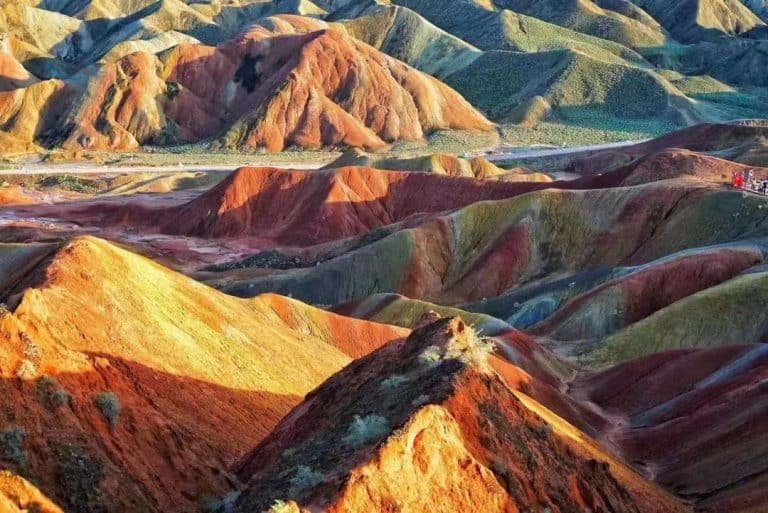
Explore the Silk Road and Qinghai Lake. Uncover ancient history, vibrant cultures, and breathtaking scenery. Begin your unforgettable journey now!
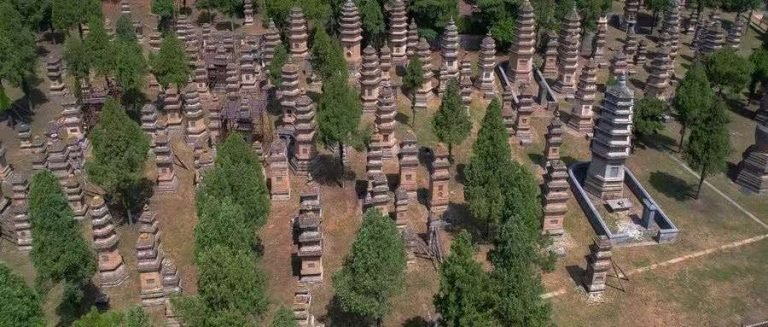
Can you visit Shaolin Temple and Longmen Grottoes on the same trip? Absolutely. Both are
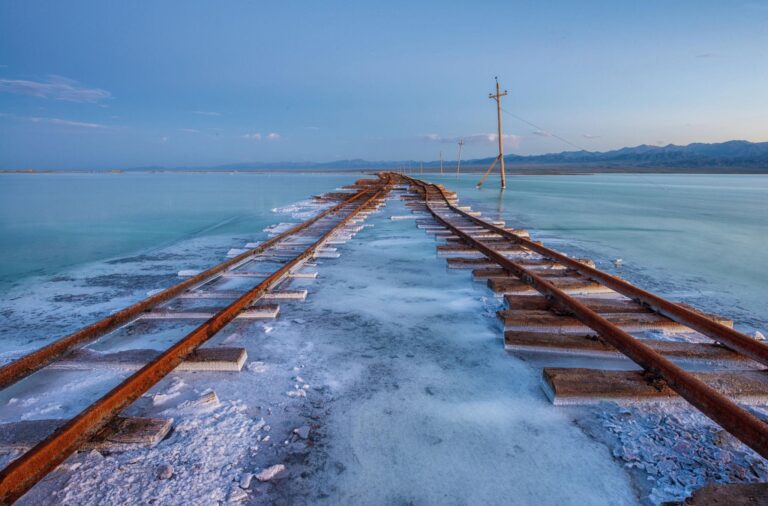
Qinghai Lake or Chaka Salt Lake? If you’re planning a trip through northwest China, you’ve
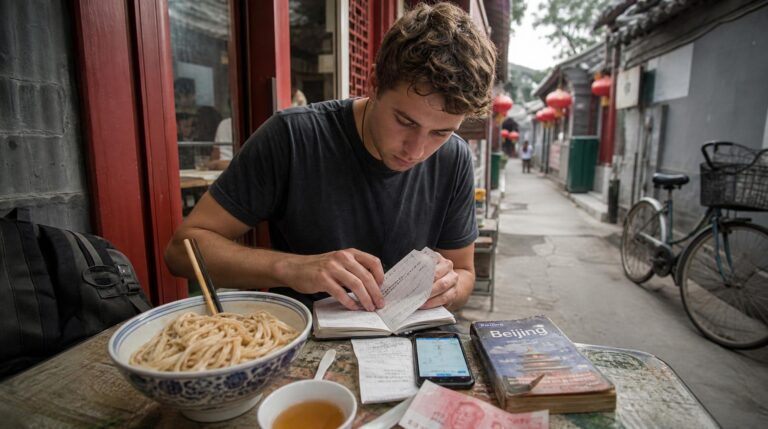
The China trip cost question is the one everyone Googles before booking, and almost nobody

Introduction: Major News for International Travelers Great news for globetrotters! China has just announced a